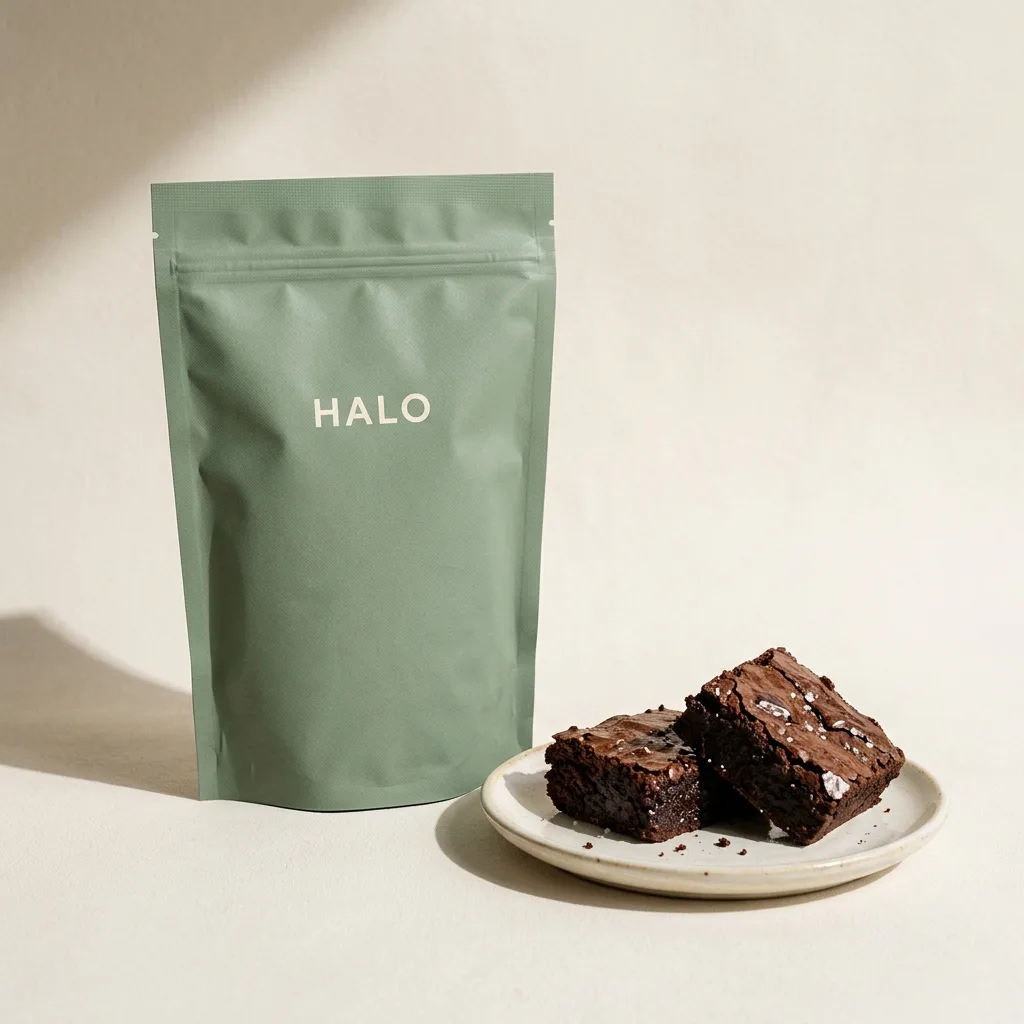
Dawnjar Sample
High-Protein Brownie Mix
10g protein150 cal
6.7g protein / 100 cal
per serving · 44g mix
$14.99$1.67 / serving
Preview collection · Sample products · Prices in CAD
Shop by category
Sorted by protein per 100 calories by default. Switch the sort to compare price per serving.
3 sample products
Dawnjar Sample
10g protein150 cal
6.7g protein / 100 cal
per serving · 44g mix
$14.99$1.67 / serving
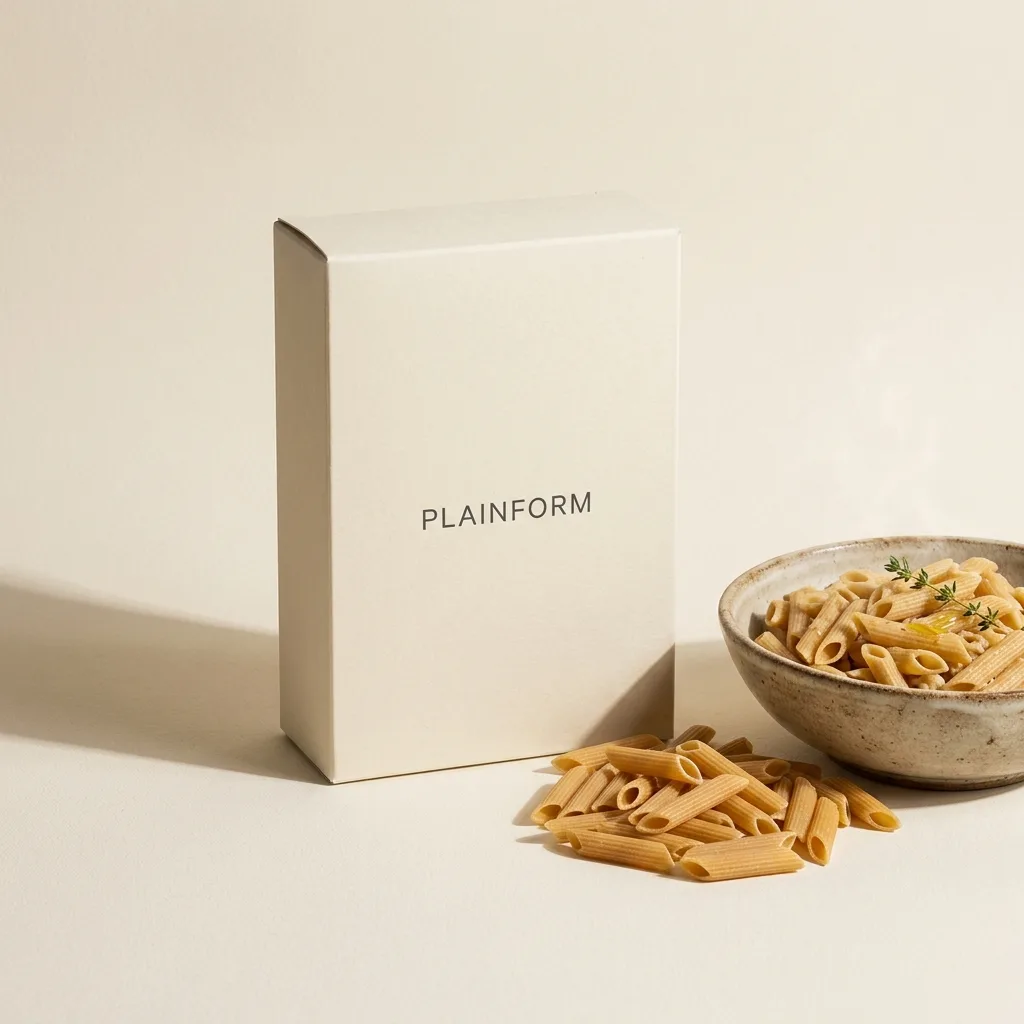
Dawnjar Sample
21g protein320 cal
6.6g protein / 100 cal
per serving · 85g dry
$8.99$2.25 / serving
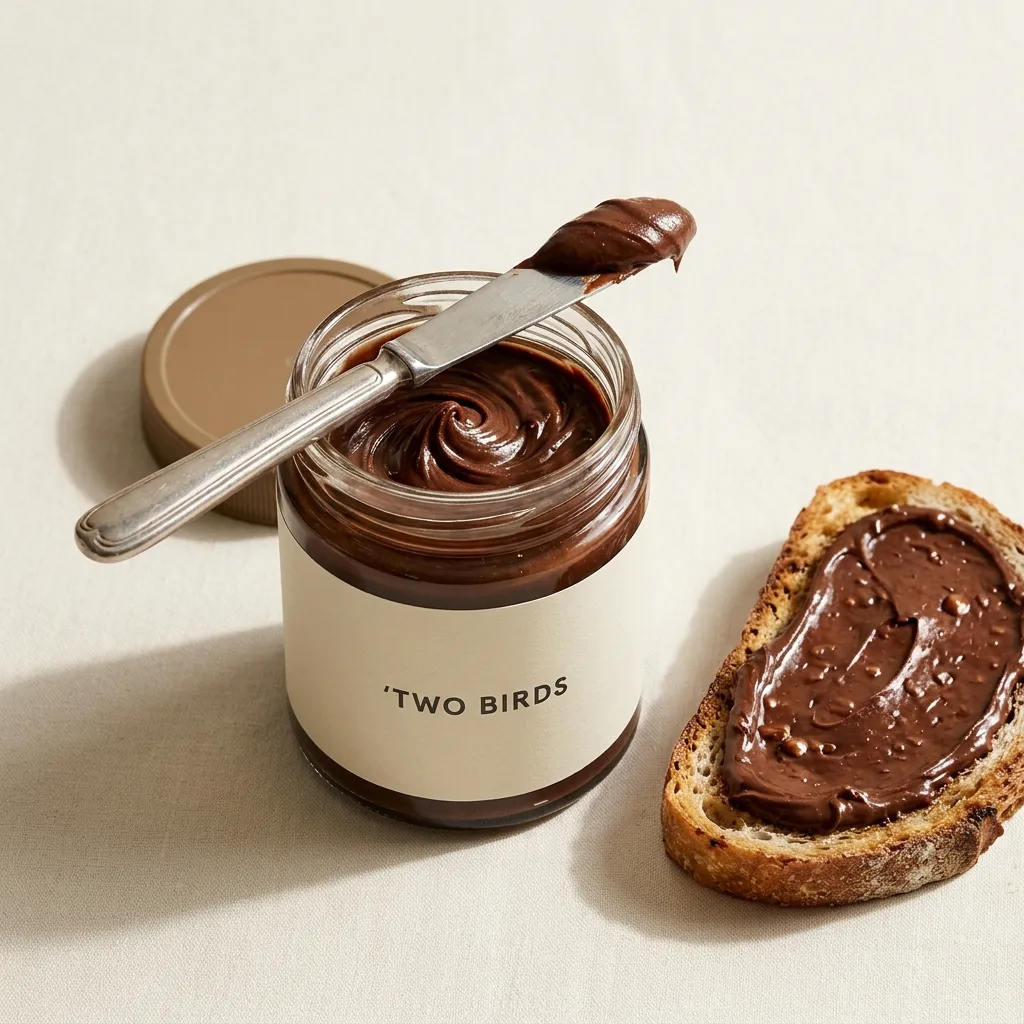
Dawnjar Sample
6g protein110 cal
5.5g protein / 100 cal
per serving · 2 tbsp (30g)
$12.99$1.18 / serving
Preview collection · Sample products with illustrative nutrition figures. Ordering opens at launch. Nutrition information is general and informational only, not medical advice.
Chickpea, lentil and pea pastas cook like regular pasta with more protein per serving. The protein pasta guide covers types, labels and cooking tips.
Protein spreads and baking mixes add whey or plant protein to familiar pantry foods. Compare protein per serving at the stated serving size, sugar and price per serving; spread servings are small, so protein per serving is modest. Sample records:
A baking mix has two stages worth separating: what is in the packet and what is on the plate after preparation. The Nutrition Facts table may describe dry mix, a prepared serving or both. Read the heading and any preparation note before comparing the brownie mix sample with a ready-to-eat dessert. Added eggs, milk or other ingredients change the finished result; those additions are not automatically included in a dry-mix figure. Read the baking-mix label for allergens. Do not attribute the whole prepared recipe's protein to the powder in the packet.
Recipe yield — Check how many portions the stated recipe makes. Cutting a tray into fewer pieces changes the amount of mix in each piece even when the recipe itself is unchanged. Use the stated yield as the starting point for a comparison.
Added ingredients — Separate ingredients required by the directions from optional additions. When a prepared figure assumes a particular recipe, changing that recipe makes the printed prepared figure less directly comparable. Keep your comparison explicit rather than substituting an invented total.
The spread sample belongs in a different portion conversation from pasta or brownies. A tablespoon-sized serving is a small amount, and a generous spoonful need not match that weight. Check the serving in grams as well as the household measure. The jar's total weight describes the package, not the portion on toast or in a recipe. Compare protein and CAD price for the stated serving first, then consider how that serving fits the way you use a spread. A large jar can contain many small servings without being a larger serving itself.
Measure before comparing — If you use more than one stated serving, scale all relevant figures together. Doubling the portion changes protein, sugars and calories, not just the number you were hoping to compare.
Recipe use — A spoonful spread over several portions of a recipe is shared among those portions. Do not assign the full spoonful to every portion. The preview card describes the record serving, not a finished dish you create.
Pasta absorbs water during cooking, so dry weight and cooked weight are not interchangeable. Identify which state the label uses before weighing out a portion of the chickpea penne sample format. If the table refers to dry pasta, measure the dry quantity first; weighing the cooked pasta against that dry serving weight produces a different portion. Water changes the weight without representing another portion of pasta. Sauces and other additions belong outside the pasta-only comparison unless the label explicitly includes them. Follow the package cooking directions and check the texture as it cooks rather than assuming every legume pasta behaves like the same wheat pasta. For a shared pot, start with the total dry amount and divide it consistently among the planned portions. All figures here remain illustrative sample data, with prices in CAD and ordering opening at launch.
Everyday cupboard foods with added or naturally higher protein, such as legume pasta, protein baking mixes and protein spreads.
Yes, in plenty of boiling water, but start tasting a few minutes before the box time because legume pastas soften quickly.
Not yet. Everything in this collection is a preview sample record. Ordering opens at launch.
Check whether the table says dry mix or prepared, and read its recipe assumptions. Required additions may be included in a prepared figure but not a dry-mix figure; optional additions should not be assumed to be counted.
Use the state named on the label. A dry-weight serving should be measured before cooking because absorbed water changes the cooked weight. Keep sauces separate from a pasta-only comparison.