Dawnjar Sample
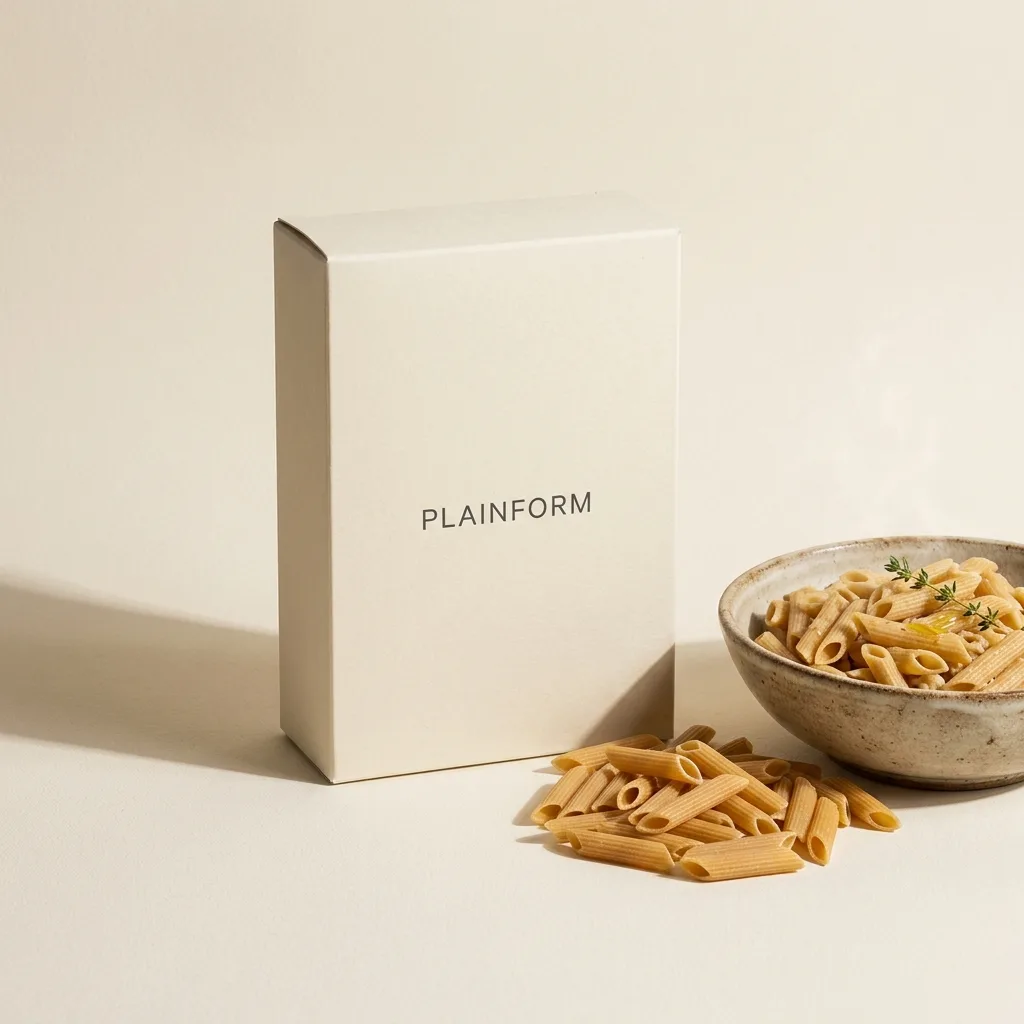
High-Protein Chickpea Penne
21g protein320 cal
6.6g protein / 100 cal
per serving · 85g dry
$8.99$2.25 / serving
Preview collection · Sample products · Prices in CAD
Dawnjar · High-protein recipes
A power bowl is a way to arrange a meal, not a defined nutrition standard or a promise of an effect. Start with a base, choose a protein ingredient, then add vegetables, sauce and something crunchy. The three combinations here are adjustable cooking ideas without invented nutrition totals. Check ingredient labels and the portions you use. Dawnjar remains a preview: sample records have illustrative figures and prices in CAD, and ordering opens at launch. The comparison shelf is separate pantry pasta, not a prepared bowl.
Choose a base such as cooked quinoa, rice or lentils. Add a protein ingredient, vegetables with contrasting textures, a sauce that ties them together and an optional crisp topping. The base can be a smaller layer or the main bulk of the bowl; there is no required ratio.
“Power bowl recipes” receives about 590 searches a month in Canada, per Semrush data pulled October 2026.
“Power bowl” receives about 590 searches a month in Canada, per Semrush data pulled October 2026. These phrases describe a meal format, not a fixed nutrition standard.
Base — Use a cooked grain, lentils or a vegetable mixture that can hold the sauce.
Protein and vegetables — Choose a distinct protein ingredient, then add roasted, steamed or chopped vegetables.
Sauce and crunch — Finish with an adjustable sauce and an optional topping, keeping their labels in the ingredient check.
Chicken, tofu, fully cooked eggs, lentils, edamame and salmon offer different textures and preparation methods. Chicken can be sliced, tofu cubed, eggs quartered and salmon flaked after cooking. Lentils and edamame distribute through the base rather than sitting only on top.
A Greek yogurt sauce adds another labelled ingredient, but a spoonful of sauce is not interchangeable with a main protein portion. Health Canada says serving size “isn’t a recommendation of how much to eat”. Use the Nutrition Facts table for the amount stated, and account for your own quantities separately.
Ingredients: cooked quinoa, cooked chicken, cucumber, roasted carrots, parsley, lemon juice and olive oil. Add a crunchy topping only if you want it, checking its ingredient list. Make the quinoa and carrots first so they are ready when the chicken is sliced.
Ingredients: cooked rice, tofu, cooked edamame, shredded cabbage, cucumber, peanut butter, lime juice and water. The peanut sauce should coat the components without burying them. Select tofu according to the texture you prefer and its preparation instructions.
Ingredients: cooked green or French lentils, roasted cauliflower, roasted carrots, chopped parsley and a lemon yogurt or tahini sauce. Lentils can serve as the base as well as a protein ingredient. Drain them well so sauce does not become watery.
Tahini can make a creamy sauce when stirred with lemon and gradual additions of water. Peanut butter gives a thicker, nutty coating; loosen it before adding it to the bowl so it reaches the vegetables evenly. Lemon yogurt is a lighter-textured alternative in culinary terms, not a nutrition claim. Its consistency depends on the yogurt you choose and how much lemon you add.
Taste a small spoonful alongside the base rather than deciding from the sauce alone. Keep optional additions such as mustard or prepared condiments on the ingredient list.
Cooked components generally suit a few days of refrigerated meal planning, subject to their ingredient instructions and handling. That wording is not a guaranteed storage period. Cool cooked ingredients promptly using appropriate guidance, refrigerate them and use clean covered containers. Do not assemble several days of bowls while leaving cooked rice or other ingredients at room temperature.
Keep sauce, delicate herbs and crunchy toppings separate until serving. Store components individually when their directions differ, and label containers so you know when they were prepared. Reheat ingredients only according to appropriate food-handling guidance. Discard food when its storage history is uncertain; adding a fresh sauce does not reset that history.
Peanuts in peanut sauce, soy in tofu and edamame, sesame in tahini and milk in yogurt are priority allergens. They must be identified by common name on pre-packaged food labels. Read the full ingredient list, Contains statement where present and precautionary wording for every packaged component. Prepared sauces may contain ingredients not evident from their flavour name.
Eggs and fish also matter when those protein options are used. A sauce substitution is a new label-reading task, not a blanket assurance about the finished bowl. Keep a written ingredient list when preparing several combinations so you do not confuse the peanut sauce bowl with the tahini or yogurt version.
Portion basis — Check dry versus cooked or prepared quantities on grains, lentils and packaged proteins.
Sauce ingredients — Include condiments, oils and optional toppings when recording the full recipe.
Package instructions — Follow preparation and refrigeration directions for each component, not just the main protein.
Protein comparison — Read labelled protein amounts without inventing a total for these adjustable bowls.
Plan which bowl you will make before choosing ingredients so several unused sauces do not accumulate. Compare CAD prices against the usable amount and package preparation state. The sample shelf demonstrates a separate pantry comparison only; Dawnjar does not currently take orders for bowls or their ingredients.
This shelf uses an existing chickpea pasta sample solely as a separate pantry reference. It is not a prepared bowl, lentil ingredient or rice record. Its illustrative nutrition figures and CAD price belong only to that sample, not the recipes above; ordering opens at launch.
Dawnjar Sample
21g protein320 cal
6.6g protein / 100 cal
per serving · 85g dry
$8.99$2.25 / serving
Preview collection · sample records with illustrative figures · prices in CAD. Ordering opens at launch.
A power bowl combines a base, a protein ingredient, vegetables, sauce and optional toppings. The term is a meal format, not a defined nutrition standard. Ingredients and quantities vary.
Choose a protein ingredient such as chicken, tofu, lentils, edamame, eggs or salmon. Check its labelled protein amount and the quantity you add. The finished total also depends on the other ingredients.
Use a base, protein ingredient, vegetables, sauce and an optional crunchy topping. Rice and quinoa work as grain bases; lentils can fill more than one role. Choose a sauce that fits the flavours.
Yes, prepare components ahead and refrigerate them according to their storage and food-handling instructions. Keep sauces and crunchy toppings separate. A few days is general planning guidance, not a guarantee.
Tahini, peanut or lemon yogurt sauce can work, depending on the other ingredients. Thin thicker sauces gradually and taste with the base. Check the sauce labels for allergens and added ingredients.
No; Dawnjar is a preview, and ordering opens at launch. The shelf shows separate pantry sample records with illustrative figures and CAD prices. It does not represent prepared bowls or recipe ingredients.
Dawnjar preview pages use sample product records and illustrative nutrition figures. Ordering opens when real inventory and fulfillment are live. Nutrition information is general and informational only, not medical advice.