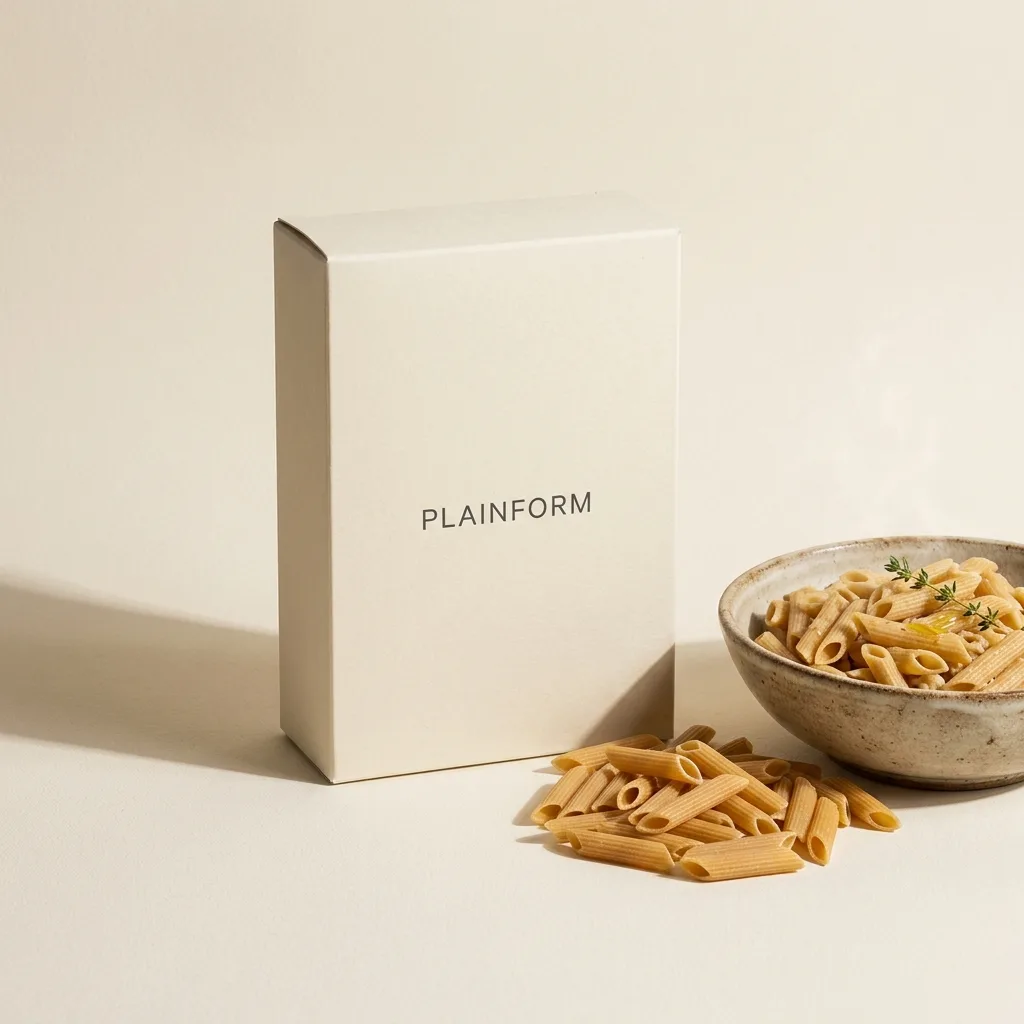
Dawnjar Sample
High-Protein Chickpea Penne
21g protein320 cal
6.6g protein / 100 cal
per serving · 85g dry
$8.99$2.25 / serving
Preview collection · Sample products · Prices in CAD
Dawnjar · High-protein recipes
A salad can be a chicken-and-yogurt bowl, a bean mixture or a chilled pasta dish, not only a pile of leaves. These eight ideas provide ingredient lists and assembly steps, with a link to the existing full lentil recipe. Read labels for actual nutrition entries. Dawnjar is a preview with illustrative sample figures and CAD prices; ordering opens at launch.
Choose a centre ingredient, a vegetable base, something with texture and a dressing. Chicken, tuna, eggs, beans, lentils, tofu and edamame offer different starting points; you do not need all of them in one bowl. Here, high protein describes meals built around protein-rich foods, not measured recipe totals. Ask a registered dietitian for personal needs.
Keep wet ingredients away from crisp leaves until serving. Taste the dressing with the actual salad: beans, pasta and vegetables change the overall balance.
“high protein salad” receives about 320 searches a month in Canada, per Semrush data pulled October 2026.
“high protein pasta salad” receives about 260 searches a month in Canada, per Semrush data pulled October 2026.
“high protein salad recipes” receives about 260 searches a month in Canada, per Semrush data pulled October 2026.
Ingredients: Fully cooked chicken, Greek yogurt, celery, lemon, herbs, salad leaves.
Ingredients: Canned tuna, cooked white beans, cucumber, tomatoes, lemon, oil.
Ingredients: Fully cooked eggs, cottage cheese or Greek yogurt, mustard, chives, salad leaves.
Ingredients: Cooked chickpeas, cucumber, peppers, lemon, parsley, dressing.
Ingredients: Pasta with a checked label, tomatoes, cucumber, cooked beans, dressing.
Ingredients: Cooked quinoa, prepared edamame, carrots, cucumber, lime dressing.
Ingredients: Tofu, cabbage, carrots, cucumber, sesame dressing, sesame seeds.
Ingredients: Cooked lentils, chopped vegetables and the dressing chosen in the full lentil guide.
Greek yogurt gives a tangy base, silken tofu can be blended into a smooth dressing, and tahini brings a sesame flavour. Their protein entries depend on the actual package and the amount used. Do not call a drizzle a measured protein portion without doing the full recipe calculation. Lemon, water or vinegar can loosen the texture; add them gradually rather than flooding the bowl.
For yogurt dressing, mix herbs and lemon before adding it to the salad. For tofu dressing, use tofu whose directions match the preparation, then blend until smooth. Stir tahini thoroughly before thinning it. Each base has different ingredients and allergen wording; none makes an entire salad free of a declared allergen.
Pack dressing separately from leaves, croutons and other crisp toppings. A sturdy cabbage base tolerates mixing differently from tender lettuce, while warm pasta or grains can wilt leaves. Cool cooked components according to handling guidance before assembling a chilled salad.
Keep perishable salads refrigerated and use suitable chilled transport when taking them away from home. Follow the shortest relevant ingredient handling directions; this guide does not establish a storage period. Pack only what you expect to use and leave questionable leftovers uneaten.
Eggs, milk, fish, soy, sesame, wheat and mustard can appear across these salads and their dressings. Priority allergens must be identified by common name on pre-packaged food labels. Read the complete Health Canada list rather than treating the examples here as exhaustive. Check broth, sauces, coatings and toppings separately; recipe names do not establish a finished product’s allergen status.
Read protein per serving alongside the serving weight and preparation state. Health Canada says serving size "isn’t a recommendation of how much to eat". A package table is not a nutrition calculation for a homemade dish. Pasta, canned fish and dressings can use different portion units; keep those units visible.
For nutrients with a daily value, use Health Canada’s reading aid: % DV: 5% DV or less is a little, 15% DV or more is a lot. Keep the portion basis consistent rather than comparing a dry ingredient with a finished meal.
Serving basis — Check dry, drained or prepared wording and the actual serving weight.
Complete ingredients — Include sauces, toppings and optional additions, not only the central food.
Allergen statements — Read the full ingredient list, Contains statement and precautionary wording.
Preparation directions — Keep cooking, cooling and storage instructions with the ingredient packages.
This existing pasta sample is a packaged-format reference, not an assembled salad. Its figures and CAD price are illustrative and do not include dressing, vegetables or other additions. It does not verify a dietary claim, and the shelf does not introduce prepared salad records.
Dawnjar Sample
21g protein320 cal
6.6g protein / 100 cal
per serving · 85g dry
$8.99$2.25 / serving
Preview collection · sample records with illustrative figures · prices in CAD. Ordering opens at launch.
Choose the intended base and central ingredient first. Compare package sizes in CAD, then check drained weights, preparation directions and ingredients for the actual version. Pick a dressing you enjoy with that combination rather than using its name as a nutrition shortcut. These are flexible assembly outlines, not tested quantities or complete recipe nutrition calculations.
Build it around chicken, tuna, eggs, beans, lentils, tofu or edamame. Add vegetables and a dressing you enjoy, then check ingredient labels. This guide does not supply measured salad nutrition totals.
Cooked chicken, tuna, eggs, beans, tofu and edamame are useful central toppings. Seeds and cheese can be additional choices, with their own label entries. Compare actual portions rather than assuming every topping contributes the same amount.
Mix fully cooked chopped eggs with cottage cheese or Greek yogurt, mustard and herbs. Blend the cottage cheese if you prefer a smooth dressing. Read egg, milk and mustard declarations and keep the mixture chilled.
Yes; prepare components separately and keep dressing away from crisp leaves until serving. Cool cooked ingredients appropriately and follow refrigerated storage directions. No keeping period is guaranteed here.
Yogurt, tahini and silken tofu have protein entries on their package labels. The finished dressing’s figures depend on amounts and other additions. Do not treat the base ingredient’s serving as the entire salad’s nutrition.
Not yet; Dawnjar is a preview, and ordering opens at launch. The shelf contains an existing pasta sample rather than prepared salads. Its figures and CAD price are illustrative.
Dawnjar preview pages use sample product records and illustrative nutrition figures. Ordering opens when real inventory and fulfillment are live. Nutrition information is general and informational only, not medical advice.