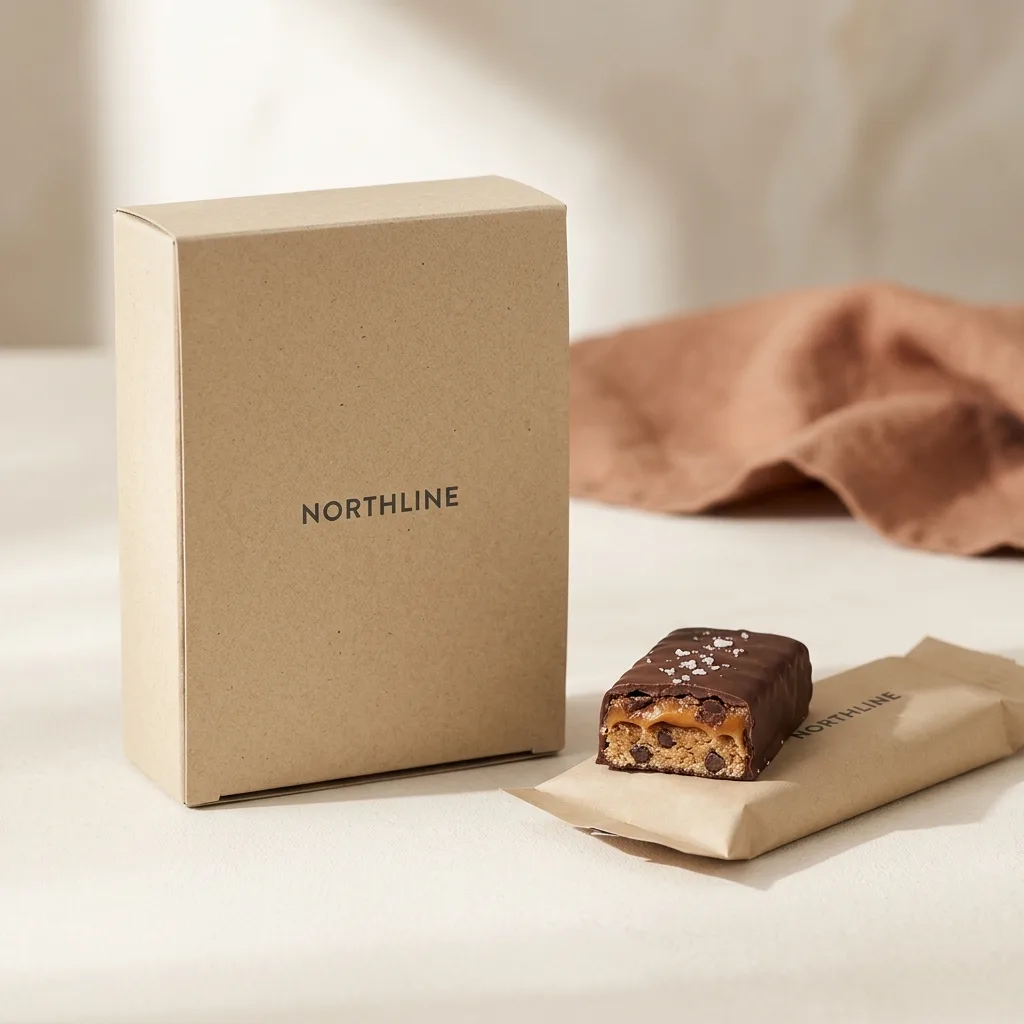
Dawnjar Sample
Sea Salt Caramel Protein Bar
20g protein190 cal
10.5g protein / 100 cal
per serving · 1 bar (60g)
$39.99$3.33 / serving
Preview collection · Sample products · Prices in CAD
Shop by category
Sorted by protein per 100 calories by default. Switch the sort to compare price per serving.
4 sample products
Dawnjar Sample
20g protein190 cal
10.5g protein / 100 cal
per serving · 1 bar (60g)
$39.99$3.33 / serving
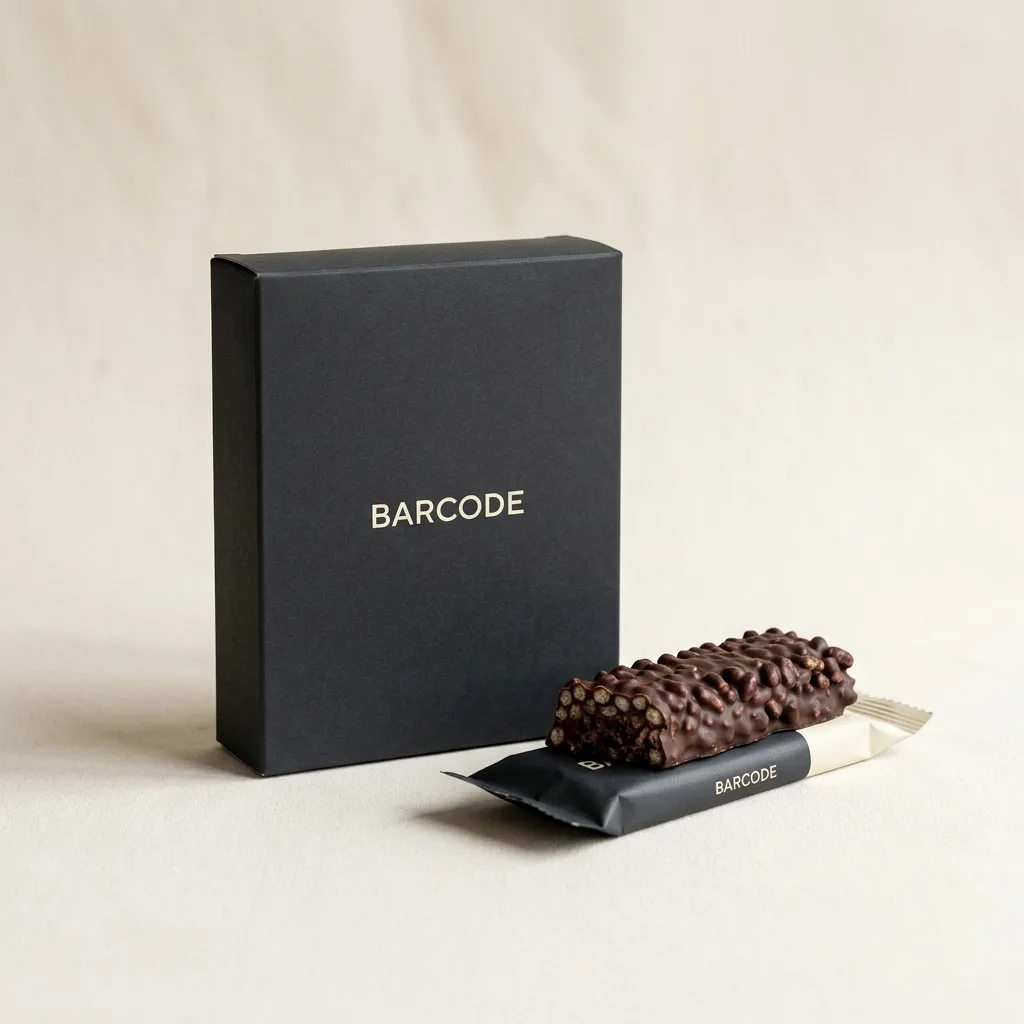
Dawnjar Sample
21g protein210 cal
10.0g protein / 100 cal
per serving · 1 bar (65g)
$41.99$3.50 / serving
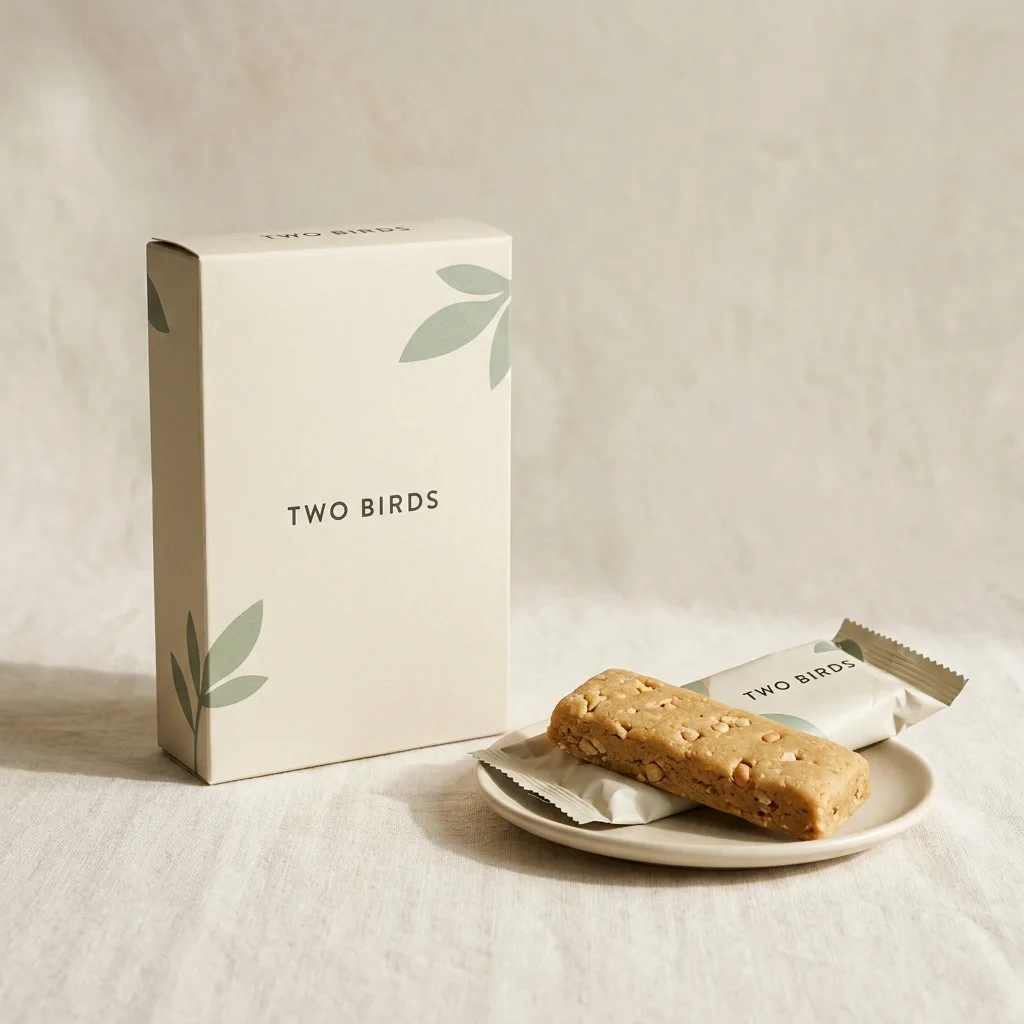
Dawnjar Sample
22g protein230 cal
9.6g protein / 100 cal
per serving · 1 bar (68g)
$43.99$3.67 / serving
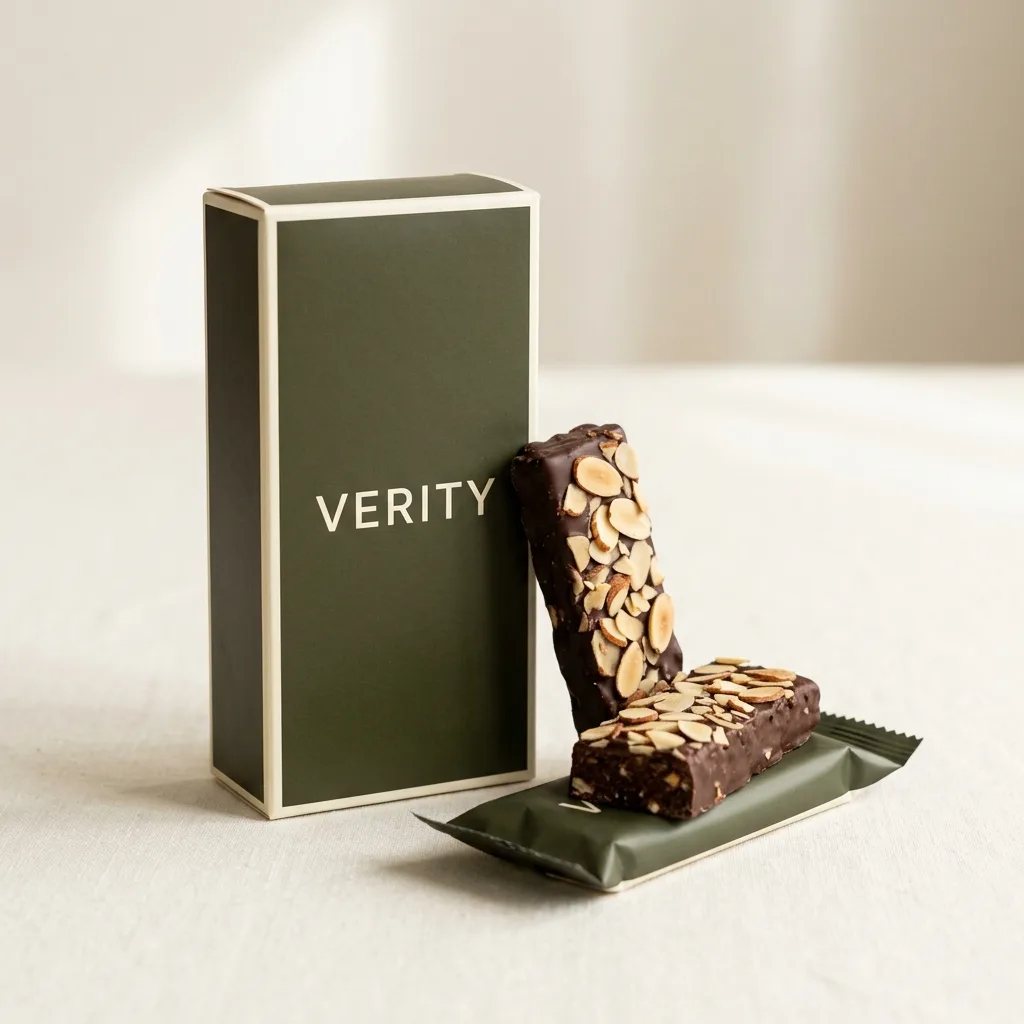
Dawnjar Sample
18g protein200 cal
9.0g protein / 100 cal
per serving · 1 bar (60g)
$37.99$3.17 / serving
Preview collection · Sample products with illustrative nutrition figures. Ordering opens at launch. Nutrition information is general and informational only, not medical advice.
The four bar samples make texture a useful starting point: sea salt caramel, double chocolate crisp, peanut butter cookie dough and vegan almond fudge. Those names describe different styles rather than a ranking. A caramel-style centre suggests a softer bite; a crisp format introduces small crunchy pieces; a dough-style filling is more compact; fudge points towards a close, smooth texture. Use these descriptions to decide which wrapper you would open first, then compare that sample's recorded figures. Flavour alone does not tell you how much protein the bar contains.
Coating — A coating adds another ingredient layer around the centre. Look at its ingredients as well as the filling: the chocolate-style exterior and the middle may use different sweeteners. A thick-looking coating is not a reliable shortcut to the total sugars figure.
Crisp pieces — Small crisp inclusions break up an otherwise dense centre. Their flour or protein ingredients become part of the overall recipe, so a crunchy bite does not automatically mean a smaller bar or a different protein total.
Dough-style fillings — A soft, tightly packed filling can feel substantial even when the wrapper is compact. Compare the stated net weight before treating that sensation as evidence of a larger portion.
Start with the ingredient list rather than the flavour name on the front. Ingredients appear in descending order by weight, so the position of a protein ingredient helps describe the recipe, but it does not replace the protein figure in the Nutrition Facts table. A blend can list more than one protein source. Check the whole list instead of assuming that the first familiar ingredient explains the entire bar. Read the wrapper label for allergen information. Keep the wrapper's stated serving beside the numbers while making comparisons.
Separate lines, separate information — Sugars, sugar alcohols and fibre are not interchangeable label entries. Where sugar alcohols and fibre are listed, read those lines separately rather than adding them to sugars or subtracting them from the bar without context. The ingredient list identifies the sweeteners used.
Wrapper weight and serving weight — Check whether the table describes one whole bar or a smaller serving. If a package contains several bars, its total net weight is not the weight of one serving. Compare like-sized portions before interpreting a difference in protein or price.
A vegan bar uses plant ingredients in place of milk-based components, but the label still needs a close reading. Look for the named plant protein source and the ingredients used in the coating or filling. Pea, soy and other plant proteins can produce different textures depending on the rest of the recipe; the word vegan alone does not predict whether a bar is soft, crumbly or chewy. Read the label for allergens rather than inferring them from the flavour. In this collection, vegan almond fudge is the plant-based sample to compare with the other three bars. Use protein per bar and the same serving basis, not a general assumption that every plant-based bar contains more or less protein. The card figures are illustrative sample records, not a promise about a future recipe.
Keep wrapped bars according to the package storage directions, and check the best-before date when planning a drawer of different flavours. Coated bars can soften in heat, which changes the texture even before the wrapper is opened. A bar carried beside a warm lunch may feel different from the same format kept in a cupboard. Do not assume every coating responds the same way. If you split a bar into smaller portions, follow the label's directions for the opened product and retain the wrapper so the serving information is still available. Dawnjar's preview lets you compare sample formats and CAD prices; it does not establish storage instructions for real inventory; orders open when Dawnjar launches.
Protein ingredients and a compact filling can create a firmer, closer texture than a light candy centre. Coatings and crisp inclusions change the bite too; density is not a measure of protein, so compare the recorded amount per bar.
They are sweetening ingredients that may appear in the ingredient list and on a separate Nutrition Facts line. Read that entry alongside sugars and fibre, keeping the stated serving size in view.
It varies with the recipe and bar size. Compare protein per whole bar on the same portion basis; a plant-based label does not determine the amount.
These bars cannot be ordered yet: they are sample records with illustrative figures and CAD prices, with ordering opening at launch.