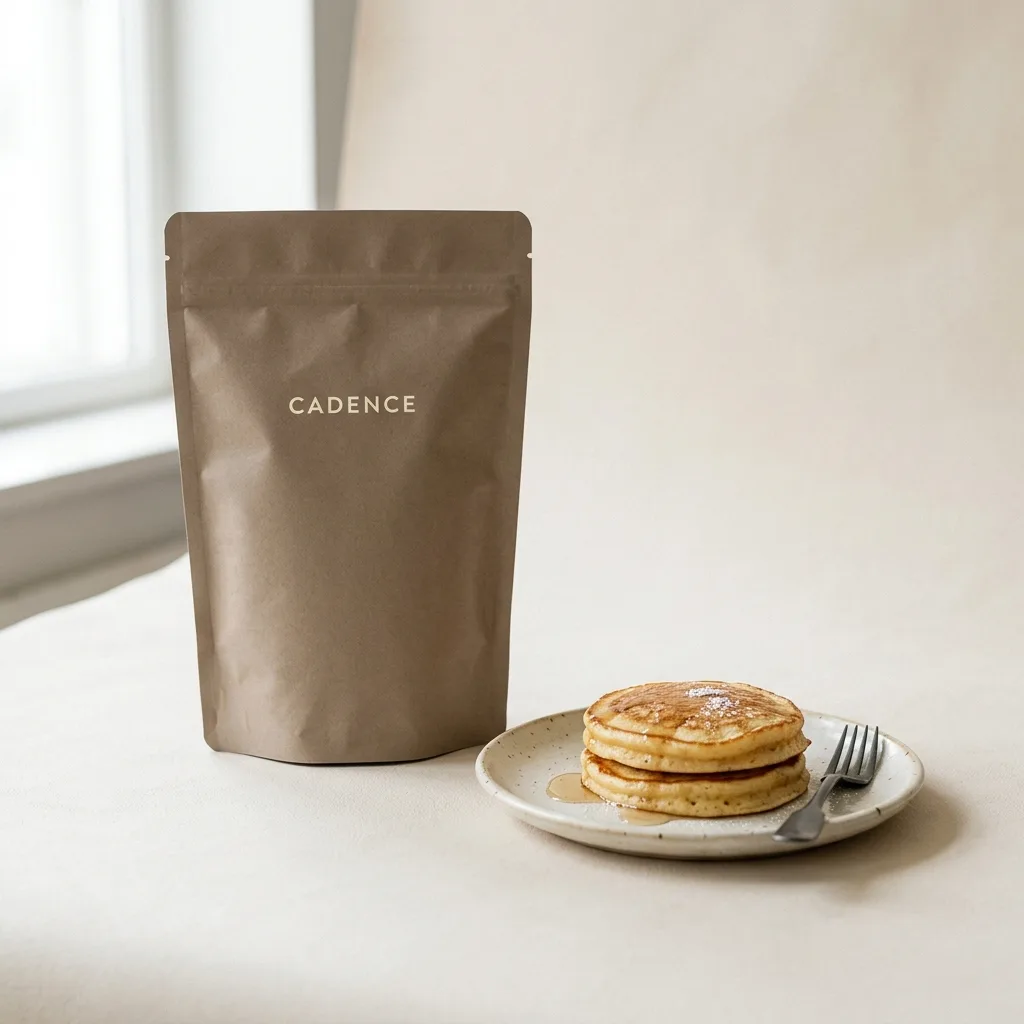
Dawnjar Sample
Protein Pancake Mix
24g protein260 cal
9.2g protein / 100 cal
per serving · 70g dry mix
$24.99$2.50 / serving
Preview collection · Sample products · Prices in CAD
Dawnjar · High-protein recipes
Cottage cheese makes a curd-style or blended filling for layered lasagna with tomato sauce and mozzarella. Choose ground beef, turkey or a lentil sauce, then match the noodle preparation to the packet. This guide gives a practical cooking sequence without invented nutrition totals. Quantities and oven settings should come from a suitable complete lasagna recipe. Dawnjar is a preview: sample figures and CAD prices are illustrative, and ordering opens at launch.
Choose your recipe and dish size before measuring. This outline is adjustable, not a tested formula: use quantities from a suitable lasagna recipe. Gather sauce, filling and topping before assembly.
Ingredients: Lasagna noodles; lean ground beef or turkey, or cooked lentils; tomato sauce; cottage cheese; egg; Parmesan; parsley; mozzarella; onion, garlic and seasoning.
Regular noodles may need pre-cooking; oven-ready sheets rely on the sauce and baking method specified on their package. Protein pasta is another label-reading option, not a reason to skip preparation directions. Check that the format is suited to layering: a pasta comparison page does not establish that every packet contains lasagna sheets.
Ingredients: Lean ground beef or turkey, onion, garlic, tomato sauce and herbs.
Break up the meat so large pieces do not create uneven layers. Prepared tomato sauce has its own ingredient and sodium entries; read those instead of assuming all jars are equivalent. Avoid reducing the sauce beyond what oven-ready sheets require. A dry sauce and uncovered noodle edges can leave firm patches even when the topping is browned.
Ingredients: Cottage cheese, egg, grated Parmesan and chopped parsley.
Egg helps the filling set; choose an egg-free recipe if omitting it. Parmesan changes flavour, ingredients and texture. Blending removes visible curds, not the cheese’s milk declaration.
Ingredients: Prepared sauce, suitable noodles, cottage cheese filling and mozzarella.
Overlap or trim sheets as the package allows; avoid dense stacks in corners. Spread filling gently without dragging noodles out of position. Leave space for bubbling sauce and follow the recipe’s tray instructions.
Ingredients: Assembled lasagna and a cover suitable for your baking dish.
There is no single baking time for every lasagna. Dish depth, noodle type, starting temperature and sauce moisture all matter. A browned cheese surface does not establish that the centre is cooked. Follow the complete recipe rather than setting a timer from another casserole. Resting lets the layers settle, but a softer curd filling can still give a more tender slice than a firmly set ricotta mixture.
Ingredients: Cooked lentils, onion, garlic, tomato sauce, herbs and optional chopped mushrooms.
Use lentils that hold their shape if you prefer distinct pieces, or a softer cooked texture for a thicker sauce. Read canned lentil and sauce labels separately. This version still contains the declared milk and any egg or wheat ingredients in its filling and noodles; removing meat does not establish other dietary wording. Here, protein-forward describes ingredient choices, not a calculated finished-dish amount. Ask a registered dietitian about personal needs.
Check whether your recipe permits assembly ahead of baking and whether it specifies chilled or frozen cooking. Refrigerate prepared components and assembled dishes using appropriate handling guidance. Label freezer-suitable portions with the dish and preparation date, and keep the container method consistent with the recipe. Do not put a frozen dish into an oven unless its maker’s instructions allow that temperature change.
Thaw and reheat according to suitable recipe guidance, heating portions thoroughly. Keep cold garnishes separate. No keeping period is guaranteed: follow ingredient directions and do not use questionable leftovers.
Milk, eggs and wheat are priority allergens in Canada and must be identified by common name on pre-packaged food labels. Check each ingredient, including flour, sauces, seasonings and toppings; read Contains statements and precautionary wording as well. Blending or baking does not change what the ingredient labels declare. A substitution is not an assurance about a finished dish.
Compare protein at the labelled serving, not at an assumed spoonful. Health Canada explains that serving size "isn't a recommendation of how much to eat" and that the table lists calories plus 12 nutrients per serving. For sodium and other entries with a daily value, use this reading aid: % DV: 5% DV or less is a little, 15% DV or more is a lot.
Noodle directions — Distinguish regular, oven-ready and any alternative pasta format.
Serving basis — Compare ingredient protein and sodium at their labelled portions.
Sauce and cheese — Read prepared sauce, cottage cheese and mozzarella separately.
Complete recipe — Any finished nutrition calculation needs actual quantities and portion yield.
Choose meat or lentil sauce, curds or a smooth cheese filling, and the noodle format first. Read the required dish size and cooking method before making substitutions. Nothing on the sample shelf supplies nutrition for this lasagna or represents prepared-meal inventory.
“lasagna recipe with cottage cheese” receives about 1,600 searches a month in Canada, per Semrush data pulled October 2026.
“cheese lasagna recipe with cottage cheese” receives about 1,300 searches a month in Canada, per Semrush data pulled October 2026.
The existing pancake-mix sample below is a separate dry-mix label reference, not cottage cheese, yogurt or a prepared recipe. Its figures and CAD price are illustrative and do not describe these homemade dishes. No new food records are introduced, and these methods do not use the sample.
Dawnjar Sample
24g protein260 cal
9.2g protein / 100 cal
per serving · 70g dry mix
$24.99$2.50 / serving
Preview collection · sample records with illustrative figures · prices in CAD. Ordering opens at launch.
Yes, in most baked pasta fillings; blend it if you prefer a smoother texture. Drain excess liquid when the recipe directs. Follow a cottage cheese filling method for proportions.
Blend it for a smoother filling, or leave the curds for a more textured layer. Either choice needs the recipe’s moisture balance. Blending does not change the ingredient declaration.
Not always; egg helps set the filling, but some recipes omit it. Choose a complete egg-free filling method if leaving it out. Cook any egg-containing layer fully.
Follow your complete recipe; baking time depends on dish depth, noodles and whether the lasagna starts chilled or frozen. Check noodle tenderness and thorough cooking through the centre. Do not judge by browned cheese alone.
Yes, when your recipe allows; follow its freezing, thawing and reheating directions. Use a suitable container and label portions. No keeping period is guaranteed here.
Not yet; Dawnjar is a preview, and ordering opens at launch. The shelf is a separate dry-mix label reference, not prepared lasagna. Sample figures and CAD prices are illustrative.
Dawnjar preview pages use sample product records and illustrative nutrition figures. Ordering opens when real inventory and fulfillment are live. Nutrition information is general and informational only, not medical advice.