Dawnjar Sample
Protein Oatmeal Cups — Cinnamon
20g protein250 cal
8.0g protein / 100 cal
per serving · 1 cup (65g)
$23.99$4.00 / serving
Preview collection · Sample products · Prices in CAD
Dawnjar · High-protein recipes
Meal prep works best when you prepare components that can become different dishes, rather than filling every container with the same meal. These twelve breakfast, lunch and dinner outlines centre protein-rich foods without assigning nutrition totals or setting a diet plan. Check ingredient labels for actual figures and consult a registered dietitian about personal needs. Dawnjar remains a preview: sample records have illustrative figures and CAD prices, and ordering opens at launch.
Cook two protein-rich components, prepare two grains, roast vegetables and mix two sauces as a flexible workflow, not a prescribed eating schedule. For example, cooked chicken and lentils can pair with rice and quinoa, while roasted carrots and peppers fit either base. A lemon dressing and tomato sauce create different finishes. Choose quantities around the meals you intend to assemble, without treating this outline as personal portion advice.
Write a cooking sequence before starting: begin ingredients needing longer preparation, use the oven while grains cook, and leave uncooked toppings until the cooked food is handled according to cooling guidance. Separate utensils and preparation areas as needed for raw ingredients. A tested recipe should supply cooking temperatures and doneness checks; these assembly ideas are not a substitute for those instructions.
“High protein meal prep” receives about 1,300 searches a month in Canada, per Semrush data pulled October 2026.
“High protein meal prep ideas” receives about 590 searches a month in Canada, per Semrush data pulled October 2026.
Ingredients: Eggs, spinach, diced peppers, grated cheese.
Ingredients: Oats, Greek yogurt, milk, berries.
Ingredients: Buckwheat groats, soy beverage, plain yogurt, pear.
Ingredients: Cooked chicken, quinoa, roasted carrots, lemon dressing.
Ingredients: Cooked lentils, cucumber, peppers, parsley, dressing.
Ingredients: Cooked chickpeas, yogurt, celery, lemon, wraps.
Ingredients: Firm tofu, rice, broccoli, ginger sauce.
Ingredients: Cooked chicken, pasta, tomato sauce, spinach.
Ingredients: Cooked beans, tomatoes, carrots, onion, broth.
Sauced chicken, lentils and beans offer different textures after reheating, while tofu texture depends on its original cooking method. Reheat only the portion you intend to eat, following the dish’s instructions. Add delicate herbs and crunchy toppings afterwards rather than repeatedly heating the whole batch.
Ingredients: Cooked lentils, mushrooms, crushed tomatoes, cooked grain.
Ingredients: Cooked chicken, peppers, tomato sauce, potatoes.
Ingredients: Cooked chickpeas, roasted vegetables, couscous, tahini dressing.
General fridge guidance is a few days, not a promise that every meal lasts that long. Follow ingredient labels and tested food-safety guidance for cooling, refrigeration and thawing. Freeze portions intended for longer storage rather than leaving a large batch in the fridge indefinitely. Reheat until hot throughout as directed; this guide gives no guaranteed period or temperature shortcut.
Choose containers intended for their use, checking whether they can go in the freezer or microwave and how their lids should be handled. Label the dish and preparation date so similar-looking portions remain identifiable. Divide food according to cooling guidance rather than treating a tightly closed, large container as an automatic cooling method. When the condition or handling of a meal is uncertain, do not use it.
Eggs, milk, wheat, soy, peanuts and sesame can enter through breakfast bases, wraps, dressings or toppings. Priority allergens must be identified by common name on pre-packaged food labels. Read the ingredient list, Contains statement and precautionary wording for each package, including sauces used across several meals. Recheck replacements rather than assuming similar products have identical declarations.
Use Health Canada’s reading aid for entries carrying a daily value: % DV: 5% DV or less is a little, 15% DV or more is a lot. It is a label-reading aid, not a score for these meal ideas.
Serving basis — Keep protein beside the stated portion and whether the food is dry, drained, cooked or prepared.
Complete ingredients — Read sauces, grains and toppings separately, including additions required by package directions.
Allergen wording — Retain the ingredient list, Contains statement and any precautionary declarations for each component.
Storage directions — Check opening, refrigeration, freezing and reheating instructions before deciding what to prepare ahead.
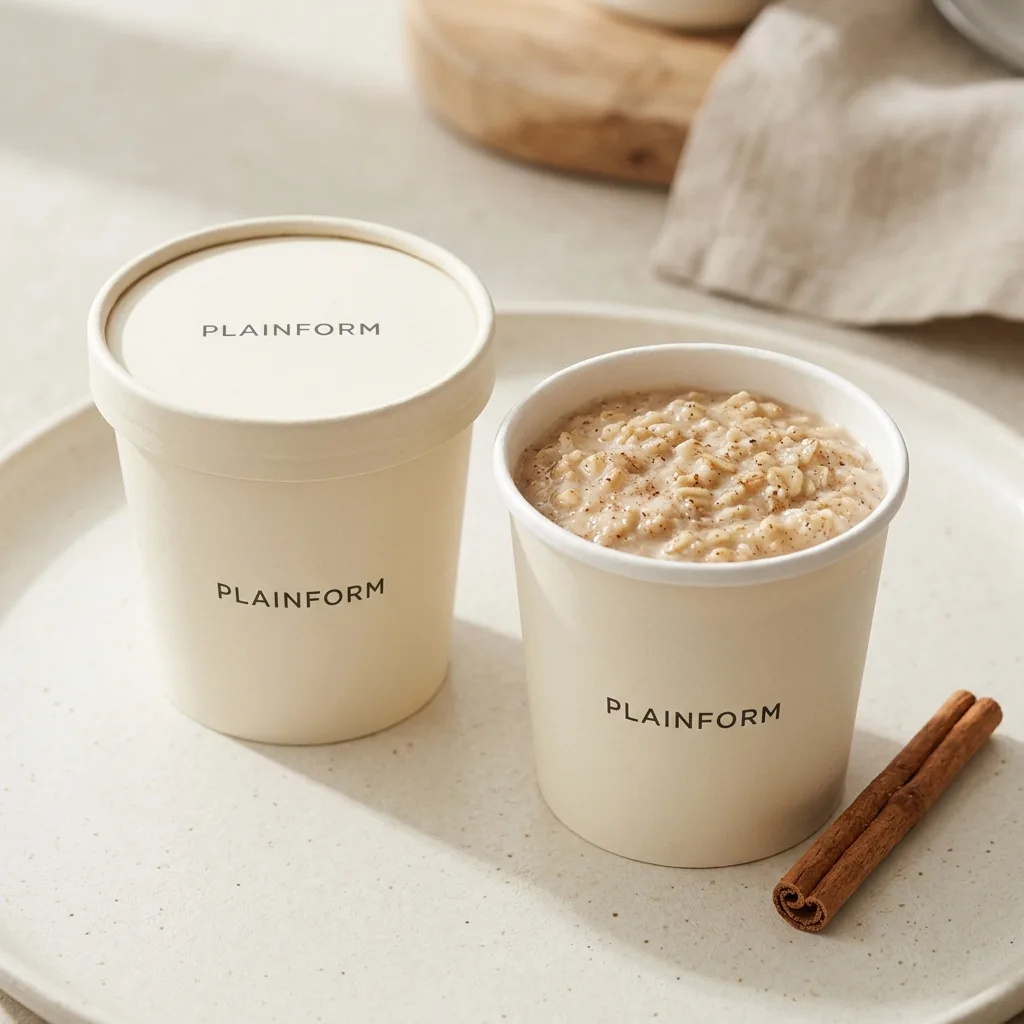
The existing oatmeal cup sample illustrates a packaged breakfast label, not one of the homemade dishes above. Its figures and CAD price are illustrative and belong only to that record. No prepared meals or component packages are introduced by this shelf.
Dawnjar Sample
20g protein250 cal
8.0g protein / 100 cal
per serving · 1 cup (65g)
$23.99$4.00 / serving
Preview collection · sample records with illustrative figures · prices in CAD. Ordering opens at launch.
Count the containers, freezer space and ingredients you already have before buying extra components. Compare CAD package cost using the stated serving basis, not an assumed finished-meal yield. Pick dishes that share ingredients without sharing identical textures, and keep a tested recipe’s instructions available for each cooking task.
Choose protein-rich ingredients, grains, vegetables and sauces that can become several meals. Start with dishes you already know how to cook, then organise preparation around your equipment and available time. Ask a registered dietitian about personal needs.
Cooked chicken, tofu, lentils, chickpeas and beans work in many make-ahead formats. Select the texture and cooking method you prefer, and follow ingredient-specific reheating directions. Keep wet sauces separate where they would soften other components.
General guidance is a few days; freeze anything longer and follow food-safety guidance. This is not a guaranteed keeping period for every dish. Follow ingredient labels and tested cooling instructions; when in doubt, do not use it.
Many cooked components can be frozen in portions, but texture changes vary. Choose containers intended for freezing and follow the recipe’s cooling and thawing instructions. Fresh salad leaves and crunchy toppings are usually better added after reheating.
Egg muffins, yogurt overnight oats and buckwheat porridge with a protein-rich addition are useful starting ideas. Ingredients and portions determine the finished dish, so read their labels separately. These outlines do not establish measured breakfast totals.
No; Dawnjar is a preview, and ordering opens at launch. These meal-prep ideas are editorial rather than prepared-meal listings. The oatmeal sample has illustrative figures and a CAD price, not a homemade recipe total.
Dawnjar preview pages use sample product records and illustrative nutrition figures. Ordering opens when real inventory and fulfillment are live. Nutrition information is general and informational only, not medical advice.