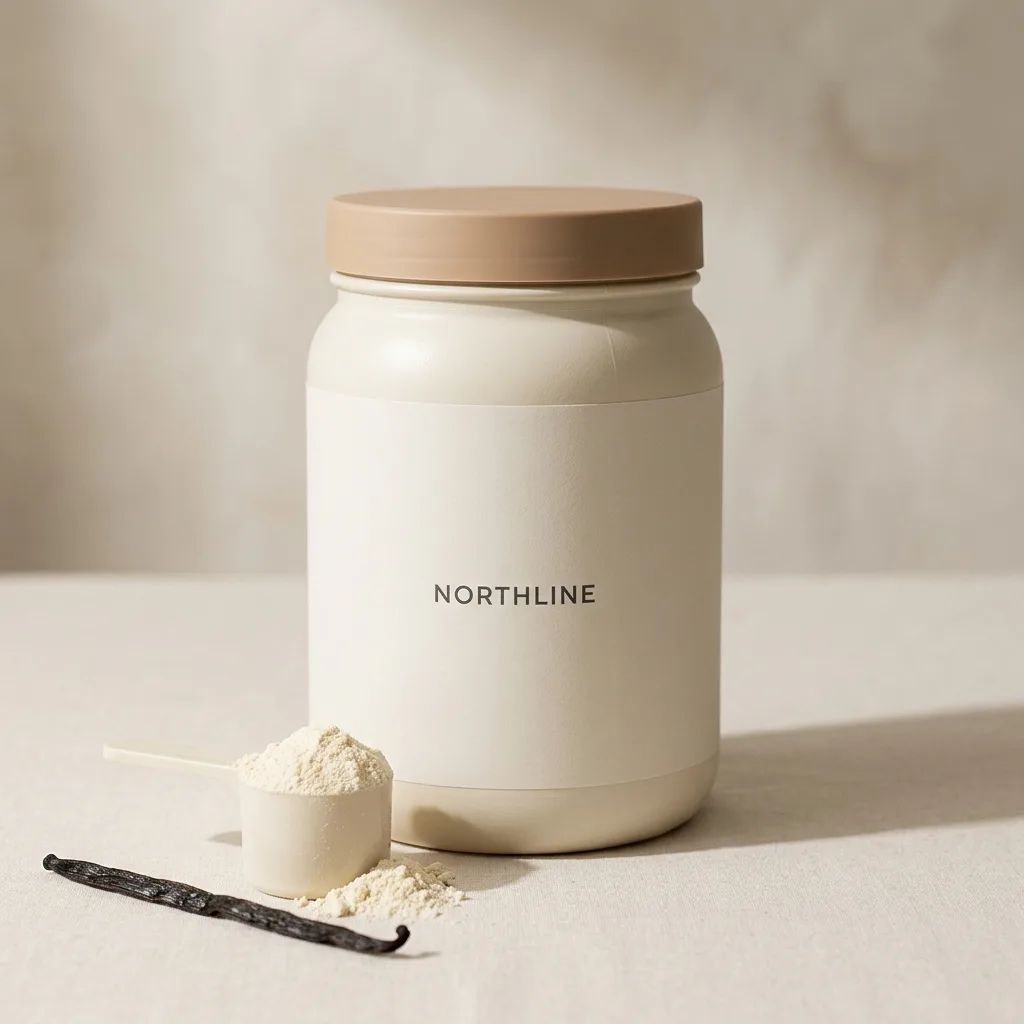
Dawnjar Sample
Whey Isolate — Vanilla Bean (2 lb)
25g protein110 cal
22.7g protein / 100 cal
per serving · 1 scoop (30g)
$59.99$2.00 / serving
Preview collection · Sample products · Prices in CAD
Dawnjar · Label guides
Complete and incomplete protein are terms about amino acid composition, not descriptions of flavour, package size or protein grams. They can help explain why different sources are discussed together, but they are not a ranking of meals or a prescription for personal needs. This guide separates the general vocabulary from the information actually printed on a package. Dawnjar is a preview with sample records, illustrative figures and prices in CAD; ordering opens at launch. The powder examples below show label formats, not laboratory verification of an amino acid profile.
In general usage, a complete protein contains all essential amino acids in useful proportions. Essential is part of that definition, not a statement that you need a particular powder. The term concerns the composition of the protein rather than the amount in the food. A small serving of a commonly described complete source can still have a different protein entry from a larger serving of another food.
Keep three questions separate: what source is present, how much protein the declared serving contains, and what information supports the composition description. A front-panel complete claim cannot answer all three. This page provides no amino acid scores, intake targets or personal recommendations. For individual questions, bring your usual food choices and any package information to a registered dietitian.
Eggs, milk, meat, fish, soy and quinoa are commonly described as complete sources. This is general food vocabulary, not a verified claim about every prepared food containing them. A soy drink may include several ingredients; a quinoa salad may contain only a small amount of quinoa. Read the finished recipe or package rather than assigning the source description to the whole preparation.
Incomplete usually describes a source with a less balanced essential amino acid pattern when considered alone. Beans, grains, nuts and seeds are often discussed in this context, but those broad categories contain different foods and preparations. The adjective is not a statement that a meal is unfinished. It also does not tell you the calories, protein grams or ingredients of a packaged snack.
Beans with rice, lentils with bread, and chickpeas with grain salads are familiar combinations of different plant sources. Combining across the day is a common general explanation rather than a requirement to pair ingredients at every meal. This guide does not calculate proportions or judge an individual eating pattern. Ask a registered dietitian for personal advice, especially when deciding how these terms apply to your own meals.
Whey, soy and pea-containing blends identify different ingredient sources. Whey and soy are commonly discussed as complete proteins; a pea blend needs its own ingredient and composition information. A mixture can include rice or other sources, but the word blend alone does not reveal quantities. Read the ingredient order and any amino acid information actually supplied instead of importing a profile from another product.
Collagen is not a complete protein. Its total protein entry should not be used as an amino acid profile, and plant products described alongside collagen need their own source explanation. The linked vegan collagen guide discusses that terminology without benefit claims. Powder flavour, scoop shape and price cannot establish completeness; none of the preview examples is presented here as an independently verified profile.
The Nutrition Facts table shows protein grams per serving, not amino acid quality. Health Canada explains that it lists calories plus 12 nutrients per serving and that serving size "isn’t a recommendation of how much to eat". Use the table to read the declared portion, keeping its gram or volume basis visible. It does not supply the missing composition details.
For nutrients that have a daily value entry, the reading aid is: % DV: 5% DV or less is a little, 15% DV or more is a lot. That aid is not a completeness test. Separate the printed protein amount from a source description, and keep a prepared shake distinct from powder-only figures when adding milk, fruit or another ingredient.
“Complete protein” receives about 720 searches a month in Canada, per Semrush data pulled October 2026. “Incomplete protein foods” receives about 720 searches a month in Canada, per Semrush data pulled October 2026. These phrases address definitions, food examples and package wording; a search term itself does not verify a product description.
“Complete proteins” receives about 390 searches a month in Canada, per Semrush data pulled October 2026. “What is a complete protein” receives about 260 searches a month in Canada, per Semrush data pulled October 2026. Use the question to identify what evidence is missing, not to replace a label with a popular explanation.
Source names — Identify each named protein ingredient, distinguishing the source from flavourings and texture ingredients.
Declared portion — Record protein grams with serving weight; a scoop and a prepared glass are different units.
Composition evidence — Look for an actual amino acid profile if supplied; do not invent one from the protein entry.
Allergen wording — Milk, eggs, soy, peanuts and tree nuts are priority allergens. Read the ingredient list, any Contains statement and precautionary wording.
Prepared recipe — Additional ingredients have separate tables; powder figures do not describe a whole smoothie.
The existing whey isolate and plant blend are separate powder-format references. Their recorded servings and comparison figures illustrate the reading process, not tested completeness. No collagen product or new single-source powder is introduced here. All sample figures and CAD prices remain illustrative.
Dawnjar Sample
25g protein110 cal
22.7g protein / 100 cal
per serving · 1 scoop (30g)
$59.99$2.00 / serving
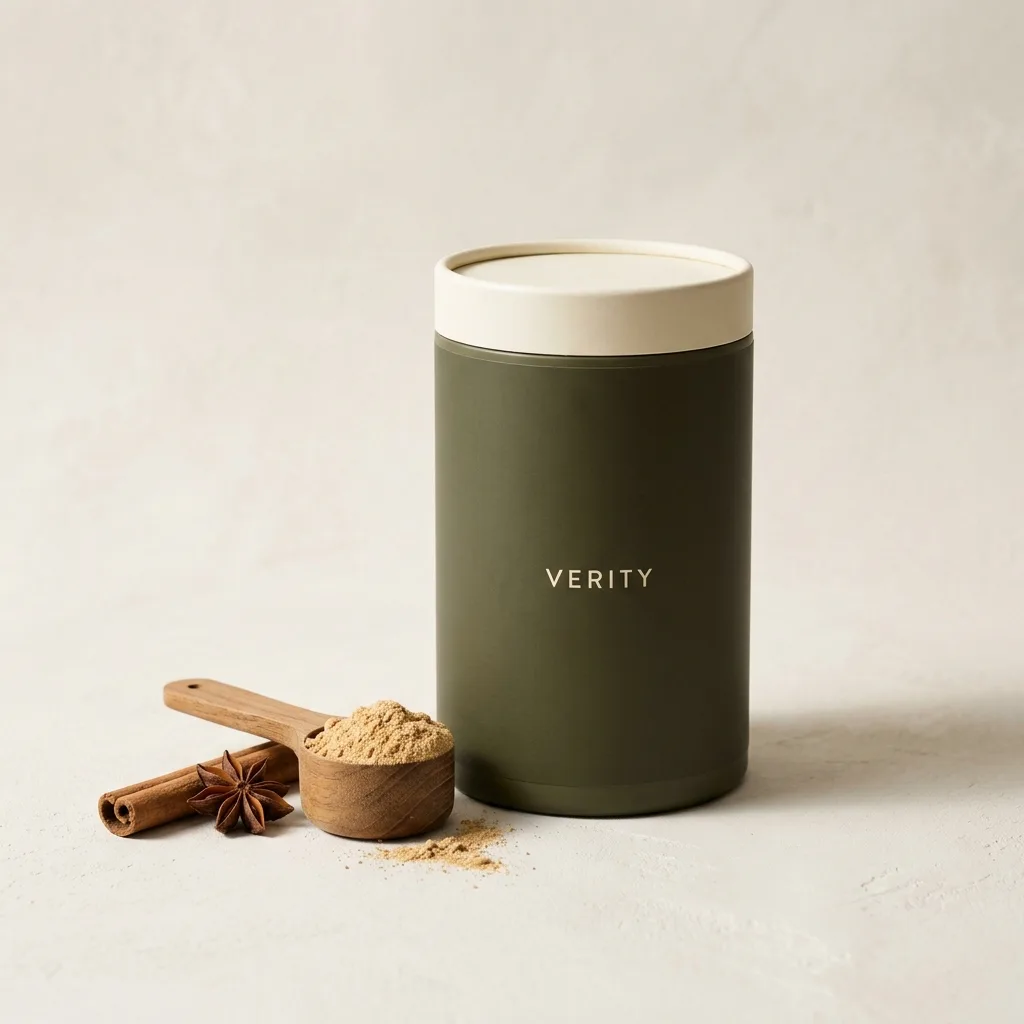
Dawnjar Sample
24g protein130 cal
18.5g protein / 100 cal
per serving · 1 scoop (34g)
$54.99$2.29 / serving
Preview collection · sample records with illustrative figures · prices in CAD. Ordering opens at launch.
Before buying a powder elsewhere, decide whether your question is about ingredients, serving amounts or composition. Request readable package information where a listing does not show it. For personal protein needs, speak with a registered dietitian; this guide does not choose a daily amount or recommend a source for you.
A complete protein contains all essential amino acids in useful proportions. This is a general composition definition, not an intake target. Check source information separately from serving amounts.
Beans, grains, nuts and seeds are commonly discussed as incomplete sources when considered individually. The term does not describe their entire recipe or label. Different preparations still need separate comparisons.
Combining across the day is common general guidance; ask a registered dietitian for personal advice. This page does not prescribe pairings or assess an individual pattern.
Read the particular product’s source and amino acid information rather than assuming every pea formula is identical. A blend may include other sources. Protein grams alone cannot establish the profile.
No; it shows grams per serving, not amino acid quality. Read any additional composition information separately from the Nutrition Facts table.
Not yet; Dawnjar is a preview and ordering opens at launch. Powder samples have illustrative figures and CAD prices. They are not currently orderable.
Dawnjar preview pages use sample product records and illustrative nutrition figures. Ordering opens when real inventory and fulfillment are live. Nutrition information is general and informational only, not medical advice.