Dawnjar Sample
Peanut Butter Cookie Dough Bar
22g protein230 cal
9.6g protein / 100 cal
per serving · 1 bar (68g)
$43.99$3.67 / serving
Preview collection · Sample products · Prices in CAD
Dawnjar · Protein pantry
Organic peanut butter is a label-reading topic before it is a texture preference. The organic statement, the peanut ingredients and the instructions after opening answer different questions. Some jars separate into oil and a dense peanut layer; others are formulated to stay easier to spread. This guide explains how to compare those details without treating organic wording as a nutrition ranking. Dawnjar is a preview: sample records use illustrative figures and prices in CAD, and ordering opens at launch. The shelf contains a separate bar reference, not peanut butter inventory.
Under CFIA guidance, only products with organic content of 95% or more may be labelled “organic” or bear the organic logo. Read the statement on the actual jar rather than assuming that an earth-toned label, a simple ingredient list or the word natural means organic. This guide explains the claim; it does not certify any jar or assign organic status to a Dawnjar sample.
In this comparison, natural describes the familiar peanut butter style where oil can separate. The upper oil layer and firmer peanut paste need recombining according to the jar directions. Stir through the bottom as well as the top so the first spoonful and the last are more consistent. Leave room to stir and use a utensil that reaches the corners.
No-stir versions can include added oils to keep a more uniform spreadable texture. Read the named oils rather than assuming every version uses the same recipe. Neither the absence of an oil layer nor its presence tells you the jar’s protein amount. Smooth and crunchy are separate choices again: chopped peanut pieces change the eating texture, not the meaning of organic wording.
Find the serving weight in the Nutrition Facts table before comparing spoons. A heaped spoonful and a level measure are not interchangeable measurements. Read protein, sugars and sodium for the stated portion, then inspect salt and any sweetening ingredients. Health Canada says serving size “isn't a recommendation of how much to eat”; here it is the basis for understanding the printed figures.
“Low in sugar” means 5 g or less of sugars per reference amount and serving, and per 50 g if the reference amount is 30 g or less. This is claim wording, not a conclusion about an unspecified jar. A short ingredient list does not replace the table, and organic wording does not determine whether that separate claim applies.
Peanuts are priority allergens and must be identified by common name on pre-packaged food labels. Read the jar’s ingredients, any Contains statement and precautionary wording. Check those details again when changing to a flavoured spread or another size with a different label. Do not borrow the declarations from a photograph of another flavour.
Natural kinds often direct refrigeration after opening; follow the exact jar rather than applying that instruction to every spread. Read whether stirring is recommended before chilling and expect texture to change with temperature. Keep the lid and rim clean, close the jar as directed and avoid carrying crumbs from another food into it.
A printed date and an instruction for an opened jar answer different questions. Keep the opening instructions available if you move the spread to another container. Follow the maker’s guidance if separation or consistency changes are unclear. This article supplies no fixed keeping period and does not guarantee a jar’s condition from its appearance.
Divide the jar price in CAD by its declared servings to compare a labelled portion cost. Retain net weight beside that calculation: a low jar price may simply describe a smaller jar. Crunchy pieces, added ingredients and serving weights can make two spoon-based descriptions less comparable than they first appear.
For no-bake balls, mix the spread thoroughly before measuring so separated oil does not change the binder from one batch to the next. Add oats or other dry ingredients gradually and check whether the mixture holds its shape. In bars, a softer spread may need a different dry-to-wet balance; use a recipe designed for that style rather than changing several ingredients at once.
“Organic pb” receives about 720 searches a month in Canada, per Semrush data pulled October 2026. That interest does not identify one standard formula. The linked ball and bar methods cover shaping and binding; powdered peanut butter is another format with its own preparation directions, not a direct spoon-for-spoon substitute.
Serving basis — Find the declared portion and its weight. Keep that basis beside protein, sugars, fat and fibre rather than comparing differently sized servings as if they matched.
Full ingredient list — Read the base, flavouring, coating or additions together. A front-panel description cannot supply the details missing from the reverse panel.
Allergen wording — Read ingredients, any Contains statement and precautionary wording. Priority allergens must be identified by common name on pre-packaged food labels.
Directions and cost — Keep preparation and storage instructions with the exact package. Divide CAD package cost by its declared portions; compare like quantities and note any missing information.
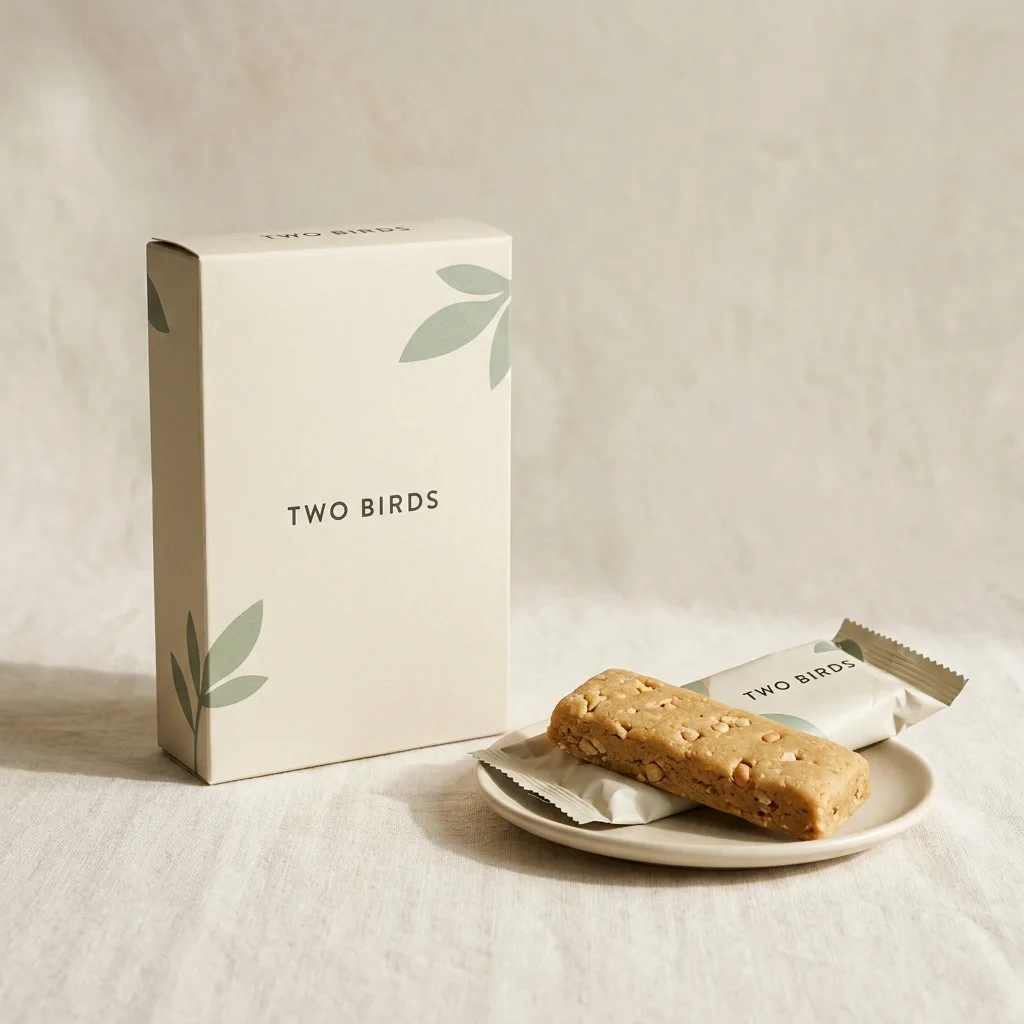
The existing peanut-butter-flavoured bar is a separate label-layout reference. It is not a jar of peanut butter, an organic product claim or evidence for the composition of any spread discussed here. Its figures and CAD price are illustrative only.
Dawnjar Sample
22g protein230 cal
9.6g protein / 100 cal
per serving · 1 bar (68g)
$43.99$3.67 / serving
Preview collection · sample records with illustrative figures · prices in CAD. Ordering opens at launch.
Before buying a jar elsewhere, obtain the ingredient panel, serving weight, opening instructions and actual package price. Decide whether you want a stir-style texture or a no-stir spread, then compare the relevant labels. Keep unanswered questions visible instead of inferring certification or nutrition from the packaging design.
The organic claim depends on organic content and the applicable label rules. CFIA allows “organic” wording or the organic logo only with organic content of 95% or more. Read the exact jar’s statement; this guide certifies nothing.
Oil can separate from the peanut paste in this style of spread. Stir according to the jar directions, including the dense material at the bottom. Separation does not disclose its nutrition figures.
Follow the storage directions on the jar. Natural versions often direct refrigeration after opening. Keep the instructions with the spread rather than adopting a universal keeping period.
Not necessarily; compare protein per serving on the labels. Match the serving weights before comparing figures. Organic wording does not supply a protein amount.
It is a spread formulated to stay more uniformly mixed. Added oils can help create that texture. Read the full ingredients rather than assuming all no-stir jars have the same recipe.
Not yet; Dawnjar is a preview and ordering opens at launch. This page introduces no peanut butter record. The separate bar sample has illustrative figures and a CAD price.
Dawnjar preview pages use sample product records and illustrative nutrition figures. Ordering opens when real inventory and fulfillment are live. Nutrition information is general and informational only, not medical advice.