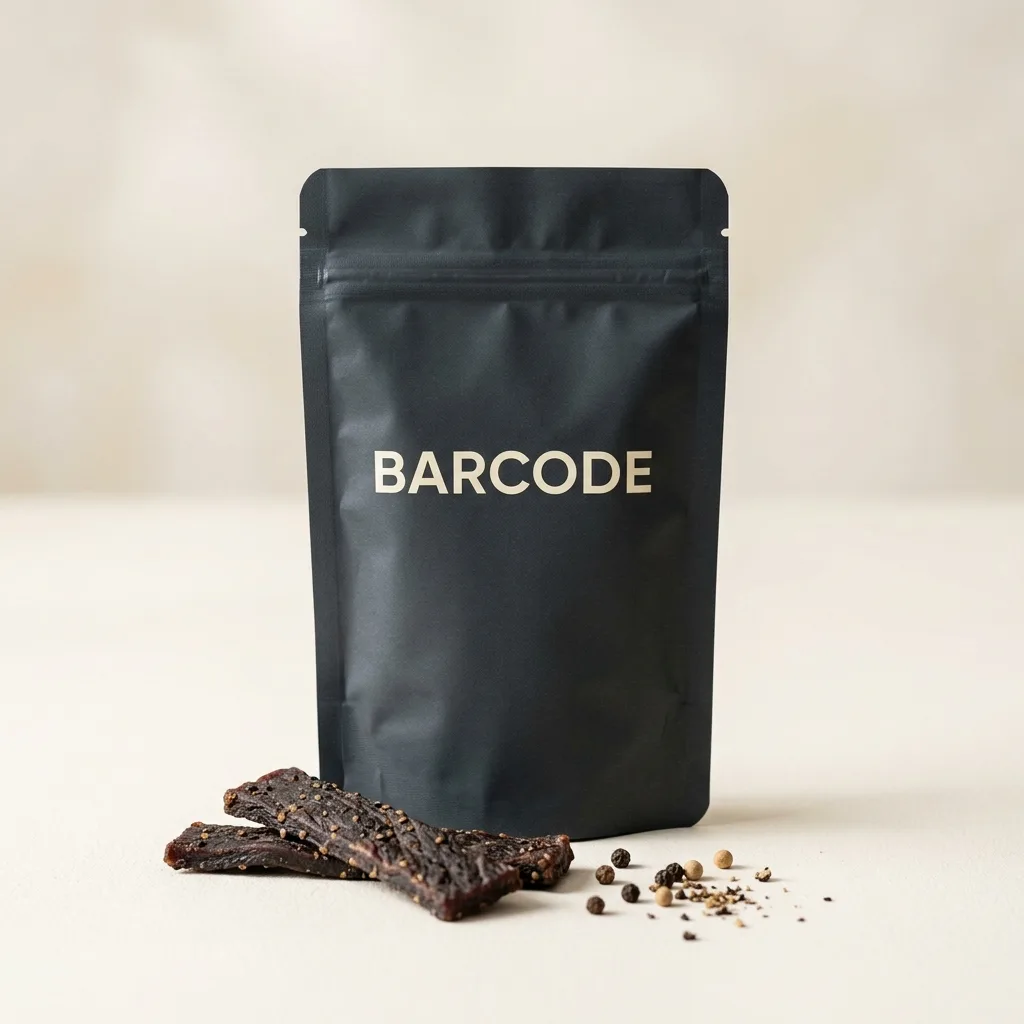
Dawnjar Sample
Beef Jerky — Black Pepper
15g protein80 cal
18.8g protein / 100 cal
per serving · 1 pack (40g)
$27.99$4.67 / serving
Preview collection · Sample products · Prices in CAD
Shop by category
Sorted by protein per 100 calories by default. Switch the sort to compare price per serving.
5 sample products
Dawnjar Sample
15g protein80 cal
18.8g protein / 100 cal
per serving · 1 pack (40g)
$27.99$4.67 / serving
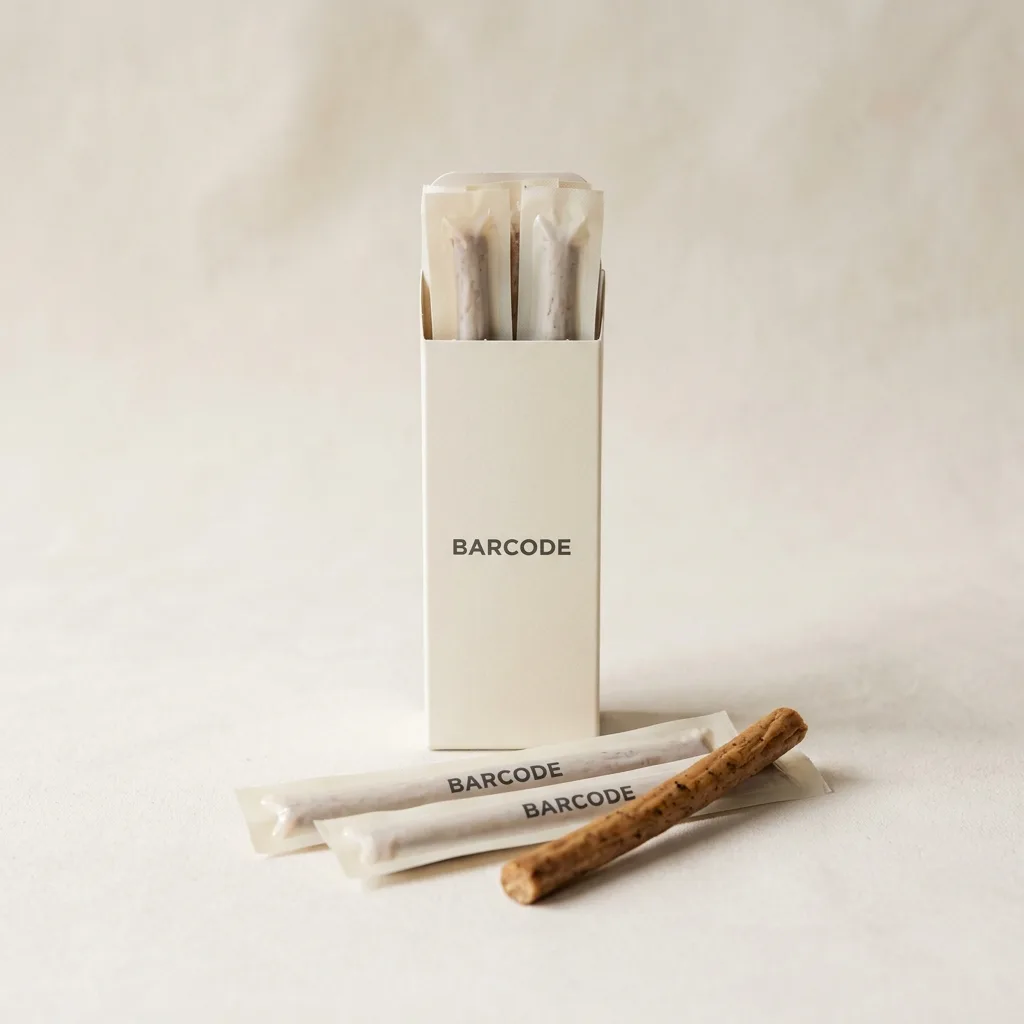
Dawnjar Sample
11g protein60 cal
18.3g protein / 100 cal
per serving · 1 stick (28g)
$24.99$2.50 / serving
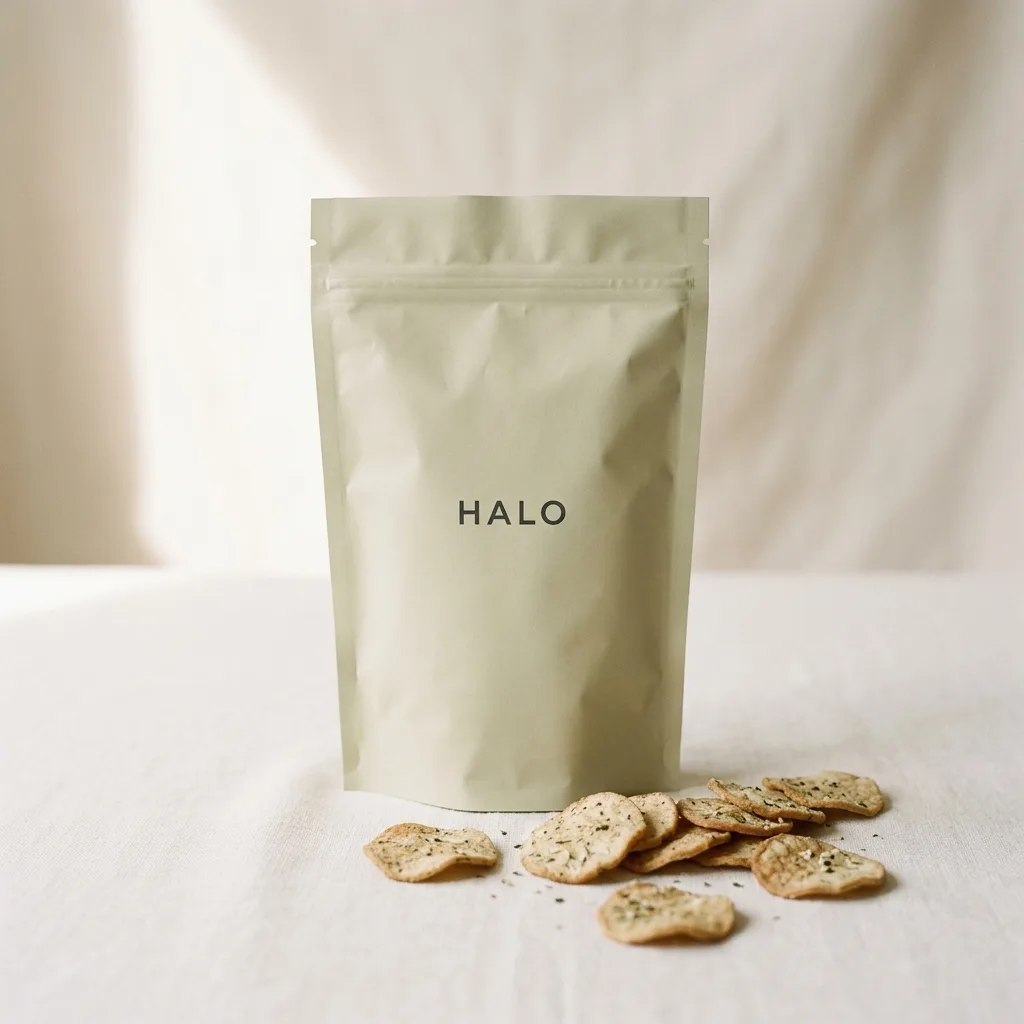
Dawnjar Sample
18g protein140 cal
12.9g protein / 100 cal
per serving · 1 bag (32g)
$26.99$3.37 / serving
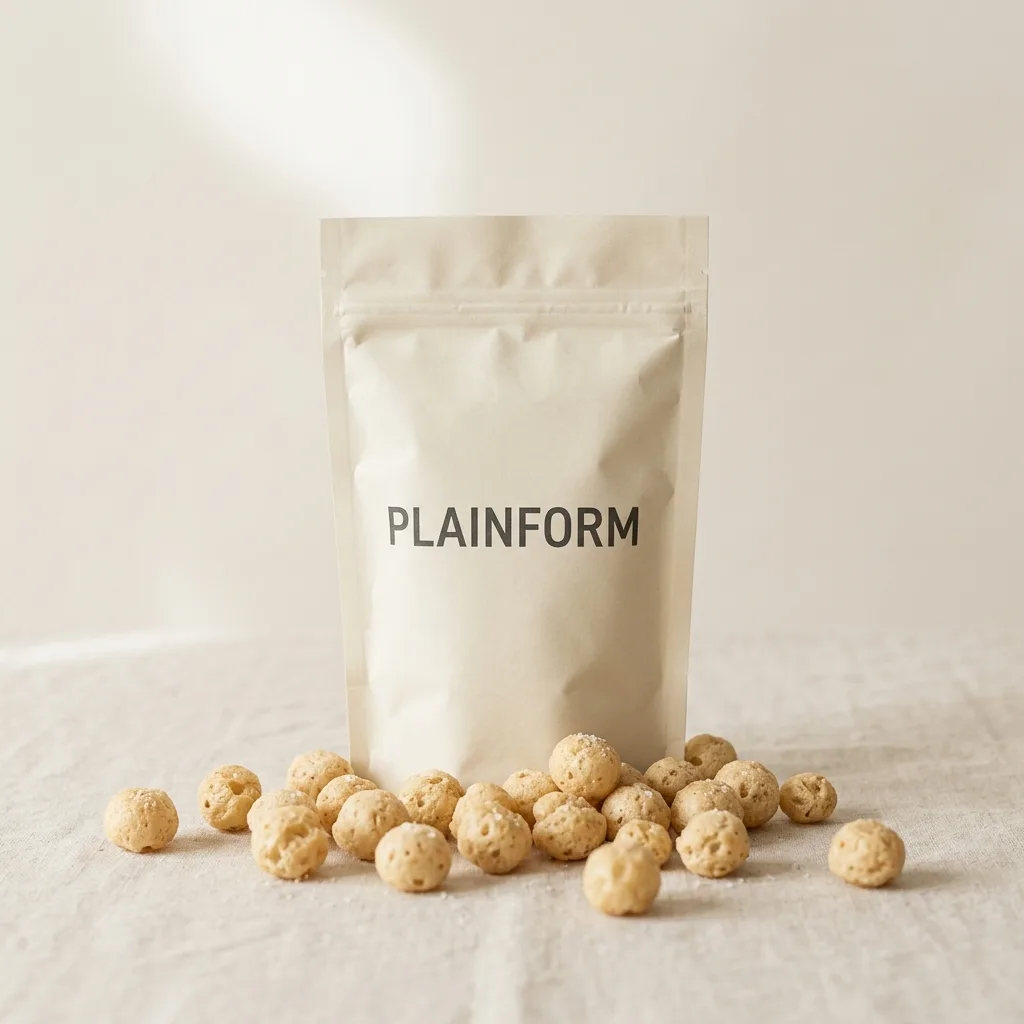
Dawnjar Sample
15g protein120 cal
12.5g protein / 100 cal
per serving · 1 bag (28g)
$21.99$3.66 / serving
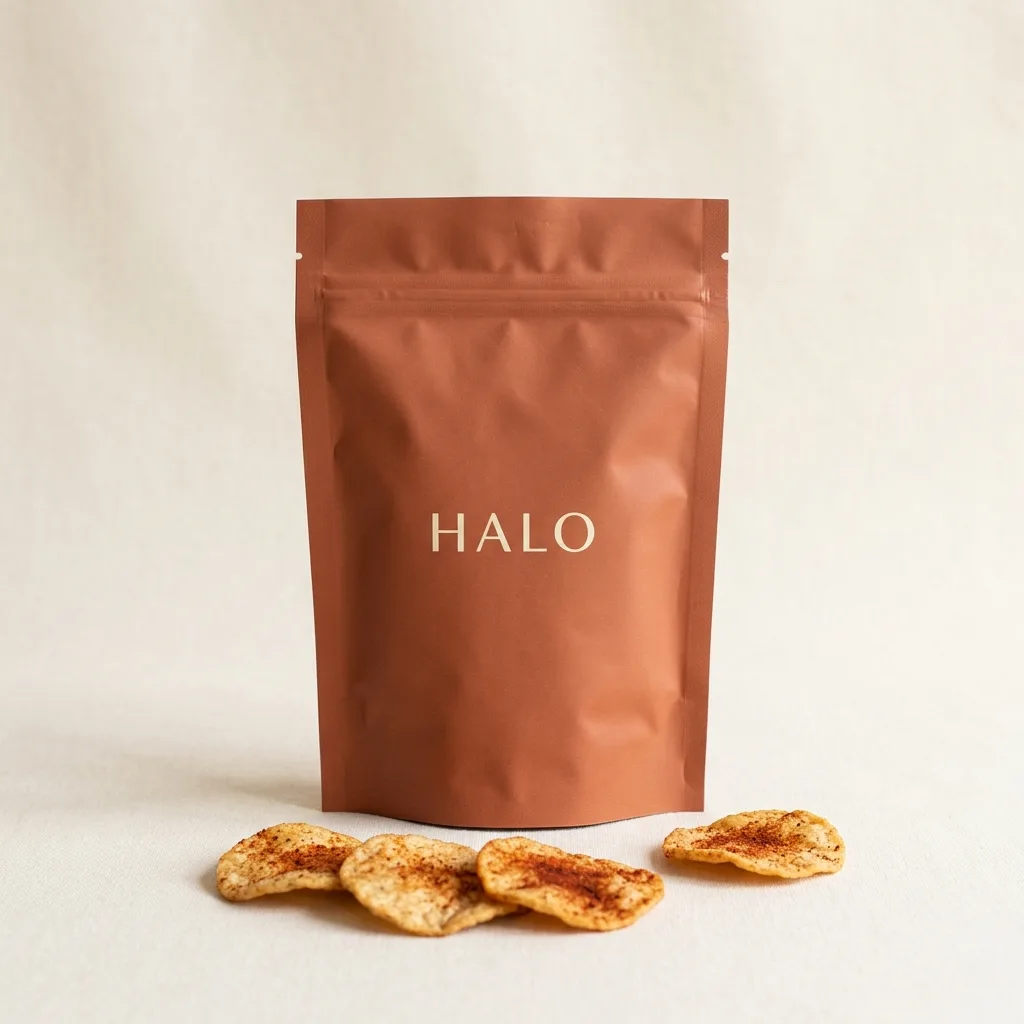
Dawnjar Sample
18g protein150 cal
12.0g protein / 100 cal
per serving · 1 bag (32g)
$26.99$3.37 / serving
Preview collection · Sample products with illustrative nutrition figures. Ordering opens at launch. Nutrition information is general and informational only, not medical advice.
This collection brings together two protein chip samples, puffed bites, beef jerky and chicken sticks. The first decision is the kind of bite you want, not a single winning number. Chips and puffs provide repeated small pieces and a dry crunch; jerky and sticks offer a closer, chewy texture. Compare formats within those groups before comparing across them. A bag of airy pieces may look larger than a meat-snack pack without weighing more or containing more protein. The sample cards give a common numerical basis when the packaging shapes make visual comparisons unreliable.
Crunchy formats — Chip-shaped pieces and puffed bites differ in thickness, shape and how they break. Seasoning is part of the recipe, so compare the recorded figures for each flavour instead of treating every savoury bag as the same snack.
Chewy formats — Jerky pieces and chicken sticks are not automatically equivalent portions. One pack can contain several pieces or sticks. Read the serving description before comparing a stick with an entire bag of crunchy snacks.
Put sodium on the same portion basis before deciding which figure is smaller. A table for part of a bag cannot be compared directly with a table for a whole pack. First identify how much you would actually portion, then scale the label figures consistently. If you are comparing by weight, use the same weight for both snacks; if you are comparing a single eating portion, use each portion's stated size and acknowledge that the weights differ. That distinction prevents a small serving from appearing lower simply because less food was counted.
Flavour changes the comparison — Seasoning recipes differ, including within one snack format. Do not carry a sodium figure from one flavour to another. Use the entry for the exact flavour and package you are considering.
Keep sodium separate from the protein ranking — Protein per 100 calories answers a different question from sodium per serving. A higher position in the protein sort does not describe the sodium content. Read both figures rather than making the sort do two jobs.
For jerky, establish whether the protein line covers the entire pack or only a portion of the pieces. For chicken sticks, check whether a serving means one stick or more than one. Then read the ingredient list, including any curing ingredients exactly as listed, rather than relying on front-of-pack descriptions. These details explain the recipe without turning a meat snack into a claim about health. Sodium belongs beside the serving size because drying, seasoning and different portion weights can make pack-to-pack comparisons misleading. For meat-snack allergens, refer to the package label. The beef jerky and chicken stick records here are examples for comparing those formats, not current stock or verified labels for products available to order.
Choose a mix of shelf-stable formats only after checking each package's storage directions. A crunchy option and a chewy option give different textures without requiring a drawer full of near-identical flavours. Keep the best-before dates visible and place earlier dates where you will notice them. Decide whether you prefer individually portioned sticks, a bag you finish at once or a pack you divide, then check the serving count before comparing CAD price per serving. Reclosable packaging does not by itself establish how long an opened product keeps; follow the package guidance. Preserve the label when transferring portions to another container so you can still identify the serving and ingredients. In this preview, the records and figures are illustrative, and ordering opens at launch.
Compare the current cards in the protein-per-calorie sort. Meat snacks often rank higher on this measure, but check each record rather than assigning a result to an entire format. These are illustrative sample figures.
Read the package storage directions for the exact snack, including any instructions after opening. Do not infer storage requirements from the words chips or jerky.
Only if those are the portions you intend to compare. Check whether each label describes one stick, several sticks, part of a bag or the whole bag, then use the matching protein and sodium figures.
Orders are not open for this savoury preview. Its sample records carry illustrative figures and CAD prices; ordering starts at launch.