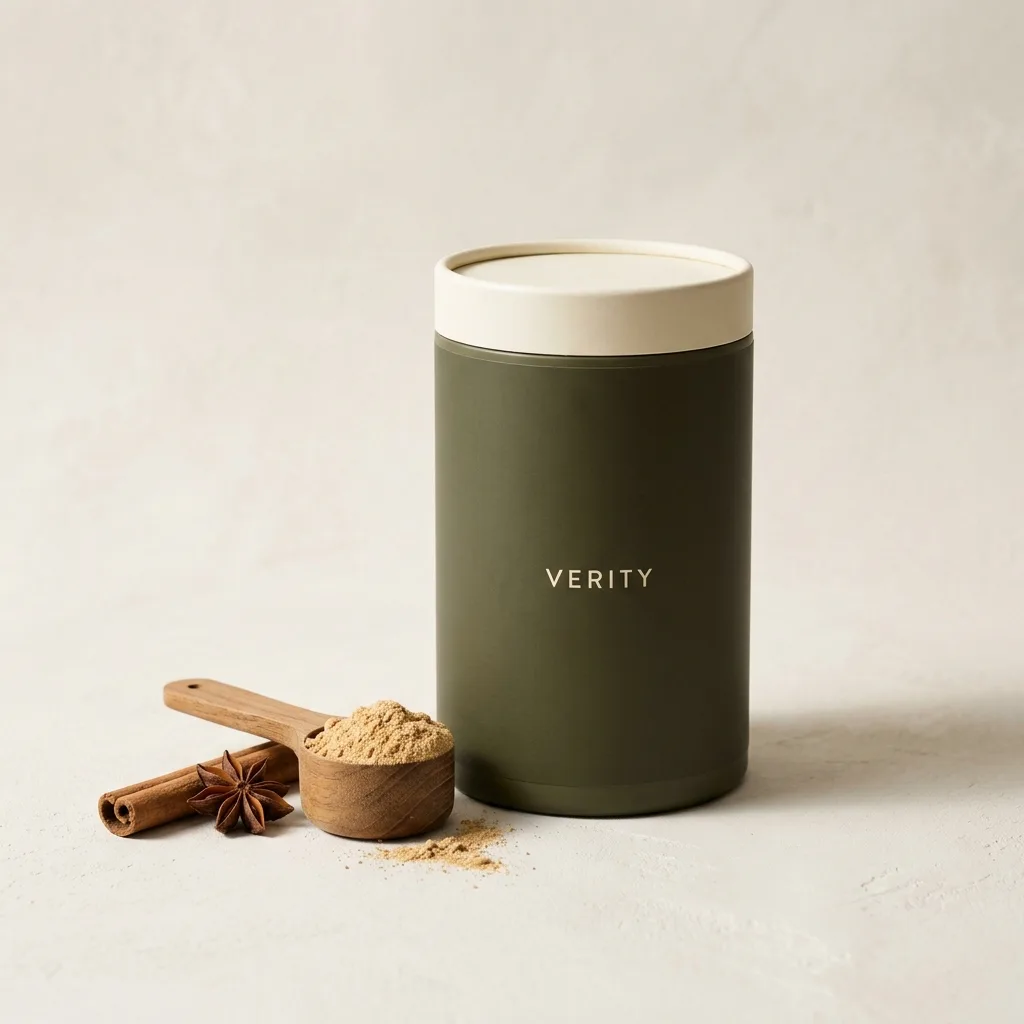
Dawnjar Sample
Plant Protein Blend — Vanilla Chai (1.8 lb)
24g protein130 cal
18.5g protein / 100 cal
per serving · 1 scoop (34g)
$54.99$2.29 / serving
Preview collection · Sample products · Prices in CAD
Dawnjar · Plant-based protein
Vegan protein foods get their protein from plants, such as peas, rice, soy, pumpkin seeds or chickpeas, instead of milk, eggs or meat. This guide covers plant-based protein powder for shakes, vegan protein bars and high-protein pasta, with what to check on the label to confirm a product is vegan. The products shown are sample records tagged vegan in Dawnjar's preview collection, with illustrative figures; ordering opens at launch.
Three sample records tagged vegan: a plant protein powder, a vegan protein bar and a chickpea penne. Protein per serving, calories and price per serving come straight from each record.
Dawnjar Sample
24g protein130 cal
18.5g protein / 100 cal
per serving · 1 scoop (34g)
$54.99$2.29 / serving
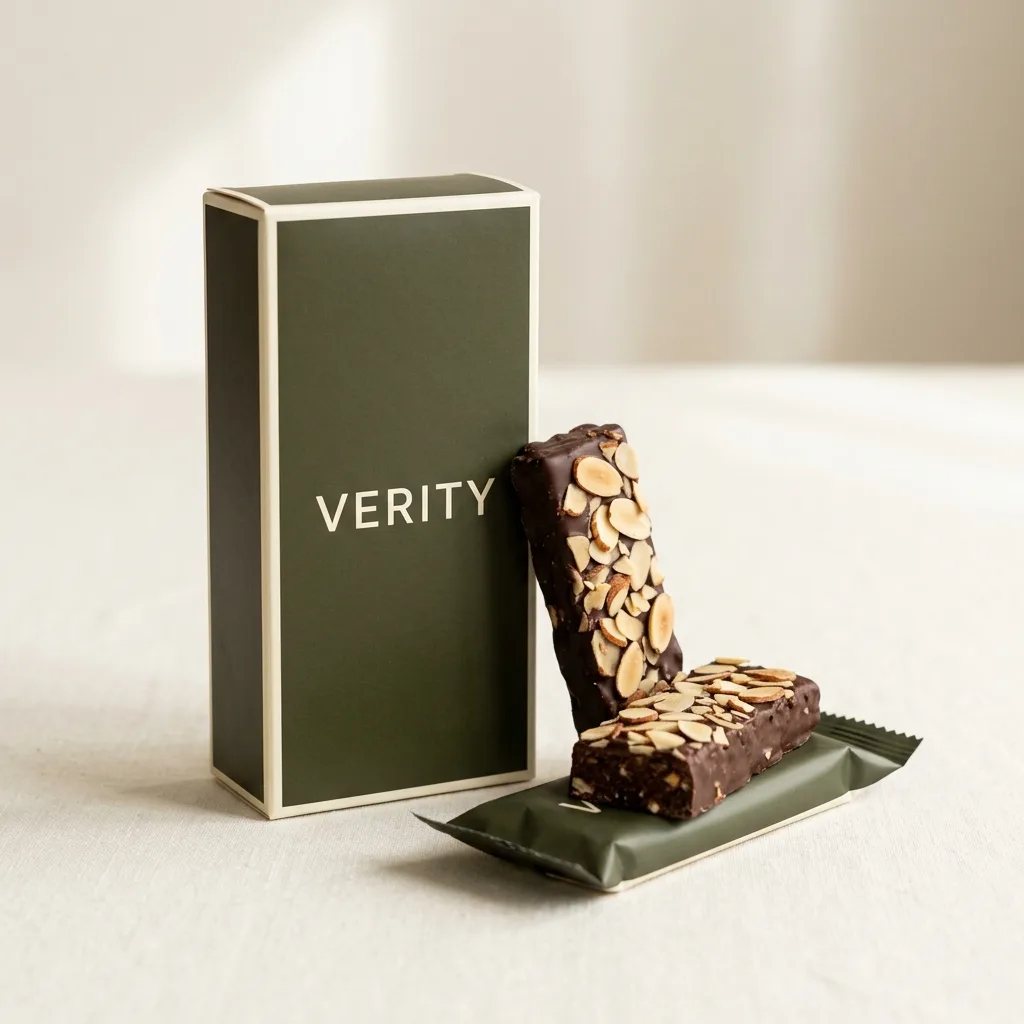
Dawnjar Sample
18g protein200 cal
9.0g protein / 100 cal
per serving · 1 bar (60g)
$37.99$3.17 / serving
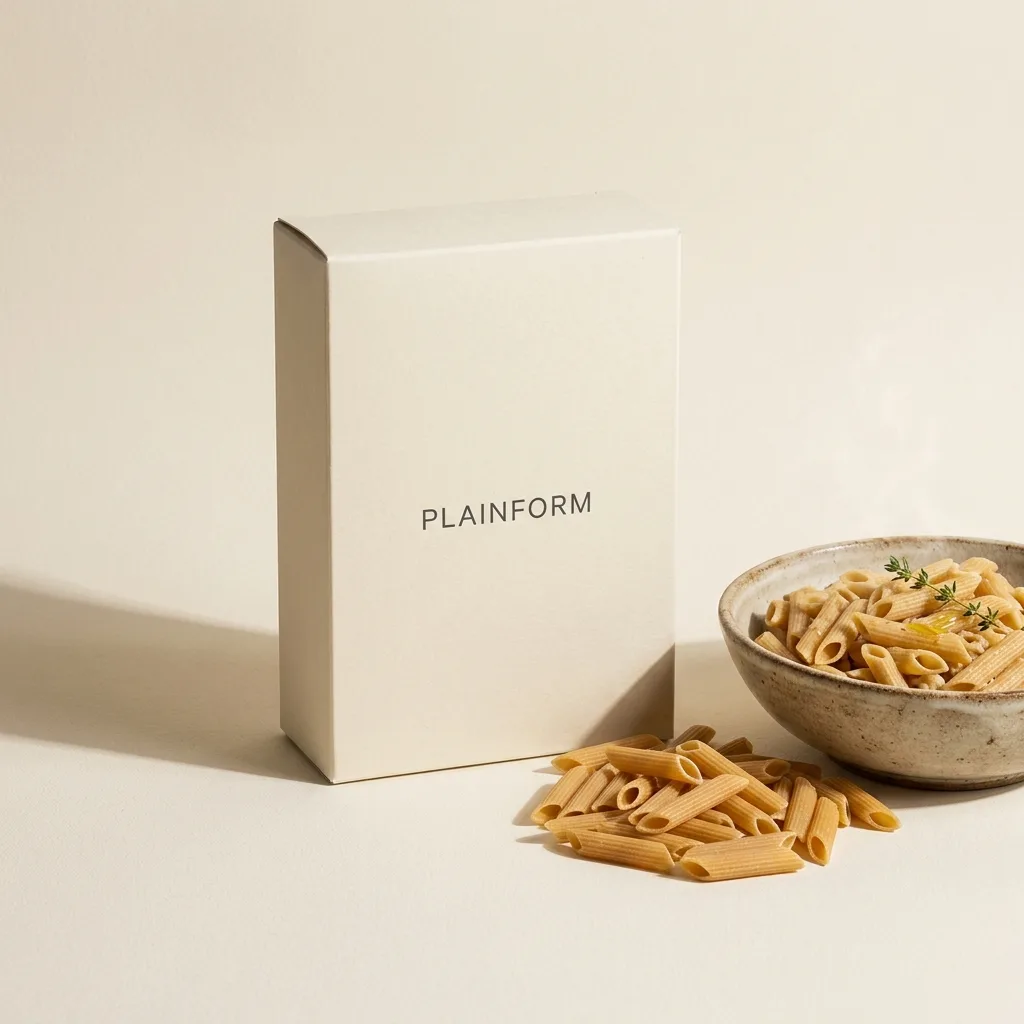
Dawnjar Sample
21g protein320 cal
6.6g protein / 100 cal
per serving · 85g dry
$8.99$2.25 / serving
Preview collection · sample records with illustrative figures · prices in CAD. Ordering opens at launch.
Pea protein — the most common base for plant powders and bars, with a mild, slightly earthy taste.
Brown rice protein — often blended with pea for a smoother texture.
Soy protein — used in powders, bars and crisps; soy is a priority allergen in Canada, so it's listed on the label.
Pumpkin, sunflower and hemp seed protein — used in blends for flavour and texture.
Chickpea and lentil flour — the base of most high-protein pastas and some snacks.
A plant-based protein shake is usually a scoop of plant protein powder mixed with water or a plant milk. Blends of two or more plant proteins tend to mix smoother than a single source, and a blender helps with texture. Compare protein per scoop and protein per 100 calories, because scoop sizes differ between powders. The plant protein powder in this preview is a sample record.
Plant-based bars usually use pea, rice or soy protein with nuts, seeds or dates. Compare protein per bar, sugar and fibre on the Nutrition Facts table, and check the allergen statement for nuts or soy. The protein bars Canada page compares bars more broadly.
Look for a vegan label — a certified vegan mark is the clearest signal.
Read the ingredient list — whey, casein, milk protein, egg, gelatin and honey are not vegan.
Understand "may contain" statements — they flag possible cross-contact with milk or eggs during manufacturing, not an ingredient.
Check the allergen statement — if you have an allergy, the label is the source of truth, not the product name.
Start with the plant ingredients actually named on the package. Pea, rice, soy and hemp are possible sources, and some powders combine several of them. A plant blend can be useful to compare with a single-source option, but the word blend does not reveal proportions unless the label supplies them. Write down the sources in the order and wording provided rather than turning a broad plant description into a pea-only or soy-only claim.
"Vegan protein powder" receives about 4,400 searches a month in Canada, per Semrush data pulled October 2026. "Vegan protein powder canada" receives about 320 searches a month in Canada, per Semrush data pulled October 2026. Those searches encompass source, flavour and shopping questions; they are not evidence that every powder shares a formula. Choose the label checks that address your own preparation, rather than treating search popularity as a product ranking.
Compare protein grams alongside the powder grams in the serving. Health Canada says serving size "isn't a recommendation of how much to eat". If two labels use different portions, put the figures on the same weight basis before comparing them. Do not replace either portion with a scoop from another tub. Protein per serving answers a measured-portion question, while texture and sweetness require reading the formula and directions separately.
The Nutrition Facts table lists calories plus 12 nutrients per serving. For nutrients with a daily value, the reading aid is: % DV: 5% DV or less is a little, 15% DV or more is a lot. Use those entries as written rather than interpreting the vegan name as a statement about sugars or fibre. A powder mixed with another drink has additions beyond its powder-only table, so identify which preparation the printed figures describe.
Soy is a priority allergen, and priority allergens must be identified by common name on pre-packaged food labels. Read the complete ingredient list, any Contains statement and precautionary wording that may appear. A pea headline cannot identify all ingredients in a plant blend or its flavouring system. If a listing lacks readable declarations, ask for the package information rather than making an allergen or dietary suitability judgement.
Read sweeteners and flavourings as part of the complete recipe. Unflavoured wording does not mean the protein ingredients have no taste; vanilla or chocolate wording does not quantify sweetness. Consider whether you plan to mix with water, a plant drink or fruit, because those choices change the finished texture. Follow the exact powder's directions first, then adjust liquid gradually where those directions allow.
For price, divide the CAD package price by its declared serving count and keep the serving weight next to that result. A tub with more servings can simply use a smaller defined portion. Compare powders on the same basis, and do not quietly include one drink's additions while excluding another's. Ingredient preferences and calculated portion cost are separate decisions; neither should substitute for the other.
Before buying elsewhere, check the exact flavour and package you have compared. Related versions can change their source blend, sweeteners or serving count. Keep unanswered questions written down so you can request specific details, not a general reassurance. Dawnjar's plant powder, bar and pasta remain separate illustrative sample records; a general buying checklist does not create new powder ingredients, verified claims or inventory for ordering before launch.
There isn't a single best source. Pea protein is the most common in powders and bars, and many products blend pea with rice, pumpkin or sunflower protein for taste and texture.
Many plant powders are in a similar range per scoop, but scoop sizes differ. Compare protein per scoop and protein per 100 calories, which Dawnjar shows on every card.
Look for a vegan label and read the ingredients: whey, casein, milk protein, egg, gelatin and honey are not vegan.
A vegan product has no dairy ingredients, but it can still carry a "may contain milk" statement because of shared equipment. If you have a milk allergy, check the allergen statement on the label.
Mix a scoop of plant protein powder with water or a plant milk in a shaker or blender. A blender gives the smoothest texture.
Not yet. The products on this page are preview sample records priced in CAD. Ordering opens at launch.
It can be a useful plant-based option; compare the label for the preparation you want. Read the protein source, serving size, ingredients and CAD portion price. A vegan description does not rank taste or protein amount.
Check the plant sources, protein per serving, serving weight, sweeteners and allergen wording. Soy is a priority allergen, and priority allergens must be identified by common name on pre-packaged food labels. Read the complete formula rather than relying on a plant headline.
It depends on the product; compare protein grams for the same powder weight. Scoops can differ in size, so a scoop-to-scoop comparison may compare unequal quantities. Keep preparation additions separate from powder-only figures.
Dawnjar preview pages use sample product records and illustrative nutrition figures. Ordering opens when real inventory and fulfillment are live. Nutrition information is general and informational only, not medical advice.