Dawnjar Sample
Protein Pancake Mix
24g protein260 cal
9.2g protein / 100 cal
per serving · 70g dry mix
$24.99$2.50 / serving
Preview collection · Sample products · Prices in CAD
Dawnjar · High-protein recipes
Pizza can start with Greek yogurt dough or a cottage cheese and egg base, then use chicken, beans or tofu as toppings. These method outlines explain texture and label comparisons without invented nutrition totals. Dawnjar is a preview: sample records have illustrative figures and CAD prices, and ordering opens at launch.
A two-ingredient-style dough starts with Greek yogurt and self-raising flour. If you use plain flour, include baking powder according to a suitable dough recipe; plain flour and yogurt alone are not the same formula. Yogurt thickness and flour absorption vary, so these are adaptable method outlines rather than tested quantities. Keep raw flour dough for cooking, not tasting.
Ingredients: Greek yogurt, self-raising flour or plain flour with baking powder; optional seasoning.
Press the centre evenly, use a thin sauce layer and drain wet toppings. Pause before stretching resistant dough instead of tearing it.
Blended cottage cheese and eggs make a batter-style base rather than a stretchy dough. Its moisture and texture depend on the cheese and the chosen recipe. Use a lined tray and spread evenly so the centre sets with the edges. Do not treat browning alone as evidence that an egg-based mixture is cooked.
Ingredients: Cottage cheese, eggs, dried herbs, optional grated cheese.
Expect a tender base. Support slices with a spatula and follow the recipe when changing pan size or thickness.
In baking, high-protein flour commonly means bread flour with more gluten-forming protein than a lower-protein flour. Hydration and mixing allow that protein to form gluten, contributing structure and chew. It is a flour-performance description, not a nutrition calculation for the finished pizza. Greek yogurt, cheese, sauce and toppings all change the complete recipe.
Bread flour can make a chewier dough, but it is not automatically interchangeable with self-raising flour in a yogurt method. Check whether the recipe requires a raising agent and keep the specified flour type when first trying it. Here, high protein describes pizza built around protein-rich ingredients, not measured recipe totals. Ask a registered dietitian about personal needs.
“high protein pizza” receives about 210 searches a month in Canada, per Semrush data pulled October 2026.
“high protein pizza dough” receives about 170 searches a month in Canada, per Semrush data pulled October 2026.
“high protein pizza crust” receives about 140 searches a month in Canada, per Semrush data pulled October 2026.
Fully cooked chicken works with tomato sauce and roasted peppers. Turkey pepperoni-style slices bring their own ingredient and sodium entries; read the actual packet rather than assuming they match another meat topping. Eggs need a method that cooks them fully, not a quick warming step. Prepared white beans can be lightly mashed with herbs and scattered across the sauce.
Tofu crumbles can be seasoned and cooked separately before adding. Drain them and other moist toppings so the centre is not waterlogged. Extra cheese changes texture as well as the ingredient list, and it should be included in any finished-recipe calculation. Start with a few complementary toppings instead of building a thick layer that makes slicing difficult.
Ingredients: Cooked white beans, firm tofu, tomato sauce, dried oregano, grated cheese if desired.
Read whether a serving is a fraction of the pizza or a stated weight. Compare protein at that same portion before considering the whole pizza. Crust thickness, topping distribution and package size can differ, so equal-looking slices are not necessarily equal servings. A frozen pizza’s table does not describe the homemade bases above.
For sodium and other nutrients with a daily value, Health Canada says % DV: 5% DV or less is a little, 15% DV or more is a lot. Serving size "isn’t a recommendation of how much to eat". If you add cheese or meat to a frozen pizza, keep those additions separate from the original package figures.
Follow the package’s frozen or thawed baking instructions, not another crust’s method. Compare CAD cost on a matching portion basis.
Wheat can appear in flour dough, milk in yogurt and cottage cheese, and eggs in the batter-style crust. Priority allergens must be identified by common name on pre-packaged food labels. Check sauces, prepared meats, cheese and tofu separately, including Contains statements and precautionary wording. A flour-free recipe outline does not establish a finished product’s allergen status.
Portion basis — Match the labelled pizza fraction and weight before comparing protein or sodium.
Complete ingredients — Count sauce, cheese, meat and optional additions separately from the base.
Preparation state — Check frozen, thawed or prepared wording and follow the appropriate instructions.
Flour identity — Distinguish bread flour from self-raising flour and any required baking powder.
Refrigerate prepared ingredients and cooked leftovers according to appropriate handling guidance and their labels. Keep raw dough separate from ready-to-eat toppings. Freeze portions only using a suitable recipe and container method; label what you prepared. Reheat thoroughly using guidance appropriate to the crust and toppings, and do not use a questionable portion. This guide guarantees no keeping period.
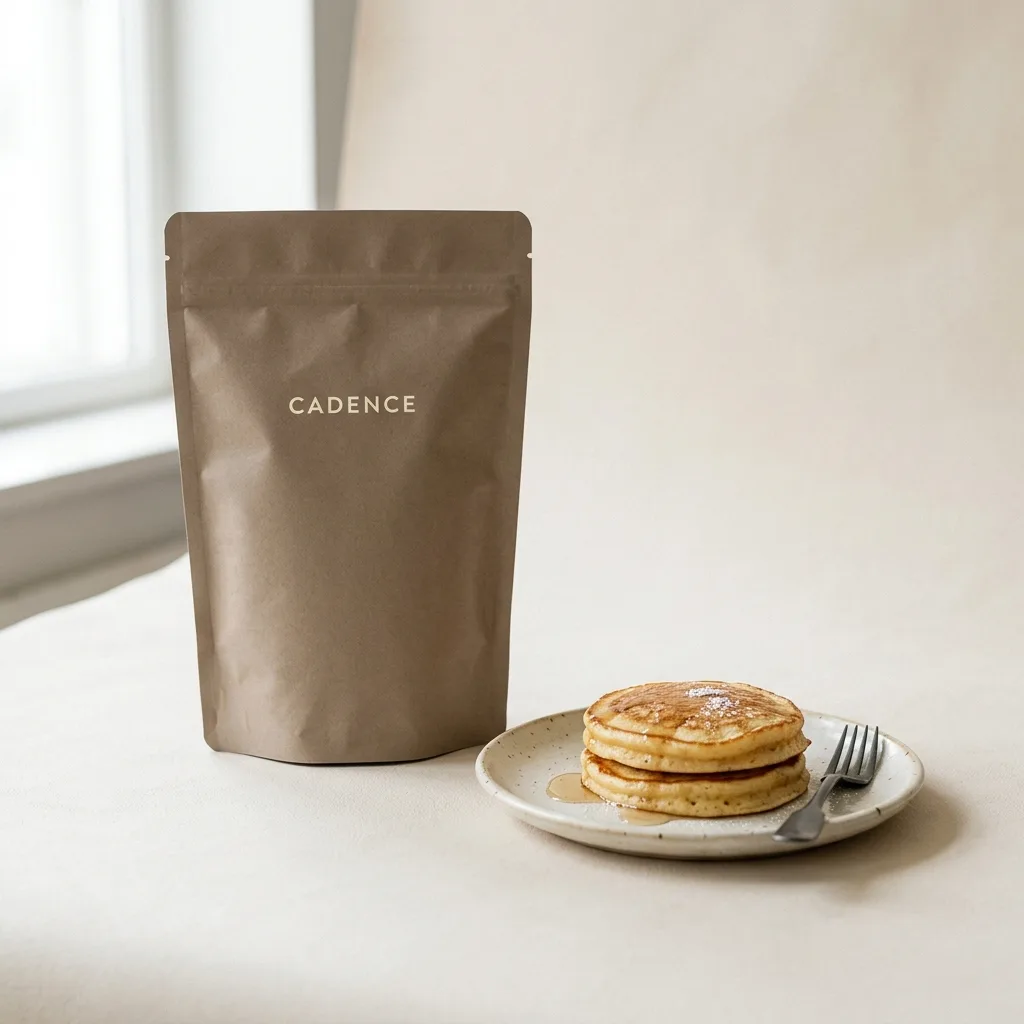
The existing pancake-mix sample below is a separate dry-mix label reference, not pizza dough or a pizza crust ingredient recommendation. Its figures and CAD price are illustrative. No prepared pizza or crust records are introduced, and the homemade methods do not use this sample.
Dawnjar Sample
24g protein260 cal
9.2g protein / 100 cal
per serving · 70g dry mix
$24.99$2.50 / serving
Preview collection · sample records with illustrative figures · prices in CAD. Ordering opens at launch.
Choose between a stretchable flour dough and a tender egg-based crust before gathering ingredients. Check the recipe’s tray, flour and raising-agent requirements, then choose toppings that will not overwhelm the base. For packaged pizza, read the full table and baking directions instead of relying on the front name.
Build it around yogurt, cottage cheese, eggs, cooked chicken, beans, tofu or cheese. Check ingredient labels rather than assuming a recipe total. Portion and topping choices change the finished pizza.
Mix Greek yogurt with self-raising flour, or use plain flour and the recipe’s baking powder. Add ingredients gradually and shape an even base. Follow a suitable dough recipe for quantities and baking instructions.
It usually means bread flour with more protein, which forms more gluten for chewier dough. This describes flour performance rather than a finished pizza’s nutrition. Check raising-agent requirements before substituting it for self-raising flour.
Yes; blend cottage cheese with eggs and follow a suitable crust recipe. Spread the batter evenly and cook the egg mixture fully before finishing with toppings. Expect a tender base rather than a stretchy dough.
Try cooked chicken, turkey pepperoni-style slices, fully cooked eggs, white beans, tofu crumbles or cheese. Read prepared topping labels and drain excess moisture. These are ingredient ideas, not measured nutrition claims.
Not yet; Dawnjar is a preview, and ordering opens at launch. The shelf shows a separate dry-mix sample, not pizza or crust. Its figures and CAD price are illustrative.
Dawnjar preview pages use sample product records and illustrative nutrition figures. Ordering opens when real inventory and fulfillment are live. Nutrition information is general and informational only, not medical advice.