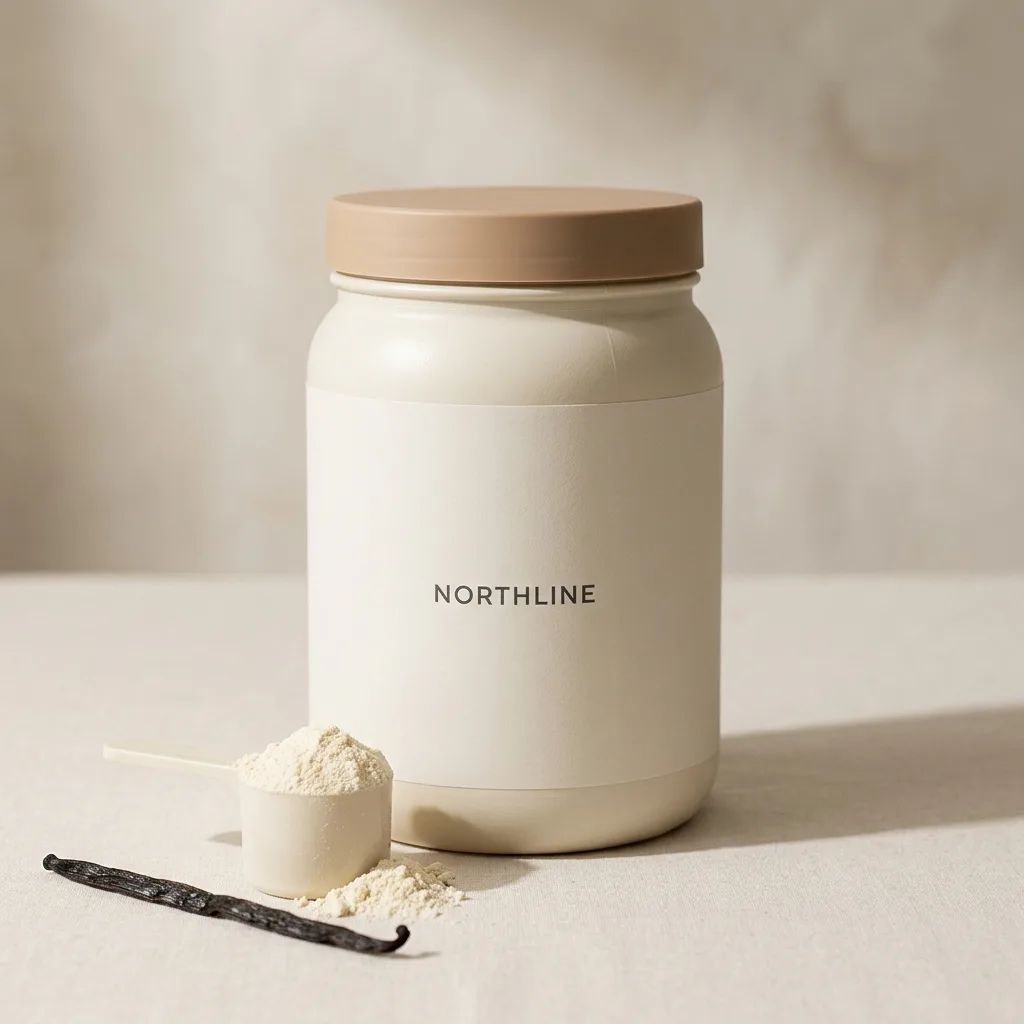
Dawnjar Sample
Whey Isolate — Vanilla Bean (2 lb)
25g protein110 cal
22.7g protein / 100 cal
per serving · 1 scoop (30g)
$59.99$2.00 / serving
Preview collection · Sample products · Prices in CAD
Dawnjar · High-protein recipes
Bone broth is a long-simmered stock made from bones, water and optional vegetables. These adjustable methods cover a pot, slow cooker or pressure cooker without assigning nutrition figures to homemade broth. Dawnjar is a preview: sample records have illustrative figures and prices in CAD, and ordering opens at launch.
Bone-based preparation and extended cooking distinguish this from a quick vegetable broth. Chicken carcasses and beef joints produce different flavours; roasting adds colour without establishing nutrition. Choose bones intended for cooking, and keep them chilled according to their handling directions before starting. This is a kitchen method, separate from dehydrated broth powder.
“Bone broth” receives about 12,100 searches a month in Canada, per Semrush data pulled October 2026. “What is a bone broth” receives about 480 searches a month in Canada, per Semrush data pulled October 2026.
Ingredients — For an adjustable pot: about 1 kg beef or chicken bones; cold water to cover; a small splash of vinegar; 1 onion, quartered; 1 carrot and 1 celery stalk, chopped; 1 bay leaf. Salt is optional and can wait until the broth is finished.
Water quantity changes concentration. Vinegar is optional flavouring, not a promised extraction aid. Avoid overfilling.
Ingredients — Use the prepared bones, vegetables and water from the ingredient list. Have a ladle and additional hot water available.
A rolling boil can make broth cloudy and evaporate water quickly. Keep checking even with a lid slightly ajar.
Transfer roasted bones and vegetables to the cooker, add water within its fill limit and follow the manual’s cooking settings. A low simmer over 12–24 hours is the intended method where the appliance permits it. Keep the lid in place except for necessary checks. Plan for prompt straining and chilling.
Use the same flavour ingredients but follow your manual for the liquid amount, fill limit, cooking duration and pressure release. Pressure cooking is shorter than the long stovetop method; this guide does not substitute a universal setting for model-specific instructions. Bones must not obstruct the valve area. Once pressure has released as directed, open the cooker carefully and strain.
Lift out large bones with tongs, then pour the broth through a fine sieve into heat-resistant containers. Discard the cooked solids rather than pressing small bone fragments through the sieve. Divide the liquid into shallow portions for prompt cooling and refrigerate; do not leave a large pot at room temperature. Once cold, a fat cap may form and can be lifted off if you prefer. Gelled broth is a normal texture possibility, not a nutrient score.
For freezing, use suitable containers with expansion space and label the contents and preparation date. Thaw in the refrigerator rather than on the counter, and reheat according to appropriate food-handling guidance. This page gives no guaranteed keeping period. If handling or storage is uncertain, do not use the broth; freezing does not correct earlier mishandling.
Check whether the serving describes ready-to-use broth, concentrate or a product diluted as directed. Compare protein and sodium on that same basis. For sodium, % DV: 5% DV or less is a little, 15% DV or more is a lot. Taste and darkness cannot substitute for the table. Homemade broth has no package analysis, so figures from a carton cannot be assigned to this pot.
Celery is not on Canada’s priority allergen list, but it is still an ingredient to identify in this recipe. Added sauces, seasoning blends or prepared stock can introduce soy or wheat; read each package’s declarations and precautionary wording. Soy and wheat are priority allergens. Bone or animal-source wording does not describe every added component, and this guide makes no suitability assurance.
Serving basis — Read the stated portion and whether the figures describe the food as packaged or after preparation. Keep that basis beside every comparison.
Nutrition entries — Use the Nutrition Facts table for protein, calories and the other declared nutrients; do not infer figures from a flavour name.
Allergen wording — Read the full ingredients, any Contains statement and precautionary wording. Priority allergens must be identified by common name on pre-packaged food labels.
Preparation and storage — Check instructions for the actual package and any added ingredients. A dry ingredient date does not define the keeping period of a finished recipe.
The existing whey and plant powder samples demonstrate how Dawnjar displays package servings. Neither is a bone broth record, and neither supplies figures for this recipe. The CAD prices and nutrition entries are illustrative references only.
Dawnjar Sample
25g protein110 cal
22.7g protein / 100 cal
per serving · 1 scoop (30g)
$59.99$2.00 / serving
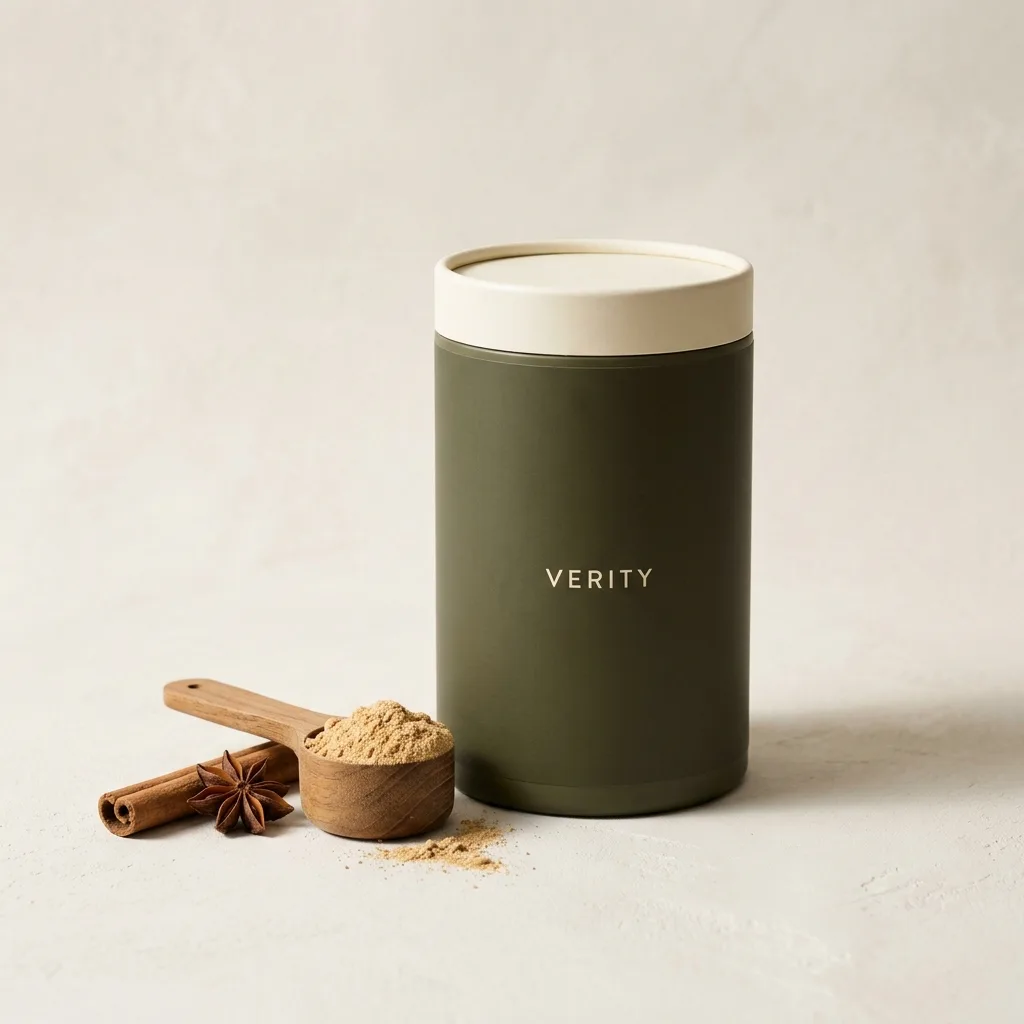
Dawnjar Sample
24g protein130 cal
18.5g protein / 100 cal
per serving · 1 scoop (34g)
$54.99$2.29 / serving
Preview collection · sample records with illustrative figures · prices in CAD. Ordering opens at launch.
Before buying bones or packaged broth elsewhere, decide whether you want a cooking ingredient or a ready-to-use liquid. Check handling directions, the package date and the full ingredients. For a concentrate, include its preparation instructions in the comparison.
It is a long-simmered stock made from bones, water and optional vegetables. Roasting changes the flavour and colour. The name does not establish nutrition figures.
The stovetop method here uses a gentle 12–24-hour simmer with regular checks. Never leave a lit stove unattended. Appliance timing must follow the manual.
Bone selection, water quantity and cooking concentration can affect whether chilled broth gels. A liquid result is not a nutrition measurement. Judge storage and handling separately from texture.
Yes; follow its fill limits, settings and handling instructions. The intended method is a gentle extended simmer where the appliance permits it. Strain and chill promptly after cooking.
There is no guaranteed keeping period in this guide. Chill promptly, use suitable containers and follow appropriate food-handling guidance. If its handling history is uncertain, do not use it.
No; Dawnjar is a preview and ordering opens at launch. The shelf shows separate whey and plant powder references. Their illustrative figures do not describe homemade broth.
Dawnjar preview pages use sample product records and illustrative nutrition figures. Ordering opens when real inventory and fulfillment are live. Nutrition information is general and informational only, not medical advice.