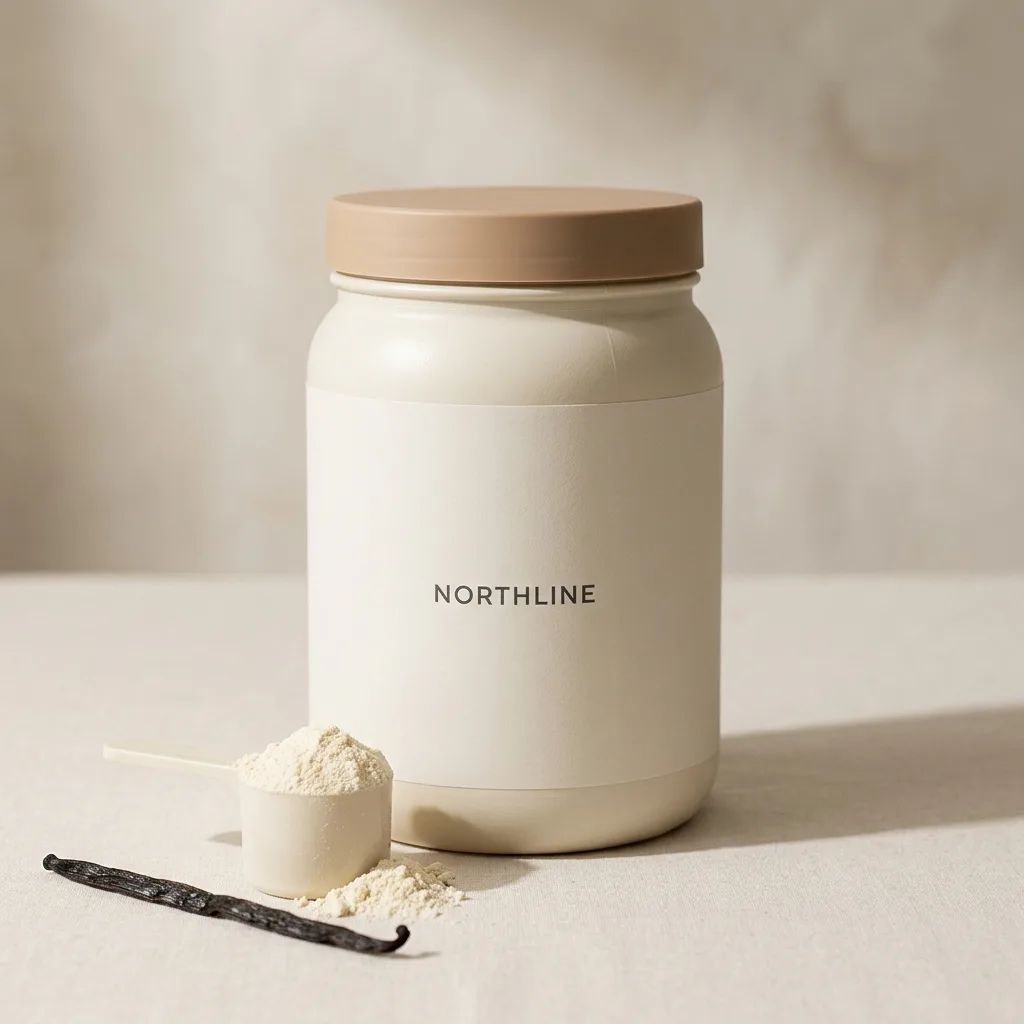
Dawnjar Sample
Whey Isolate — Vanilla Bean (2 lb)
25g protein110 cal
22.7g protein / 100 cal
per serving · 1 scoop (30g)
$59.99$2.00 / serving
Preview collection · Sample products · Prices in CAD
Dawnjar · High-protein recipes
A soup can centre lentils, beans, chicken or tofu without becoming a complicated project. These six ingredient-and-method outlines cover chunky, blended and creamy bowls. Check package labels rather than borrowing nutrition figures from another recipe. Dawnjar is a preview: sample records have illustrative figures and CAD prices, and ordering opens at launch.
Start with the texture you want: whole beans and shredded chicken keep a soup chunky, while blended lentils or white beans create a smoother base. Tofu cubes and edamame suit clear broths. Eggs can be streamed into simmering soup using a suitable cooked-egg method. Greek yogurt is a finishing ingredient rather than something to boil vigorously. Here, high protein means building around protein-rich foods, not measured recipe totals; ask a registered dietitian about personal needs.
If your powder directions allow cooking uses, disperse unflavoured powder in a little cooled liquid and whisk it in off the heat. Start with a small addition because source and formula affect taste and thickness.
“high protein soup” receives about 480 searches a month in Canada, per Semrush data pulled October 2026.
“high protein soup recipes” receives about 390 searches a month in Canada, per Semrush data pulled October 2026.
“high protein broccoli cheddar soup” receives about 210 searches a month in Canada, per Semrush data pulled October 2026.
Ingredients: Red lentils, onion, carrots, garlic, tomatoes, broth, cumin, lemon.
Ingredients: Cooked chicken, cooked white beans, carrots, onion, broth, thyme.
Ingredients: Broccoli, cooked white beans, onion, broth, milk, cheddar.
Ingredients: Tomatoes, onion, garlic, broth, Greek yogurt, cooked chickpeas, seasoning.
Ingredients: Peeled squash, red lentils, onion, broth, ginger, seasoning.
Ingredients: Miso paste, broth, tofu, edamame, mushrooms, spring onion.
Freeze soup in meal-sized portions using containers intended for freezing, leaving the container maker’s recommended space for expansion. Label the contents and preparation date. A bean or lentil base can be frozen separately from cheese, yogurt and crunchy toppings, letting you finish each portion after reheating.
Cool and refrigerate cooked soup according to food-handling guidance and ingredient instructions rather than leaving a large pot out. Plan refrigerated portions for a few days and freeze what you will not use soon; no keeping period is guaranteed here. Follow appropriate thawing and reheating guidance, heat thoroughly, and do not use a questionable portion.
Check whether a broth table describes concentrate, prepared broth or the liquid as packaged. Dilution changes the portion comparison, while adding a seasoning packet can change the finished soup again. Compare sodium at the same prepared volume and read the ingredient list alongside the numbers. Broth powder is a separate ingredient format, not evidence about the bowls above.
Milk can appear in cheese, yogurt or powder; soy can appear in tofu and miso; wheat can appear in broth and sauces. Priority allergens must be identified by common name on pre-packaged food labels. Read the complete Health Canada list rather than treating the examples here as exhaustive. Check broth, sauces, coatings and toppings separately; recipe names do not establish a finished product’s allergen status.
Read protein per serving alongside the serving weight and preparation state. Health Canada says serving size "isn’t a recommendation of how much to eat". A package table is not a nutrition calculation for a homemade dish. Keep broth, beans and finishing ingredients separate when recording their figures.
For nutrients with a daily value, use Health Canada’s reading aid: % DV: 5% DV or less is a little, 15% DV or more is a lot. Keep the portion basis consistent rather than comparing a dry ingredient with a finished meal.
Serving basis — Check dry, drained or prepared wording and the actual serving weight.
Complete ingredients — Include sauces, toppings and optional additions, not only the central food.
Allergen statements — Read the full ingredient list, Contains statement and precautionary wording.
Preparation directions — Keep cooking, cooling and storage instructions with the ingredient packages.
The existing flavoured powder reference below is not soup or an unflavoured cooking powder. It illustrates a packaged label format only, with illustrative figures and a CAD price. No soup records or recipe nutrition totals are introduced, and the recipes do not depend on using this sample.
Dawnjar Sample
25g protein110 cal
22.7g protein / 100 cal
per serving · 1 scoop (30g)
$59.99$2.00 / serving
Preview collection · sample records with illustrative figures · prices in CAD. Ordering opens at launch.
Choose a soup style before buying ingredients: whole-bean broth, blended vegetable base or a dairy-finished bowl. Check bean preparation state, broth dilution instructions and package sizes. Compare CAD cost on a matching portion basis and keep the topping ingredients in view. These are adaptable cooking outlines rather than tested quantities; use package directions for the specific ingredients you choose.
Add beans, lentils, tofu, cooked chicken, eggs or Greek yogurt according to the soup style. Cook ingredients as directed and add yogurt gently off the heat. Check their labels rather than assigning one figure to every bowl.
Soups built around lentils, beans, chicken or tofu are useful starting ideas. These recipes use high protein as a food-selection description, not a measured nutrition claim. Actual figures depend on ingredients and portions.
Yes, unflavoured powder whisked in off the heat works best. Check whether the powder’s instructions allow the intended preparation and disperse it in cooled liquid first. Formula differences can alter taste and texture.
Yes, many soup bases can be portioned and frozen; follow ingredient and container directions. Add yogurt, cheese and crisp toppings after reheating where practical. Freezing does not establish a guaranteed keeping period.
Blend cooked white beans, lentils or squash into the broth. These ingredients produce different textures, so add liquid gradually. Greek yogurt is another finishing option, with its own milk declaration.
Not yet; Dawnjar is a preview, and ordering opens at launch. The shelf contains an existing powder sample, not soup. Its figures and CAD price are illustrative.
Dawnjar preview pages use sample product records and illustrative nutrition figures. Ordering opens when real inventory and fulfillment are live. Nutrition information is general and informational only, not medical advice.