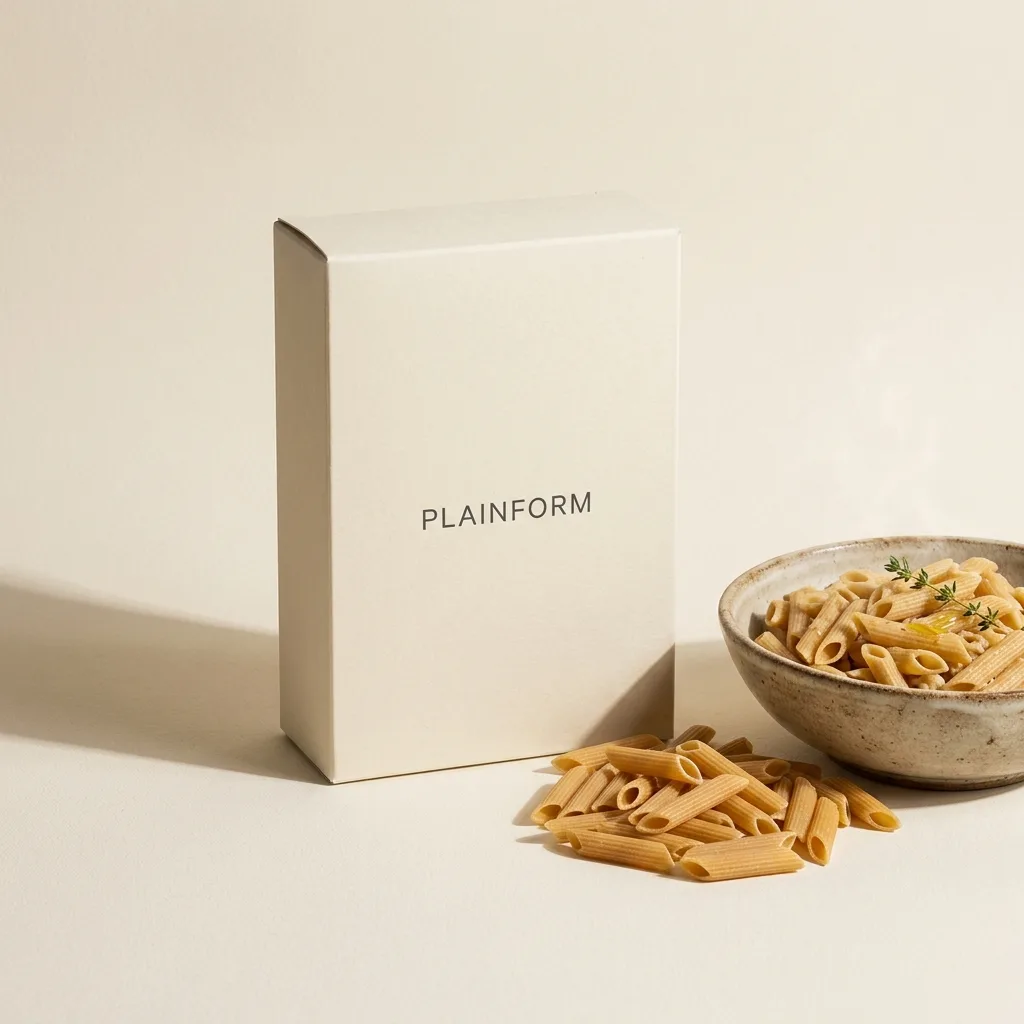
Dawnjar Sample
High-Protein Chickpea Penne
21g protein320 cal
6.6g protein / 100 cal
per serving · 85g dry
$8.99$2.25 / serving
Preview collection · Sample products · Prices in CAD
Dawnjar · High-protein recipes
This lentil salad combines firm cooked lentils, chickpeas, chopped vegetables and feta with a lemon–Dijon dressing. It is a practical starting recipe, not a tested nutrition formula: ingredient amounts can be adjusted for the texture and flavour you prefer. Protein depends on the ingredients and portions, so check their labels rather than assigning a fixed figure to the bowl. Dawnjar is a preview of sample records with illustrative figures and prices in CAD; ordering opens at launch. The separate pantry reference below is pasta, not lentils or prepared salad.
For a small sharing bowl, start with the quantities below and adjust them to taste. Measure lentils after cooking and chickpeas after draining; dry and cooked quantities are not interchangeable. Chop the cucumber and onion finely enough that each spoonful includes several ingredients. Taste the feta before adding any extra salt, because its flavour can dominate a lightly dressed salad.
The phrase “lentil salad recipe” receives about 880 searches a month in Canada, per Semrush data pulled October 2026. Keep the lemon and oil separate initially so you can balance acidity without making the lentils swim in dressing.
Salad base — About two cups cooked green or French lentils and one cup drained chickpeas.
Vegetables and herbs — One chopped cucumber, a small finely diced red onion and a handful of chopped parsley.
Cheese — About half a cup crumbled feta, added gently so some larger pieces remain.
Dressing — Juice of one lemon, two tablespoons olive oil and a teaspoon Dijon mustard; adjust after tasting.
Prepare the components separately rather than tipping hot lentils onto the cheese and cucumber. A thorough drain matters: water carried into the bowl dilutes the dressing and collects beneath the vegetables. If you use packaged cooked lentils, follow the package directions before using them in a cold preparation. Keep chilled ingredients refrigerated until needed.
Green and French lentils generally hold their shape, making them useful when you want separate grains among crisp vegetables. Red lentils tend to soften and break down, which suits a thicker mixture but changes this salad considerably. Cooking time depends on the variety and package instructions; taste a lentil during cooking rather than treating every colour as interchangeable.
Canned or pouch lentils can reduce preparation work, but inspect whether the ingredient list includes seasoning or sauce. Drain according to the package directions and decide whether that flavour fits the lemon dressing. Do not substitute a dry lentil quantity directly for a cooked quantity. The cooked grains absorb water, and that changes both the bowl volume and the portion basis.
Increase the chickpea share, fold in cooked edamame, or add diced tofu or chopped fully cooked eggs. Another option is a cheese whose label lists the protein amount you want to compare. Keep additions proportional to the lentils so the mixture remains a salad rather than a collection of large toppings.
For a more substantial bowl, arrange the salad beside a cooked grain and roasted vegetables instead of adding every element to the same mixing bowl. Read prepared-food labels and note your own portion when comparing versions; an ingredient’s serving figure does not automatically become a finished-salad figure.
Covered lentil salad generally keeps in the fridge a few days, depending on ingredient freshness, preparation and handling. That is common planning guidance, not a guaranteed period. Follow each ingredient’s storage instructions and applicable food-handling guidance. Do not leave the salad on the counter while preparing several later meals, and do not rely on its appearance to establish whether it should be used.
Store dressing separately and dress before serving for a less watery mixture. Cucumber releases liquid after chopping, so you can also keep it separate until assembling. Use clean utensils each time you portion the salad, and refrigerate unused components promptly. If storage history is uncertain or an ingredient should no longer be used, discard it rather than treating the dressing as a preservation method.
Milk in feta and mustard in Dijon are priority allergens. Health Canada requires priority food allergens to be identified by common name on pre-packaged food labels. Read the actual cheese and mustard packages, including any Contains statement and precautionary wording.
Tofu or edamame adds soy, and an egg addition introduces eggs. A prepared dressing may include ingredients absent from a homemade lemon-and-oil mixture. Inspect those labels separately instead of assuming all Dijon or feta recipes are alike. If you omit the cheese, describe that recipe change without assigning a dietary status to every remaining packaged ingredient.
Check whether the Nutrition Facts table describes dry lentils, drained cooked lentils or a prepared serving. Health Canada says serving size “isn’t a recommendation of how much to eat”. Record protein for that stated portion, then keep the preparation basis consistent when comparing packages. The salad’s protein depends on everything added, including chickpeas and feta, and on how you divide the finished mixture.
Preparation state — Confirm dry, cooked or drained wording before measuring the recipe base.
Ingredient additions — Look for salt, sauces and seasonings that could change the lemon dressing.
Allergen statements — Check lentils, chickpeas, feta and Dijon individually, then repeat for every swap.
Storage directions — Retain the opened-package instructions and keep chilled components refrigerated.
Choose ingredients for the recipe you intend to make, checking package size against the amount you will use. Compare CAD package prices using a matching ingredient basis rather than treating dry and prepared lentils as equal quantities. Nothing on this page is currently orderable from Dawnjar.
The existing chickpea pasta sample is shown only as a separate pantry label reference. It is not a lentil, chickpea ingredient or prepared salad record, and its illustrative figures and CAD price do not describe this recipe. Ordering opens at launch.
Dawnjar Sample
21g protein320 cal
6.6g protein / 100 cal
per serving · 85g dry
$8.99$2.25 / serving
Preview collection · sample records with illustrative figures · prices in CAD. Ordering opens at launch.
Generally a few refrigerated days, but the period depends on ingredients and handling. Keep it covered, follow ingredient storage instructions and add dressing near serving. Do not use it when its storage history is uncertain.
Green or French lentils usually keep their shape best in this style of salad. Red lentils soften more readily. Follow the package cooking directions and stop when the grains are tender without falling apart.
Yes, cook dried lentils until tender, then cool them. Packaged cooked lentils are a different starting point; follow their directions. Drain well before combining with the vegetables.
Add chickpeas, edamame, cooked eggs, tofu or a cheese with a labelled protein amount. Check each ingredient’s portion and protein entry. The total depends on your quantities, not the recipe name.
Yes, prepare the components ahead and refrigerate them separately where practical. Add the dressing before serving to limit excess liquid. Follow storage directions and do not treat a few days as a guarantee.
Not yet; Dawnjar is a preview and ordering opens at launch. The shelf contains a separate pasta sample with illustrative figures and CAD pricing. It is not a lentil or salad record.
Dawnjar preview pages use sample product records and illustrative nutrition figures. Ordering opens when real inventory and fulfillment are live. Nutrition information is general and informational only, not medical advice.