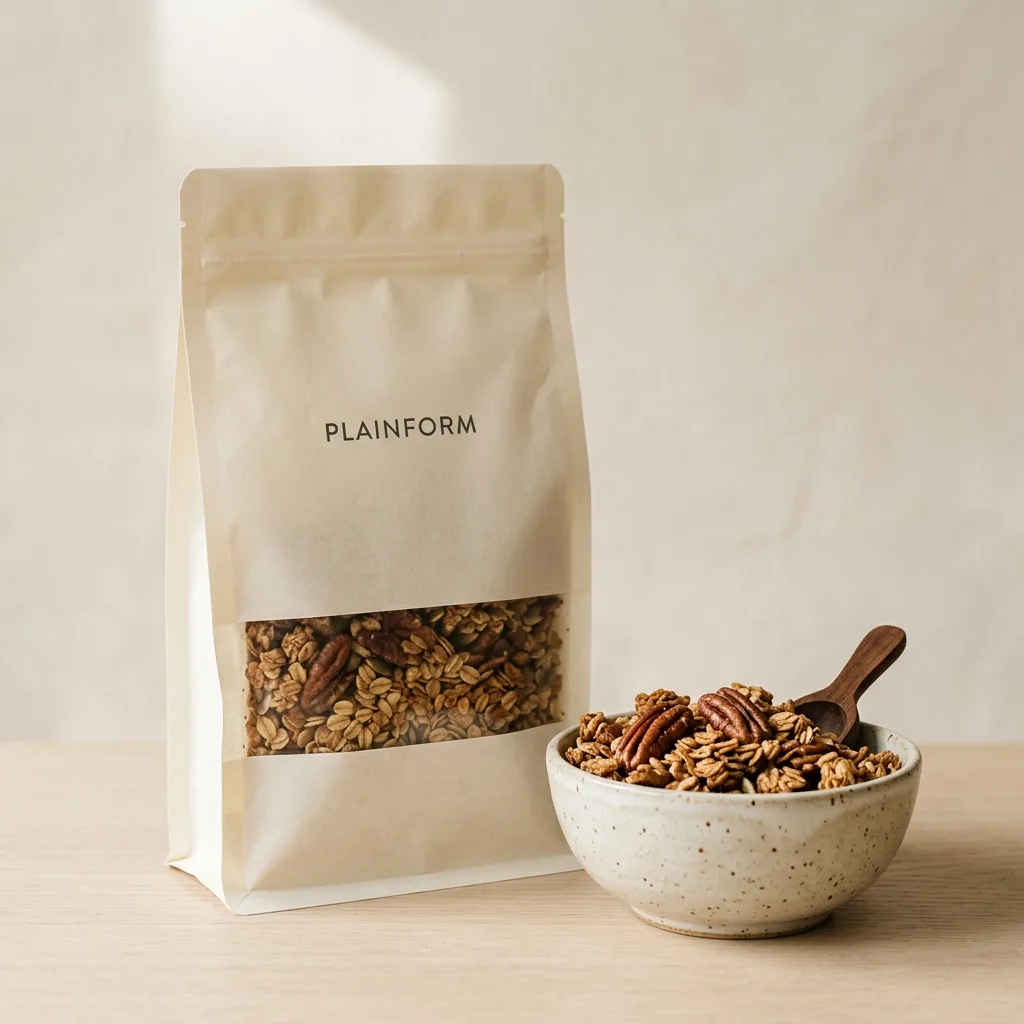
Dawnjar Sample
Protein Granola — Maple Pecan
20g protein240 cal
8.3g protein / 100 cal
per serving · 60g
$22.99$2.87 / serving
Preview collection · Sample products · Prices in CAD
Dawnjar · Practical buying guides
A high protein grocery list is easier to compare when it is organized around the foods you already prepare. Start with aisles and recipe roles, then use the actual package labels to decide which portions you want to compare. Eggs, beans, pasta, snacks and drinks are different formats; their names alone do not provide equal serving figures. This guide describes general foods without assigning invented nutrition numbers to them. Dawnjar is a preview using sample records with illustrative figures and CAD prices, and ordering opens at launch. The sample shelf is a small collection of examples, not a complete grocery range or a promise that general foods mentioned here are available from Dawnjar.
A dairy and egg aisle list might include eggs, yogurt, cottage cheese, milk or an alternative drink used in a recipe. Write the format and intended portion beside the item. A large yogurt container and an individual cup are different package choices even when their front descriptions sound similar. Read the table for the stated quantity rather than assigning one protein amount to all yogurt. For allergen information, read the label of the particular item.
Keep plain and flavoured versions distinct because the finished recipes can differ. If a food is an ingredient in breakfast or baking, record the amount required by the recipe separately from the package size. Eggs may be listed by count, while a yogurt recipe uses a weight or household measure; your list can preserve those units without pretending they are interchangeable. The aim is a list that matches your planned preparations, not a ranking based on a generic food name.
Recipe role — Choose the package format your planned dish actually uses.
Portion notes — Write the table quantity beside the food instead of recording protein grams alone.
Consider fresh, frozen, canned and prepared formats according to the dish you want to make. Meat, fish, tofu, tempeh and other plant preparations have different packaging and ingredient details. A frozen fillet, a seasoned prepared portion and a canned fish product are not the same label comparison. Note whether the table describes the food as packaged, drained or prepared. Added sauces and coatings belong to the finished recipe, not an assumed figure for the plain source ingredient.
Frozen foods deserve their own line on the list when that is the format your recipe needs. Record package quantity, portion directions and any preparation requirements rather than transferring information from a fresh version. Follow the label for storage and preparation, and when in doubt, do not use it. No fresh meat, fish or frozen-food sample appears in the Dawnjar shelf. Mentioning these aisles describes ordinary grocery planning, not refrigerated or frozen inventory offered through the preview.
Pantry items can serve different recipe roles: beans in a dish, legume pasta as its base, nut butter as a spread, or protein baking mix for a prepared batch. Keep dry ingredients distinct from cooked or drained portions. Water added during preparation changes weight, and other recipe ingredients change the finished table. Compare the stage the package actually describes instead of placing a dry-pasta number beside a cooked bean portion as though the servings were equivalent.
Nut butters and protein spreads also need their stated portion read, rather than treating a generous spoonful as a universal serving. For baking mix, note which additions and yield the printed prepared figures assume. The pantry collection illustrates a spread, brownie mix and chickpea penne through existing records. The pasta guide focuses more closely on dry and cooked serving questions. These examples do not assign figures to beans or nut butters absent from the sample catalogue.
Build the snack part of your list around texture and package format. A crunchy bag, chewy meat snack, bar or cookie fits a different eating occasion and portion definition. Compare a whole bag only when you know whether its table is per bag or per serving. If a wrapper describes part of the item, the whole-package calculation needs that distinction kept visible. A familiar size or shape is not a dependable serving measure.
The snack hub provides a broader format overview, while the chips and jerky guides address their particular package questions. Use those links for comparisons, not as evidence of live availability. Read sodium, sugars and ingredient wording alongside the protein figure when those details matter to your choice. For allergens, read the label. A list can include both crunchy and chewy options without inventing a promise that they have the same protein amount or declaring one format universally better.
Ready-to-drink bottles and powder containers belong on separate lines because their preparation and portion units differ. A bottle may contain more than one declared serving, whereas a powder tub requires a stated powder mass and liquid instructions. Do not compare a bottle's total protein with a scoop figure without naming that difference. If you mix powder with another ingredient, keep the powder-only table separate from the complete recipe unless all quantities and figures are known.
Choose whether the list calls for a prepared drink or an ingredient you will measure. The shake guide helps distinguish bottled formats, and the powder collection shows the existing powder examples. For allergens and lactose details, read the label. Storage instructions also belong to the actual package: a shelf-style bottle or a sample photo is not enough to determine its handling. This list makes no claim about caffeine, availability or a particular food outcome from choosing a drink.
Write down whether breakfast preparation begins with a ready-to-eat cereal, an oatmeal portion or a mix that becomes pancakes. High protein cereal is a broad front-label category, so compare the table and portion rather than assuming all cereal formats match. A granola measure by volume can vary with piece size; the stated weight supplies the more consistent comparison. Note separately whether the printed figure includes milk or another addition.
For pancake mix, include the required additions on the shopping list and record the recipe yield. A packet is not automatically one breakfast portion, and a prepared pancake count can depend on the size specified in the instructions. The breakfast category contains existing granola, oatmeal and pancake-mix records only. It does not supply nutrition for every cereal named in a store. Use the category guide to organize the questions, then read the exact package you are comparing.
Read the serving definition first, then protein grams for that quantity. This sequence prevents a larger portion from appearing to be a different composition just because its headline number is larger. To compare protein per 100 calories, divide the serving's protein by its calories and multiply by one hundred. Use the table inputs from that same food and portion. The ratio describes the record; it does not replace preference, preparation needs or the ingredient list.
Next check servings per package and the price basis. CAD per serving compares a stated portion, while package price shows the amount spent at once. Keep any missing information unresolved instead of borrowing it from a different flavour or food. For allergens, read the label. If you have only time for a brief check, preserve the serving unit in your notes; a protein number without its portion is difficult to compare accurately later.
Keep this checklist beside your recipe notes rather than treating it as a mandatory basket. Pick the formats you intend to prepare, note the portion and quantity you need, and leave the rest off your list. General grocery items are descriptions here, not additional Dawnjar records. The sample cards that follow demonstrate a few serving comparisons using existing data only.
Dairy and eggs — Eggs, yogurt, cottage cheese or a recipe drink; note the package and portion.
Fresh, canned or frozen — Meat, fish, tofu or tempeh in the format required by your dish.
Pantry — Beans, legume pasta, a spread or baking mix; record dry, drained or prepared basis.
Snacks — A crunchy, chewy or sweet format; check the number of servings in the pack.
Drinks and powders — A bottled portion or measured powder; keep required additions on a separate line.
Breakfast — Granola, cereal, oatmeal or pancake mix; check whether additions are included.
Dawnjar Sample
20g protein240 cal
8.3g protein / 100 cal
per serving · 60g
$22.99$2.87 / serving
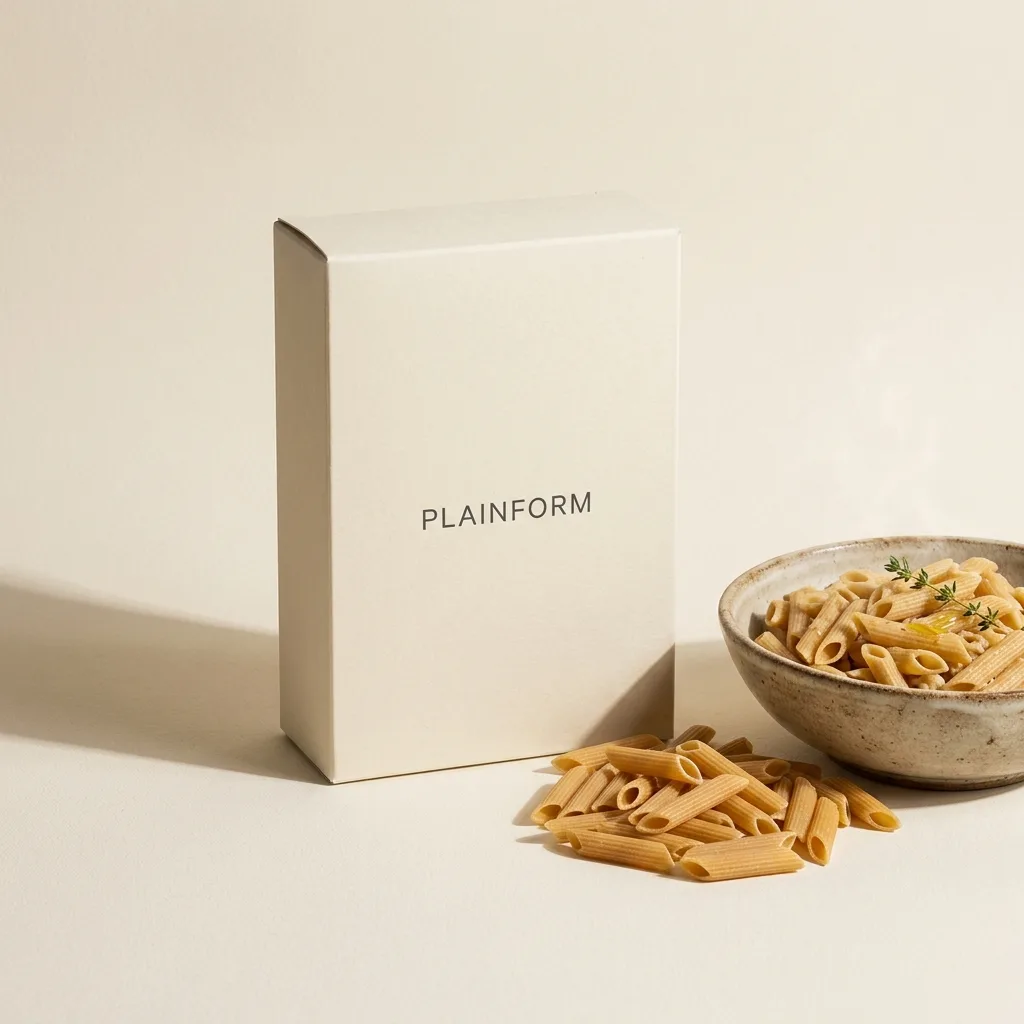
Dawnjar Sample
21g protein320 cal
6.6g protein / 100 cal
per serving · 85g dry
$8.99$2.25 / serving
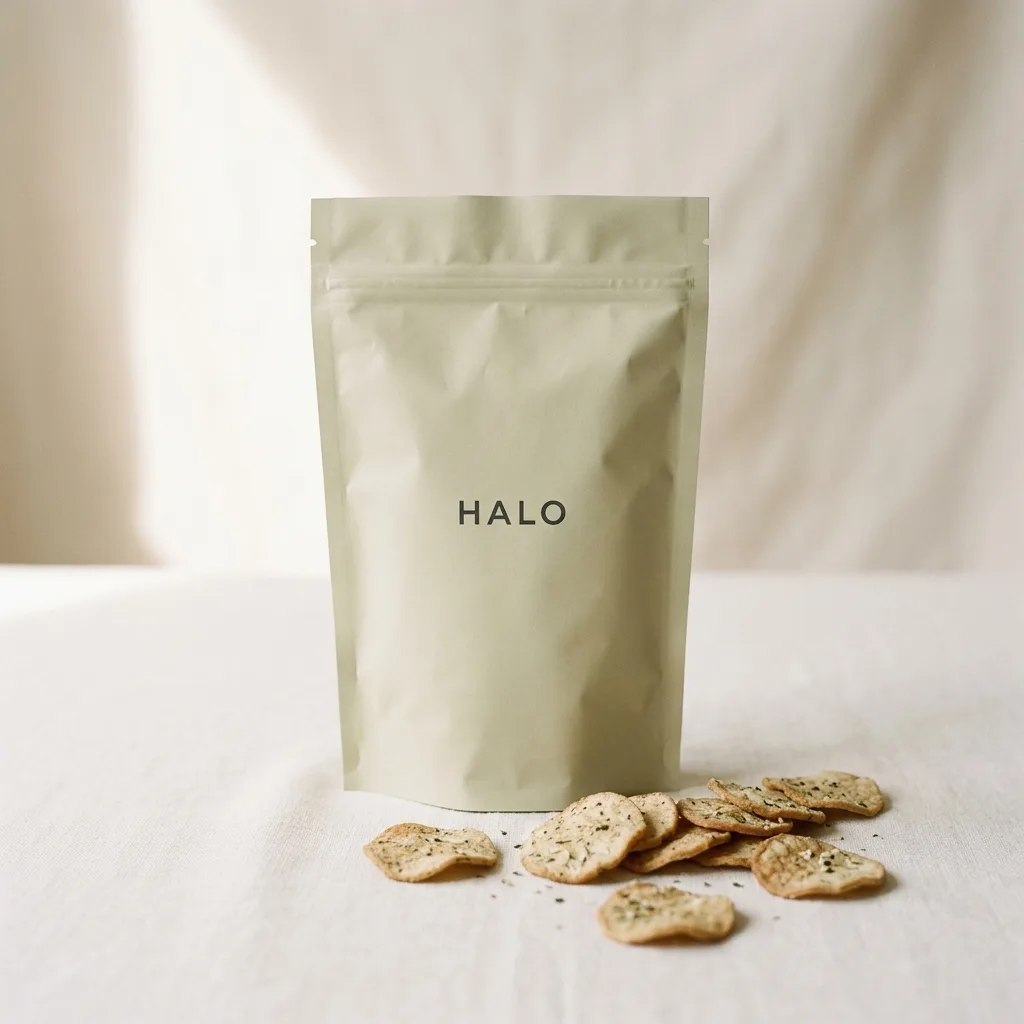
Dawnjar Sample
18g protein140 cal
12.9g protein / 100 cal
per serving · 1 bag (32g)
$26.99$3.37 / serving
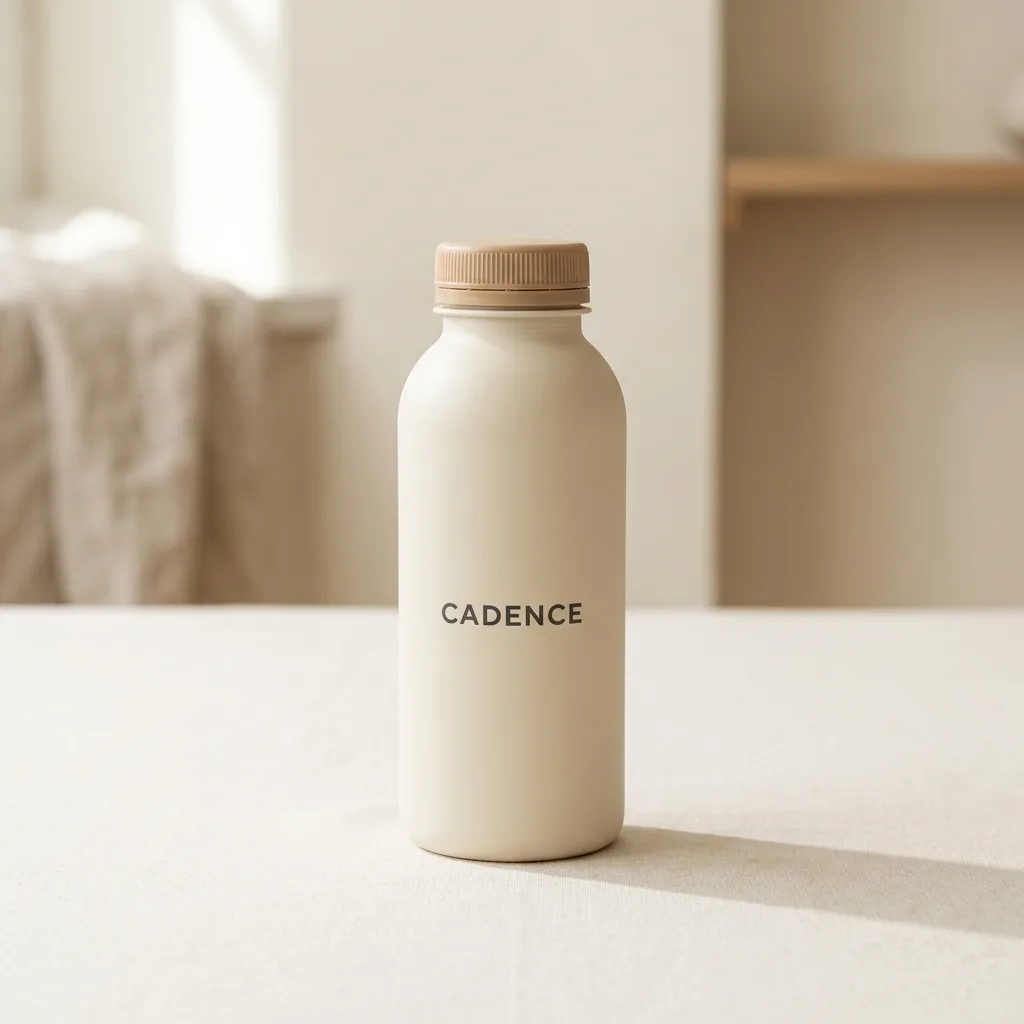
Dawnjar Sample
30g protein160 cal
18.8g protein / 100 cal
per serving · 1 bottle (330ml)
$49.99$4.17 / serving
Preview collection · sample records with illustrative figures · prices in CAD. Ordering opens at launch.
It can include ordinary foods and familiar recipes. Read the specific labels and portions rather than assigning protein figures from food names or assuming a specialist format is required.
Identify whether each table describes drained, dry or prepared food. Establish a clear portion basis before comparing the protein figures; the package formats alone are not equal servings.
Check whether the printed table already includes it. Keep cereal-only figures separate from a complete bowl unless the quantities and figures for the additions are known.
They fit beside their intended recipe role, with their own package and preparation directions. No frozen-food records are offered in the preview shelf; follow the actual label.
No. Calculate the ratio from one declared portion, and keep that portion visible. The ratio and the serving amount answer different comparison questions.
Not in the preview. General foods in the article are planning descriptions, while cards are existing samples with illustrative CAD figures. Ordering opens at launch.
Dawnjar preview pages use sample product records and illustrative nutrition figures. Ordering opens when real inventory and fulfillment are live. Nutrition information is general and informational only, not medical advice.