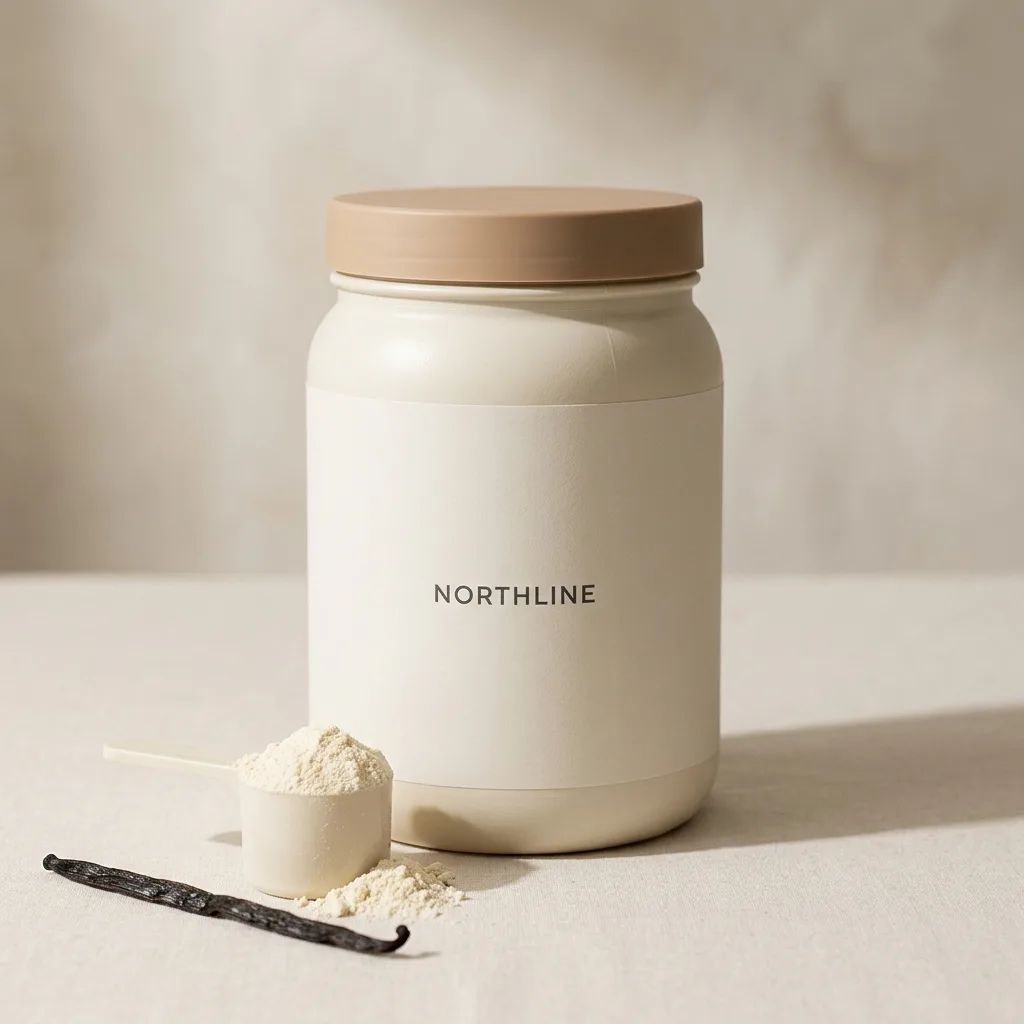
Dawnjar Sample
Whey Isolate — Vanilla Bean (2 lb)
25g protein110 cal
22.7g protein / 100 cal
per serving · 1 scoop (30g)
$59.99$2.00 / serving
Preview collection · Sample products · Prices in CAD
Dawnjar · Label guides
Macros is shorthand for macronutrients: protein, carbohydrates and fat. On a food label, these are quantities to read alongside the serving size, not instructions for building a diet. This guide explains the entries, the relationship between carbohydrates and fibre, and a consistent way to compare two foods. Dawnjar is a preview of protein product sample records with illustrative figures and CAD prices; ordering opens at launch. The sample shelf is a label-reading reference, not a personal target or macro-tracking service.
Macronutrients are protein, carbohydrates and fat, three categories shown on food labels. A food can contain all three, even when its name emphasises just one. Calling something a protein snack does not mean its carbohydrate and fat entries disappear. Start with the complete table rather than the front-panel description, and keep the units beside each entry so that grams are not confused with percentages.
The term also appears in recipe discussions and tracking conversations. Those contexts can create the impression that everybody needs the same balance. This page gives no target ratios, daily gram goals or diet plan. If you want individual targets or help interpreting a recommendation, ask a registered dietitian or doctor. Reading a package is a different task from deciding what your own eating pattern should be.
Find the serving line before scanning protein, carbohydrate and fat. It may include a household measure and a weight or volume. A slice, scoop or cup is not necessarily the same size across packages. For a prepared food, check whether the figures refer to the item as sold or made according to directions. Added milk, sauces or toppings bring their own label information; the original table does not automatically describe the combination.
The ingredient list can also explain why similar formats differ. Milk-derived ingredients, legumes, eggs and grains appear in different recipes and combinations. Their presence does not establish an exact protein quantity for a homemade meal. Use package figures for the particular ingredients you use, and avoid borrowing a sample product’s numbers for a different food.
Carbohydrate is the parent entry; fibre and sugars are listed beneath it. Read these related lines together rather than adding fibre and sugars on top of total carbohydrate. The ingredient list answers a different question: what went into the food. It can identify oats, fruit, starches and sweeteners, but it does not replace the table’s quantity entries.
Sweet taste is not a measurement of sugars. A recipe may use sweeteners alongside fruit or other ingredients. Compare the sugar line at matching portions, and read any front-panel wording as a specific claim with conditions, not a description of every carbohydrate in the food. This guide does not assign a sugar claim to any sample.
Read total fat together with the saturated and trans entries. These lines distinguish the total from named components, just as the carbohydrate section includes more specific entries beneath it. Do not add component figures again to the total. The label supplies the quantities for its serving; an ingredient such as oil or cheese in a home recipe needs its own portion information.
First compare the declared portions. Where the format allows, match the gram weight or volume before drawing a conclusion. Then use protein grams divided by labelled calories, multiplied by 100, to express protein per 100 calories. This is arithmetic applied to the same label, not an additional package claim. It does not tell you a recommended portion or personal intake target.
Keep enough context to reconstruct the comparison: food name, portion, protein and calories from the same record. Do not mix prepared calories with dry protein figures. If a serving changes, change both inputs together. The calculator linked below works with the figures you enter; its output is general informational guidance, not medical advice or a prescribed macro balance.
A percentage and a gram quantity are different ways of presenting information. Use the percentage where the table supplies it, without inventing one for another line. It is a quick way to interpret that nutrient in the labelled serving, not a score for the entire food. Continue reading the portion and ingredient information rather than using a single percentage as a substitute for them.
Serving — Write down the stated weight or volume and whether the item is prepared.
Macro entries — Read protein, carbohydrates and total fat using the same serving.
Related lines — Keep fibre and sugars under carbohydrate, and saturated and trans under fat.
Ingredients and allergens — Read the complete ingredient list and any Contains or may-contain statements.
Comparison record — Retain the original label inputs beside any calculated protein-per-calorie figure.
The existing whey isolate and plant-blend samples show how portions and derived comparisons are presented. They are not macro-tracking tools, recommended foods for a target ratio or evidence about your own ingredients. Each sample has illustrative figures and prices in CAD. Use an actual package when making a real food comparison.
Dawnjar Sample
25g protein110 cal
22.7g protein / 100 cal
per serving · 1 scoop (30g)
$59.99$2.00 / serving

Dawnjar Sample
24g protein130 cal
18.5g protein / 100 cal
per serving · 1 scoop (34g)
$54.99$2.29 / serving
Preview collection · sample records with illustrative figures · prices in CAD. Ordering opens at launch.
Decide which label question you need answered before comparing packages elsewhere: portion size, protein quantity, carbohydrate detail, ingredient wording or cost per declared serving. Keep your comparison tied to the exact flavour and package size. A larger container does not necessarily mean a lower portion cost, and a familiar format does not guarantee identical figures.
Macros is shorthand for macronutrients: protein, carbohydrates and fat. These categories appear on food labels as quantities for a declared serving, not a prescribed balance.
The three macronutrients are protein, carbohydrates and fat. A single food can contain all three, regardless of which one its name emphasises.
Fibre is a type of carbohydrate and is listed under carbohydrates. Do not add it again to the total carbohydrate figure.
No; Dawnjar is a preview of protein products, not a macro-tracking tool shop. Sample records have illustrative figures and CAD prices; ordering opens at launch.
Dawnjar preview pages use sample product records and illustrative nutrition figures. Ordering opens when real inventory and fulfillment are live. Nutrition information is general and informational only, not medical advice.