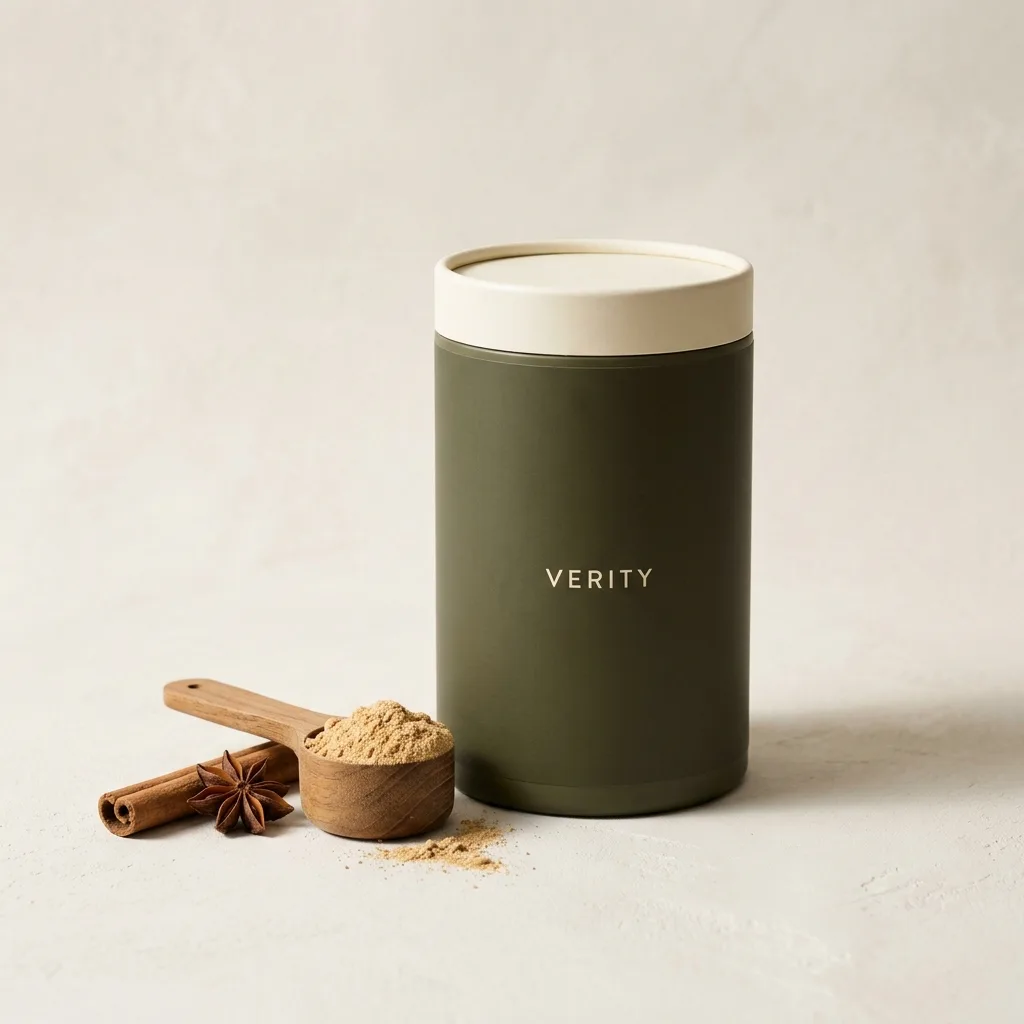
Dawnjar Sample
Plant Protein Blend — Vanilla Chai (1.8 lb)
24g protein130 cal
18.5g protein / 100 cal
per serving · 1 scoop (34g)
$54.99$2.29 / serving
Preview collection · Sample products · Prices in CAD
Dawnjar · Protein foods
Moringa powder is a finely ground leaf ingredient, usually identified as moringa leaf powder on the package. Its green colour and leaf-like taste make it a recipe addition rather than a direct substitute for a scoop of protein powder. This guide focuses on the portion you actually use, flavour adjustments and the information a food label can establish. It supplies no universal teaspoon weight or nutrition total. Dawnjar is a preview: sample records have illustrative figures and prices in CAD, and ordering opens at launch.
Moringa leaf powder is made from dried leaves ground into a fine ingredient. Check that the package identifies the plant part rather than treating every product bearing the moringa name as interchangeable. A leaf powder, a blended drink mix and a concentrated extract describe different formats. This page concerns a food ingredient with preparation and nutrition information; it does not interpret therapeutic wording or promise an effect from using it.
For teaspoon arithmetic, weigh the amount you intend to use. Divide that weight by the label serving weight, then multiply by the protein grams in the labelled serving. If the table instead gives a per-100 g figure, multiply that figure by your measured grams and divide by one hundred. These operations scale the package information; they do not establish a standard value for all moringa powders.
The taste can be leafy, earthy or slightly bitter, with intensity depending on the ingredient and how much you add. Green colour can remain visible in pale yogurt, porridge or sauces. A banana-based smoothie may conceal the colour less than a dark berry mixture, but appearance does not measure protein. Decide whether you want the leaf note noticeable or merely a background ingredient before changing the amount.
Try the addition in a small portion of the food before stirring it into a whole batch. If the leaf flavour dominates, dilute the mixture with more of the original base rather than automatically adding sweetener. A strongly flavoured powder can change a familiar recipe even when its spoonful looks small. Record the weight you preferred so the next preparation is repeatable.
For a savoury preparation, mix the permitted powder into a small amount of the finished sauce or dressing first. Check the flavour and consistency before combining it with the rest. Follow the package if it specifies when to add the powder or whether cooking is appropriate. In porridge or a yogurt bowl, disperse it into a little of the liquid base to reduce dry pockets, then stir through.
Moringa leaf powder and dried spirulina are different ingredients with different source descriptions, colour and flavour. The spirulina guide explains its own cited serving records; those figures cannot be carried across to moringa. Compare the particular labels on a common weight basis when asking about concentration, then return to your actual portion when asking what goes into a recipe.
Ingredient identity — Confirm leaf powder versus a blend or another plant part.
Portion weight — Keep the measured spoonful weight beside the labelled serving weight.
Protein arithmetic — Scale only figures from the same package and identify missing information.
Preparation and declarations — Read mixing, storage, ingredient and allergen wording for every addition.
The existing plant-blend powder record illustrates how Dawnjar presents a serving and comparison figures. It is not moringa leaf powder and supplies no evidence about moringa taste, ingredients or nutrient composition. Its figures and CAD price are illustrative, and its preparation wording cannot be adopted as instructions for a different ingredient. No leaf-powder inventory is introduced by this shelf.
Dawnjar Sample
24g protein130 cal
18.5g protein / 100 cal
per serving · 1 scoop (34g)
$54.99$2.29 / serving
Preview collection · sample records with illustrative figures · prices in CAD. Ordering opens at launch.
Choose the preparation you actually intend to make, then collect the full ingredient labels before comparing packages. Read the serving description, mixing directions, storage wording and complete ingredient list together. A front-panel name cannot answer all of those questions. If a detail is missing, ask the manufacturer rather than filling the gap with a figure from a different food or from this preview.
It is a ground ingredient usually made from dried moringa leaves. Read the package to confirm the plant part and whether other ingredients are included.
Use the protein figure and serving weight on the specific food label. Scale that figure to the measured amount you use; this guide gives no universal teaspoon value.
It can taste leafy, earthy or slightly bitter. Amount and recipe base affect how noticeable that flavour is.
Follow the package directions and add it gradually to a permitted food preparation. Test a small portion before changing an entire smoothie, dressing or bowl.
They describe a larger comparison amount than the spoonful you may use. Scale the labelled figure to your actual measured portion before comparing contributions.
Not currently; Dawnjar is a preview and ordering opens at launch. The separate plant-blend sample has illustrative figures and CAD pricing, not moringa nutrition.
Dawnjar preview pages use sample product records and illustrative nutrition figures. Ordering opens when real inventory and fulfillment are live. Nutrition information is general and informational only, not medical advice.