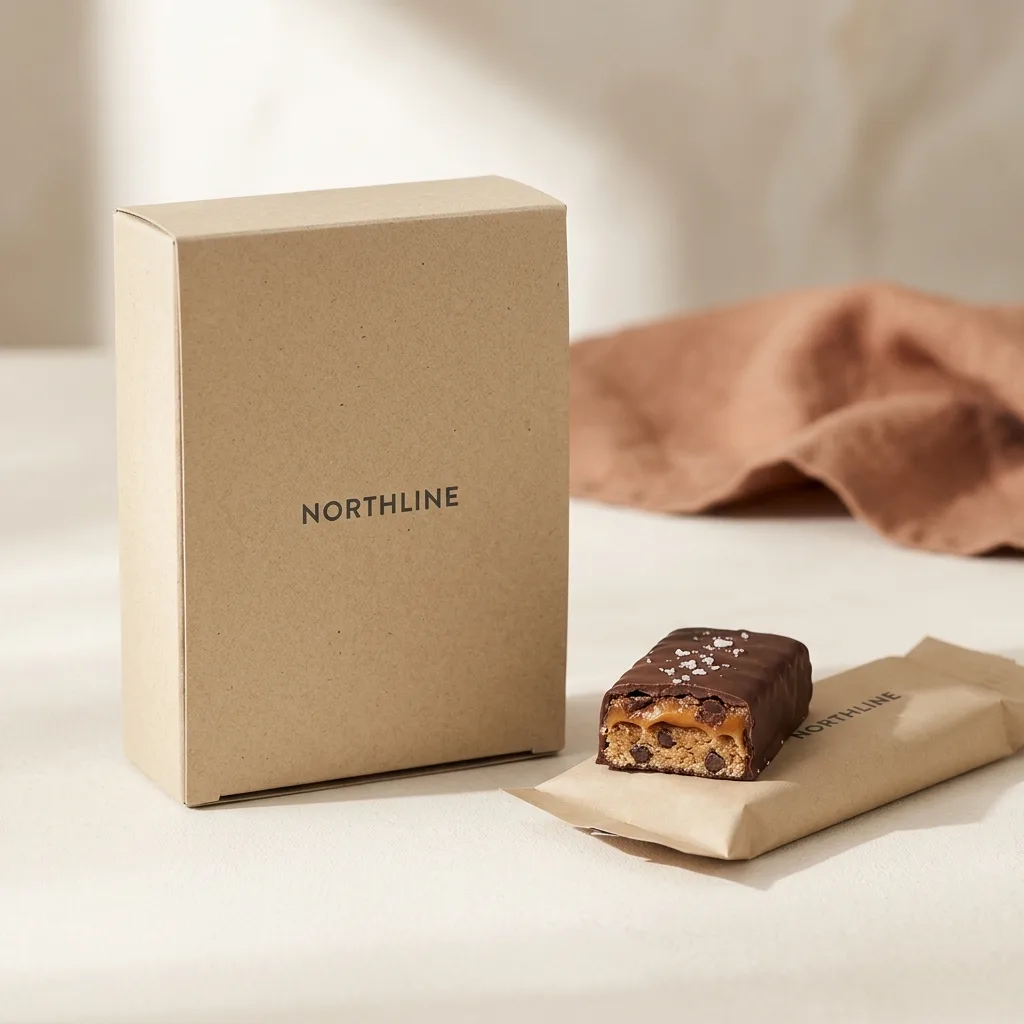
Dawnjar Sample
Sea Salt Caramel Protein Bar
20g protein190 cal
10.5g protein / 100 cal
per serving · 1 bar (60g)
$39.99$3.33 / serving
Preview collection · Sample products · Prices in CAD
Dawnjar · Protein bars
Protein bars are the easiest high-protein snack to carry, and there are a lot of them on Canadian shelves. This guide shows the protein bars in Dawnjar's preview collection, what to compare on the wrapper, and how to think about origin, store and price when you buy protein bars in Canada. Every bar below is a sample record with illustrative figures; ordering opens at launch.
Four sample bars: sea salt caramel, double chocolate crisp, peanut butter cookie dough and a vegan almond fudge. Protein per bar, calories, protein per 100 calories and price per serving come straight from each record.
Dawnjar Sample
20g protein190 cal
10.5g protein / 100 cal
per serving · 1 bar (60g)
$39.99$3.33 / serving
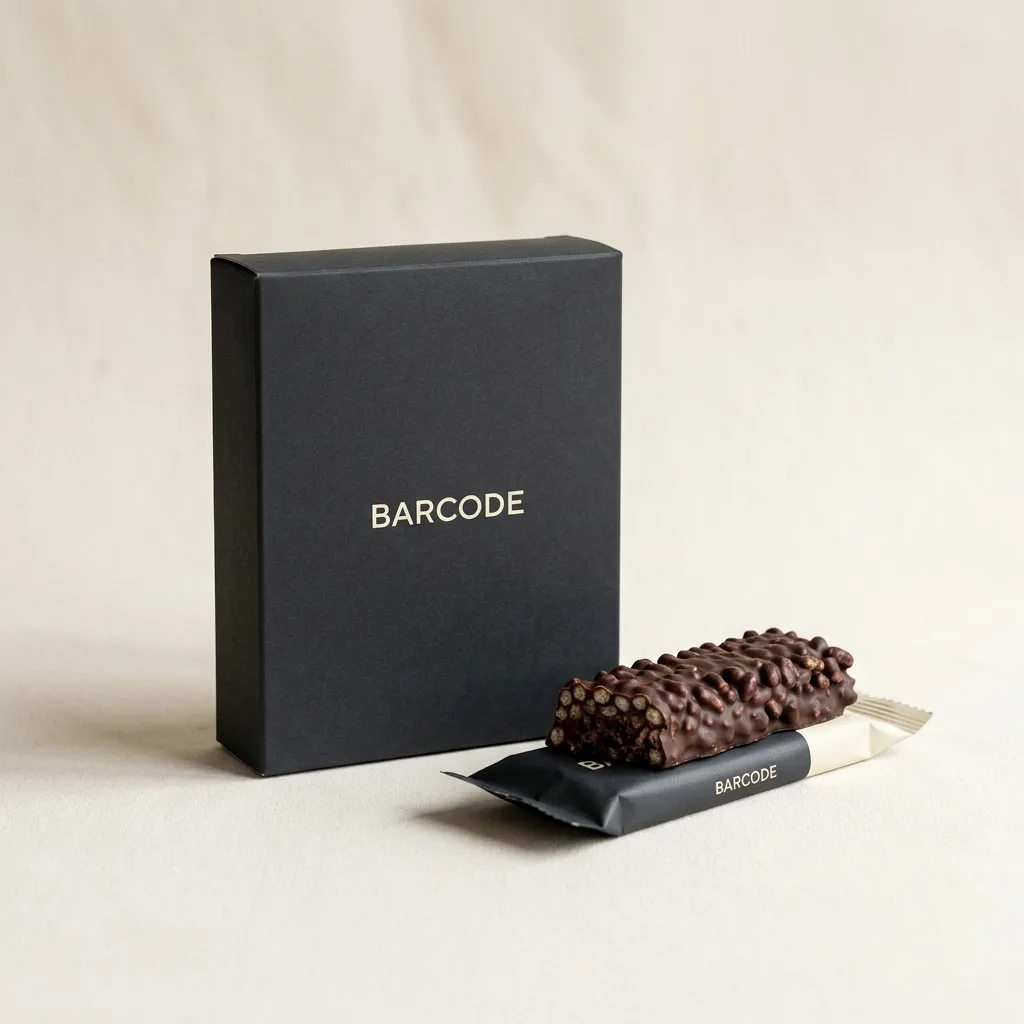
Dawnjar Sample
21g protein210 cal
10.0g protein / 100 cal
per serving · 1 bar (65g)
$41.99$3.50 / serving
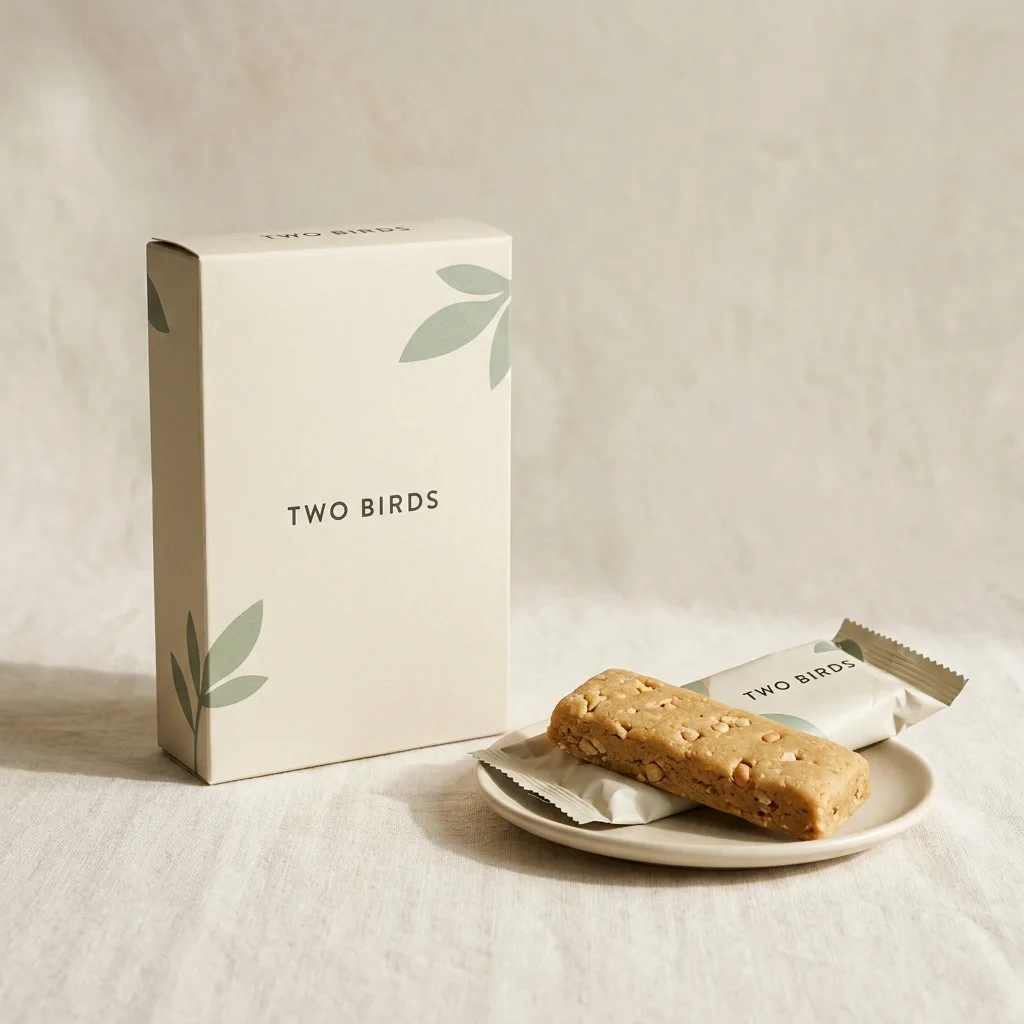
Dawnjar Sample
22g protein230 cal
9.6g protein / 100 cal
per serving · 1 bar (68g)
$43.99$3.67 / serving
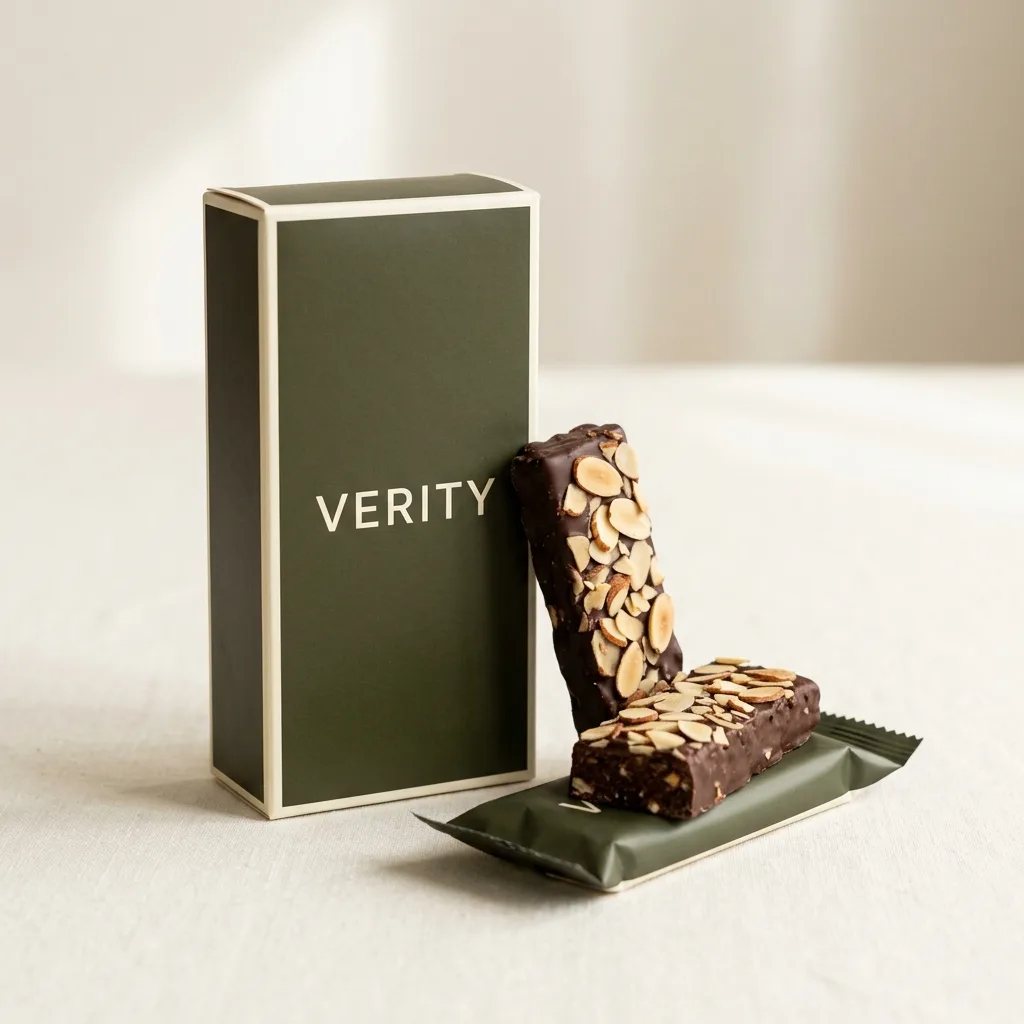
Dawnjar Sample
18g protein200 cal
9.0g protein / 100 cal
per serving · 1 bar (60g)
$37.99$3.17 / serving
Preview collection · sample records with illustrative figures · prices in CAD. Ordering opens at launch.
Protein per 100 calories — compare how much of the bar's energy comes from protein, not just the biggest number on the wrapper.
Sugar and sweeteners — check sugar on the Nutrition Facts table and the sweeteners in the ingredient list.
Fibre — many bars add fibre; the label shows how much per bar.
Texture you would rebuy — chewy, crisp or soft-baked: the bar you enjoy is the one you'll finish.
Allergens — check for milk, soy, peanuts, tree nuts and wheat on the allergen statement.
Price per bar in CAD — divide the box price by the number of bars to compare value.
Where a bar is made is printed on the package. Canadian origin statements such as "Product of Canada" follow federal labelling guidelines, and imported bars name their country of origin or importer. If origin matters to you, check the label rather than the marketing. Beyond origin, compare every bar the same way: protein per bar, protein per 100 calories, sugar, allergens and price per bar in CAD. The bars in Dawnjar's preview are sample records and make no origin claim.
Protein bars are sold in Canada at grocery stores, pharmacies, supplement shops, online retailers and warehouse clubs such as Costco, which usually sell larger multipacks. Widely known brands such as Quest are easy to find through these channels. Wherever you shop, divide the box price by the number of bars and compare protein per 100 calories across brands. Dawnjar has no affiliation with the brands or retailers named here.
Low sugar protein bars usually swap some sugar for fibre, sugar alcohols or other sweeteners. Compare sugar and protein per bar on the Nutrition Facts table and check the sweeteners listed in the ingredients. The low sugar edit filters the preview collection to sample records with low sugar per serving, and the vegan protein guide covers plant-based bars.
When a familiar bar is hard to find, compare the next option by its wrapper rather than trying to match packaging colour. Start with whole-bar weight and the serving described in the table. A compact wrapper is not automatically one serving, and a larger bar is not automatically a comparable portion. Keep the bar count in a multipack separate from the number of servings represented by each bar.
Read protein per bar, sugars and fibre together after confirming the portion basis. If the table covers only part of a bar, use consistent whole-bar figures when that is your intended comparison. Do not scale protein alone while leaving sugars or fibre at the smaller portion. Health Canada says serving size "isn't a recommendation of how much to eat"; it is the reference for reading the Nutrition Facts table.
For nutrients with daily values, the reading aid is: % DV: 5% DV or less is a little, 15% DV or more is a lot. This applies to the listed nutrient at the stated serving, not to whether a bar tastes sweet or chewy. Inspect ingredients for sweeteners, coatings and inclusions separately. A crisp centre or soft filling can change your preference without telling you the sugars or fibre amount.
Milk, soy, peanuts, tree nuts and wheat are priority allergens, and priority allergens must be identified by common name on pre-packaged food labels. Read the coating and filling ingredients as part of the full formula, along with any Contains or precautionary wording. Do not transfer an allergen assumption from a similar flavour or another bar. Ask for the exact wrapper information where a listing leaves it unreadable.
For CAD price per bar, divide the box price by the number of bars, then check that the bar weights and versions match the ones you compared. A mixed box may contain different flavours with different ingredients, so inspect each applicable wrapper. A smaller bar can have a lower individual price without being the same portion. Keep cost and flavour preference as separate reasons for choosing.
If you cannot obtain the full label, leave missing entries unresolved rather than borrowing figures from a related product. Search descriptions and pack photographs can help identify a format, but they do not replace the exact wrapper. Dawnjar offers a preview comparison framework with illustrative records and CAD prices; it does not confirm availability elsewhere or offer its samples for purchase before launch.
Look for the package's Product of or Made in wording and read the country named in that specific statement. Keep any surrounding qualifications with it instead of shortening the wording into a broader claim. A dealer name, distributor address or customer-service location answers a different question. It should not be substituted for a statement about where the bar was made.
An online listing may show the front wrapper while leaving the origin wording on the reverse unreadable. Request a clear image or the exact package statement if origin matters to your choice. A flag graphic or a local-looking address is not the same text as a production statement. Do not fill an absent country detail with the location of the shop where you encountered the bar.
Read origin independently of protein, sugars and portion cost. The country statement cannot supply the ingredients or figures for a different flavour, and the Nutrition Facts table cannot supply a missing country statement. Keep each fact attached to its own package. This also avoids turning a dealer's contact details into a claim about an ingredient's origin or a particular manufacturing location.
The Dawnjar bar samples make no origin claim. Their illustrative figures demonstrate a comparison layout, not a verified manufacturing label or current inventory. When you revisit a package, check its own wording again rather than assuming that a prior box establishes every later version. Where details remain unclear, ask the manufacturer about the exact statement rather than treating a familiar flavour or wrapper design as evidence.
Not yet. The bars on this page are preview sample records with illustrative figures, priced in CAD to show how Dawnjar compares them. Ordering opens at launch.
It varies by brand and bar size; many bars list somewhere between 10g and 20g or more. Compare protein per 100 calories as well, which Dawnjar shows on every card.
Check the package. Canadian origin statements such as "Product of Canada" follow federal labelling guidelines, and imported products name their country of origin or importer. Dawnjar's preview bars are sample records and make no origin claim.
Bars that list little sugar per bar, usually by using fibre, sugar alcohols or other sweeteners. Check sugar on the Nutrition Facts table and the sweeteners in the ingredients.
Protein bars commonly include milk, soy, peanuts, tree nuts or wheat, depending on the recipe. Always check the allergen statement on the label.
Grocery stores, pharmacies, supplement shops, online retailers and warehouse clubs all sell protein bars in Canada. Compare price per bar and protein per 100 calories wherever you shop.
Grocery, pharmacy and online shops carry them; Dawnjar is a preview and does not sell them yet. Compare readable wrapper details and CAD cost per bar wherever you look. Dawnjar's records have illustrative figures, and ordering opens at launch.
Read the Product of or Made in statement on the package. A dealer name or address is a separate detail and should not be treated as that statement. Ask for a readable wrapper if the origin wording is missing from a listing.
Dawnjar preview pages use sample product records and illustrative nutrition figures. Ordering opens when real inventory and fulfillment are live. Nutrition information is general and informational only, not medical advice.