Dawnjar Sample
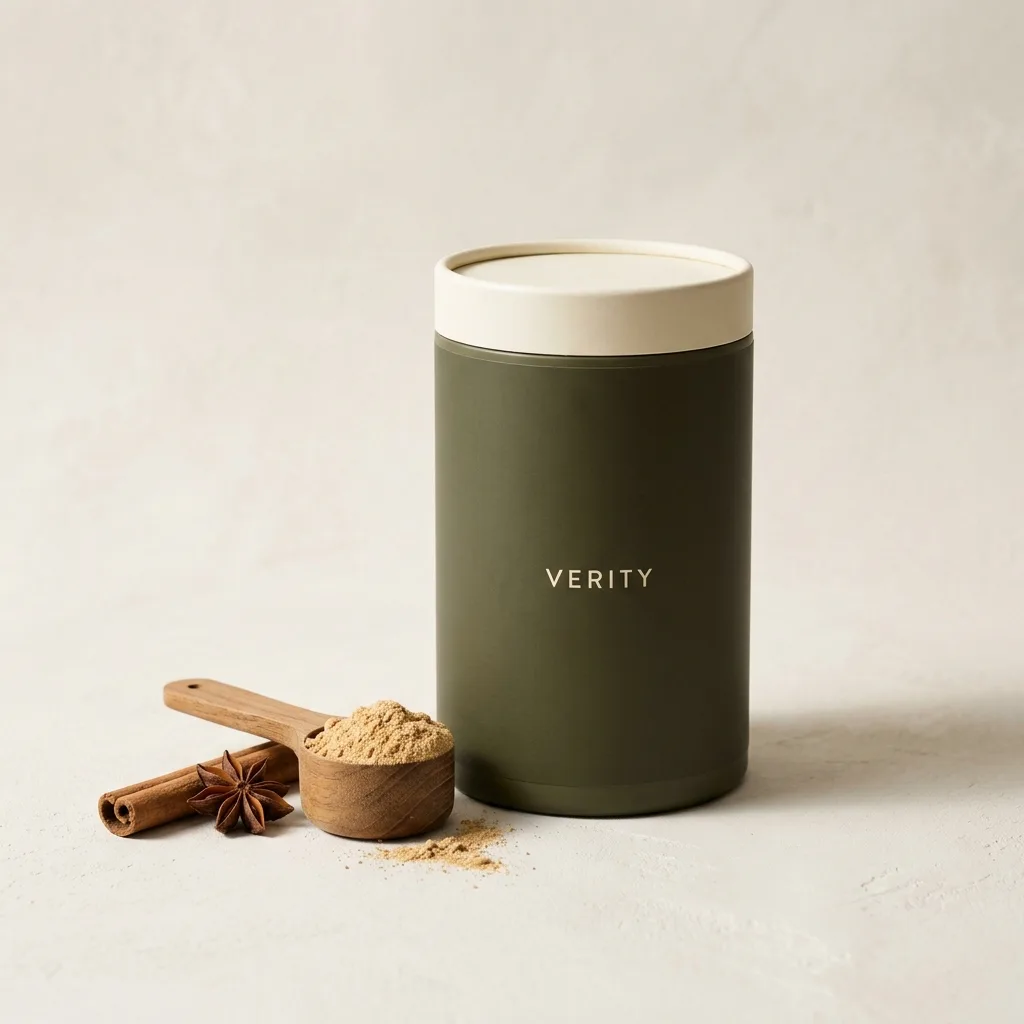
Plant Protein Blend — Vanilla Chai (1.8 lb)
24g protein130 cal
18.5g protein / 100 cal
per serving · 1 scoop (34g)
$54.99$2.29 / serving
Preview collection · Sample products · Prices in CAD
Dawnjar · Protein foods
Protein sources include familiar foods as well as powders: dairy, eggs, meat, fish, legumes, soy, nuts, seeds and grains all bring different ingredients and preparation formats. This guide is about finding and comparing labelled protein amounts, not prescribing a daily target or ranking foods by health outcomes. Dawnjar remains a preview, with sample records, illustrative nutrition figures and CAD prices. Ordering opens at launch; the examples are not a complete grocery inventory.
Dairy foods, eggs, meat and fish are familiar animal-source categories. Within each, format changes the label question: a yogurt cup, a block of cheese and a bottled dairy drink do not share an automatic serving. A plain ingredient and a seasoned prepared food can also have different ingredient lists. Start with the food as packaged and the state named in its table instead of assigning a universal number to a whole category.
"Protein sources" receives about 1,600 searches a month in Canada, per Semrush data pulled October 2026. That broad phrase can mean grocery ideas or a request for personal advice. Here it means food categories and label comparisons only. A list can help identify what to inspect on a package, but it cannot decide an individual intake amount or establish the composition of every food in that category.
Legumes, soy foods, nuts, seeds and grains are plant-source categories with many cooking and packaging forms. Beans may be dry or prepared; tofu has its own package table; nuts may have seasoning or added ingredients. Keep those formats distinct. A grain-based food can contain several ingredients, so read the recipe rather than treating the headline grain as a complete description of the finished product.
Plant source names also appear in powders, spreads and prepared snacks. They do not automatically identify the amount of protein or establish the absence of other ingredients. Compare the exact food and portion you intend to use. For a homemade combination, gather the separate labels rather than borrowing a figure from a packaged product with a similar name. This guide does not rank source categories by nutritional or dietary suitability.
Whey, plant blends and other protein powders are labelled ingredients that can be mixed into drinks or recipes. Their tables describe a declared portion, sometimes with a separate prepared example. The powder's protein source and its flavour additions belong in the ingredient review. A powder name is not the nutrition of a smoothie, bowl or baked dish that includes it.
If comparing powder with a grocery food, decide whether the question is protein per labelled portion, protein at equal weight or cost for a matching protein amount. Those are different comparisons and should be named. Liquid, fruit and other recipe additions bring their own figures. The related guides cover whey and plant label details without implying a personal need for either format.
Read the protein grams alongside the stated serving mass or volume. Health Canada says serving size "isn't a recommendation of how much to eat". Use it as the table's denominator rather than an instruction. If comparing foods at equal weight, convert all relevant figures together and retain the original servings. A larger portion can carry more protein without having a higher protein share by weight.
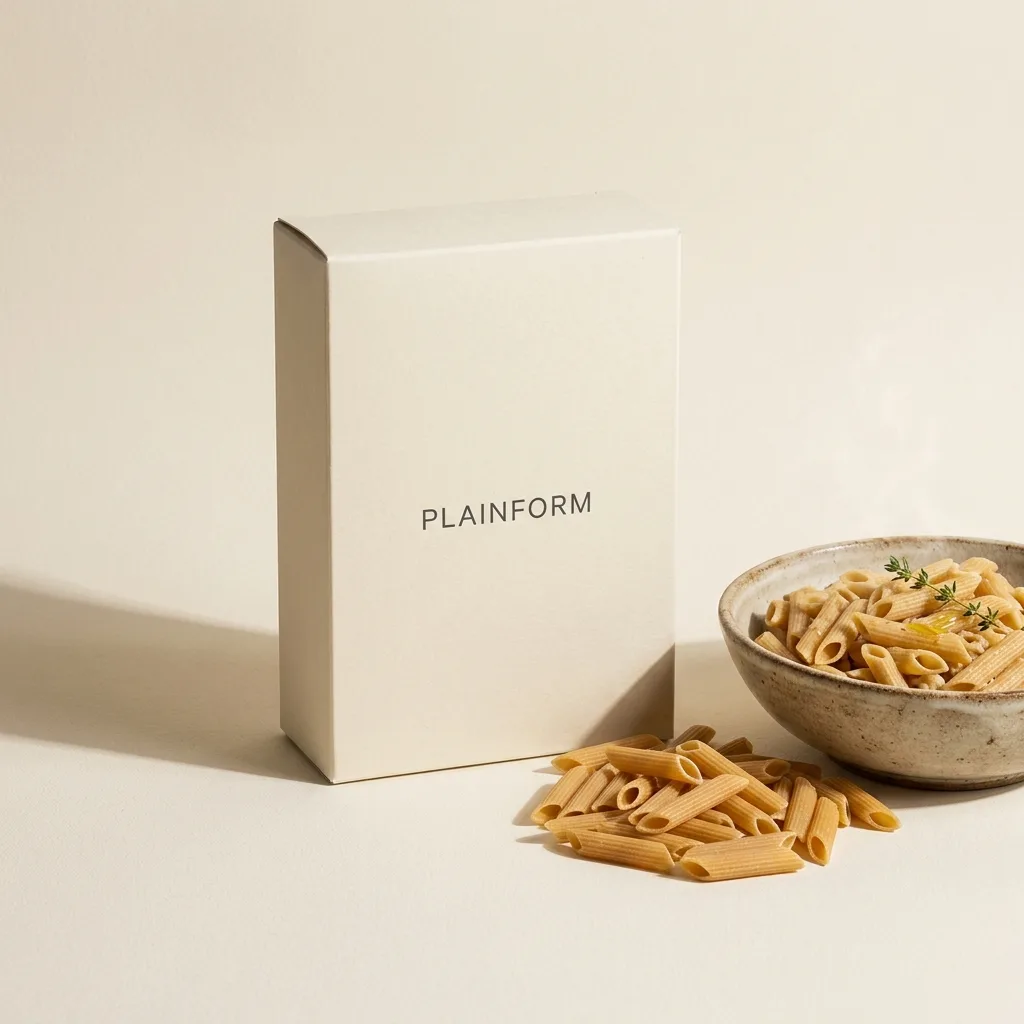
The label reading aid is: % DV: 5% DV or less is a little, 15% DV or more is a lot. Apply it to entries with a daily value; keep the protein gram comparison separate. Dry pasta, cooked pasta and pasta with sauce are different states, just as powder and a finished shake are different preparations. Follow the table heading rather than mixing states because the foods have similar names.
Milk, eggs, fish, crustaceans, soy, peanuts, tree nuts, wheat and sesame are among the priority allergens. They must be identified by common name on pre-packaged food labels. Several are themselves familiar protein foods; others can occur in seasoning, sauces or added ingredients. A source list should therefore prompt a full label review rather than imply that every entry is interchangeable for everyone.
Read the ingredient list, any Contains statement and precautionary wording for the actual package. Milk-related lactose statements and milk allergen declarations are separate checks. A plain source description cannot establish what happens in a prepared version or blended product. This guide gives no allergy assurance and does not decide suitability from animal or plant wording. Personal questions belong with a doctor or dietitian and the complete label.
Begin with foods and preparation formats you want to compare, then write down the label details still needed. Grouping a list by dairy, eggs, meat or fish, legumes, nuts and pantry ingredients can make it easier to collect the right package information. It does not prescribe how much of each category to eat. Include practical distinctions such as ready-prepared versus ingredients that need cooking, using the package directions for each.
For packaged snacks, check whether one wrapper equals one labelled serving. For pantry foods, keep dry or prepared portions visible. When comparing CAD costs, derive portion price from the same package and avoid substituting another food's serving weight. Recipes and grocery plans remain separate from sample inventory: Dawnjar's examples illustrate a comparison format, not a promise that the full list can be ordered here.
Specific food — Identify the actual recipe or package, not just a broad source category such as dairy or legumes.
Portion and state — Pair protein grams with serving weight and label the dry, cooked or prepared state.
Full ingredients — Retain sauces, seasonings, recipe additions and allergen declarations in the review.
Personal questions — Discuss your own protein needs with a dietitian or doctor rather than deriving a target from a product name.
The existing plant-blend powder, plant-style bar and legume-pasta samples below illustrate different source and serving formats. Their nutrition figures and CAD prices are illustrative records, not universal values for plants, bars or pasta. These references do not represent the full animal and plant food list, verify dietary claims or establish currently available inventory. Ordering opens at launch, and each figure remains attached to its own sample.
Dawnjar Sample
24g protein130 cal
18.5g protein / 100 cal
per serving · 1 scoop (34g)
$54.99$2.29 / serving

Dawnjar Sample
18g protein200 cal
9.0g protein / 100 cal
per serving · 1 bar (60g)
$37.99$3.17 / serving
Dawnjar Sample
21g protein320 cal
6.6g protein / 100 cal
per serving · 85g dry
$8.99$2.25 / serving
Preview collection · sample records with illustrative figures · prices in CAD. Ordering opens at launch.
Before comparing foods, decide which question you want the label to answer and gather the portion information for each candidate. Use consistent preparation states, then review ingredients and declarations before doing price arithmetic. Keep personal advice separate from the comparison worksheet: a doctor or dietitian can discuss your circumstances. Dawnjar currently provides editorial guidance and sample references, not daily intake targets or a checkout for the grocery list described here.
Common sources include dairy, eggs, meat, fish, legumes, soy, nuts, seeds and grains. Exact amounts depend on the food and portion. This guide lists categories rather than ranking them by health outcomes.
Legumes, soy foods, nuts, seeds and grains are plant-source categories. Read the specific food's serving table and ingredient list. A broad source name does not supply a universal protein amount.
Compare protein grams at the same serving weight and preparation state. Keep the original labelled portions visible when scaling. Dry ingredients and finished recipes are not interchangeable comparison units.
Yes; their labels state protein grams for a declared portion. Check the named source ingredients and added flavour components. Extra recipe ingredients are separate from the powder-only figures.
It depends on the person; ask a dietitian or doctor. This guide gives no daily intake recommendation. A package serving is a label-reading unit, not a personal target.
Not yet; Dawnjar is a preview and ordering opens at launch. The displayed records have illustrative figures and CAD prices. They are separate examples, not the full grocery list or currently orderable inventory.
Dawnjar preview pages use sample product records and illustrative nutrition figures. Ordering opens when real inventory and fulfillment are live. Nutrition information is general and informational only, not medical advice.