Dawnjar Sample
High-Protein Chickpea Penne
21g protein320 cal
6.6g protein / 100 cal
per serving · 85g dry
$8.99$2.25 / serving
Preview collection · Sample products · Prices in CAD
Dawnjar · High-protein recipes
Kale Caesar starts with sturdy leaves, a sharp, creamy dressing and a topping that stays crisp until the first forkful. This version uses Greek yogurt in the dressing, roasted chickpeas and toasted breadcrumbs, with chicken or eggs as optional additions. The method is an adjustable home-kitchen starting point, not a tested nutrition formula. Dawnjar is a preview: its separate sample records carry illustrative figures and prices in CAD, and ordering opens at launch. The pantry reference below is not a prepared salad.
Choose lacinato kale for relatively flat leaves or curly kale for a more ruffled texture. Remove the tough central ribs, rinse the leaves and dry them well. Gather cooked chickpeas, olive oil, breadcrumbs and your preferred seasoning. For optional additions, set aside cooked grilled chicken or jammy eggs prepared using appropriate cooking guidance. Keep these components separate while you work on the dressing.
There is no fixed nutrition total for this bowl: different yogurt, chickpea portions and toppings change the result. Start with enough kale for the plates you intend to make, then scale the dressing gradually. Whole chickpeas and chickpea pasta are different ingredients, so do not substitute a pasta label for information about the beans.
The phrase "kale caesar salad recipe" receives about 480 searches a month in Canada, per Semrush data pulled October 2026. This guide answers the preparation question with a leaf treatment, a separate dressing and toppings that can be varied.
Whisk plain Greek yogurt with lemon juice, finely grated garlic, Dijon mustard, grated Parmesan and a little olive oil. Mash an anchovy into the mixture if you want that savoury note; it is optional. Add lemon and garlic cautiously because both become prominent in a cold dressing. A little water can loosen a very thick yogurt without requiring more oil.
Taste the dressing on a kale leaf, not only from the spoon. The leaf and toppings change how sharp or salty it seems. If the dressing feels too tart, add more yogurt before introducing a sweet ingredient. If it seems flat, check the lemon and Parmesan balance before adding salt. Reserve a little sauce for serving rather than pouring everything over the leaves.
Use separate trays or bowls for damp and crunchy ingredients. Chickpeas crowded together tend to stay moist, while breadcrumbs can colour faster than beans. Let roasted toppings cool enough that they do not warm the chilled dressing. If the salad seems heavy, add undressed leaves rather than trying to absorb excess sauce with more crumbs.
Chickpeas provide a nutty, firm addition, whether roasted or simply drained. Grilled chicken gives a different texture; slice it across the grain after following appropriate cooking instructions. Eggs can be quartered so their yolks stay distinct from the sauce. Tofu works as browned cubes, while white beans can be folded in gently without roasting. Choose the component you actually want to eat, then check its declared portion.
For a vegetarian bowl, omit chicken and anchovy and examine the Parmesan ingredients, including rennet wording. Tofu and beans change the character of the dish rather than reproducing chicken exactly. Add-ins are alternatives, not mandatory layers: a simpler combination makes it easier to balance the dressing and keep the kale visible.
Kale holds dressing better than romaine, making it useful when preparing components ahead. That does not mean every topping should be mixed early. Wash and dry the leaves, make the sauce in a covered container and leave the roasted chickpeas and crumbs separate. Keep chilled components refrigerated and follow ingredient labels and general fridge storage guidance; this recipe promises no keeping period.
For a packed lunch, use a dressing container and another compartment for the crunch. Keep cooked additions appropriately chilled during transport. Toss when you are ready to eat, adding the toppings last. If the dressing thickens in the fridge, stir it and loosen only the portion you need. Follow the actual ingredients’ storage directions rather than another salad’s timetable.
Milk in yogurt and Parmesan, eggs in optional toppings or prepared sauces, fish in anchovy, mustard in Dijon and wheat in breadcrumbs are relevant label checks. Health Canada requires priority allergens to be identified by common name on pre-packaged food labels. Read the ingredients, Contains statements and precautionary wording for every packaged component, including seasonings and any prepared chicken.
Serving basis — Keep the yogurt weight, chickpea portion and any cooked topping quantity beside their own protein entries.
Dressing ingredients — Inspect mustard, cheese and optional anchovy wording rather than relying on a Caesar flavour name.
Crunchy additions — Read the breadcrumb and seasoning labels independently; a plain-looking topping still has ingredients.
Prepared state — Distinguish dry beans, cooked beans and a drained canned portion when reading nutrition information.
For nutrients carrying a daily value, Health Canada explains: % DV: 5% DV or less is a little, 15% DV or more is a lot. This is a package-reading aid, not a rating of your finished salad. Read sodium in the dressing ingredients alongside the declared serving.
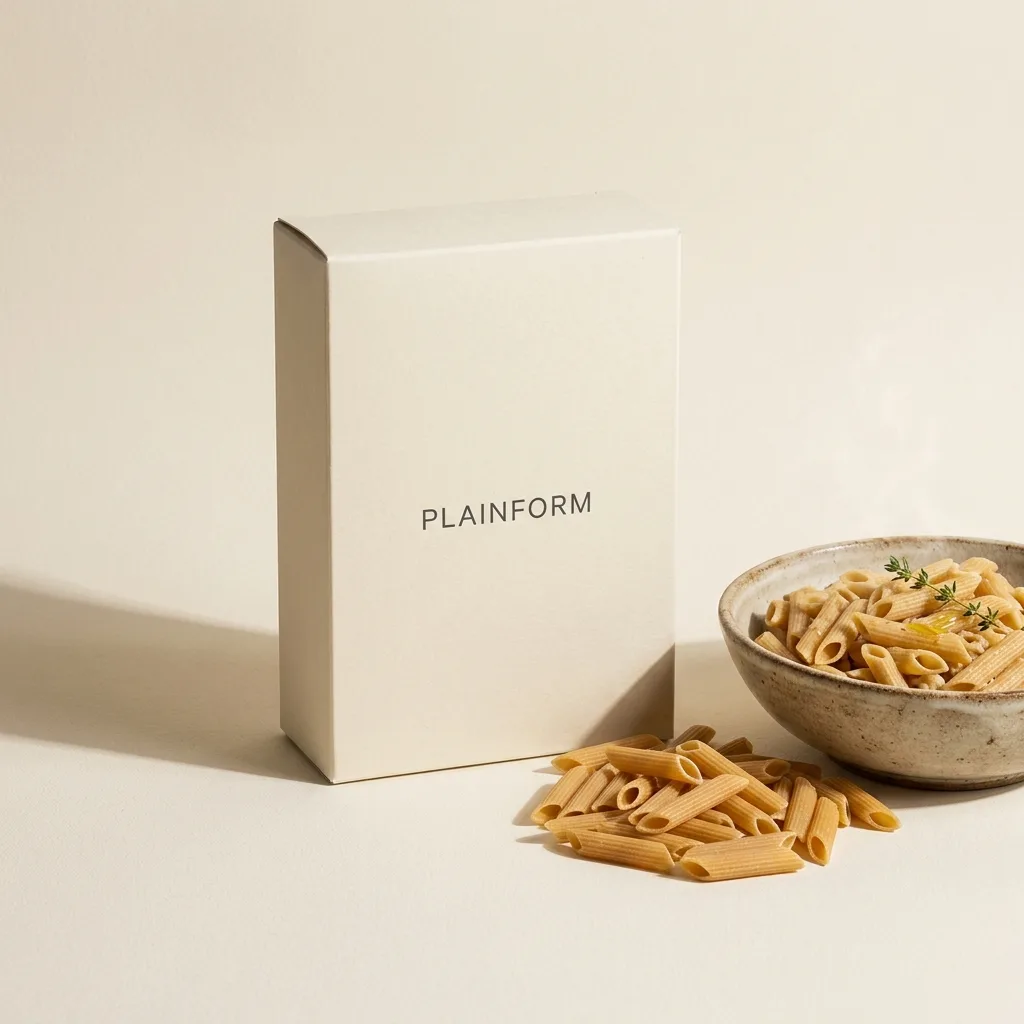
The existing chickpea penne sample illustrates Dawnjar’s pantry comparison layout only. It is not a whole-chickpea record, a Caesar topping or a salad kit. Its illustrative nutrition and CAD price remain attached to that pasta record and cannot be carried into this recipe.
Dawnjar Sample
21g protein320 cal
6.6g protein / 100 cal
per serving · 85g dry
$8.99$2.25 / serving
Preview collection · sample records with illustrative figures · prices in CAD. Ordering opens at launch.
Check whether you prefer curly or lacinato leaves and whether your dressing will include anchovy. Choose ingredients with readable labels and plan a separate container for the crunch. A useful shopping list names the exact yogurt, cheese and cooked add-in rather than just "protein toppings". Work from those actual packages when comparing portions.
Massage chopped kale, toss with Greek yogurt Caesar dressing and finish with crispy chickpeas and toasted breadcrumbs. Add chicken, eggs or another chosen topping separately. Dress gradually so the leaves are coated rather than swimming in sauce.
Massaging helps soften raw kale and distributes the dressing more evenly. Remove the thick stems first and rub the cut leaves gently. Stop when they feel more flexible rather than crushing them into a paste.
Yes; prepare the leaves, dressing and toppings separately, then assemble near serving. Kale holds dressing better than romaine, but breadcrumbs and roasted chickpeas lose their crunch when wet. Keep chilled ingredients refrigerated and follow their storage guidance.
Add chickpeas, chicken, eggs, tofu or white beans to the leaves and dressing. Greek yogurt is another ingredient in this version. The quantity depends on your chosen ingredients and portions; use their label information.
Yes; leave out the anchovy and adjust lemon, Parmesan and seasoning to taste. For a vegetarian version, also read the cheese ingredient wording. Removing anchovy does not establish every other ingredient in the dressing.
No; Dawnjar currently presents a preview, and ordering opens at launch. Its sample figures and CAD prices are illustrative. This kale Caesar method is editorial content, not an available salad.
Dawnjar preview pages use sample product records and illustrative nutrition figures. Ordering opens when real inventory and fulfillment are live. Nutrition information is general and informational only, not medical advice.