Dawnjar Sample
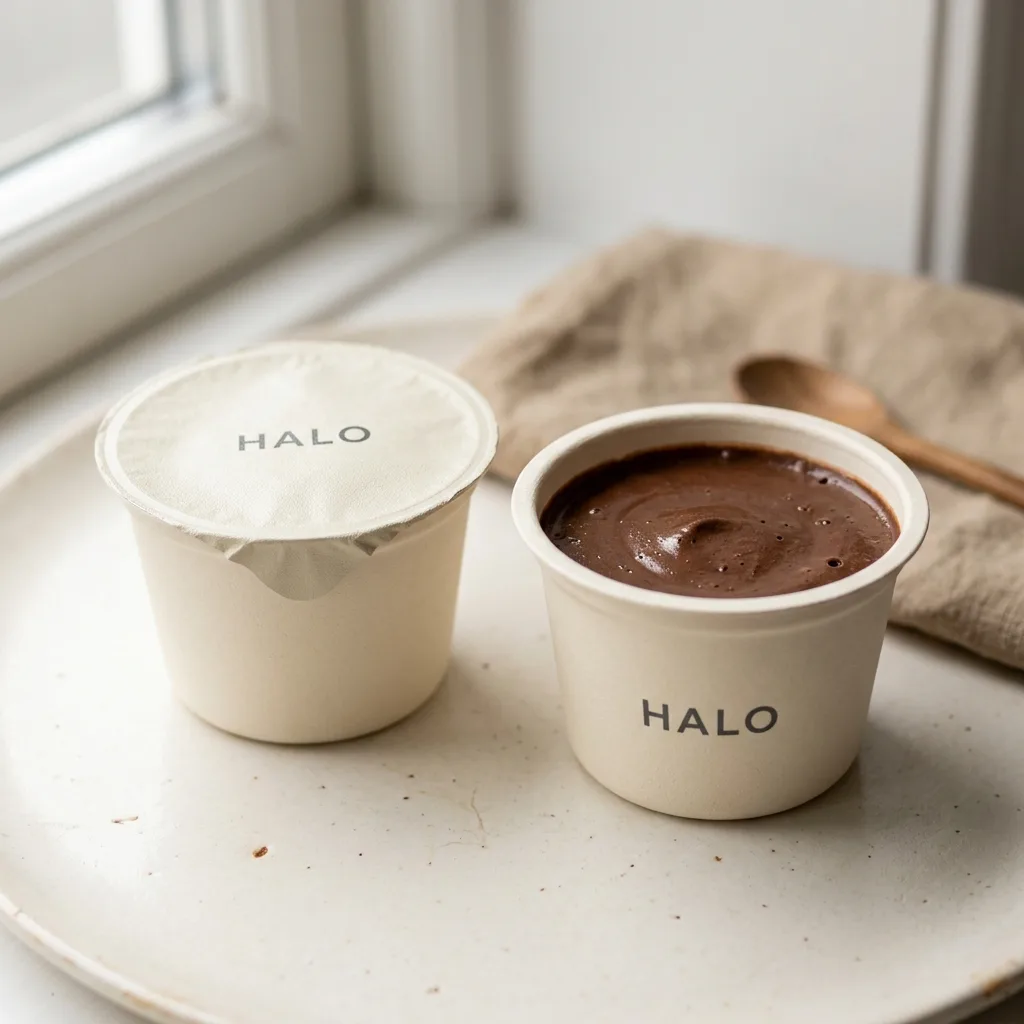
High-Protein Chocolate Mousse Cups
12g protein110 cal
10.9g protein / 100 cal
per serving · 1 cup (100g)
$18.99$3.16 / serving
Preview collection · Sample products · Prices in CAD
Shop by category
Sorted by protein per 100 calories by default. Switch the sort to compare price per serving.
3 sample products
Dawnjar Sample
12g protein110 cal
10.9g protein / 100 cal
per serving · 1 cup (100g)
$18.99$3.16 / serving
Dawnjar Sample
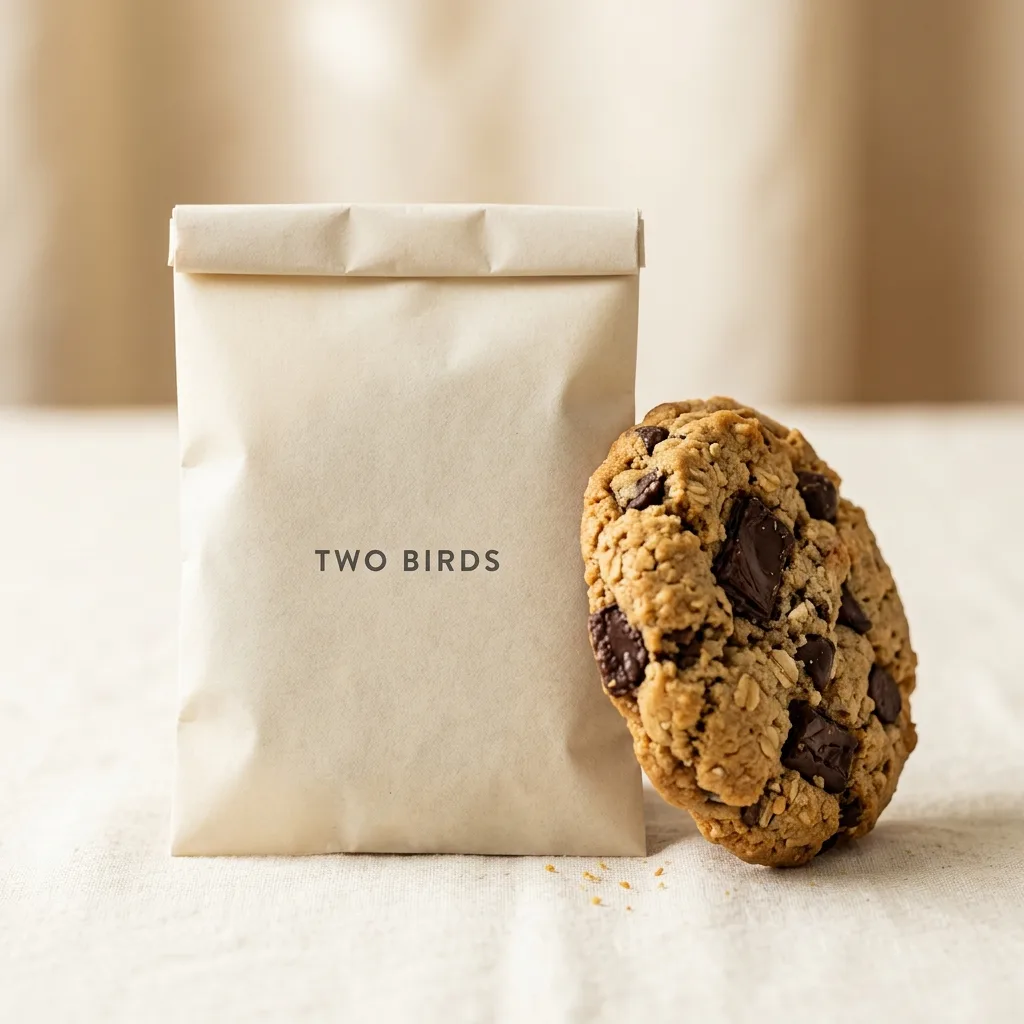
16g protein230 cal
7.0g protein / 100 cal
per serving · 1 cookie (60g)
$29.99$3.75 / serving
Dawnjar Sample
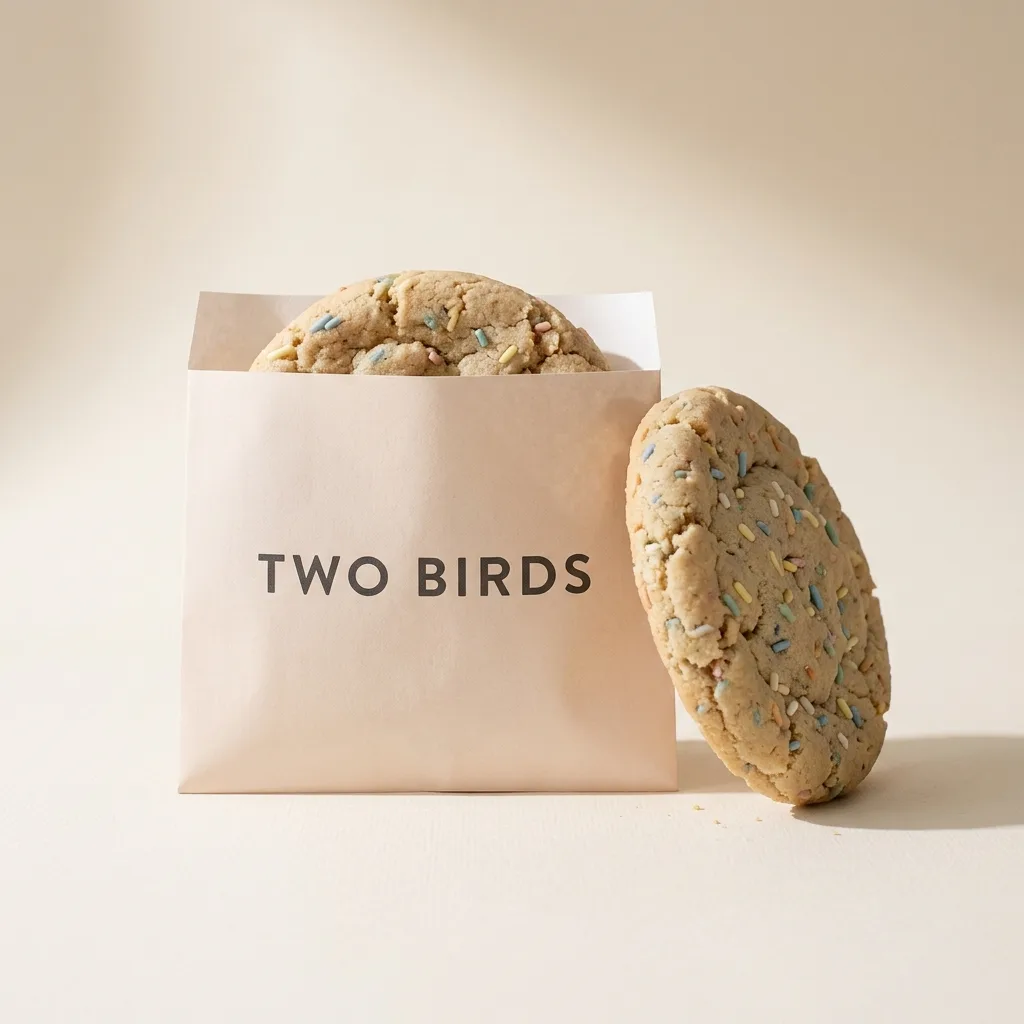
15g protein240 cal
6.3g protein / 100 cal
per serving · 1 cookie (60g)
$29.99$3.75 / serving
Preview collection · Sample products with illustrative nutrition figures. Ordering opens at launch. Nutrition information is general and informational only, not medical advice.
Protein desserts are sweet formats where protein is a headline number: soft-baked cookies and chilled mousse cups here, plus a brownie mix and a chocolate hazelnut spread in the pantry. They usually carry more sugar and calories than chips or drinks, so the comparison puts protein per 100 calories and sugar side by side.
Texture — soft-baked, chilled or fudgy; protein changes how a recipe sets.
Sugar and sweeteners — read total sugars and the ingredient list together.
Protein per 100 calories — desserts score lower than lean snacks, so compare within the format.
Allergens — milk, wheat, soy and nuts are common in protein desserts.
Ready-to-eat cookies are the most portable. Mousse cups need the fridge. Baking mixes take time but let you choose the portion size.
Storage format changes the practical comparison as much as flavour does. A wrapped cookie can be portioned differently from a cup, while a chilled format requires attention to its package directions before and after opening. Read those directions rather than extending one dessert's instructions to another. The existing cookie and mousse records illustrate the formats; they are not proof of storage conditions for future inventory. Think about whether you would finish the stated serving at once or divide it, then check how the package supports that choice. Keep the serving information available if you separate a dessert from its original wrapper.
Portion planning — A cup may look like one portion, but its Nutrition Facts serving still needs checking. For a dessert split across occasions, keep the portion weight consistent instead of estimating each amount from the size of the container.
Storage after opening — Opening changes the packaging situation. Use the label for open-package guidance and best-before information, and do not invent a keeping time from the dessert name or texture.
A cookie's shape does not define the serving in the table. Some labels describe a whole cookie; others describe part of one, and a package may contain more than one serving even when it looks like a single snack. Read servings per package beside serving weight before comparing the chocolate chunk and birthday cake sample formats. If the table covers half a cookie and you are comparing a whole cookie, all the relevant figures must use that whole-cookie basis. The wrapper's net weight helps identify the package size, but it does not replace the table's serving description.
One comparison at a time — Use protein per cookie for the portion question and protein per 100 calories for the ratio question. They can produce different orderings because cookie size and calories both matter. Neither ordering is a prediction of how the cookie tastes.
Ingredients behind the name — Flavour descriptions do not identify every ingredient in a cookie. Read the list for the protein source and sweeteners; for allergens, read the label. Keep those details separate from an assumption based on the picture.
Sweetness can come from more than one ingredient, so the total sugars line and the ingredient list answer different questions. Read both before comparing desserts. Where sugar alcohols are listed separately, keep that entry separate as well. A sweetener name does not establish the final texture: moisture, fats, protein ingredients and the baking or setting process all contribute. Soft-baked, crisp-edged and mousse-style formats are different constructions, not numerical nutrition categories. Use texture as a preference and the table as a comparison, without treating one as evidence for the other. These dessert records use illustrative figures and CAD prices; Dawnjar is a preview, and ordering opens at launch.
Sweet foods such as cookies, mousse cups and brownies made with added protein, so protein is a headline number on the label.
Some do and some don't. Compare total sugars on the label rather than assuming; each sample card shows calories and the protein figures.
Not yet. The desserts here are preview sample records with illustrative figures. Ordering opens at launch.
Yes. Check the serving weight and servings per package rather than assuming one wrapper equals one serving. Use the whole-cookie basis when that is the portion you are comparing.
Not necessarily. Read total sugars and the ingredient list because different sweeteners and recipes can produce different sweetness. Taste descriptions do not replace the label figures.