Dawnjar Sample
High-Protein Chickpea Penne
21g protein320 cal
6.6g protein / 100 cal
per serving · 85g dry
$8.99$2.25 / serving
Preview collection · Sample products · Prices in CAD
Dawnjar · Protein pantry
Protein pasta looks and cooks like regular pasta but is made from ingredients such as chickpeas, lentils or peas, or from wheat with added protein, so a plate carries more protein than classic durum pasta. This guide explains the main types of high-protein pasta, what to compare on the box, and how to cook it well. The pasta shown is a sample record with illustrative figures; ordering opens at launch.
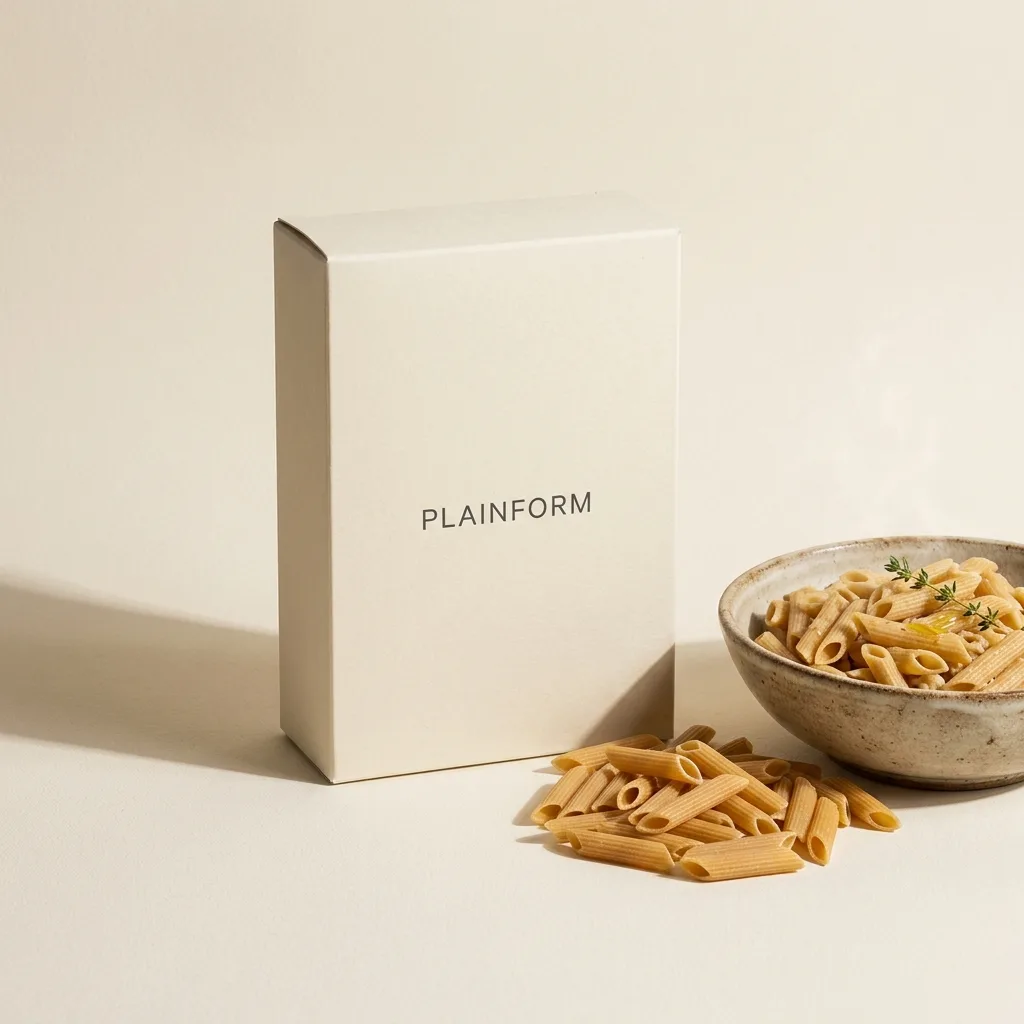
One sample record from the protein pantry: a chickpea and pea penne. Protein per serving, calories and price per serving come straight from the record.
Dawnjar Sample
21g protein320 cal
6.6g protein / 100 cal
per serving · 85g dry
$8.99$2.25 / serving
Preview collection · sample records with illustrative figures · prices in CAD. Ordering opens at launch.
Chickpea pasta — made mostly from chickpea flour; a nutty flavour and a firm bite when cooked al dente.
Red lentil and green lentil pasta — earthier and softer; it cooks quickly, so check it early.
Pea, edamame and black bean pasta — often blended with other flours; colour and texture vary more by brand.
Wheat pasta with added protein — closest to classic pasta in taste and texture, with protein added from wheat, legume or egg ingredients.
Protein per serving, at the same serving size — boxes list servings from about 56g to 85g of dry pasta, so compare like for like.
Fibre — legume pastas usually list more fibre than classic pasta; the Nutrition Facts table shows how much.
Sodium — most dry pasta is low in sodium; the sauce is where sodium adds up.
Ingredients and allergens — check for wheat, soy or egg if those matter to you, and look for a gluten-free label rather than assuming.
Price per serving in CAD — protein pasta costs more per box than durum pasta, so divide by servings.
Use a large pot of well-salted boiling water and stir in the first minute so the pasta doesn't stick. Start tasting two to three minutes before the time on the box: legume pastas go from al dente to soft quickly. Drain as soon as it's ready and toss with sauce straight away. Legume pastas can foam more than wheat pasta; lowering the heat slightly helps. Leftovers are best reheated gently in the sauce.
Compared with classic durum pasta, protein pasta usually lists more protein and fibre per serving and costs more per box. Taste and texture are the trade-off: chickpea and lentil pastas taste nuttier and can be softer, while wheat-based protein pasta stays closer to the original. Many people keep both and choose by dish.
Regular pasta has some protein, but the amount depends on ingredients and the portion described. Read the Nutrition Facts table instead of borrowing a figure for another shape or recipe. Protein-style pasta may use legumes or added protein ingredients; that source description still needs a finished-product table. A legume name alone cannot quantify the protein in a bowl or establish every ingredient in a blend.
Compare packages at the same dry weight before judging the protein difference. A larger labelled serving can show more grams without a greater amount at equal weight. If you calculate an adjusted portion, scale protein and other entries consistently and name the basis. Health Canada says serving size "isn't a recommendation of how much to eat". A serving label supplies a reading reference, not a prescribed plate size.
Cooking adds water and changes weight, so dry and cooked gram portions are different measurements. Use the basis actually stated on the package and avoid putting a dry serving beside an unrelated prepared serving. Sauce, cheese, oil and other additions bring their own figures. A dry-pasta table does not become a complete dish calculation merely because you know the amount of pasta used.
First identify whether the formula uses wheat, a legume flour, eggs or a mixture of sources. Read the whole declaration rather than only a front-panel ingredient. Then compare protein and fibre at the same portion basis, keeping sodium as a separate entry. For nutrients with a daily value, the aid is: % DV: 5% DV or less is a little, 15% DV or more is a lot. It does not replace the portion check.
The regulated gluten sources include wheat, including kamut and spelt, rye, barley, oats and triticale. Health Canada considers foods made under good manufacturing practices with gluten not exceeding 20 ppm from cross-contamination to meet the intent of the gluten-free rule; intentionally added gluten sources must be declared in the ingredient list or a Contains statement. A legume headline is not verification of a finished-product claim.
For CAD comparisons, divide box price by the actual declared serving count and retain dry weight beside the result. If one box has smaller portions, its serving price answers a different question from an equal-weight price. Confirm which size and formula supplied the table. The illustrative penne record remains its own example; its figures should not be reused for regular wheat pasta or another legume recipe.
Choose a shape and preparation that suit the dish you intend to make, then follow the box directions. Texture preferences do not establish protein content, and a cooking adjustment does not justify guessed recipe nutrition. Keep a label note with source ingredients, dry portion, figures and CAD price. That makes a later comparison more useful than a general verdict about all protein-style pasta.
Dry portion — Write down the exact serving weight and whether the table describes the product dry or prepared.
Complete formula — Read every flour and protein ingredient, plus declarations and any precautionary wording, rather than assuming a single-source recipe.
Dish additions — Keep sauces and toppings outside a pasta-only comparison unless their known quantities and figures are calculated separately.
Most protein pasta is made from legume flours such as chickpea, lentil or pea, or from wheat with added protein. The ingredient list on the box tells you which.
It varies by ingredient and serving size, so compare protein at the same dry weight. Dawnjar's card shows protein per serving and price per serving; the figures on this page come from a preview sample record.
Chickpeas don't contain gluten, but some pastas blend in wheat or are made where wheat is processed. Rely on a gluten-free label on the box rather than the main ingredient.
Wheat-based protein pasta tastes close to regular pasta. Chickpea and lentil pastas taste nuttier and earthier and work well with bold sauces.
Cook it in plenty of boiling water, start tasting a few minutes before the box time, and drain it as soon as it's al dente.
Not yet. The pasta on this page is a preview sample record priced in CAD. Ordering opens at launch.
Yes, pasta has some protein; read the Nutrition Facts table for the amount. Match dry-weight servings when comparing packages. Added ingredients and sauces need separate figures.
Compare the label rather than treating protein wording as a health verdict. Read protein, fibre, sodium, serving weight and ingredients together. This guide makes no health claim about a pasta product.
Many formulas contain wheat; legume-only formulas may not, so read ingredients and any actual gluten-free claim. Health Canada's position includes gluten not exceeding 20 ppm from cross-contamination under good manufacturing practices. This guide does not make or verify a gluten-free claim about any pasta.
Dawnjar preview pages use sample product records and illustrative nutrition figures. Ordering opens when real inventory and fulfillment are live. Nutrition information is general and informational only, not medical advice.