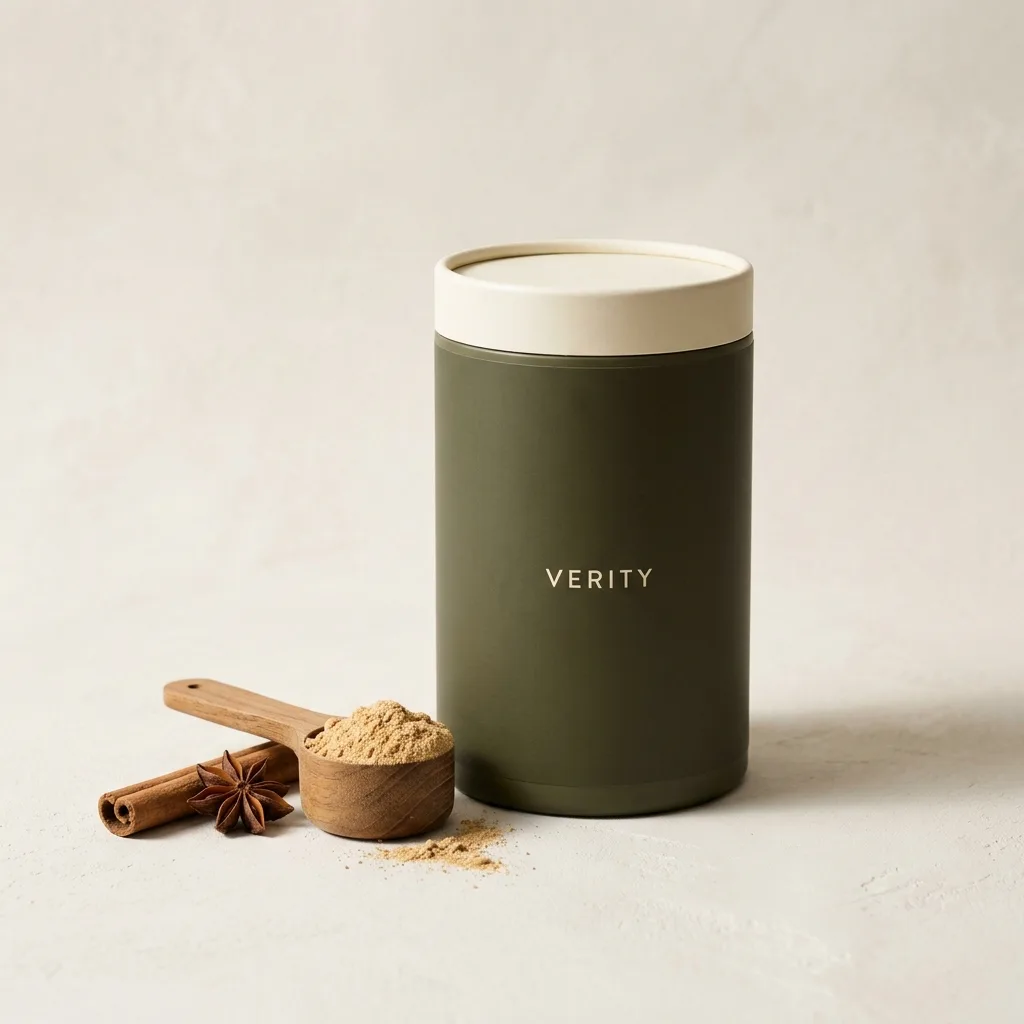
Dawnjar Sample
Plant Protein Blend — Vanilla Chai (1.8 lb)
24g protein130 cal
18.5g protein / 100 cal
per serving · 1 scoop (34g)
$54.99$2.29 / serving
Preview collection · Sample products · Prices in CAD
Dawnjar · High-protein recipes
Tempeh can become crisp cubes, smoky sandwich strips or a crumbly taco filling, depending on how you cut, season and cook it. These six ingredient lists and numbered methods explain those choices without assigning a fixed nutrition total. Start with the package directions and treat the cooking amounts as adjustable starting points. Dawnjar displays sample records with illustrative figures and CAD prices in a preview; ordering opens at launch. The separate powder reference below is not tempeh.
Tempeh is fermented soybeans pressed into a firm cake with visible beans. Some packages add grains or seasoning. Read the ingredient list and cooking directions: plain and sauced cakes are different starting points, not one universal protein amount.
For a milder flavour, steam or gently simmer plain tempeh for about ten minutes where package directions allow. Drain well and pat the surface dry before marinating. This optional preparation can soften a pronounced flavour; it is not a substitute for required cooking. Handle softened slices carefully so they do not break when turning.
Marinate with a little soy sauce, citrus, oil and garlic, keeping tempeh refrigerated. Reserve clean finishing sauce separately. Drain excess marinade before browning; add sugary finishing sauces late so they do not burn.
Ingredients: Plain tempeh, oil, paprika, garlic powder and optional cornstarch.
Ingredients: Tempeh, soy sauce, smoked paprika, maple syrup and oil.
Ingredients: Tempeh cubes, broccoli, bell pepper, ginger, checked teriyaki sauce and cooked rice.
Ingredients: Tempeh, onion, cumin, paprika, tomato paste, tortillas and toppings.
Ingredients: Cooked smoky tempeh strips, bread, lettuce, tomato and a checked spread.
Ingredients: Tempeh cubes, rice, shredded carrots, cucumber, peanut butter, lime and water.
Dry surfaces and space between pieces are useful for browning. A crowded tray traps moisture, leaving the tempeh softer even if the outside looks dark from sauce. Divide a large batch between trays where needed and rotate them according to your oven. Thin strips need a gentler turn than cubes; a broad spatula supports their length.
Keep unopened tempeh under its package storage conditions. Once opened, retain the label and follow the stated guidance; fermentation does not establish a universal keeping period. Refrigerate prepared portions promptly using reliable food-handling guidance. Record the preparation date and keep fresh vegetables and sauces separate if they would soften a crisp component.
A soybean headline is not the full ingredient list. Some cakes include grains, while prepared sauces introduce their own ingredients. Health Canada names wheat, rye, barley, oats and triticale as gluten sources in the regulations. Read ingredient lists and any Contains statement, and assess any gluten-free wording on the specific package instead of assigning that status to tempeh as a category.
Use the label for the actual plain or marinated tempeh, then account separately for rice, bread, peanut sauce and toppings. A cooked cube and a dry-weight package portion may not be the same unit. Weigh in the preparation state named on the label and record the finished recipe yield.
Health Canada says serving size "isn't a recommendation of how much to eat". Scale ingredient protein grams to the amounts used, add them and divide by the finished portions. Include fillings and toppings; label rounding makes this an estimate.
Soy, wheat, peanuts and sesame are priority allergens described by Health Canada. Check the tempeh cake, sauces, peanut butter, bread and toppings independently. A different grain, spread or sauce changes the declarations to inspect; do not infer them solely from the central soybean ingredient.
Health Canada says priority allergens must be identified by common name on pre-packaged food labels. Read the ingredient list, Contains statement and precautionary wording on every package. Recheck substitutions; this guide does not determine personal suitability.
Serving basis — Read the Nutrition Facts table at its stated portion, not at the size of a scoop or homemade piece.
Every ingredient — Check Contains and may-contain wording for sauces, seasonings and toppings too.
Recipe changes — Record substitutions and finished yield.
CAD cost — Count ingredient amounts used, keeping recipe cost separate from sample prices.
“tempeh recipes” receives about 1,900 searches a month in Canada, per Semrush data pulled October 2026.
“tempeh recipe” receives about 1,600 searches a month in Canada, per Semrush data pulled October 2026.
The existing plant-blend powder record is a separate example of ingredient comparison. It is not tempeh, a marinade, a ready-made meal or a substitute for the cake used here. The sample figures and CAD prices are illustrative, not recipe totals or verified package labels. Dawnjar is a preview; ordering opens at launch.
Dawnjar Sample
24g protein130 cal
18.5g protein / 100 cal
per serving · 1 scoop (34g)
$54.99$2.29 / serving
Preview collection · sample records with illustrative figures · prices in CAD. Ordering opens at launch.
Select a recipe format first, then buy only the sauce and toppings you plan to use. Compare CAD cost for the usable tempeh amount rather than assuming different cake sizes are equal portions. Check whether a pre-seasoned package suits your chosen sauce before adding another strong flavour. Read the tofu and plant-meal guides for related cooking formats without transferring their labels to tempeh.
Tempeh is fermented soybeans pressed into a firm cake. Some packages add grains or other ingredients. Read the complete label and preparation instructions.
Steaming is optional where package directions allow, and can soften a pronounced flavour. Drain and dry it before browning. It does not replace required cooking.
Dry the surface, use a little oil and leave space between pieces. Brown before adding a wet finishing sauce. Follow the package cooking guidance as well as checking texture.
Check the exact label; some tempeh includes grains, and sauces can add gluten sources. A plain soybean ingredient list does not establish a gluten-free claim for every package or finished meal. Read Health Canada’s gluten-free guidance alongside ingredient and Contains wording.
Follow the package storage guidance; this guide does not promise a universal keeping period. Retain opening and preparation dates. Refrigerate prepared portions appropriately and do not use questionable leftovers.
Not yet; Dawnjar is a preview, and ordering opens at launch. The separate plant-powder sample has illustrative figures and a CAD price. It does not represent tempeh inventory.
Dawnjar preview pages use sample product records and illustrative nutrition figures. Ordering opens when real inventory and fulfillment are live. Nutrition information is general and informational only, not medical advice.