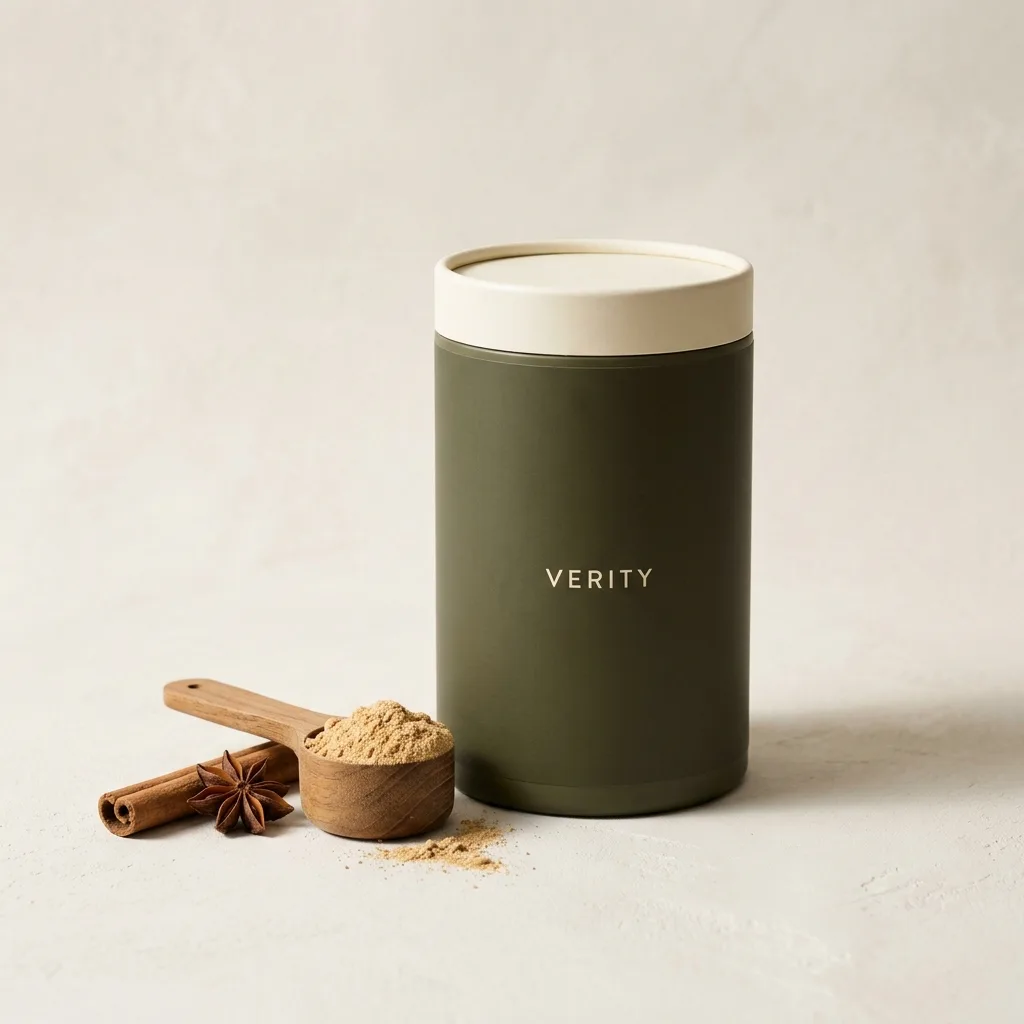
Dawnjar Sample
Plant Protein Blend — Vanilla Chai (1.8 lb)
24g protein130 cal
18.5g protein / 100 cal
per serving · 1 scoop (34g)
$54.99$2.29 / serving
Preview collection · Sample products · Prices in CAD
Dawnjar · Protein foods
Spirulina is a strongly coloured ingredient whose protein headline often uses a much larger comparison weight than a spoonful. This guide separates the reference concentration from the portion you measure, then considers taste, mixing and labels.
Spirulina is the common food name for material from cultivated cyanobacteria, often described commercially as blue-green algae. Dried versions appear as powders, flakes or other preparations.
“spirulina protein” receives about 720 searches a month in Canada, per Semrush data pulled October 2026. This describes search interest, not a measured recipe result or a statement about current Dawnjar inventory.
Weigh the portion or use the package’s stated gram equivalent when reading a commercial label. Compaction, physical form and the spoon itself can alter the relationship between volume and mass.
Compare the actual gram portion and protein entry for each package. A pea powder, soy ingredient and hemp ingredient can have different processing forms, flavours and declared servings.
Complete-protein vocabulary concerns amino-acid composition, not simply total protein grams. The total-protein entry used here does not provide an amino-acid assessment of the commercial product.
Spirulina can taste earthy, savoury or sea-like, with intensity depending on the ingredient and amount. Its green-blue colour can dominate a pale drink before you have added much by volume.
Berry, banana and citrus preparations create different flavour contrasts, but none guarantees that the ingredient will disappear. Cocoa can create a darker appearance while adding its own dry texture.
Ingredients: Prepared fruit, milk or a labelled plant beverage, optional yogurt or silken tofu, and spirulina in an amount permitted by its preparation directions.
Keep a note of the ingredient amounts if you plan to repeat the flavour. A changed liquid or fruit base can make a previously pleasant amount taste stronger.
Read protein, sugars and serving grams separately from any front-label wording. Health Canada’s "low in sugar" condition is 5 g or less per reference amount and serving, and per 50 g if the reference amount is 30 g or less. This guide does not assign that claim to spirulina packages, smoothies or sample records.
Read each package in the form you actually use. Health Canada says serving size "isn’t a recommendation of how much to eat". A label portion helps you interpret that ingredient; it does not prescribe the size of a homemade snack, bowl or drink. Keep dry and prepared entries separate when a package provides both.
Serving and protein — Record the serving weight or volume beside protein grams. Measure additions using the same basis rather than assuming every scoop, spoon or bottle is equal.
Sugars and ingredients — Read the sugars line alongside the ingredients. Fruit, syrups and sweeteners play different recipe roles; a pleasant taste is not a measurement of sugar.
%DV — % DV: 5% DV or less is a little, 15% DV or more is a lot. Apply this reading aid only to nutrients with a %DV entry.
Allergen declarations — Check the ingredient list, Contains statement and any may-contain wording on every package, including toppings and flavour additions.
CAD portion cost — Divide the package price in CAD by the portions it actually supplies. Include separately purchased additions when comparing complete preparations, without assigning their costs to a powder-only figure.
Milk and soy are priority allergens in Canada. These priority allergens must be identified by common name on pre-packaged food labels. Read the package in your hand rather than borrowing declarations from a similar-looking ingredient. A source name, colour or homemade substitution does not establish the declarations of the finished preparation.
These existing samples illustrate label comparisons only, not the food or recipe in this guide. Their figures and CAD prices are illustrative; ordering opens at launch.
Dawnjar Sample
24g protein130 cal
18.5g protein / 100 cal
per serving · 1 scoop (34g)
$54.99$2.29 / serving
Preview collection · sample records with illustrative figures · prices in CAD. Ordering opens at launch.
Inspect the ingredients for the version you intend to make. Match package size to its storage directions and compare actual portion cost. Check new labels whenever you change an ingredient.
Follow ingredient and appliance directions. Recipes here are adjustable starting points, not tested formulas. Ask a registered dietitian about personal protein needs; Dawnjar does not verify other packages’ claims.
The 2026 CNF dried reference lists 57.47 g per 100 g; a measured serving contributes a smaller amount. Its 4 g reference portion calculates to about 2.30 g protein. Use your package’s own portion and protein line.
Total protein grams alone do not establish an amino-acid assessment for the product you are comparing. This guide uses a total-protein reference, not a verified commercial-product profile. Ask for product-specific composition information.
It can taste earthy, savoury or sea-like, depending on the ingredient and amount. Its colour can be noticeable even in a small mixture. Begin with the label’s preparation directions and adjust flavour gradually.
Use the labelled preparation amount with suitable fruit and liquid, following the blender’s instructions. Measure the ingredient rather than estimating from colour. The method here supplies no finished-drink nutrition total.
They describe concentration, not necessarily the portion you use. Keep the original serving weight visible when scaling a figure. A spoonful’s weight can differ between product forms.
No; Dawnjar is a preview and ordering opens at launch. The shelf is a separate plant-blend sample with illustrative figures and CAD prices. It is not a spirulina product listing.
Dawnjar preview pages use sample product records and illustrative nutrition figures. Ordering opens when real inventory and fulfillment are live. Nutrition information is general and informational only, not medical advice.