Dawnjar Sample
High-Protein Chickpea Penne
21g protein320 cal
6.6g protein / 100 cal
per serving · 85g dry
$8.99$2.25 / serving
Preview collection · Sample products · Prices in CAD
Dawnjar · High-protein recipes
A vegetarian lunch can be a warm bowl, a crisp wrap or a collection of foods you assemble at your desk. Start with eggs, tofu, beans, lentils, yogurt or cheese, then build around the texture and serving format you want. The ideas below include short ingredient lists and assembly instructions rather than invented protein totals. Vegetarian versions may include eggs and milk ingredients; vegan versions omit animal-derived ingredients. Dawnjar is a preview with illustrative sample figures and CAD prices, and ordering opens at launch.
Start with beans for a wrap, lentils for a salad, tofu for a bowl or eggs for a sandwich. Add bread, grains or noodles, then vegetables and sauce for contrast. Keep handheld fillings less wet than spoonable bowls.
Read protein at the portion you use, without assigning a meal target. Yogurt dressing is a different amount from a yogurt bowl; scattered cheese differs from a cheese-led plate. Quantities, not recipe titles, describe the ingredients.
"Vegetarian food for lunch" receives about 480 searches a month in Canada, per Semrush data pulled October 2026. The ideas here cover workday packing and home assembly, with no single nutrition figure assigned to those different formats.
Chickpea salad wrap — Ingredients: cooked chickpeas, yogurt or a plant dressing, diced celery, lemon, lettuce and a wrap. Mash some chickpeas, mix with the dressing and celery, then spoon onto lettuce inside the wrap. Keep the filling fairly thick so the wrap does not become soggy.
Lentil salad jar — Ingredients: cooked lentils, cucumber, tomato, parsley, feta if wanted, and lemon dressing. Place dressing at the bottom, add lentils and firm vegetables, and keep delicate herbs above. Tip into a bowl to mix rather than expecting dressing to distribute evenly through a packed jar.
Tofu rice bowl — Ingredients: cooked tofu, rice, broccoli, shredded carrot and your chosen sauce. Prepare tofu using a recipe you enjoy, then place it over rice with vegetables. Pack the sauce separately for a firmer tofu exterior, or combine at serving for a saucier bowl.
Egg salad sandwich — Ingredients: cooked eggs, yogurt or mayonnaise, mustard, chives, bread and lettuce. Chop the eggs and fold through enough dressing to bind, then season to taste. Put lettuce between the bread and filling to preserve texture; read the dressing ingredients as well as the bread label.
Black bean quesadilla — Ingredients: cooked black beans, grated cheese, tortillas, peppers and salsa. Mash some beans, spread thinly over a tortilla and add cheese and peppers. Fold and cook in a pan until the filling is heated and the outside is crisp, following your chosen recipe. Carry salsa separately.
Greek yogurt and veggie plate — Ingredients: plain Greek yogurt, cucumber, carrot sticks, herbs, lemon and bread or crackers. Stir herbs and lemon into yogurt to make a dip, then arrange the vegetables and bread beside it. Use a portion of yogurt intended as the main ingredient, not just a decorative spoonful.
Edamame noodle salad — Ingredients: prepared edamame, cooked noodles, shredded cabbage, carrot and ginger dressing. Cook edamame and noodles according to their packages, then combine with vegetables once prepared for a cold salad. Add the dressing close to serving, and check noodle and sauce ingredients rather than guessing from their names.
Cottage cheese toast — Ingredients: cottage cheese, bread, tomato, pepper and fresh herbs. Toast the bread, spoon on cottage cheese and finish with tomato and herbs. For packed lunch, carry the topping separately and assemble when you can; warm toast sealed immediately in a container loses its crisp texture.
Bean chili leftovers — Ingredients: prepared bean chili, cooked rice if wanted, grated cheese or a plant topping, and coriander. Portion the chili separately from crisp toppings and follow general chilled-storage and reheating guidance. Use a microwave-suitable container if reheating at work, and follow its instructions before closing or venting the lid.
Protein pasta salad — Ingredients: pasta with a stated protein ingredient, cooked white beans, cucumber, tomatoes, herbs and a vinaigrette. Cook the pasta to its package directions, then combine with the other prepared ingredients. Read dry versus prepared nutrition wording; the dressing and beans are additions, not part of a pasta-only figure.
Choose a shallow box for a plate or a container with room to stir a bowl, plus a separate sauce cup. Keep chilled preparations refrigerated and follow general storage guidance. Plan around work refrigeration and reheating; a sealed lunch bag alone does not establish suitable storage.
Cook lentils, wash vegetables and label dressings for different assemblies. Put bread-based meals together near serving when texture matters. Record preparation dates and follow recipe handling directions; no fixed storage period applies to every combination.
Replace the egg filling with chickpea mash or prepared tofu and review the dressing. Check a plant yogurt’s protein entry before substituting it. Plant quesadilla toppings have their own ingredients and figures, not those of dairy cheese.
Review bread, noodles, sauces and dressings for animal-derived ingredients as well as replacing eggs and dairy. These swaps do not verify vegan status for any sample record.
Health Canada says the table lists calories plus 12 nutrients per serving, and serving size "isn’t a recommendation of how much to eat". Check the declared portion before comparing tofu, yogurt, canned beans or pasta. A dry pasta serving and a cooked lunch bowl describe different stages; account for added ingredients separately.
Eggs, milk, soy, wheat and sesame are relevant checks across these lunches, including dressings and breads. Priority allergens must be identified by common name on pre-packaged food labels. Read ingredients, Contains statements and precautionary wording on each package; vegetarian wording does not establish allergen suitability for anyone.
Central ingredient — Record the portion of tofu, beans, eggs or yogurt actually used, rather than only the meal’s name.
Bread and sauce — Read wraps, noodles, dressings and toppings as separate ingredient sources with their own declarations.
Preparation basis — Keep dry, drained and prepared label wording beside the numbers you are comparing.
Packing instructions — Follow ingredient storage guidance and container instructions for the lunch you choose.
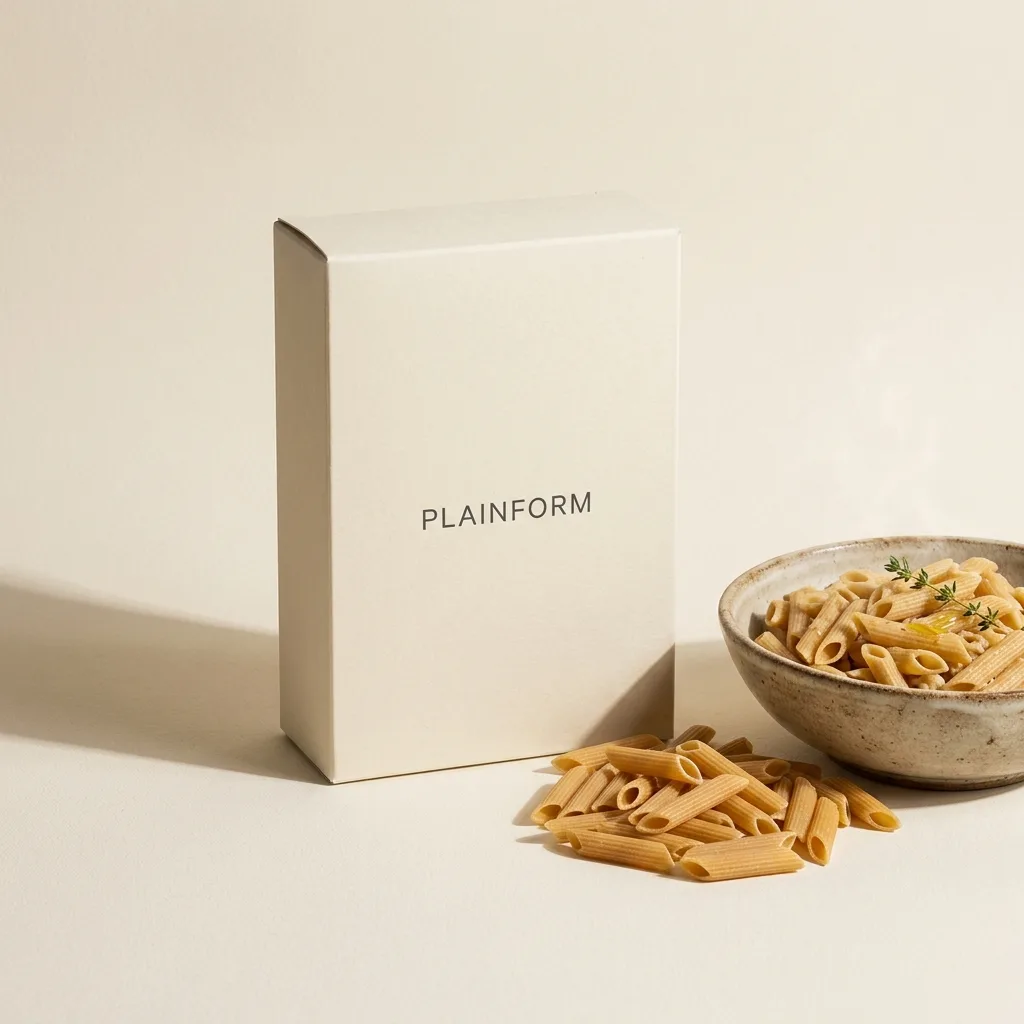
The chickpea pasta sample is a separate pantry-format reference with illustrative figures and a CAD price. It does not calculate a pasta salad, represent prepared lunch availability or verify vegetarian status. Use the actual packages in your kitchen for ingredient decisions.
Dawnjar Sample
21g protein320 cal
6.6g protein / 100 cal
per serving · 85g dry
$8.99$2.25 / serving
Preview collection · sample records with illustrative figures · prices in CAD. Ordering opens at launch.
Select a lunch format that fits your day, then check the main ingredient, sauce and container needs before collecting extras. Consider whether you can refrigerate or reheat it and how you want the food to feel when assembled. Missing reverse-label details remain questions to resolve, not facts to infer from a front-panel protein name.
It is a vegetarian meal built around protein ingredients such as tofu, beans, eggs or yogurt. Amounts depend on the actual portions. Check ingredient labels rather than relying on a universal meal figure.
Tofu, lentils, beans, eggs, Greek yogurt and cheese are practical ingredient options. Choose a wrap, salad, bowl or plate around them. Compare their actual labelled portions, not equal-looking spoonfuls.
Choose a suitable container and keep dressings separate when you want to preserve texture. Keep chilled ingredients refrigerated and follow general storage guidance. Plan for the refrigeration and reheating available at work.
Vegetarian lunches may include eggs and milk ingredients; vegan lunches omit animal-derived ingredients. Check bread, dressings and sauces as well as the main ingredient. A swap does not imply identical protein figures.
Yes; prepare components such as cooked lentils, vegetables and dressings for later assembly. Follow recipe and ingredient handling directions. This guide establishes no guaranteed storage period for the combined lunches.
No; Dawnjar currently shows preview samples, with ordering opening at launch. Sample prices are in CAD and figures are illustrative. These assembly ideas are not prepared meals available to order.
Dawnjar preview pages use sample product records and illustrative nutrition figures. Ordering opens when real inventory and fulfillment are live. Nutrition information is general and informational only, not medical advice.