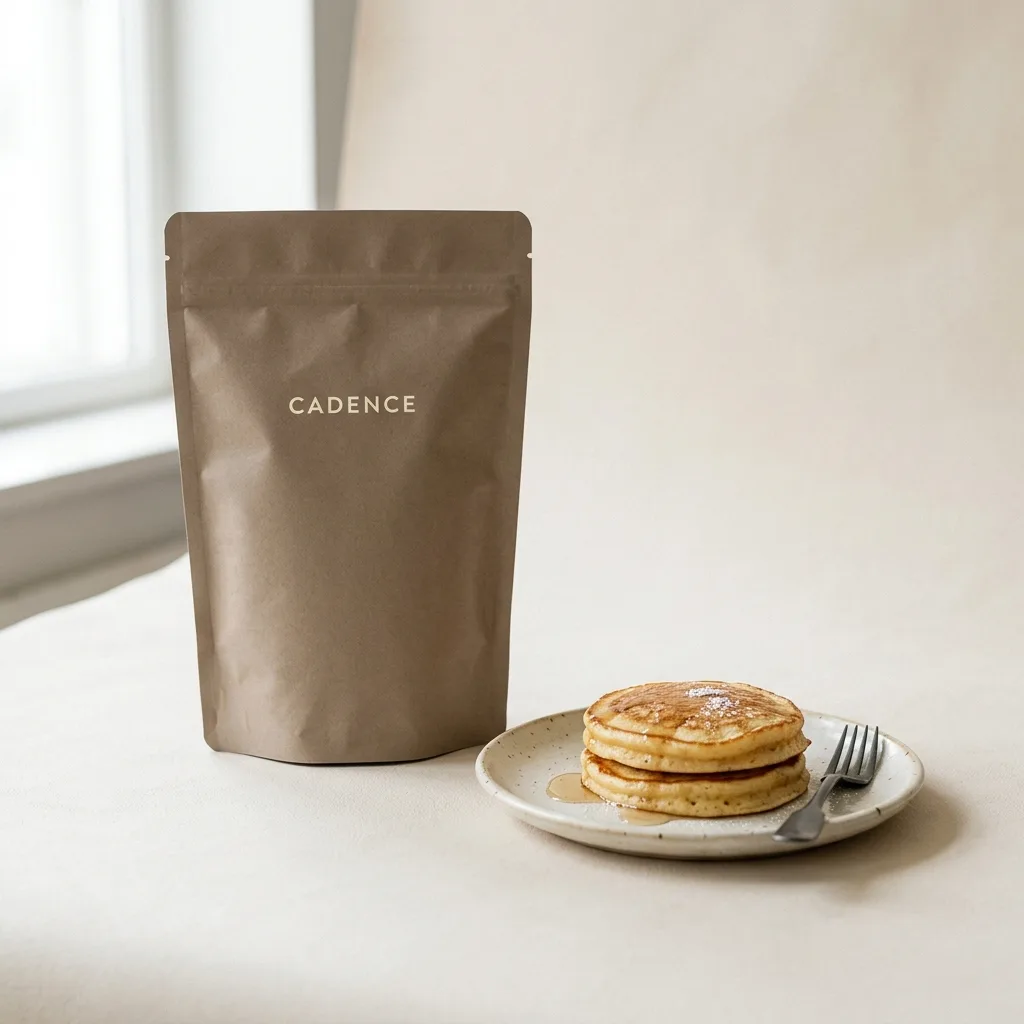
Dawnjar Sample
Protein Pancake Mix
24g protein260 cal
9.2g protein / 100 cal
per serving · 70g dry mix
$24.99$2.50 / serving
Preview collection · Sample products · Prices in CAD
Shop by category
Sorted by protein per 100 calories by default. Switch the sort to compare price per serving.
3 sample products
Dawnjar Sample
24g protein260 cal
9.2g protein / 100 cal
per serving · 70g dry mix
$24.99$2.50 / serving
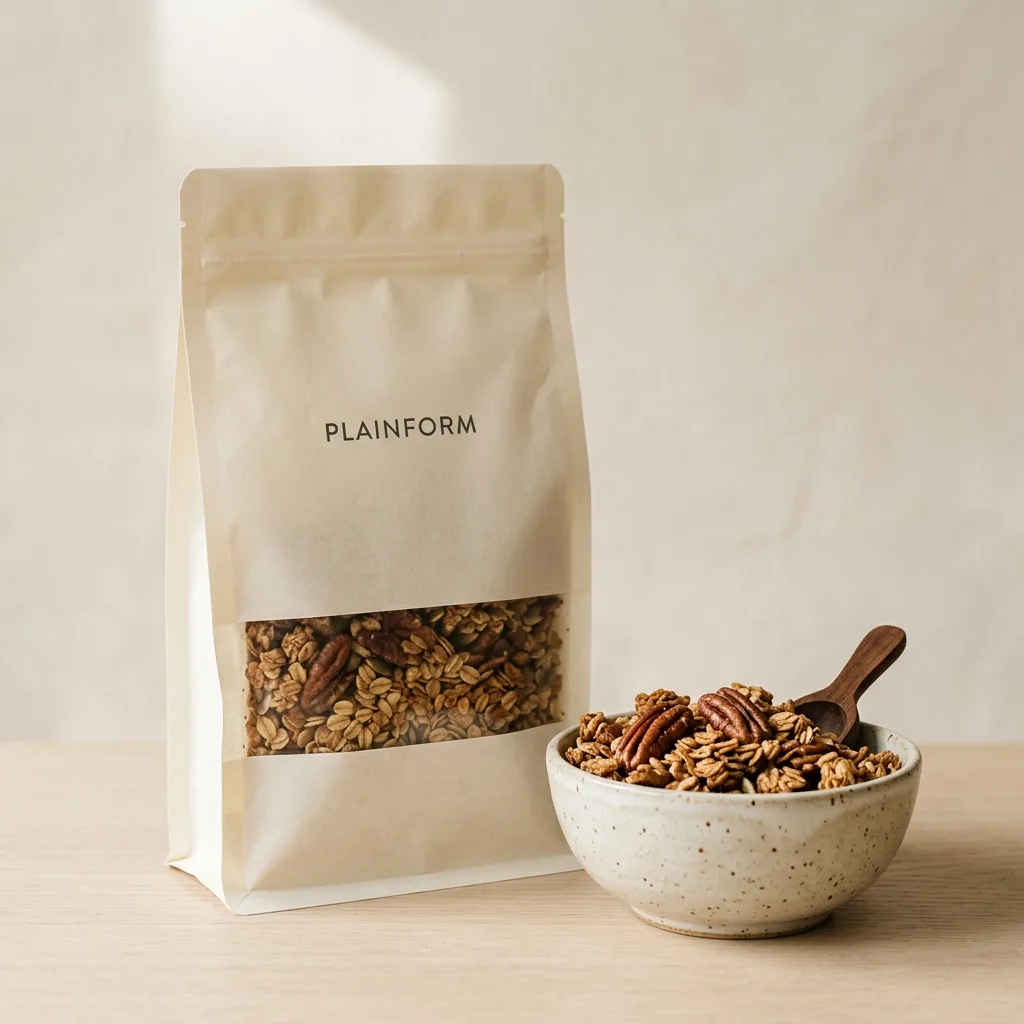
Dawnjar Sample
20g protein240 cal
8.3g protein / 100 cal
per serving · 60g
$22.99$2.87 / serving
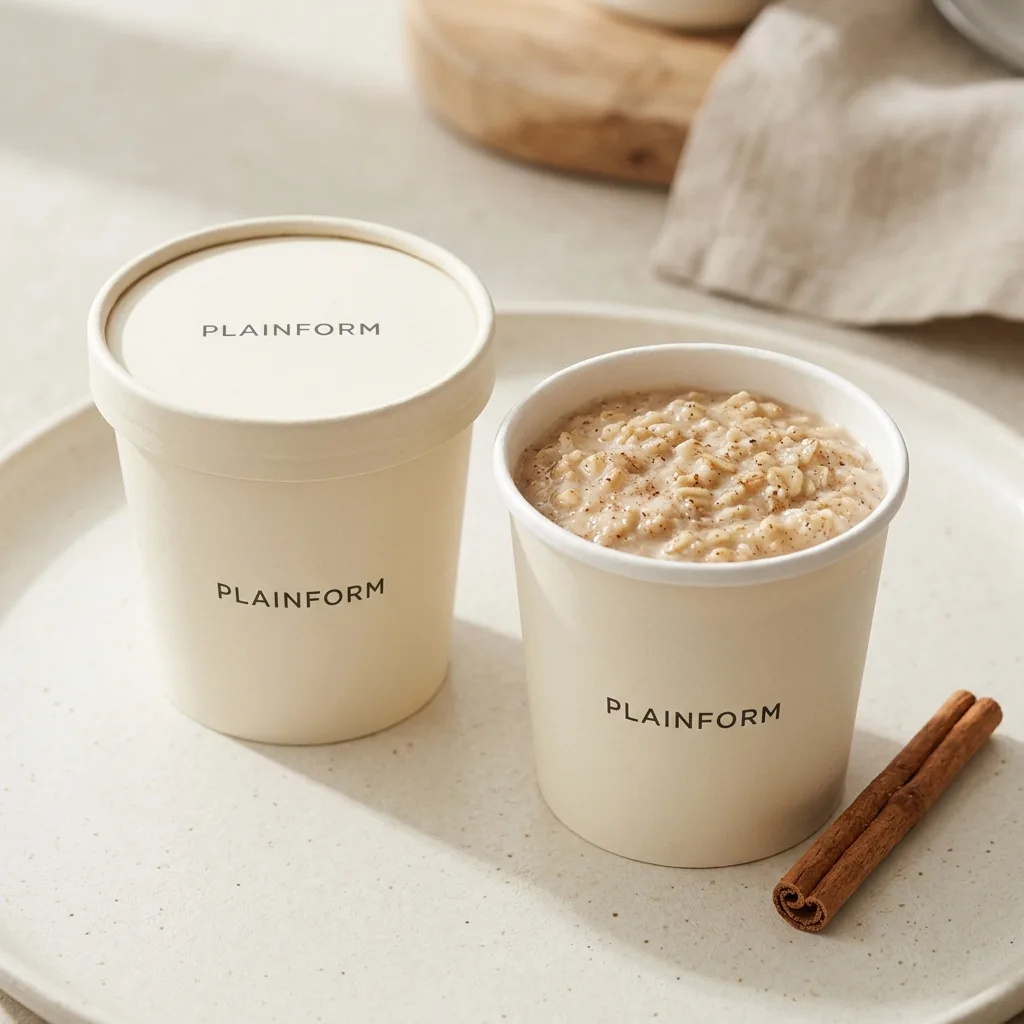
Dawnjar Sample
20g protein250 cal
8.0g protein / 100 cal
per serving · 1 cup (65g)
$23.99$4.00 / serving
Preview collection · Sample products with illustrative nutrition figures. Ordering opens at launch. Nutrition information is general and informational only, not medical advice.
Protein granola adds milk, pea or soy protein to oats, nuts and seeds, so a bowl carries more protein than classic granola. Compare protein per serving at the same serving size, because granola servings range from about 40g to 60g, and check sugar on the Nutrition Facts table. The maple pecan granola in this collection is a sample record:
Protein pancake mix blends flour with whey or plant protein, so you only add water or milk. Compare protein per prepared serving rather than per scoop of dry mix, and check whether the mix asks for eggs or milk. The buttermilk pancake mix in this collection is a sample record:
Protein oatmeal cups and packets add protein to rolled or quick oats: add hot water, stir and wait. Compare protein per cup, sugar and fibre, and check the allergen statement for milk. The cinnamon oatmeal cups here are a sample record:
Most high protein cereals sold in Canada are granolas, crisps or puffs made with added milk, soy or pea protein. Check whether the label's protein figure includes added milk, then compare protein per serving and price per serving in CAD. In this preview, granola is the cereal format shown.
A high protein pancake mix can present a table for the powder in the bag, for a recipe made according to its instructions, or for both. Identify that heading before reading the protein number. The powder amount and the cooked pancake count are different measurements: a larger pancake uses more batter even if the batch ingredients stay unchanged. Keep the recipe's stated yield beside its prepared figures rather than assigning a batch total to every plate. If you change the additions or the portion size, the printed prepared result no longer describes exactly what you made.
Additions on the shopping list — Record whether the directions require water, milk, eggs or other ingredients. Their contribution is not automatically inside a dry-mix table. Do not construct a new total without known quantities and figures for those additions.
One comparison stage — Compare dry mix with dry mix when examining package composition, or prepared portions with prepared portions when examining the specified recipes. The existing pancake sample illustrates a record; it does not provide facts for another mix with a different recipe.
Drinking a protein shake for breakfast is a format and convenience choice: a prepared bottle and a powder you measure have different steps before you use them. When comparing a protein drink for breakfast with another breakfast format, start with the bottle's millilitres per serving and its serving count. A full bottle may not be the portion shown in the table. A powder preparation also needs its stated scoop mass and liquid instructions kept visible. Neither format name establishes what a complete breakfast contains. Compare the labelled item, and keep any additional food outside its figures unless those amounts are known. For storage and allergens, read the label; follow its directions and when in doubt, do not use it.
High protein cereal can describe several constructions, from flakes or puffed pieces to a clustered granola recipe. Read the serving weight rather than assuming a cereal bowl or cup is a standard portion. Large clusters and loose pieces occupy space differently, so the household measure and gram amount belong together. Check whether the table is cereal-only or assumes an added drink. Sweeteners, nuts and other ingredients are part of the complete recipe; the front protein wording does not describe them all. This breakfast shelf uses the existing maple pecan granola sample, not newly created cereal records. Its illustrative figures and CAD price remain attached to that record alone, with ordering opening at launch.
Protein granola, protein oatmeal cups and protein pancake mix are the simplest store-bought options, and you can pair them with milk or yogurt. The products in this collection are preview sample records; ordering opens at launch.
Many are a flour base with whey or plant protein added, and some use oat or legume flours. The ingredient list tells you what's inside.
Compare protein per serving at the same serving size, then sugar and price per serving in CAD. Dawnjar cards show protein and price per serving.
Not yet. Everything in this collection is a preview sample record. Ordering opens at launch.
Read whether the table describes dry mix or a prepared recipe. A prepared figure depends on the additions and yield specified; changing them changes the comparison.
Identify the bottle serving and the granola weight, then keep any additions separate. Compare each declared portion and its protein-per-100-calories ratio without treating bottle and bowl sizes as equal units.