Dawnjar Sample
Protein Pancake Mix
24g protein260 cal
9.2g protein / 100 cal
per serving · 70g dry mix
$24.99$2.50 / serving
Preview collection · Sample products · Prices in CAD
Dawnjar · High-protein recipes
Egg muffins are small baked egg cups, not bread muffins with egg flavouring. A whisked base holds vegetables, cheese or other fillings in a muffin tin, making the format easy to divide into different combinations. This guide gives an adjustable base, six filling ideas and practical release, freezing and reheating notes. The preparation has no assigned nutrition total. Dawnjar is a preview with sample records, illustrative figures and CAD prices; ordering opens at launch.
Use a standard muffin tin for this adjustable starting batch. These cooking quantities are not nutrition figures or a tested formula. Cottage cheese gives a thicker mixture than milk; pan depth and filling moisture affect cooking. Season modestly because cheese and prepared meats bring their own flavour.
Ingredients: 10 eggs; ¼ cup milk or blended cottage cheese; about 1 cup cooked or finely chopped fillings; salt and pepper; oil or butter for the tin.
Keep the total filling amount similar when changing combinations. Large cold chunks can leave uneven centres, while wet vegetables release liquid into the egg. Chop finely and divide evenly so some cups do not become mostly vegetables and others mostly egg.
Ingredients: Cooked spinach, crumbled feta and a little black pepper.
Ingredients: Cooked ham, grated cheddar and chopped chives.
Ingredients: Tender cooked broccoli florets and grated cheddar.
Ingredients: Sliced mushrooms, grated Swiss-style cheese and thyme.
Ingredients: Diced bell pepper, onion and parsley.
Ingredients: Drained black beans, diced pepper, cumin and optional grated cheese.
Grease every well up the sides and into the corners. Silicone liners can help release but affect cooking; ordinary paper liners may cling. Avoid overfilling and remove the cooked cups before the hot tin dries their edges. Use a utensil suitable for the coating.
Portion the cooked cups into shallow containers and refrigerate promptly using reliable food-handling guidance. Follow ingredient storage directions and do not treat the recipe name as a guarantee of a keeping period. Label containers with the preparation date and filling, especially if several combinations look alike. Keep salsa, fresh herbs and other wet toppings separate until serving.
For freezing, separate individual cups once properly cooled, then pack in a freezer container with lining between layers. Expect some texture change from vegetable moisture. Thaw in the refrigerator where appropriate, or use your appliance instructions for reheating from frozen. Reheat evenly through the centre, pause to check the middle and avoid repeatedly warming the same batch. A short warming time is not proof that a cold centre has heated through.
Protein depends on the eggs, milk or cottage cheese, cheese, beans and actual yield. Ten eggs in the entire batter does not mean ten eggs in each cup. Record the number of cups produced and whether a serving contains one or several. Changing the tin or filling amount changes that portion calculation.
Health Canada says serving size "isn't a recommendation of how much to eat". Scale ingredient protein grams to the amounts used, add them and divide by the finished portions. Include fillings and toppings; label rounding makes this an estimate.
Eggs and milk are priority allergens described by Health Canada. Read milk and cheese labels, and inspect prepared ham, seasonings, salsa and optional fillings for additional declarations. An egg-white substitution still requires reading the egg ingredient label; removing cheese does not settle every other ingredient.
Health Canada says priority allergens must be identified by common name on pre-packaged food labels. Read the ingredient list, Contains statement and precautionary wording on every package. Recheck substitutions; this guide does not determine personal suitability.
Serving basis — Read the Nutrition Facts table at its stated portion, not at the size of a scoop or homemade piece.
Every ingredient — Check Contains and may-contain wording for sauces, seasonings and toppings too.
Recipe changes — Record substitutions and finished yield.
CAD cost — Count ingredient amounts used, keeping recipe cost separate from sample prices.
“egg muffins” receives about 2,400 searches a month in Canada, per Semrush data pulled October 2026.
“egg muffin recipe” receives about 1,600 searches a month in Canada, per Semrush data pulled October 2026.
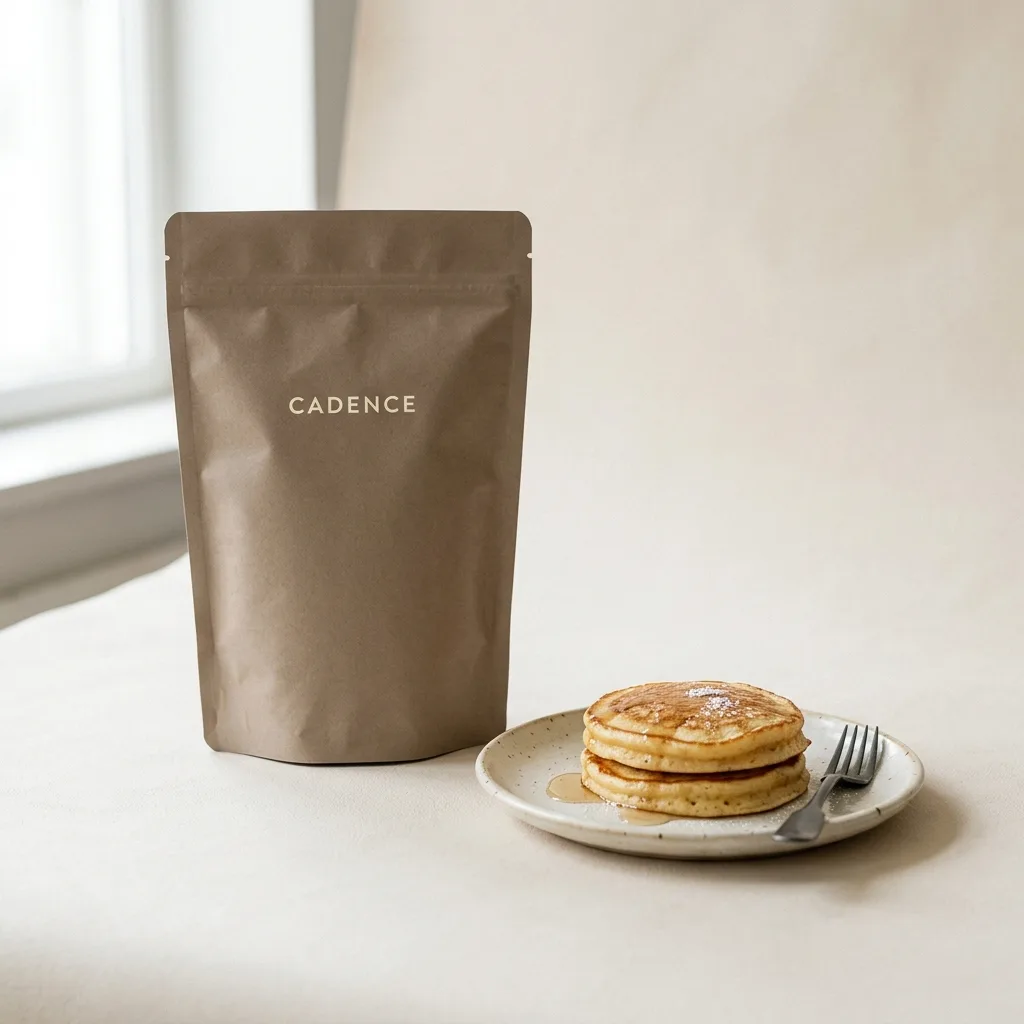
The separate pancake-mix record illustrates a breakfast label layout only; it is not an egg muffin, egg carton or filling. The sample figures and CAD prices are illustrative, not recipe totals or verified package labels. Dawnjar is a preview; ordering opens at launch.
Dawnjar Sample
24g protein260 cal
9.2g protein / 100 cal
per serving · 70g dry mix
$24.99$2.50 / serving
Preview collection · sample records with illustrative figures · prices in CAD. Ordering opens at launch.
Choose the filling combination before shopping so you can check every ingredient and avoid buying a large package for a small garnish. Compare egg counts, usable cheese amounts and drained bean quantities rather than box size alone. A non-stick tin, an evenly heated oven and dry fillings matter more to release and texture than calling the recipe a muffin. Use the breakfast and meal-prep guides for other preparation formats.
Start checking around eighteen minutes, but cook until the centres are fully set. Pan depth, oven behaviour and fillings change the timing. Time alone does not establish that the egg is cooked.
Grease each well thoroughly or use liners intended for egg baking. Let the cups settle briefly before loosening the sides. Use a utensil suitable for the pan coating.
Yes, properly handled cooked cups can be portioned into freezer containers. Separate layers and expect some texture change. Follow ingredient and food-handling guidance rather than assuming a guaranteed keeping period.
Reheat evenly through the centre using your appliance instructions. Check the middle rather than judging only the warm edges. Avoid repeatedly reheating the same portions.
Yes, but an egg-white batch has a different texture and may need timing adjustments. Follow the carton directions and begin with a small trial. Egg declarations still need checking.
Not yet; Dawnjar is a preview, and ordering opens at launch. The separate breakfast sample has illustrative figures and a CAD price. It is not prepared egg-muffin inventory.
Dawnjar preview pages use sample product records and illustrative nutrition figures. Ordering opens when real inventory and fulfillment are live. Nutrition information is general and informational only, not medical advice.