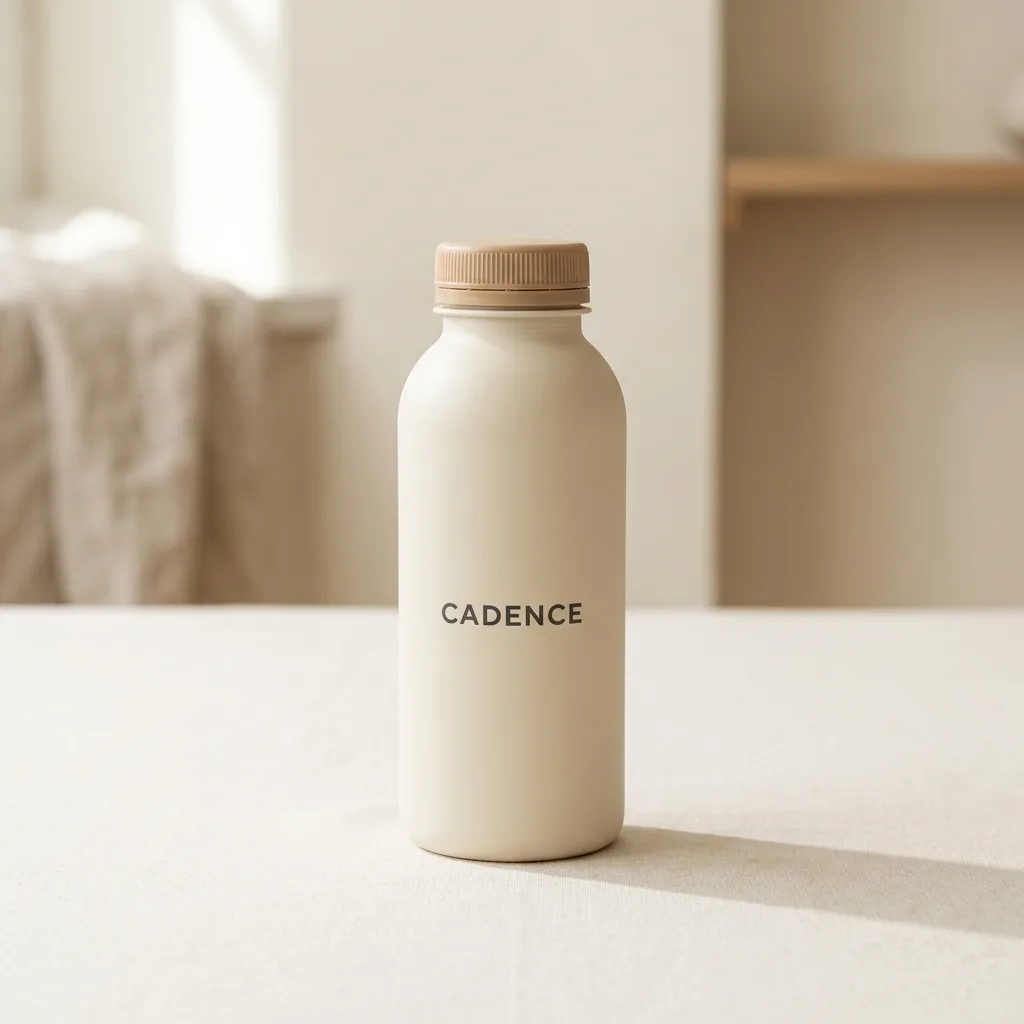
Dawnjar Sample
Ready-to-Drink Protein Shake — Vanilla
30g protein160 cal
18.8g protein / 100 cal
per serving · 1 bottle (330ml)
$49.99$4.17 / serving
Preview collection · Sample products · Prices in CAD
Dawnjar · Practical buying guides
High protein milk can describe a processed milk product, a recipe with added protein or a plant drink formulated for that label description. The carton tells you which construction and portion you are comparing. This guide separates processing wording from lactose statements, flavour and cost, without assigning a standard protein amount to all milk products. Dawnjar does not list plain milk or plant-milk samples. The existing vanilla and mocha ready-to-drink shakes shown below are related drink comparisons only, not milk cartons. Their figures and CAD prices are illustrative, and ordering opens at launch.
Ultrafiltration uses a membrane process to separate components of milk and can concentrate milk protein in the resulting formulation. That general process does not define the complete recipe or supply the carton’s protein amount. Read the product's wording to see how it describes the milk and inspect the Nutrition Facts table for the finished serving. Processing can be one part of the label explanation without becoming a claim about every product that uses the term.
Protein-added milk instead describes a recipe containing a separately declared protein ingredient, although a finished product's wording needs to be read in full. Check the ingredients rather than treating ultrafiltered and protein-added as interchangeable descriptions. A milk-based drink can also include flavourings or other components. Keep the construction name, full recipe and nutrient entries in separate notes; the front high protein phrase is not a substitute for any of them.
Find the millilitre amount represented by the table, including any cup measure given alongside it. Cup wording alone should not be used to assume that two cartons describe identical portions. Read protein, calories and sugars for that specific volume and keep it beside the figures. A larger declared serving can explain a larger protein entry without establishing a higher concentration in the product. Do not invent a universal amount for a cup of high protein milk.
If you want a common volume comparison, convert using each product's own declared portion and known figures. Preserve the original table basis so the result can be traced back to the carton. The amount you pour into a shake or cereal bowl may differ from that printed portion, and it needs measuring for a complete recipe calculation. This page does not provide milk nutrition from a general source name or reuse the shake samples' figures as milk values.
For lactose information, read the label and the product's own lactose statement. Ultrafiltered wording and a high protein claim do not establish that statement by themselves. Some formulations may describe lactase treatment or another process, but the complete product declaration remains the relevant information. Keep the wording exactly as supplied rather than converting a processing term into a broader assurance. The lactose-label guide explains how that statement differs from protein source and ingredient wording.
Read milk allergen information separately even where lactose-free wording appears. This is a distinction between label statements, not a suitability assessment by Dawnjar. The package's ingredient and precautionary wording cannot be borrowed from another flavour or carton. If you have dietary needs, follow your own advice rather than treating this carton comparison as a suitability assessment. Neither of the ready-to-drink sample records below is designated a lactose-free milk product by this article, and an absent claim remains absent.
Chocolate versions can include cocoa, flavourings and sweeteners in addition to the milk construction. Read those ingredients and the sugars entry for the declared volume instead of assuming a chocolate name defines the complete formula. Plain and chocolate cartons can have different serving figures, so check each one independently. A cocoa description also does not establish a taste ranking. Choose a flavour preference while keeping its actual table available for comparison.
For caffeine information where cocoa is involved, read the label rather than inventing an amount from the chocolate description. The recipe's sweetness can depend on flavourings and texture as well as the sugars line. A mocha shake is a different finished product from chocolate milk, and its figures cannot describe a missing chocolate milk sample. The shelf includes related drinks only; no chocolate milk record or combined recipe nutrition is created here.
Plant drinks can be formulated from soy, pea, oat, almond or combinations of ingredients. Protein varies widely by product, so read the actual table rather than assigning a standard amount from the plant name. A recipe may include a separately added protein ingredient, and a front description does not reveal all its quantities. Keep flavour, sweetener wording and serving volume beside the protein entry when comparing cartons.
Read the ingredient and allergen statements, including any may-contain wording, on the specific package. A plant source is not a replacement for those declarations. Likewise, plant drink wording does not supply the product's own lactose statement. Different recipes can behave differently in cereal or a shake, so consider flavour and texture as preparation preferences rather than source-based superiority. Dawnjar has no soy, pea, oat or almond drink sample to fill a missing label figure.
To find cost for a stated cup portion, use the package price and the number of those portions the carton contains. Confirm the cup volume from the comparison you are making rather than assuming a shared measure. If you work from total millilitres, divide the portion volume by the package volume and multiply by package price. Use known figures from the same product and currency throughout; no milk price example is invented here.
Keep the carton price visible as well as the portion cost because package size changes the amount committed at once. A shake or cereal bowl has its own milk quantity, which may not match the cup portion. Powder, cereal and other ingredients add separate costs. The ready-to-drink sample cards below calculate their own illustrative CAD metrics only, not milk-carton costs or a completed recipe total. No fixed price relationship is claimed between milk constructions and plant drinks.
For a shake, follow the powder's liquid instructions and read the milk-or-water guide for the taste, texture and recipe boundaries of different liquids. The powder-only table does not already include the milk you choose unless prepared figures explicitly describe that combination. Measure the liquid and retain its carton information if you want a documented finished recipe. No general milk label can stand in for the particular formulation you pour.
For cereal, check whether the printed prepared figures assume a specific milk before adding the liquid's entries again. Different carton choices or quantities change that preparation. The cereal guide focuses on dry portions and table headings, while the grocery checklist helps keep recipe quantities organized. Dawnjar's related shake samples remain separate products with illustrative figures, not plain milk substitutes. Follow the package for storage and use, and when in doubt, do not use it; no usable period is guaranteed here.
Dawnjar Sample
30g protein160 cal
18.8g protein / 100 cal
per serving · 1 bottle (330ml)
$49.99$4.17 / serving
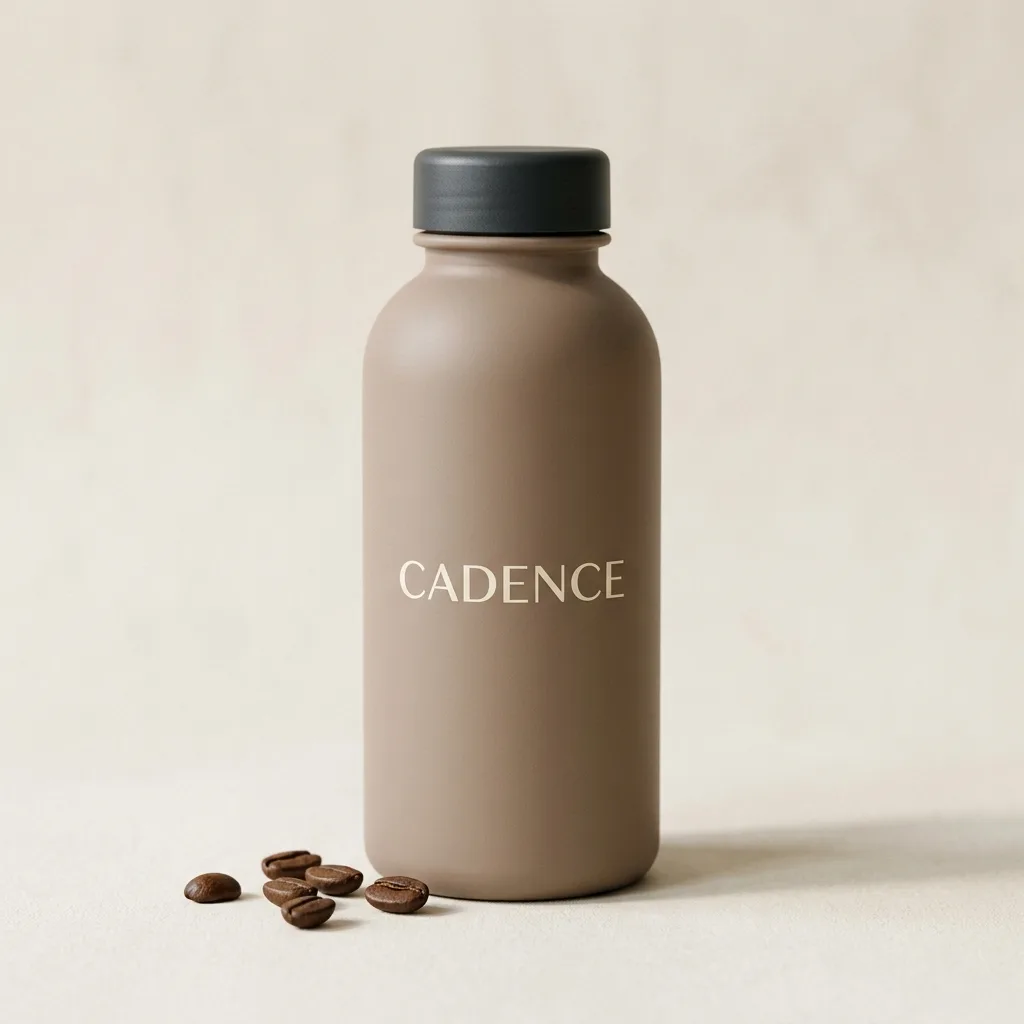
Dawnjar Sample
30g protein170 cal
17.6g protein / 100 cal
per serving · 1 bottle (330ml)
$49.99$4.17 / serving
Preview collection · sample records with illustrative figures · prices in CAD. Ordering opens at launch.
A product may use ultrafiltration to concentrate milk protein or include a separately added protein ingredient in its recipe. Read the actual processing wording and ingredient list because those descriptions do not define one universal formulation. The finished Nutrition Facts table supplies protein for its own stated volume, not a general milk amount.
Do not infer that claim from ultrafiltration wording. Read the label and the product’s own lactose statement, together with the full ingredient and allergen declarations. A processing term and a lactose claim answer different questions. This guide does not assess suitability or designate the related shake samples as lactose-free milk.
It varies by product and by the volume represented as a cup on the label. Find that serving line and read protein for the declared amount. Keep the original volume when converting to a common basis. No fixed figure is supplied here, and a shake sample’s protein entry cannot describe a milk carton.
No shared amount follows from the plant-drink category. Soy, pea, oat and almond recipes can differ and may include additional protein ingredients. Read each product’s table and serving volume, along with its ingredient wording. Compare the actual records rather than transferring one carton’s numbers to every drink with the same source name.
Use the quantity poured and the carton’s package volume and price, keeping the currency consistent. That gives the liquid component’s cost when the inputs are known. Cereal, powder and other additions remain separate. A printed cost per cup also needs its cup volume checked before being applied to another recipe portion.
No plain milk or plant-milk samples are listed here. The shelf shows existing vanilla and mocha ready-to-drink shake records as related drink comparisons only. Their illustrative figures and CAD prices belong to those formulas, not milk cartons or completed cereal bowls; ordering opens at launch.
Dawnjar preview pages use sample product records and illustrative nutrition figures. Ordering opens when real inventory and fulfillment are live. Nutrition information is general and informational only, not medical advice.