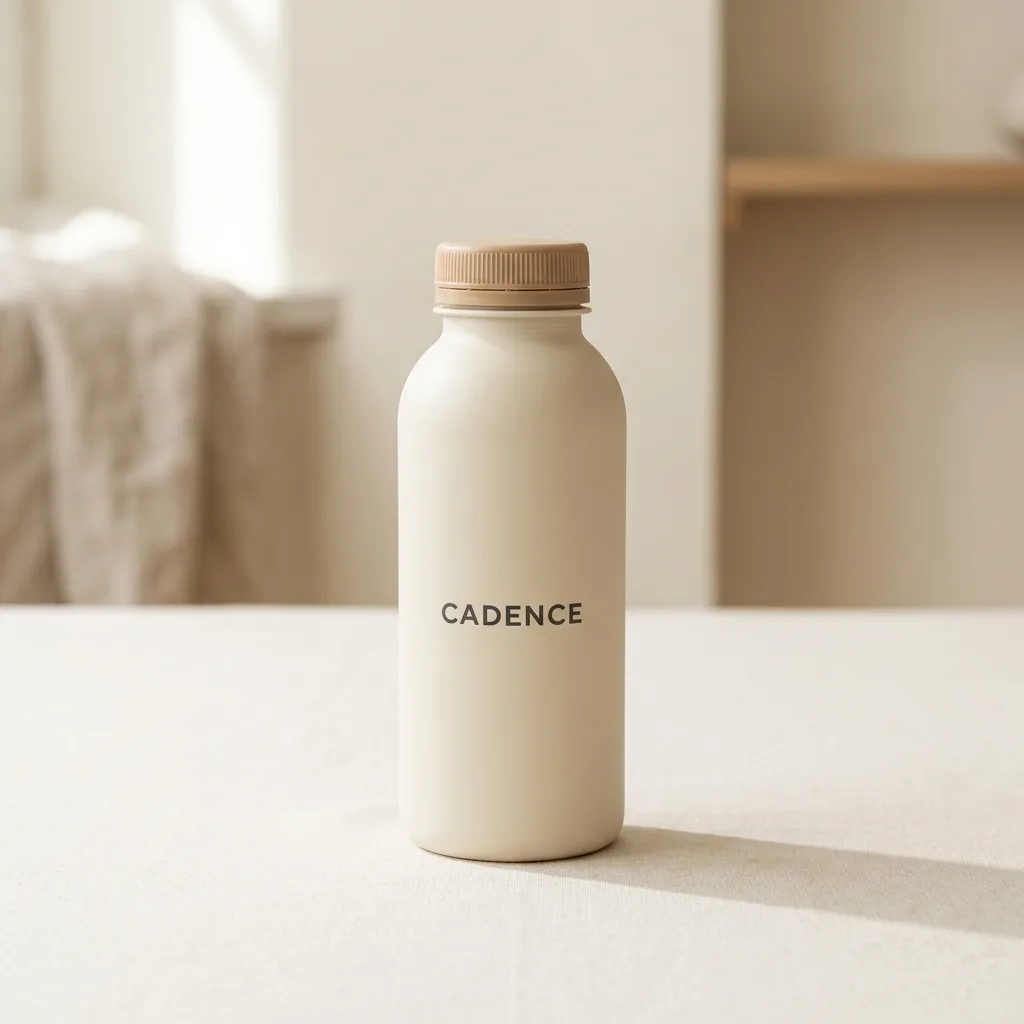
Dawnjar Sample
Ready-to-Drink Protein Shake — Vanilla
30g protein160 cal
18.8g protein / 100 cal
per serving · 1 bottle (330ml)
$49.99$4.17 / serving
Preview collection · Sample products · Prices in CAD
Dawnjar · Practical buying guides
A protein shake for breakfast can begin with a bottle or with ingredients you measure at home. Those choices have different preparation steps and cost boundaries, so decide what you are comparing before reading the headline protein number. This guide focuses on morning preparation, recipe preferences and label units, without calling a shake a meal replacement or promising what it will provide for a particular person. Dawnjar shows existing ready-to-drink and vanilla powder sample records only. Their figures are illustrative and their prices are in CAD; ordering opens at launch. Fruit, oats and other recipe suggestions are general ingredients, not extra sample products with invented figures.
A ready-to-drink bottle removes measuring and mixing from the preparation, while a powder requires its stated portion, an appropriate liquid and a mixing method. Think about the actual sequence you prefer: opening a package, measuring ingredients, blending and washing the container are different tasks. A bottle also needs its handling instructions read rather than being assumed suitable for every storage situation. The convenience comparison is about those practical steps, not a claim that one format serves everyone better.
Powder can give you more choices over liquid and recipe texture, but those choices make the finished drink different from the powder-only table. A bottle is a complete formulation with its own declared portion. Compare the items at the same stage: finished bottle with finished recipe when all ingredients are known, or powder with powder when examining dry ingredients. The existing samples illustrate these format boundaries without supplying a nutrition total for a homemade breakfast shake.
Read the serving line first and determine whether a bottle's table represents the whole bottle or a smaller volume. For powder, locate the gram weight and scoop count used for the declaration. Then record protein, calories, sugars and fibre for that exact portion. A fibre entry is part of the table to compare, not a promised outcome from choosing the drink. Larger labelled portions can carry larger figures across several lines, so keep portion size visible instead of ranking items by one headline number.
Prepared figures on a powder package may assume a specified liquid. Check whether you are reading dry powder values, a prepared recipe or both. If you use a different liquid or change its quantity, do not keep the original prepared total as though nothing changed. Sweetener wording also deserves a separate look because the sugars line does not predict the whole flavour experience. For allergens, read the actual ingredient and allergen statements; a short sample card is not a complete replacement for the package.
Begin a home recipe with the powder's recommended preparation, then consider how you want it to pour and taste. Water, milk or another drink changes the flavour base and the amount of liquid in the mixture. For lactose details, read the label and the product's own lactose statement. Ice can make a drink colder and dilute it as it melts. If you use a blender, leave adequate space in the container and follow the appliance and ingredient directions instead of treating every recipe as suitable for the same method.
Fruit, oats and nut butter are optional recipe preferences, not required additions or promises about a finished shake. Fruit pieces can alter sweetness and thickness; oats can leave a different texture from a liquid-only mixture; nut butter brings its own flavour and consistency. Start with measured quantities and make a small trial if the combination is unfamiliar. Read labels for ingredients and allergens. A recipe note that records what you added is more useful for repeating the drink than a vague instruction to blend anything available.
That depends on personal needs and what you normally choose to eat. A shake name alone cannot answer it. Compare the labelled calories and protein of the portion with the breakfast you would otherwise prepare, without treating a matching number as proof that the foods are interchangeable. The ingredients, portion, flavour and preparation experience may differ. This page does not claim that a shake replaces a meal or specify how much breakfast anyone should have.
If you pair a drink with toast, yogurt or another food, those items remain separate from the bottle's printed figures. Likewise, a shake with oats and fruit is not described fully by its powder scoop. You can compare a documented complete recipe when its quantities and labels are known, but no complete-breakfast total is invented here. Describe the actual food and drink choices rather than turning the word breakfast into a fixed nutrient checklist that applies to every person.
A coffee-style shake may be a premixed mocha recipe, powder mixed into coffee or another home preparation. Identify which format you mean, because the flavour name does not define the ingredient list or temperature instructions. The existing mocha bottle sample provides a finished-drink example; it does not stand in for a cup of brewed coffee with added powder. Read the label for caffeine information and do not supply a total from a general coffee description or another drink's figures.
The protein coffee guide discusses mixing and the difference between coffee flavour and a coffee ingredient in more detail. If you plan a warm recipe, follow the powder's own directions rather than assuming cold-shake instructions support heating. Texture can change with liquid and temperature, so keep those details in your preparation notes. Flavour preference is enough reason to compare vanilla and mocha without attaching an extra promise to either. The preview has no measured home coffee recipe or invented caffeine amount.
For a ready-to-drink package, divide its price by the number of declared servings to find serving cost. Check the serving count rather than assuming every bottle is exactly one portion. For powder, use tub price divided by its stated serving count. Keep both calculations in CAD and preserve the serving definition beside the result. This establishes the cost of the labelled item, not the cost of any food you choose to have with it.
A powder recipe also has the cost of its liquid and any fruit, oats or other additions. Record those separately before calling a figure the cost of the finished shake. Equal package prices do not imply equal serving counts, and a larger tub asks for a different up-front commitment from an individual bottle. The sample cards illustrate existing arithmetic only. They do not announce launch prices or assign a shopping cost to general ingredients discussed in this article.
A simple morning recipe note can name the powder, its measured amount, liquid quantity, additions and mixing method. Keep the final portion description too, especially if the recipe makes more than one glass. That lets you compare the same preparation next time instead of silently changing what a serving means. A bottle requires fewer recipe notes, but its label portion still belongs in the comparison. Use the preparation you actually intend to make rather than an image of a drink in a differently sized glass.
For ingredient planning, the breakfast category covers granola, oatmeal and pancake mix, while the drinks category groups ready-to-drink shakes, clear formats and other existing samples. Those are related browsing paths, not a prescribed breakfast menu. Read storage and preparation directions on the package and, when in doubt, do not use it. No handling period is guaranteed here. Dawnjar's cards remain sample records with illustrative figures, and ordering opens at launch rather than through the current preview.
Dawnjar Sample
30g protein160 cal
18.8g protein / 100 cal
per serving · 1 bottle (330ml)
$49.99$4.17 / serving
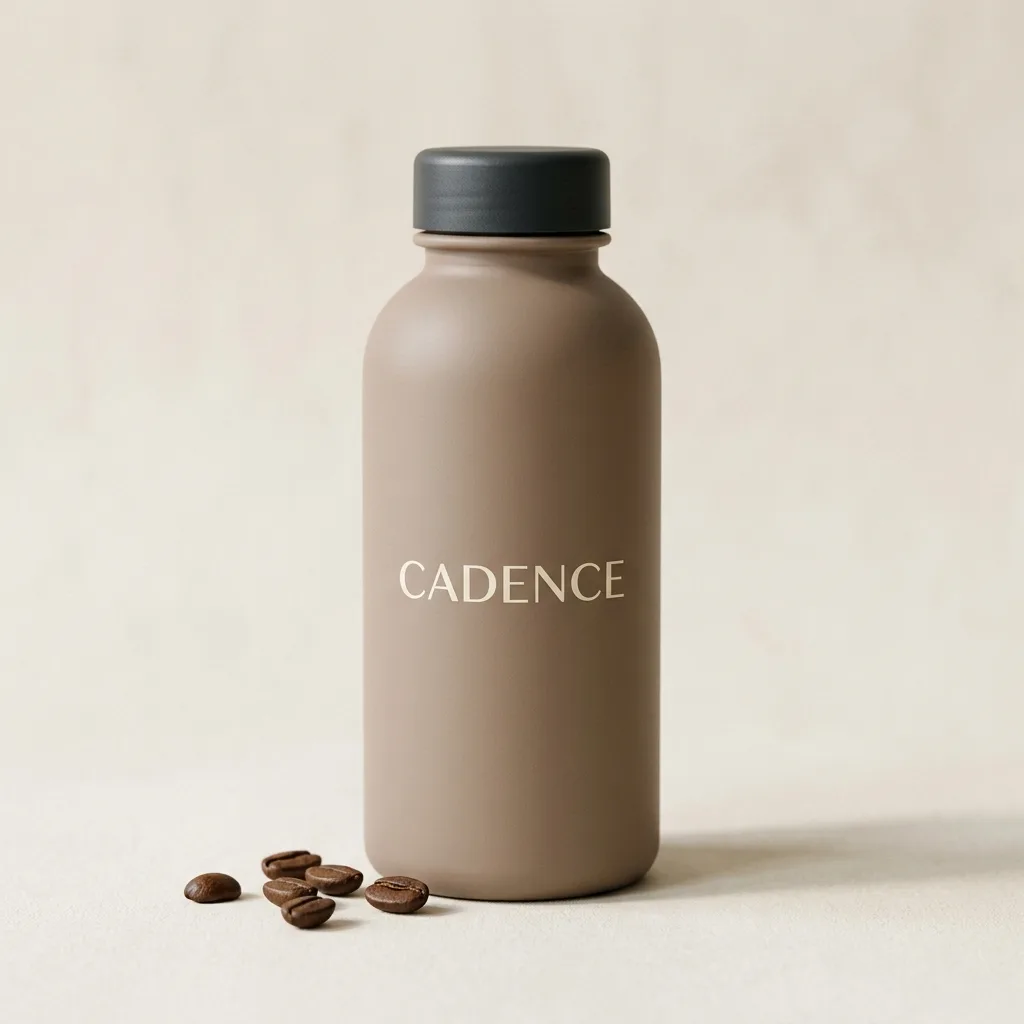
Dawnjar Sample
30g protein170 cal
17.6g protein / 100 cal
per serving · 1 bottle (330ml)
$49.99$4.17 / serving
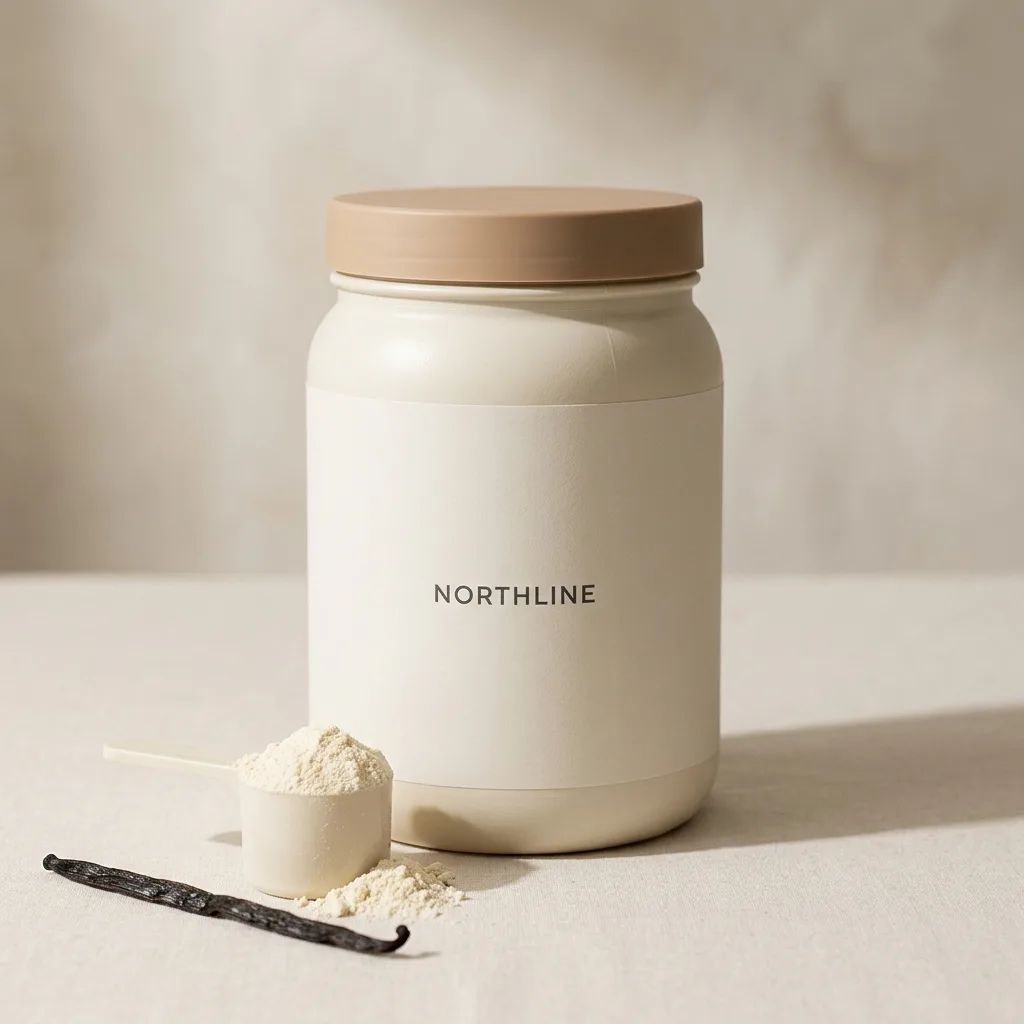
Dawnjar Sample
25g protein110 cal
22.7g protein / 100 cal
per serving · 1 scoop (30g)
$59.99$2.00 / serving
Preview collection · sample records with illustrative figures · prices in CAD. Ordering opens at launch.
It depends on your personal needs and the breakfast you would normally choose. Compare the actual portion’s calories and protein without assuming a shake name answers the question. Foods with similar figures are not automatically interchangeable. This guide makes no meal-replacement claim and does not prescribe a breakfast amount.
Name the portion for each before comparing. A bottle may hold multiple declared servings, and a powder table can describe a specific scoop count or gram weight. Powder-only figures exclude your liquid and additions unless stated otherwise. A finished bottle and a documented complete home recipe are a different comparison from bottle and dry powder.
Liquid, fruit, oats or nut butter can be recipe preferences, depending on the flavour and texture you want. Use measured amounts and preparation directions suited to your powder and appliance. Read ingredient and allergen labels. No nutrition total or benefit is assigned to those additions without the actual products and quantities.
The flavour name is not a measured caffeine statement. Read the specific package for caffeine information and ingredients, and do not borrow an amount from brewed coffee or another shake. A mocha bottle and powder mixed into coffee are different finished recipes, so keep their labels and preparation details separate.
Divide the package price by its declared number of servings, keeping the stated portion beside the result. For a home powder recipe, that first figure covers the powder only. Add known costs for the liquid and other ingredients separately if you want a complete recipe comparison, rather than inventing a finished total.
Not during the preview. The shelf uses existing ready-to-drink vanilla and mocha records plus a vanilla whey isolate record, with illustrative figures and CAD prices. They are not a completed breakfast recipe or live inventory. Ordering opens at launch, and additional recipe ingredients discussed here are general descriptions only.
Dawnjar preview pages use sample product records and illustrative nutrition figures. Ordering opens when real inventory and fulfillment are live. Nutrition information is general and informational only, not medical advice.