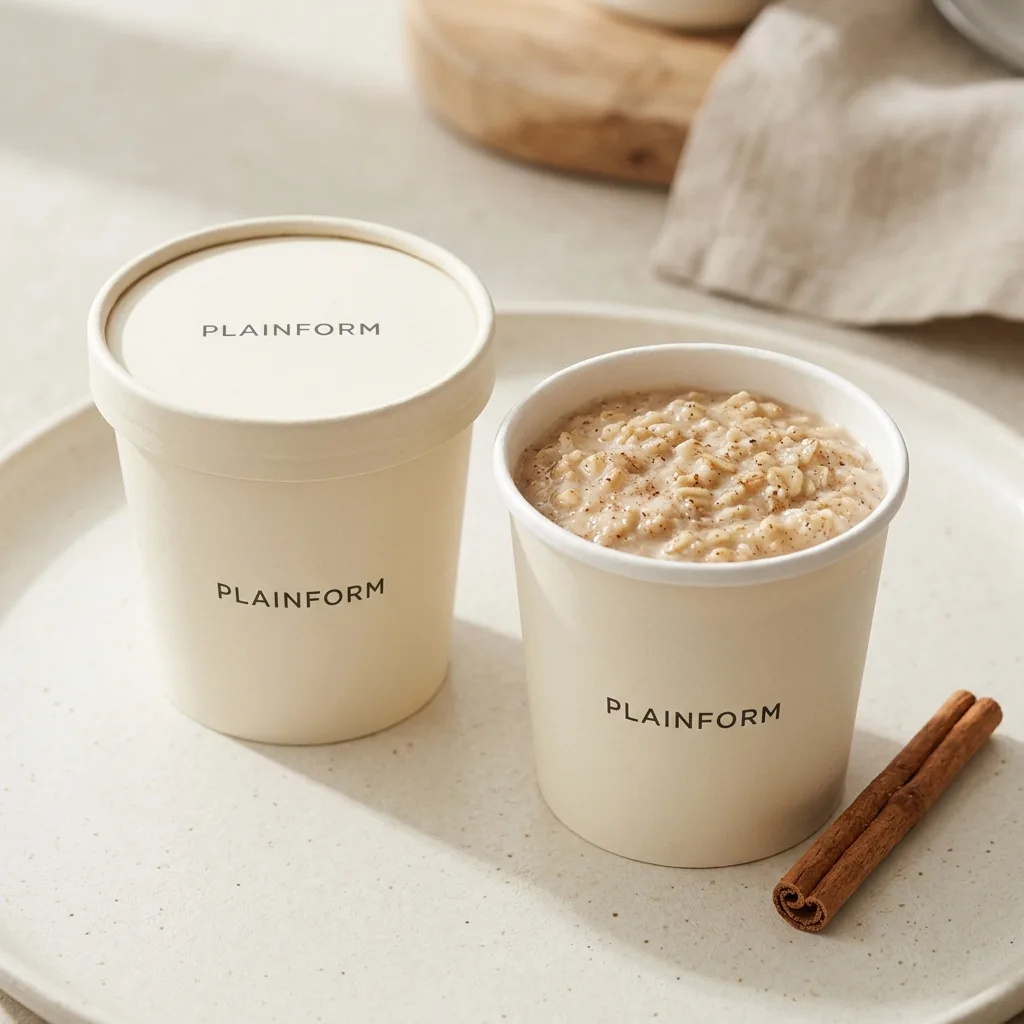
Dawnjar Sample
Protein Oatmeal Cups — Cinnamon
20g protein250 cal
8.0g protein / 100 cal
per serving · 1 cup (65g)
$23.99$4.00 / serving
Preview collection · Sample products · Prices in CAD
Dawnjar · Practical buying guides
Powder in oatmeal is a preparation question: when to add it, how to disperse it and how much liquid the bowl needs. Hot oats and overnight oats require different sequences, and a scoop name does not define a universal amount. Use these general methods as adjustable trials rather than a tested recipe. The shelf pairs the existing cinnamon oatmeal cup with vanilla-style powder comparisons, without claiming those products have been tested together. Dawnjar uses sample records with illustrative figures and CAD prices; ordering opens at launch.
Prepare the oats according to their package, including the liquid and cooking method specified for that oat format. Rolled oats, quick oats and other cuts do not automatically share one schedule. Once cooked, take the bowl or pan off the heat before considering the powder. Adding dry powder during active cooking can make it more difficult to disperse evenly and may change the texture. Follow any powder-specific preparation instructions instead of assuming every tub supports heating.
Allow the cooked oats to stop bubbling before stirring in an addition, while keeping the preparation consistent with ingredient directions. The purpose of this sequence is to give you more control over mixing, not to promise a particular result. Begin with a modest powder amount and see how the bowl changes. If you use an oatmeal cup, its own preparation instructions still come first; an extra ingredient is a modification, not part of the sample record's stated recipe.
Start with about one part powder to two parts of the chosen liquid by volume for a small mixing trial, then adjust until it becomes a smooth, stirrable paste. This is only a starting point, not an exact requirement for every powder. Stir that paste through the cooked oats in stages rather than tipping a dry mound onto the surface. Work around the bowl so thicker oats at the edge receive the addition as well.
If the oats tighten as you stir, add the intended liquid a little at a time and reassess before adding more powder. A slurry does not guarantee a lump-free bowl, particularly when the formula contains ingredients that thicken quickly. Use a fork or spoon that can reach the bottom and break up visible dry pockets. Remember which liquid you chose; a prepared bowl now includes that ingredient, and a powder-only table cannot describe the whole dish.
For an overnight preparation, choose oats suitable for the method and follow their directions. Combine the selected liquid and a small powder addition thoroughly before stirring in the oats. Begin with about one part oats to one part liquid by volume as a trial, then adjust for the powder, oat format and preferred consistency. Extra dry ingredients can increase the liquid needed, so the starting balance is not a fixed recipe or a guarantee of the final set.
Keep the mixture covered and chilled while it stands, following the ingredient labels. Stir again before judging the finished consistency, because the liquid and dry ingredients may not have remained evenly distributed. A firmer mixture can be loosened gradually using the same intended liquid. Do not transfer a hot-oat cooking schedule or a powder shake's mixing directions directly to overnight oats. Document the amount used if you want to repeat your preferred texture on another occasion.
A whey formula may disperse differently from a casein formula, while plant powders vary with their source blend and processing. Casein and some plant recipes can produce a denser bowl or need more liquid, but added gums, flavourings and the oats themselves also contribute. Choose based on the texture and flavour you want to try rather than declaring one source universally suitable. Read the ingredient list and preparation wording for the exact powder you have.
Start with a smaller addition when trying an unfamiliar formula, since the scoop from another tub is not a reliable measure. Vanilla chai can introduce spices as well as sweetness, and a plain oat bowl will show those flavour changes clearly. The existing vanilla bean isolate and vanilla chai plant records are illustrative comparisons, not proof of how either behaves in these methods. No finished oatmeal nutrition is derived from their individual card figures in this article.
Greek yogurt can be considered as a stirred or topped addition when the preparation and its label directions allow it. It contributes its own taste and consistency rather than simply acting as another powder. The yogurt label guide explains why style names do not provide one fixed protein amount. Check the yogurt's serving and ingredient statements independently, and keep its quantity recorded instead of treating it as an unmeasured part of the oats.
Milk changes the bowl's liquid and flavour, while nut or seed butter can add a different thickness and background taste. Treat each as a preference with its own label, including allergen declarations and any may-contain wording. For lactose questions about a chosen milk, read its label and that product's own lactose statement. There is no blanket suitability assessment here. The milk guide helps compare carton wording without supplying nutrition numbers for this combination of ingredients.
Oatmeal protein varies with the product and the portion printed on the package. Find whether the Nutrition Facts table covers dry oats, a prepared serving or both, and read the amount represented. Do not supply a standard figure from the word oatmeal or from the size of a bowl. A cup measure and a gram serving should be considered together where both appear, especially when comparing an oatmeal packet with a ready-made cup.
A prepared table may assume water or another specified ingredient, so inspect the preparation note before adding that ingredient's entries again. Your added powder, yogurt or butter changes the recipe beyond a plain-oat comparison. This guide intentionally gives no recipe nutrition figures, even when several component labels are available. Use the labels to understand their separate portions and retain the original basis, rather than presenting a sample cup's table as the figures for your homemade bowl.
The existing cinnamon oatmeal cup is a packaged sample with its own serving and preparation information. It can illustrate the convenience and portion questions of a cup, but it is not the same construction as oats mixed with an independently chosen powder. Use the breakfast category for comparisons with granola and pancake mix while keeping each product's preparation stage visible. A package name does not establish that extra liquid or toppings are included in its figures.
The powder shelves show other existing records for source and flavour reading, not a bundled breakfast or a tested cup modification. Their CAD metrics remain illustrative product-level examples. No price for a completed oatmeal bowl, combined ingredients or a ready-to-eat Dawnjar recipe is announced here. The comparison is available in the preview, with ordering opening at launch; it does not imply current access to cups, groceries or made-to-order breakfast preparations.
Make a small portion while experimenting so you can change texture without committing a large quantity of oats or powder. Keep overnight oats refrigerated, and follow every ingredient's instructions for storage and use. If you intend to keep a prepared mixture, note when it was made and do not assume the dry oats' date wording applies unchanged. Where guidance is unclear or you are in doubt, do not use the preparation; no keeping period is guaranteed here.
Before the next attempt, write down which oat format, powder and liquid produced the result you liked. Recording the mixing sequence can be more useful than increasing a scoop by guesswork. Follow the same ingredient directions each time, but expect another formula to need adjustment. The recipe remains your preparation, not a new sample record, and the method does not promise a specific nutritional outcome or replace the storage wording on your packages.
Dawnjar Sample
20g protein250 cal
8.0g protein / 100 cal
per serving · 1 cup (65g)
$23.99$4.00 / serving
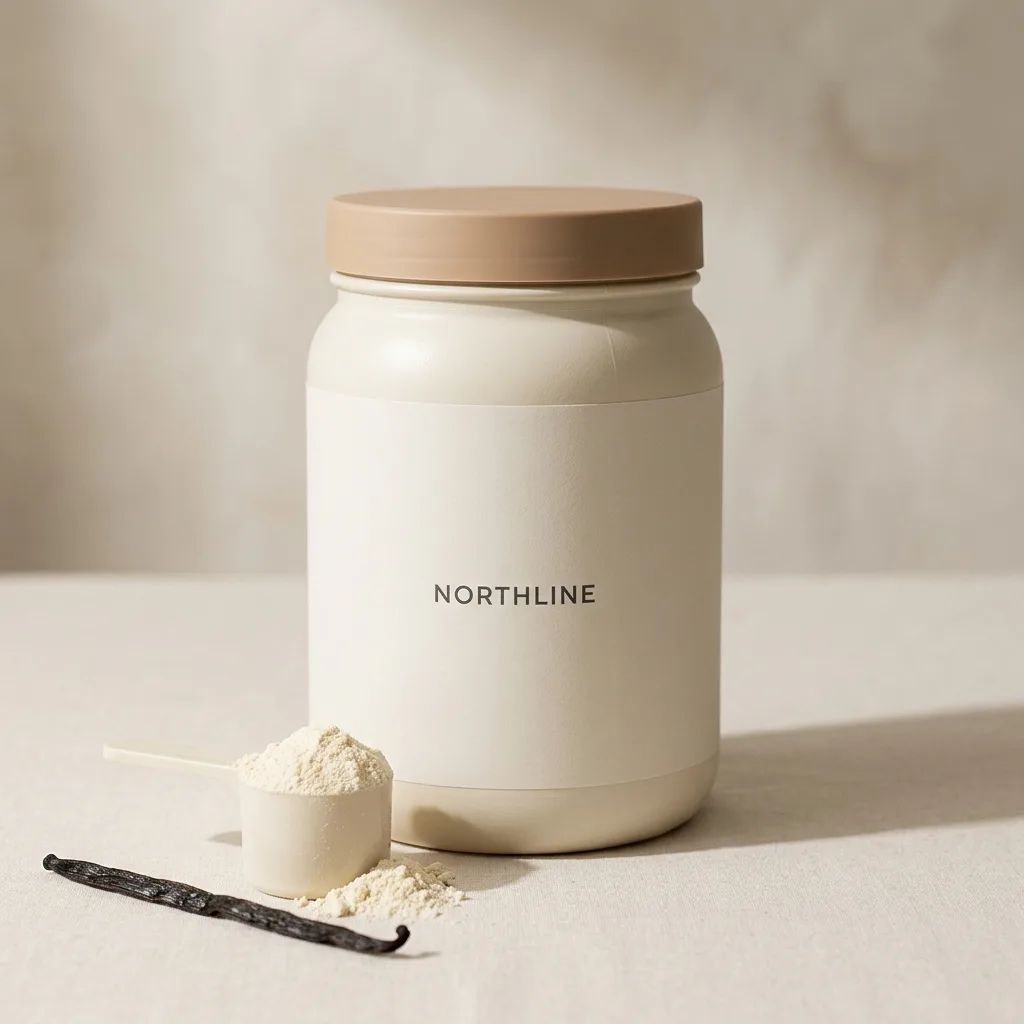
Dawnjar Sample
25g protein110 cal
22.7g protein / 100 cal
per serving · 1 scoop (30g)
$59.99$2.00 / serving
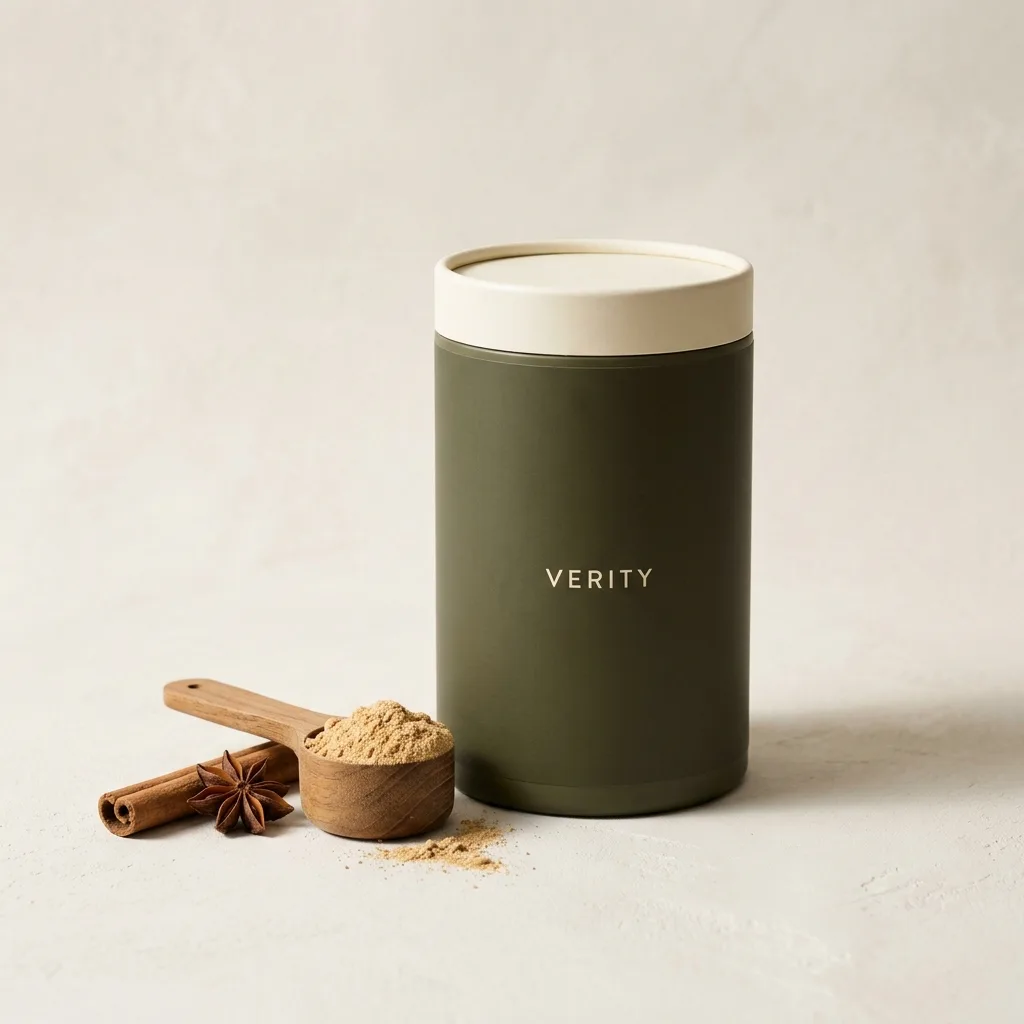
Dawnjar Sample
24g protein130 cal
18.5g protein / 100 cal
per serving · 1 scoop (34g)
$54.99$2.29 / serving
Preview collection · sample records with illustrative figures · prices in CAD. Ordering opens at launch.
Oats contain some protein, but an oatmeal name does not supply the amount in your bowl. Read the declared portion and whether its figures cover dry oats or a specified preparation. Protein claims on Canadian labels have defined conditions: "source of protein" requires a protein rating of 20 or more, while "excellent source of protein" requires 40 or more, per reasonable daily intake. Those ratings are not simply the protein grams printed for a serving. Plain oats usually do not carry such a claim; compare actual labels rather than assuming one. If you stir in powder after cooking or add milk, yogurt or nut butter, keep each ingredient's directions and quantities separate. The preview records do not supply nutrition for your completed recipe.
Cook the oats using their package method, remove them from active heat, and then consider the powder's own preparation directions. Stir a small dispersed addition into the bowl rather than adding a dry scoop during bubbling cooking. This sequence gives mixing control but does not guarantee that every formulation will behave identically.
Try a small slurry first: start with about one part powder to two parts liquid by volume, then adjust to a stirrable paste. Work it through the oats gradually and loosen the bowl if needed. The ratio is an initial trial, not a fixed instruction for all tubs or oat formats.
Where ingredient directions permit that method, disperse a modest powder addition in the liquid before adding the oats. Use an adjustable oat-to-liquid starting balance and keep the mixture refrigerated and covered. Reassess after stirring, since powders can change the set; hot-oat instructions do not define this chilled preparation.
Read the oats' own Nutrition Facts table because the figure varies by product and declared serving. Check whether it describes dry or prepared oats and keep that portion visible. This guide provides no universal oat amount and no recipe nutrition numbers for a bowl containing powder, milk or other additions.
Consider them as separate flavour and texture choices, not automatic one-for-one replacements for powder or liquid. Consult their ingredient and allergen labels, use quantities you can document, and adjust a small trial. Yogurt styles and butter recipes differ, so a category name does not establish the finished bowl's consistency.
The sample cup's figures describe its existing record only, without a new powder addition. The nearby isolate and plant samples are independent comparisons rather than a breakfast bundle. Their illustrative CAD prices do not produce a quoted bowl cost, and no completed oatmeal recipe is offered through the preview shelf.
Yes, oats contain some protein; check grams per serving in the Nutrition Facts table. Read whether the table describes dry or prepared oats. Milk, powder and toppings have separate figures.
Protein claims have defined rules in Canada; compare the actual label rather than assuming plain oats carry a claim. "Source of protein" requires a protein rating of 20 or more, and "excellent source of protein" requires 40 or more, per reasonable daily intake. Plain oats usually do not carry such a claim; protein grams alone do not establish the required rating.
Stir powder in after cooking, or consider milk, yogurt or nut butter as separate additions. Follow the ingredient directions, disperse powder gradually and adjust liquid as needed. Read the milk or water guide and yogurt label guide for their separate preparation and portion questions.
Dawnjar preview pages use sample product records and illustrative nutrition figures. Ordering opens when real inventory and fulfillment are live. Nutrition information is general and informational only, not medical advice.