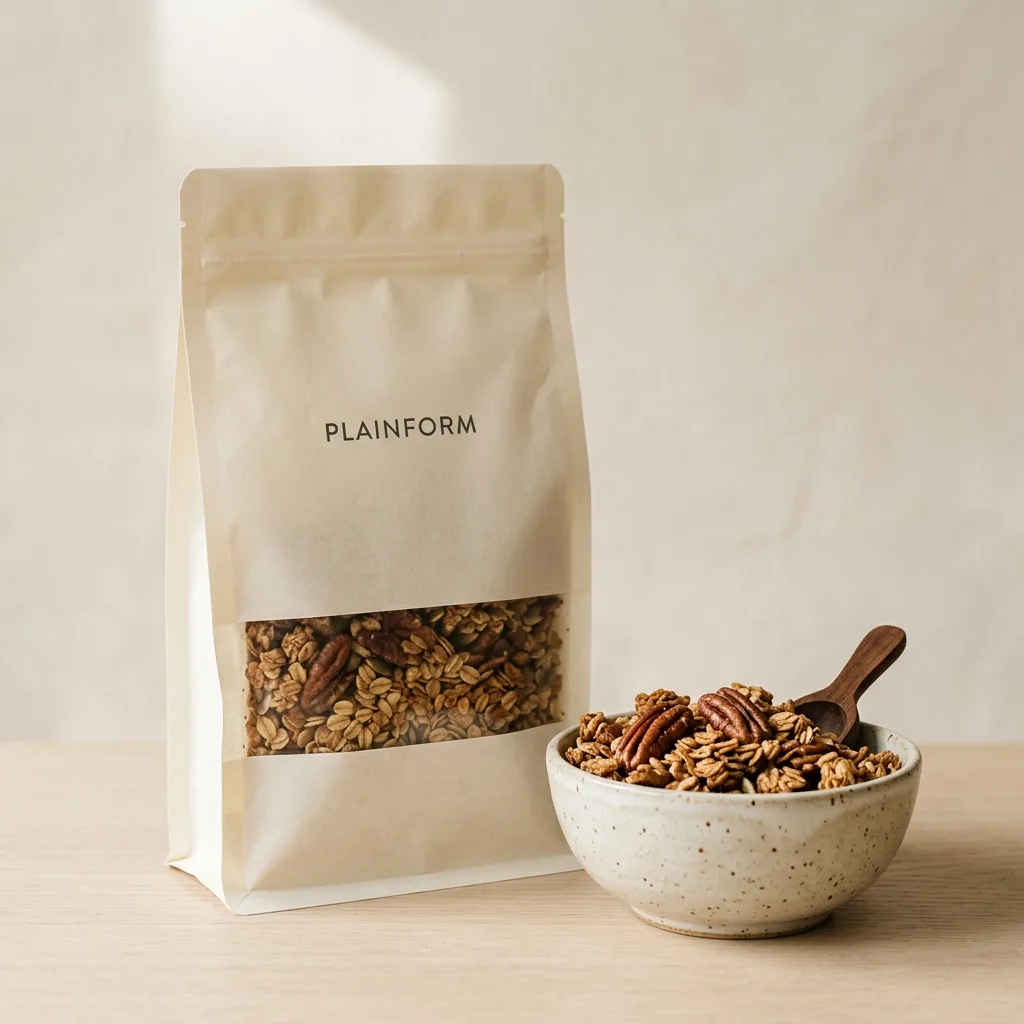
Dawnjar Sample
Protein Granola — Maple Pecan
20g protein240 cal
8.3g protein / 100 cal
per serving · 60g
$22.99$2.87 / serving
Preview collection · Sample products · Prices in CAD
Dawnjar · Practical buying guides
High protein yogurt is a shopping description that still needs a close look at the container. Greek, skyr, protein-added and plant-based recipes can carry different serving weights, ingredients and textures, even when their front panels sound similar. This guide helps you compare the label rather than attach one protein figure to a whole yogurt style. Dawnjar does not list yogurt samples. The breakfast examples below are existing granola and oatmeal records that can be considered alongside a yogurt preparation, not substitutes for yogurt nutrition information. Their figures are illustrative and their prices are in CAD; ordering opens at launch.
Greek yogurt is generally strained to remove some liquid after cultured milk has set. The extent of straining and the rest of the formulation influence the finished texture and label. Greek-style wording may describe a recipe made differently, so read the ingredients rather than treating the front name as a full manufacturing account. Skyr, also described as Icelandic-style, is another cultured, typically strained format. Those names help organize your comparison, but neither supplies the protein amount in the container you are holding.
Protein-added yogurts may include concentrated milk protein or another declared protein ingredient beside the cultured base. Plant-based yogurts can start from soy, oats, coconut or other ingredients, and their recipes may add a separate protein source. Read each declaration in full. A thick appearance does not reveal how much protein is present, and a plant source does not establish an allergen statement. Keep the format name, ingredients and serving figures in separate notes so one detail does not stand in for another.
Find the serving line above the nutrient entries before looking at protein. A table might describe a gram weight together with a household measure such as three-quarter cup. Preserve both when you write your comparison: the weight gives you a consistent quantity, while the household measure describes how the package presents that amount. Different yogurt textures do not necessarily occupy a cup in the same way. An individual cup also needs its own serving line checked rather than being assumed to match a larger tub.
To place two products on a per 100 g basis, divide the declared protein by the declared serving weight in grams, then multiply by one hundred. Repeat with the other product's own inputs. Do not substitute the container's total weight for the serving weight unless the table actually describes the whole container. This calculation compares the stated recipes by weight; it does not say which portion you should choose. Retain the original serving figures beside the converted result so the arithmetic remains traceable.
There is no single figure that describes every Greek yogurt. Protein varies by product, formulation and serving size, and a prominently printed number may refer to a different portion than the one you plan to spoon out. Locate protein in the Nutrition Facts table and read its unit alongside the serving line. If two cups show different amounts, first check whether the cups contain the same weight. A larger labelled portion can explain a larger number without proving a higher protein share.
Plain and flavoured versions of the same style also deserve separate checks because added ingredients change the finished recipe. Do not carry a value from one flavour onto another, or borrow a general Greek yogurt estimate for an unlabelled bowl. For a recipe, record the yogurt quantity actually used and distinguish it from the manufacturer's comparison portion. Dawnjar supplies no yogurt record to fill that gap. Use the exact container's table, and leave any unavailable figure unresolved instead of estimating it from thickness or category wording.
The sugars line reports a quantity for the declared serving, but it is not a complete explanation of sweetness. Read the ingredients to see whether the recipe includes fruit preparations, sugar, syrups or named sweeteners. Plain wording is a useful flavour description, not permission to skip the table. Compare plain with plain when you want to examine similar recipes, or keep flavour differences explicit when choosing between a fruit cup and an unflavoured tub. Neither comparison needs a judgment about what another person ought to eat.
Fruit pieces, sauces and separate topping compartments can complicate the serving definition. Check whether the printed figures cover the entire combination or only one component. If you stir in your own jam or granola, the yogurt-only table does not become a figure for the finished bowl. Describe the flavour you prefer and record additions separately. Sweetener names also do not predict how a particular yogurt tastes: acidity, flavouring and texture all contribute to the spoonful, and personal preference remains outside the label arithmetic.
Zero-percent, two-percent and full-fat descriptions identify different product formulations, not interchangeable versions of one fixed serving. Read the fat entries and ingredient list on the specific package rather than deriving the complete table from the percentage on the front. A full-fat description still requires its own declared figures. Yogurts can also use stabilizers or other texture ingredients, so creaminess should not be treated as a direct measurement of fat or protein. Keep texture observations descriptive: smooth, firm, pourable or spoonable.
If you want a yogurt to spread over pancakes, fold into oats or sit beneath crunchy granola, consider that preparation when comparing consistency. Stirring can loosen a set yogurt, while added dry ingredients can make a mixture thicker. A photo of a spoon standing in a cup does not establish how your recipe will behave. Start with the yogurt as packaged, then make a small portion with the additions you intend to use. These are cooking and preference questions, not promises attached to a particular fat level.
Vanilla powder changes a yogurt mixture's flavour and texture as well as adding a measured ingredient. Begin with a small portion and stir the powder gradually into the yogurt instead of dropping a large dry mound onto the surface. Follow the powder's preparation directions, and stop to check the consistency before adding more. A vanilla chai powder creates a different flavour combination from vanilla bean. The vanilla guide explains those existing powder examples without assigning their figures to a yogurt recipe.
Granola can remain a separate crunchy topping or soften after it is stirred through yogurt. Keep the granola portion distinct from the yogurt quantity when reading their labels. Oatmeal likewise has its own preparation instructions; the sample cup below is an oatmeal record, not a ready-made yogurt bowl. The breakfast category provides the wider granola, oatmeal and pancake-mix comparison. No combined protein or price total is supplied here because a finished bowl depends on the actual products and quantities you choose.
Dawnjar Sample
20g protein240 cal
8.3g protein / 100 cal
per serving · 60g
$22.99$2.87 / serving
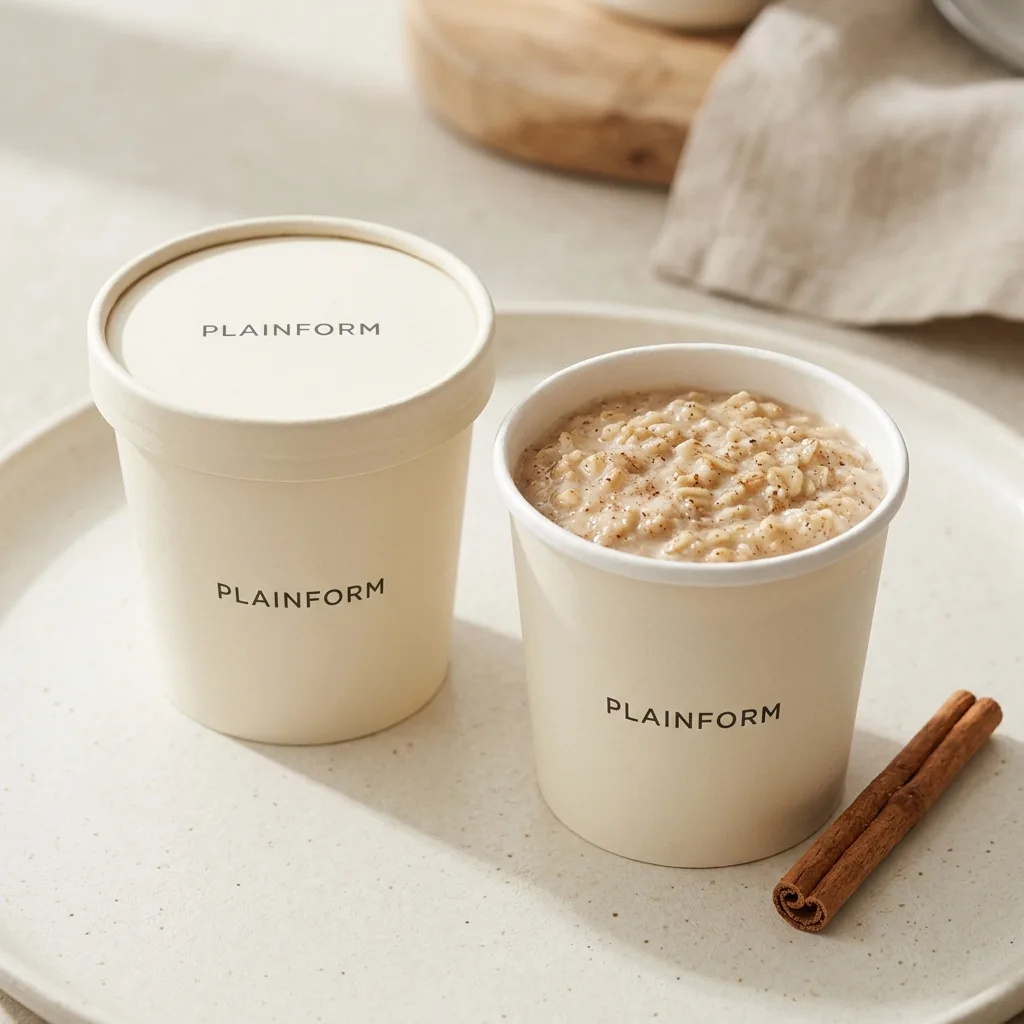
Dawnjar Sample
20g protein250 cal
8.0g protein / 100 cal
per serving · 1 cup (65g)
$23.99$4.00 / serving
Preview collection · sample records with illustrative figures · prices in CAD. Ordering opens at launch.
Dairy yogurt contains some protein, but Greek wording does not supply one amount for every tub. Start with the Nutrition Facts table and read protein grams beside the declared serving weight. When shoppers ask about a cup, check whether the package pairs that household measure with grams; use that printed weight rather than inventing a conversion. Compare products on the same serving basis and retain their original portions in your notes. Health Canada says serving size "isn't a recommendation of how much to eat". A larger cup can show more total protein without a higher amount at equal weight. Added fruit, granola or powder has separate figures, and Dawnjar's breakfast samples do not provide nutrition for yogurt or a completed bowl.
The style name alone cannot settle that comparison. Look at each product’s protein entry and the gram weight represented by it, then use a consistent portion basis. Straining, formulation and serving choices vary between products. Avoid applying a typical Greek yogurt figure to a container whose own label gives different information.
Use the gram weight printed beside the household measure whenever it is available. A cup is a volume description, while grams describe weight. For a per 100 g comparison, divide protein in the declared serving by its gram weight and multiply by one hundred, retaining the original serving information in your notes.
Do not assume they match. Read the sugars entry for each actual serving and inspect the ingredients for the recipe’s flavour additions and sweeteners. Plain and flavoured tubs can differ in composition and portion definition. A topping compartment or added fruit also needs its inclusion in the table checked.
Treat it as a recipe adjustment rather than a direct swap for the yogurt’s printed figures. Work powder gradually into a small portion, following its own preparation directions, and check thickness and flavour as you go. The finished mixture needs known quantities for both ingredients before any combined calculation is meaningful.
Read the label and the product’s own lactose statement. A Greek, skyr or plant-based description is not a substitute for that statement or the complete ingredient and allergen wording. This guide compares label information and does not assess suitability. Keep a missing statement as an unanswered question rather than borrowing one from another product.
No yogurt samples are listed by Dawnjar. The shelf contains existing breakfast records that illustrate granola and oatmeal label comparisons, with sample figures and CAD prices. They do not describe yogurt or a completed bowl. The preview is not open for ordering; ordering opens at launch.
Yes, all dairy yogurt contains some protein; read the amount per serving in the Nutrition Facts table. Plant-based recipes can differ, so use their own labels. Dawnjar does not list yogurt samples.
It varies by product and serving size; read protein grams per serving and compare the same portion. Keep the declared gram weight beside the protein entry. Health Canada says serving size "isn't a recommendation of how much to eat".
Check whether the table uses a cup measure or grams before comparing. Use the gram weight printed beside the household measure to convert to the same serving basis. Do not invent a cup weight when the package does not provide one.
Dawnjar preview pages use sample product records and illustrative nutrition figures. Ordering opens when real inventory and fulfillment are live. Nutrition information is general and informational only, not medical advice.