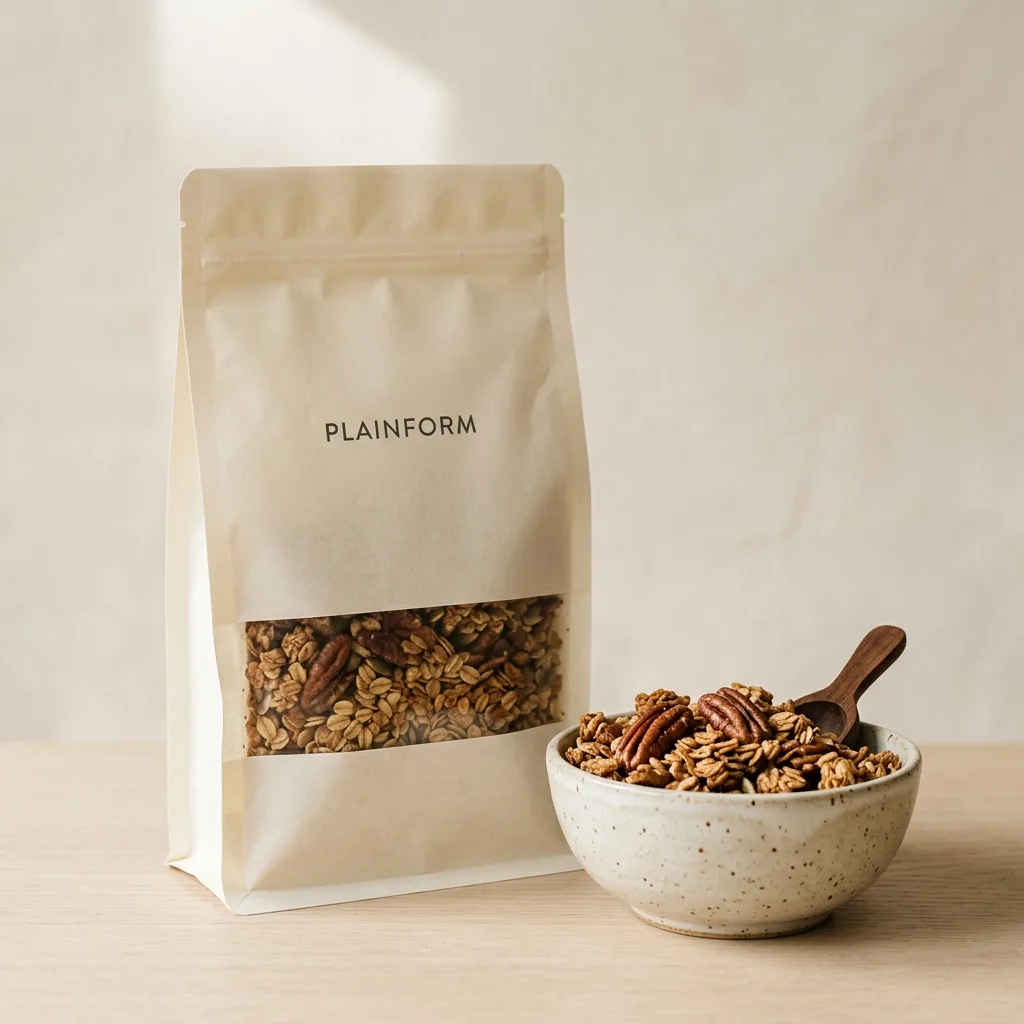
Dawnjar Sample
Protein Granola — Maple Pecan
20g protein240 cal
8.3g protein / 100 cal
per serving · 60g
$22.99$2.87 / serving
Preview collection · Sample products · Prices in CAD
Dawnjar · Practical buying guides
Protein cereal can mean flakes, puffed pieces, crisps or clustered granola, and those formats do not share a standard bowl portion. Begin with the gram amount on the package before comparing the headline protein number. This guide focuses on the label's dry and prepared bases, ingredient sources and the liquid you might add, rather than repeating a general breakfast menu. Dawnjar's shelf contains an existing maple pecan granola sample and a cinnamon oatmeal comparison record. Neither supplies figures for absent flakes or puffs. Their nutrition is illustrative, their prices are in CAD, and ordering opens at launch.
A cereal table may give a cup measure beside a gram amount. Cups describe volume, while grams describe how much cereal is represented in the nutrient entries. A bowl's shape and the size of the pieces can change what a casual pour looks like. Large clusters, fine flakes and airy pieces do not occupy space identically. Keep the printed gram amount in your notes instead of treating the same cup measure as an equal quantity across all cereals.
The front protein figure also needs its portion basis checked. A larger declared amount of cereal can have a larger protein number without establishing a higher protein share. Compare each product's table rather than assigning a common bowl serving from appearance. If you choose a different amount at home, calculate only from known package inputs and the quantity measured. This guide does not invent a serving-size range or tell anyone which bowl amount to choose.
Check the headings above the nutrient figures to see whether the panel describes cereal alone, cereal with a specified milk or both. Prepared figures assume a particular addition and quantity, which may differ from the liquid you use. A number printed with milk should not be compared with dry-cereal protein as though both represent the same construction. Record the table heading with the protein entry so the preparation basis remains visible.
If you pour a different milk or plant drink, read its carton and measure the amount added rather than keeping the original prepared total unchanged. Cereal-only and liquid-only figures can be combined when the quantities and labels are known. A bowl photo does not establish those inputs. The high protein milk guide explains carton comparisons, while this article keeps the cereal portion central. No milk product sample or finished cereal bowl is listed by Dawnjar here.
A recipe can include soy, milk or pea protein ingredients in crisps or other components alongside grains, nuts or flavour additions. Read the exact ingredient declaration to identify the construction. A crunchy shape does not reveal its protein source, and protein cereal wording does not publish the proportion of each ingredient. Keep the source names attached to the actual recipe instead of assuming all puffed pieces or granolas use the same combination.
Ingredient order can help you read the declaration, but it is not a set of percentages. The finished serving's protein figure comes from the table, not a calculation based on the highlighted ingredient name. For allergens, inspect the label of the exact product. A plant protein ingredient within a cereal does not replace its full allergen wording. The existing granola record remains one example and does not establish labels for soy crisps, pea puffs or milk-protein flakes absent from the preview.
Read sugars and fibre for the same gram portion used to report protein. Different declared portions can make several entries look larger or smaller together, so avoid comparing a sugars number without its serving context. The ingredient list can identify sweeteners, syrups or dried fruit components, but it does not give all their quantities. Record what is declared rather than inferring sweetness from a single nutrient entry or a front-panel phrase.
Fibre is a label quantity to compare, not a promised outcome from the cereal choice. Texture and sweetness also depend on the full recipe and any liquid or toppings you add. A plain-looking cereal can still have its own flavour construction, while a fruit picture does not supply a measured fruit content. Keep recipe description, the table and personal preference as separate kinds of information. No invented ranking of cereal sweetness or fibre effects appears in this guide.
If you want to include protein powder, use its preparation directions rather than assuming it will disperse in a bowl after cereal is already present. Where the recipe allows, mixing the measured powder with the liquid separately can make it easier to observe consistency before pouring it over the cereal. Vanilla, chocolate and unflavoured recipes bring different flavours, so the choice changes the bowl's construction rather than simply changing a protein number.
The liquid's quantity, the powder amount and the cereal portion all need to be known for a complete calculation. Do not add a generic scoop figure to a prepared cereal table that already includes a specified milk and then call it the same recipe. For lactose, read the label and each product's own lactose statement. Powder additions remain optional recipe preferences, not a prescribed breakfast component. There is no tested cereal-and-powder bowl or invented total on this shelf.
Granola clusters, thin flakes and puffed pieces offer different textures before and after liquid is added. The time between pouring and eating can change the comparison, so note when you observe the cereal. A large cluster is not a declared serving by itself, and a puffed piece's airy appearance does not supply its nutrition. Choose the format you prefer while keeping its measured portion and ingredients available for the label comparison.
The breakfast collection provides the related granola, oatmeal and pancake-mix examples, while this article concentrates on cereal labels and liquid additions. The oatmeal sample below is a separate breakfast format, not relabelled cereal flakes. No puffed cereal or flake record is invented here. The granola's sample figures remain attached to that record only, and a format description cannot be used to create a matching nutrition table for another cereal.
Use package price divided by its declared servings for a cereal-serving cost, checking how that count relates to the gram portion. Keep the entire package quantity beside the result. A casual bowl pour may not equal the printed portion, so a cost per bowl needs the actual cereal quantity. The liquid and any powder or toppings have their own costs; they are not automatically covered by the cereal calculation.
A practical comparison note can name the cereal, dry portion, table heading, liquid and any additions. That makes the recipe repeatable and keeps a prepared total distinct from a dry-product figure. No cost is invented for a cereal absent from the catalogue. Dawnjar's existing breakfast sample cards use illustrative CAD inputs, not current inventory or completed bowl prices. Ordering opens at launch, and the linked guides provide further label questions rather than a fixed breakfast plan.
Dawnjar Sample
20g protein240 cal
8.3g protein / 100 cal
per serving · 60g
$22.99$2.87 / serving
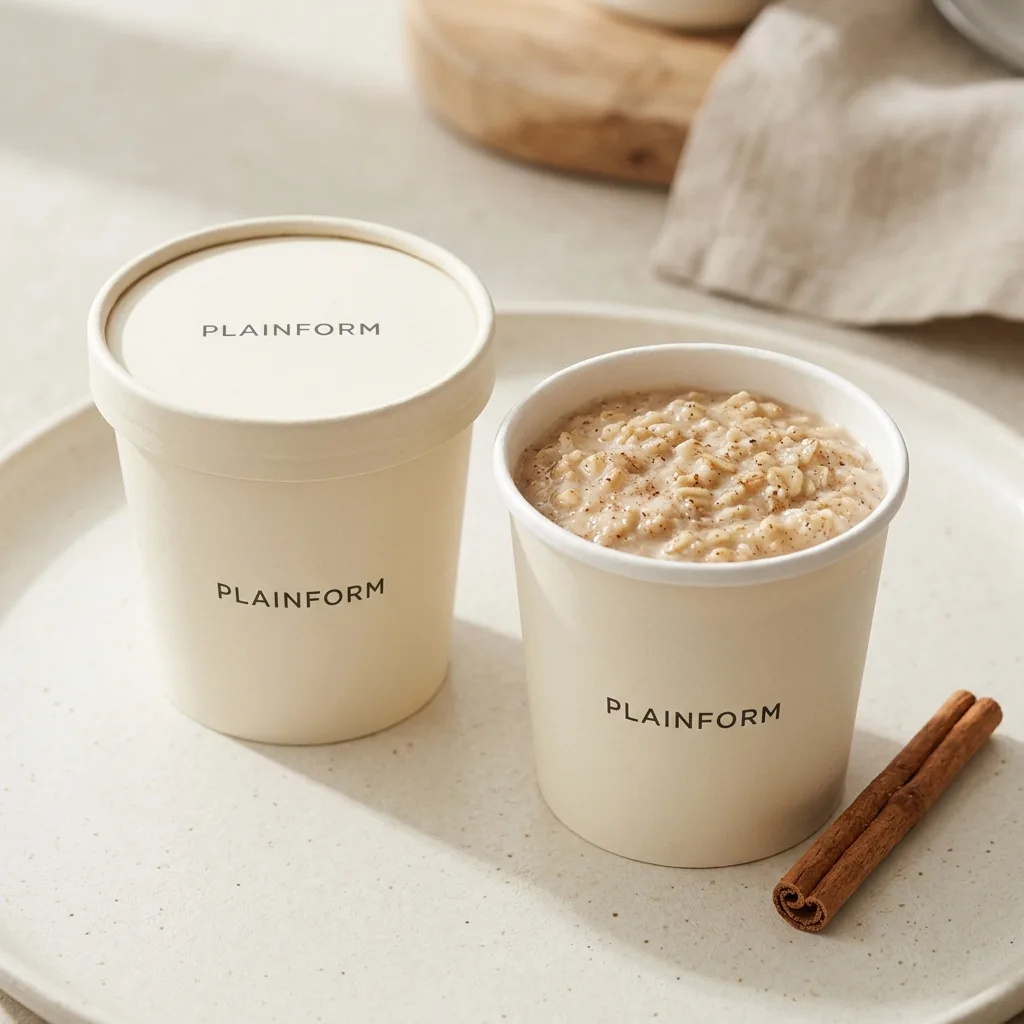
Dawnjar Sample
20g protein250 cal
8.0g protein / 100 cal
per serving · 1 cup (65g)
$23.99$4.00 / serving
Preview collection · sample records with illustrative figures · prices in CAD. Ordering opens at launch.
A cup measures volume, and different piece shapes can fill that space differently. The gram amount printed beside it identifies the quantity represented by the nutrient entries. Keep both measures in your notes, but use the actual labelled amount rather than assuming equally filled bowls or cup measures describe matching portions across products.
Check the package’s table headings and any explanation beside the claim. Some prepared figures refer to a specified milk and quantity, while other entries describe cereal alone. Keep that basis attached to the number. Using a different liquid or amount changes the recipe, so do not automatically retain the printed prepared total.
A cereal recipe may list soy, milk or pea protein ingredients within crisps or other components. Read the whole declaration because the format name does not identify every source or its proportion. Ingredient order does not provide exact percentages. Use the Nutrition Facts table for the finished product’s actual protein entry.
Use the powder’s preparation directions and a measured recipe. Where permitted, disperse it in the liquid before pouring so you can check consistency without cereal pieces in the mixture. The powder, liquid and cereal each have separate figures; a complete calculation needs known amounts and labels for all of them.
No shared serving follows from those shapes. Read each package’s gram amount and table basis, then compare the figures for those quantities. They can also soften differently after liquid is added, which is a texture preference rather than a nutrition measurement. The preview does not supply absent flake or puffed-cereal records.
The existing maple pecan granola record is the cereal example, with cinnamon oatmeal shown as a separate breakfast comparison. No new flakes, puffed cereals or prepared milk bowls are created. The sample figures and CAD prices illustrate labels and serving costs; ordering through the preview opens at launch.
Dawnjar preview pages use sample product records and illustrative nutrition figures. Ordering opens when real inventory and fulfillment are live. Nutrition information is general and informational only, not medical advice.