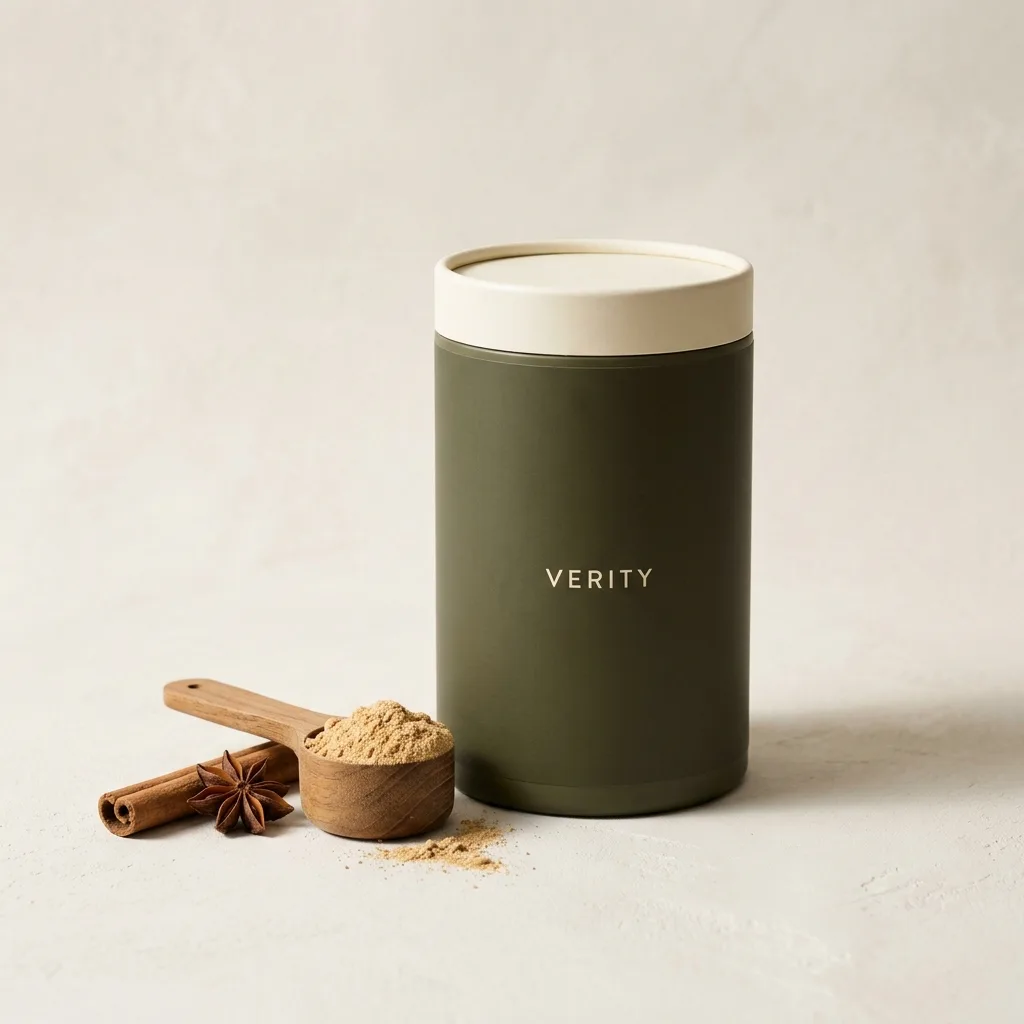
Dawnjar Sample
Plant Protein Blend — Vanilla Chai (1.8 lb)
24g protein130 cal
18.5g protein / 100 cal
per serving · 1 scoop (34g)
$54.99$2.29 / serving
Preview collection · Sample products · Prices in CAD
Dawnjar · Powder comparisons
Plant protein vs whey begins with source, but source alone does not describe the powder in a cup. A pea protein powder, a blend of plant ingredients and a flavoured whey isolate can have different serving definitions and preparation styles. This whey vs plant protein comparison keeps those details visible rather than grouping every plant powder into one recipe. Dawnjar is a preview with sample records, illustrative figures and prices expressed in CAD; ordering opens at launch. The examples are the existing vanilla chai plant blend and vanilla bean whey isolate. There is no separate pea-only sample here, so discussion of pea protein vs whey must not borrow the blend's numbers as if they belonged to another product.
Plant powder ingredients can come from peas, rice, soy, hemp or combinations of sources. Processing determines whether the ingredient is described as a flour, concentrate or isolate, and the finished powder may include flavourings and texture ingredients. Whey comes from milk and likewise appears in different processed forms. These source names are a starting classification, not a ranking of how much protein every scoop will contain. Compare the actual table of the finished recipe.
Keep the ingredient source separate from a flavour or dietary tag. A front label describing a plant recipe still needs its full ingredients and allergen statement read. For allergens, read the label rather than deducing the statement from a source name. Similarly, whey isolate identifies a whey form but does not reveal every other ingredient in the tub. The sample shelf represents one plant blend and one whey isolate only, not the entire range of sources discussed in this section.
Blending gives a formulator more than one ingredient to work with for composition, flavour and consistency. Different plant ingredients have different amino-acid profiles, and a combination can change the resulting profile. That is a composition point, not a claim about what a serving will do. Without a disclosed panel or blend proportions, you cannot calculate the finished profile from the source names alone. Keep any undisclosed detail outside the comparison.
Texture and flavour are also reasons a recipe may combine ingredients. A rice ingredient and a pea ingredient need not behave identically in water, so their combination can be part of the formulation approach. However, a list naming both does not prove which is responsible for the flavour you notice. Sweeteners, spice flavourings and other ingredients share that role. Read the blend as a complete recipe rather than treating its name as a shortcut to a guaranteed taste or protein amount.
Source combination — List the plant sources actually declared rather than assuming every blend has the same ingredients.
Composition limits — An undisclosed source ratio prevents calculation of a precise profile from the list alone.
Flavour context — Spices and sweeteners are part of the blend recipe, not properties of its protein sources.
Pea protein powder generally identifies a pea-derived protein ingredient, but finished products can still add flavour and other components. Distinguish a pea-only protein source from an unflavoured finished recipe: those are not the same statement. A single-source powder can be sweetened and flavoured, and a blend can be unflavoured. The ingredients and product description should establish which comparison you are making, not the number of plant sources alone.
In a pea protein vs whey comparison, acquire the actual pea product's serving weight and table before doing arithmetic. The vanilla chai plant blend in this preview is not a proxy for all pea powders. Its protein, calories and serving cost belong to that specific sample record. You can use the same calculation method for a pea-only powder later, but the inputs must come from its own package. This prevents a useful source discussion from becoming an invented product comparison.
Some plant preparations have a more noticeable grainy or earthy character, while some whey preparations feel smoother or lighter. These are broad possibilities, not recorded tasting results for the samples. Source processing, particle size, flavouring and liquid choice all affect the cup. The plant sample's vanilla chai name also suggests a different flavour direction from vanilla bean; a difference between them cannot automatically be attributed to plant versus milk protein.
To compare preparation fairly, use the directions for each powder and record the powder mass and liquid volume. Notice whether particles remain suspended, whether dry pockets persist and whether the mixture changes after standing. Adding fruit or a different liquid may produce a preparation you prefer, but it also changes the comparison conditions. Keep a plain preparation comparison distinct from a finished smoothie recipe, and avoid turning one unsuccessful mixing attempt into a rule about an entire source category.
For milk, soy and other allergens, read the label. Do not replace that step with a plant symbol, a whey name or the absence of an ingredient in a brief card description. The ingredient declaration and the package's allergen statement serve as the text to inspect. If the preview record does not include a particular statement, treat it as information still to be checked rather than supplying it from memory or a neighbouring sample.
Different flavours and package versions can have different ingredient wording, so read the version actually being compared. For lactose information, read the label too. Keep these questions separate from texture preference and normalized cost: a numerical comparison does not resolve a missing label statement. A simple comparison sheet can reserve a line for the exact wording or for an unresolved question. That is more useful than turning an unknown detail into an unsupported yes-or-no answer.
A per-scoop protein number is meaningful only with the declared scoop mass. If one powder defines a serving as two scoops and another as one, the count of scoops is not an equal portion basis. Use the grams of powder and protein in the stated serving, then decide whether you want to compare that practical portion or an equal powder weight. Clearly named units keep a larger serving from being mistaken for a different ingredient composition.
Protein per 100 calories uses the serving's protein divided by its calories, multiplied by one hundred. It describes the ratio in that powder record; it does not predict taste, thickness or any other outcome. Do not add milk or fruit to one side of a powder-only comparison while leaving the other unchanged. If you want to compare complete recipes, each ingredient and quantity needs to be known. The preview cards use the existing sample figures rather than assigning values to absent pea, rice, soy or hemp powders.
Normalize price by dividing a package's CAD price by its number of servings, then dividing that serving cost by its protein grams and multiplying by twenty-five. Apply this sequence to the plant record and whey record independently. A low package price can coexist with fewer portions, and a high per-scoop protein figure can coexist with a higher serving price. The equal-protein cost helps separate those arithmetic questions without declaring which recipe you should prefer.
Then return to the use you have in mind: a water-based shake, a smoothie or an ingredient in oats or baking. Choose the preparation directions and flavour profile you want to examine before treating price as the only deciding factor. The plant buying guide provides a broader format-focused next step, while the two other comparison guides distinguish whey forms and casein. These pages describe samples and label-reading methods, not current availability. Ordering opens at launch, and illustrative prices do not establish the cost of future products.
Dawnjar Sample
24g protein130 cal
18.5g protein / 100 cal
per serving · 1 scoop (34g)
$54.99$2.29 / serving
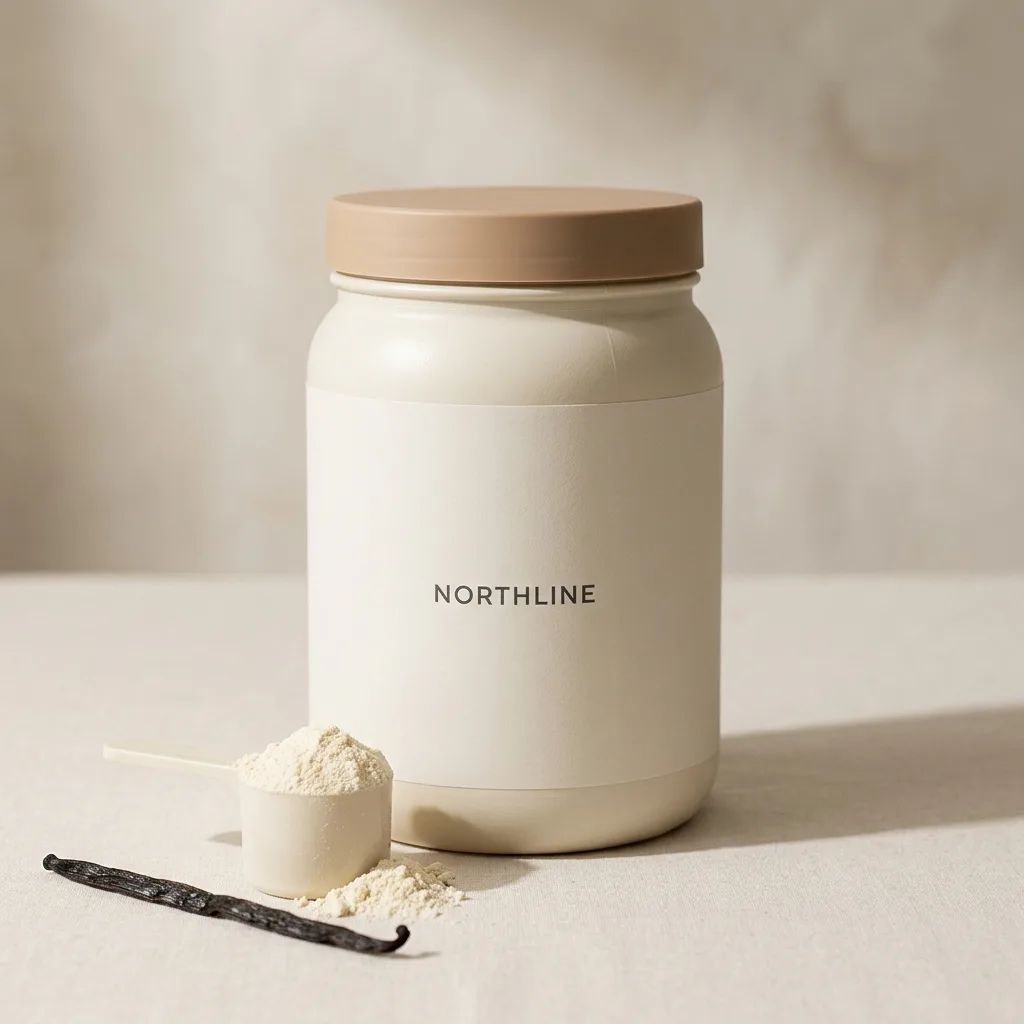
Dawnjar Sample
25g protein110 cal
22.7g protein / 100 cal
per serving · 1 scoop (30g)
$59.99$2.00 / serving
Preview collection · sample records with illustrative figures · prices in CAD. Ordering opens at launch.
No. Plant powders can name pea, rice, soy, hemp or multiple protein sources. Inspect the ingredient list to identify the recipe rather than assuming one plant source from the category name.
No. The blend record has its own serving and recipe. A pea-only comparison needs that powder's actual table and price inputs; no separate pea-only sample is included here.
A combination can change ingredient composition, flavour and mixing characteristics. Source names alone do not disclose the proportions or establish the finished powder's amino-acid profile.
Read the label for the particular package and flavour. A source name or brief preview description should not be used to supply an allergen statement that has not been provided.
Include the scoop mass and serving definition. Protein per 100 calories and cost per 25g answer additional numeric questions, but none replaces checking flavour and preparation directions.
Not in the Dawnjar preview. The two existing records demonstrate comparison units with illustrative figures and CAD prices, and ordering opens at launch.
Try a mixing liquid you enjoy, follow the powder's preparation ratio and use a blender when its directions allow. Flavoured and unflavoured recipes offer different starting points. Oats or smoothies can be another preparation choice, with measured additions and their own texture. Change one ingredient at a time so you can identify which adjustment suits your preference.
Neither is universally better. Compare protein per scoop alongside scoop mass, preparation texture, the allergen statement and cost for an equal protein quantity. Those details describe different preferences and label questions, not one overall winner. Use the specific products' figures and ingredients rather than making a performance claim from their plant or milk sources.
Powders may list protein ingredients from peas, rice, soy, hemp or combinations of plant sources. The form can also differ, such as concentrate or isolate, so retain the full ingredient wording. A blend name does not reveal exact proportions, and the existing vanilla chai blend sample does not provide figures for every source discussed here.
Dawnjar preview pages use sample product records and illustrative nutrition figures. Ordering opens when real inventory and fulfillment are live. Nutrition information is general and informational only, not medical advice.