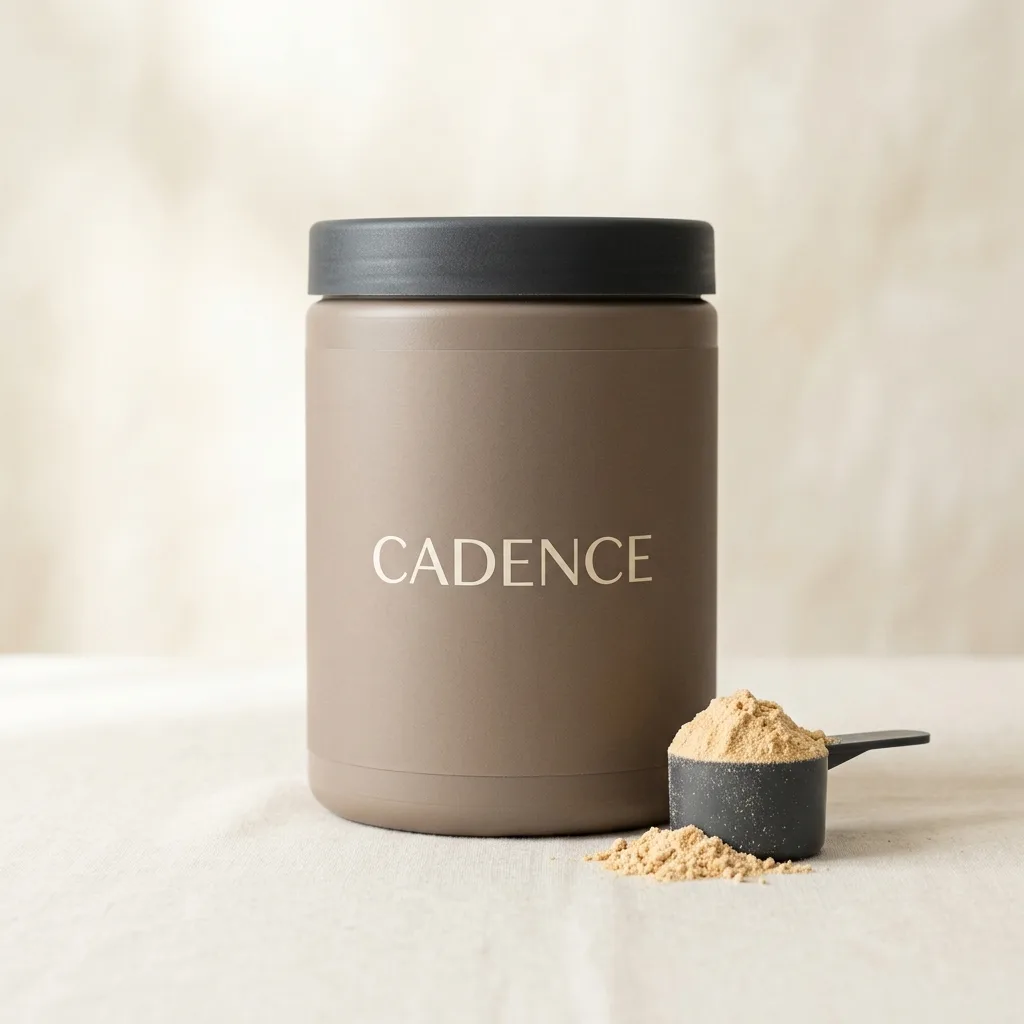
Dawnjar Sample
Casein Night Protein — Salted Caramel (2 lb)
25g protein120 cal
20.8g protein / 100 cal
per serving · 1 scoop (33g)
$57.99$2.15 / serving
Preview collection · Sample products · Prices in CAD
Dawnjar · Powder comparisons
Casein vs whey is a comparison between two milk proteins, but a shopper sees finished powders rather than isolated ingredients in a textbook. Flavour, scoop mass, preparation directions and package economics all shape the useful comparison. Casein protein powder often points toward a thicker preparation; that is a texture question, not a reason to attach other promises to it. This guide explains casein protein vs whey through composition, mixing and label wording. Dawnjar's preview presents sample records with illustrative figures and CAD prices, with ordering opening at launch. The shelf pairs the existing salted caramel casein record with the vanilla bean whey isolate record; neither is a new product invented for this article.
In cow's milk, casein accounts for approximately four-fifths of the protein and whey for approximately one-fifth. Those broad proportions describe milk, not the contents of a powder serving. Processing separates and concentrates ingredients, and a finished tub then adds its own recipe components. It would be incorrect to apply the original milk ratio to a labelled scoop of casein powder. The ingredient declaration and nutrition table describe the powder you are actually comparing.
A whey powder can use concentrate, isolate or a mixture of whey forms. Casein products can also differ in the form of casein they list. Keep source and form in separate columns: milk is the source, while the ingredient wording identifies the form. Flavour comes in another column again. Salted caramel and vanilla bean do not create a matched tasting pair, even though the two sample records can demonstrate how to compare serving figures and cost. For allergen information, read the label.
Micellar casein refers to casein retaining its micelle structure through separation. Caseinates are casein ingredients processed into salt forms, with names such as sodium caseinate or calcium caseinate. These terms describe ingredients, not a finished serving's protein amount or flavour. Read the precise wording rather than shortening every casein-containing powder to the same category. A front label may emphasize casein while the back provides the more specific form.
Do not use those names to calculate mineral figures or texture with certainty. The full formulation determines the table and preparation directions, and an ingredient name alone does not disclose its quantity. If several casein forms appear, record each without inventing their proportions. Likewise, a powder whose name says casein might include another protein ingredient too. Ingredient detail helps explain what you are comparing; it does not replace the actual nutrition declaration or a preparation check.
Casein wording — Keep micellar casein and named caseinates written separately in your comparison notes.
Full recipe — Other proteins or texture ingredients can appear beside the highlighted casein ingredient.
Declared amounts — Ingredient names do not supply the quantities needed for a finished-serving calculation.
Casein preparations commonly become thick and can take on a pudding-like consistency when mixed with less liquid. Whey preparations often remain more fluid under comparable conditions. The word commonly matters: flavour ingredients, added thickeners, portion size and technique can all change that result. There is no recorded texture test for the sample pair here, so the tendency should not be presented as a verified description of either finished sample.
Start with the package's suggested powder and liquid amounts, adding powder gradually if the directions allow. A mixture can change thickness after standing, so compare it at the point you intend to eat or drink it rather than at different stages. Dry clumps and a deliberately thick mixture are different observations; one is incomplete dispersion, the other may be the intended recipe texture. Keep notes on liquid quantity before concluding that a particular protein form is impossible to mix.
A person wanting a spoonable preparation may start by examining casein recipes, while someone wanting a pourable shake may begin with whey recipes. This is a choice of food texture. A pudding-style preparation uses its own liquid ratio and flavour balance; a drink formula should not be assumed to become a finished pudding simply by reducing the water. Use directions that describe the preparation you want, including any standing time and additional ingredients.
Baking makes substitution more complicated. Powder contributes solids, flavour and moisture interaction, so replacing one protein ingredient with another can alter batter consistency and the finished crumb. Choose a recipe written for the intended powder or make a small trial rather than changing a whole batch at once. Oats and yogurt mixtures deserve a similar recipe check. Describe the result in terms of thickness, sweetness and texture rather than assigning unverified benefits to the protein type.
Locate the grams of powder represented by the nutrition table. A scoop count without a mass is a weak basis for comparing two tubs, particularly if one serving uses more than one measure. Write down the protein grams, calories and serving mass together. Protein per serving describes that package's chosen portion; protein per 100 calories expresses a separate ratio. Neither tells you how thick the prepared food will be, because liquid and other ingredients affect that.
Read flavour and sweetener ingredients alongside the nutrition table instead of trying to infer sweetness from the sugars line alone. If preparation directions mention a different liquid or serving amount for a recipe, keep that recipe separate from the powder-only table. For allergens or lactose, read the label. Any detail missing from a preview card remains a label question, not permission to fill the gap with a general assumption about milk proteins.
A blend may name casein beside whey or other protein ingredients. That changes the question from which single form is present to how the complete recipe is described. Read the list in order, but do not treat order as a percentage disclosure. Unless the package specifies quantities, there is no sound basis for assigning a precise casein-to-whey ratio. Front-panel emphasis may highlight one ingredient without representing the whole mixture.
Compare a blend's declared serving as its own product. Its texture could fall between familiar preparations or differ because of the rest of the recipe. Make the same observations you would for a single-source powder: powder mass, liquid amount, dispersion and final consistency. The existing casein sample is an example record, not evidence for every blend containing casein. Do not carry its nutrition figures into an absent blend or use its flavour name to describe a different recipe.
First decide whether you want cost per prepared portion or cost for an equal protein quantity. For the latter, turn the package price into a serving price using its stated serving count. Divide that serving price by the protein grams in the declared portion, and scale the result to twenty-five grams. Run the calculation independently for each record. A tub containing larger scoops may have fewer servings, so package price alone can conceal part of the comparison.
For a pudding or shake containing extra ingredients, powder cost is only one part of the recipe total. Keep that distinction explicit rather than presenting a powder calculation as the price of a finished dessert. Also retain the package size beside the normalized figure: equal protein cost does not mean equal package commitment. Taste and thickness remain preferences outside the arithmetic. The shelf uses illustrative CAD inputs from existing records, which demonstrate the method without announcing launch prices or currently orderable products.
Dawnjar Sample
25g protein120 cal
20.8g protein / 100 cal
per serving · 1 scoop (33g)
$57.99$2.15 / serving
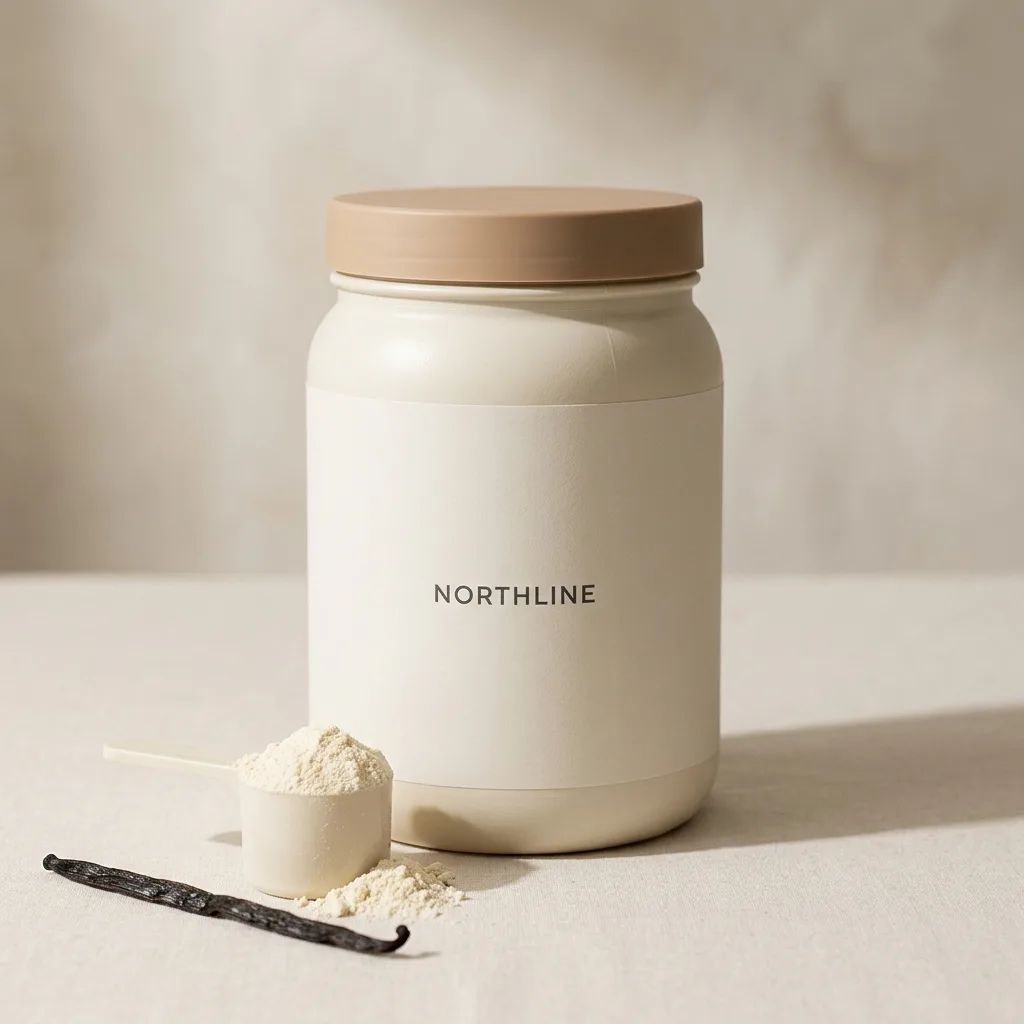
Dawnjar Sample
25g protein110 cal
22.7g protein / 100 cal
per serving · 1 scoop (30g)
$59.99$2.00 / serving
Preview collection · sample records with illustrative figures · prices in CAD. Ordering opens at launch.
Casein and whey are both milk proteins. The particular ingredient form and the rest of the powder recipe belong in the comparison; for allergens, read the label.
They are different ingredient descriptions. Micellar casein refers to the micelle form, while caseinate names a processed salt form. Read the ingredient wording on the specific package.
Casein preparations often thicken, especially with a lower liquid proportion. The recipe, powder quantity and time after mixing also influence consistency, so follow the preparation directions.
Do not assume a direct substitution. The moisture balance and batter texture may differ; consult a recipe for that powder or try a small batch before changing a larger recipe.
Treat each as a complete labelled serving and compare the known figures. Ingredient order is not enough to assign blend percentages, and mixing observations need consistent preparation conditions.
Ordering is not open. Dawnjar uses these existing samples to illustrate powder comparisons in CAD; the figures are examples and ordering opens at launch.
Casein is a milk protein that can be separated and used as an ingredient in powders and other foods. A package may name micellar casein or a caseinate, which are different ingredient descriptions. Read the complete list to see which form is present, then use the finished product's table rather than assigning it a generic protein figure.
Look for the actual ingredient names: micellar casein or named caseinates identify casein forms, while whey protein concentrate and whey protein isolate identify whey forms. A recipe can list more than one. Preserve the wording instead of relying on a front-panel flavour or broad milk-protein description; ingredient order does not disclose exact blend percentages.
Casein mixtures often feel thicker, but the complete recipe, powder amount and liquid ratio can change that impression. Compare preparations made according to their directions, noting any standing time and other ingredients. A deliberately spoonable texture is different from dry clumps. This preview has no recorded texture test proving how the sample pair feels when mixed.
Dawnjar preview pages use sample product records and illustrative nutrition figures. Ordering opens when real inventory and fulfillment are live. Nutrition information is general and informational only, not medical advice.