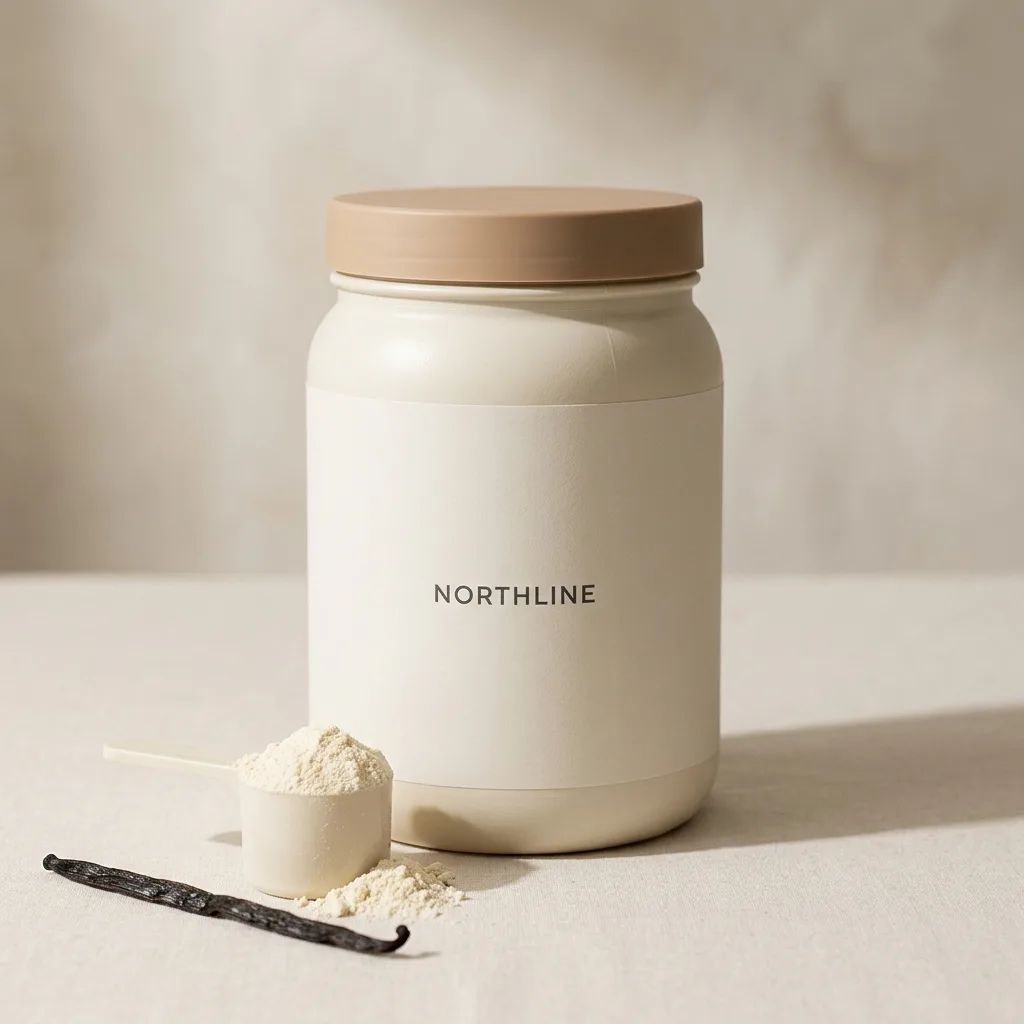
Dawnjar Sample
Whey Isolate — Vanilla Bean (2 lb)
25g protein110 cal
22.7g protein / 100 cal
per serving · 1 scoop (30g)
$59.99$2.00 / serving
Preview collection · Sample products · Prices in CAD
Dawnjar · Buying guide
Whey protein isolate is the most filtered everyday form of whey: more of each scoop is protein, with less fat and carbohydrate left over. This guide covers what whey isolate is, how it compares with whey concentrate, what to check on a Canadian label, and how to compare price per protein in CAD. The isolates shown below are sample records in Dawnjar's preview collection — ordering opens at launch.
Whey is the protein-rich liquid left over when milk is made into cheese, filtered and dried into powder. Whey protein isolate (often shortened to WPI or "iso whey") is whey that has been filtered further than concentrate, so it is typically about 90% protein by weight. That extra filtering removes more of the fat and lactose (milk sugar), which is why isolates usually list fewer calories, carbs and fat per gram of protein than concentrate. Isolate is still a dairy ingredient: it contains milk.
"Whey isolate vs whey protein" is one of the most common questions. On many labels, plain "whey protein" means whey concentrate or a blend. Here is the practical difference.
| Attribute | Whey concentrate (WPC) | Whey isolate (WPI) |
|---|---|---|
| Protein by weight | Varies widely, commonly about 70–80% | Typically about 90% or more |
| Fat and carbs per scoop | Higher | Lower |
| Lactose | Contains some | Less, but usually not zero |
| Texture and taste | Fuller, creamier | Lighter, thinner |
| Price per 25g protein | Often lower | Often higher — compare the label math |
| Allergen | Contains milk | Contains milk |
Neither is automatically better. Isolate suits you if you want the most protein per scoop with fewer extras; concentrate can suit you if you prefer a creamier shake at a lower price. Many powders blend both, so read the ingredient list: the first protein listed is usually the main one. Hydrolyzed whey isolate is isolate that has been partly broken down, and it is common inclear protein drinks.
Protein per scoop — compare grams of protein with the scoop weight; the closer they are, the more of each scoop is protein.
The protein source — "whey protein isolate" should be the first protein on the ingredient list, not a blend led by concentrate.
Cost per 25g of protein in CAD — divide the price by the servings, then scale to 25g of protein so tubs of different sizes compare fairly.
Flavour and sweetener — unflavoured mixes into anything; flavoured tubs list their sweetener on the label.
Allergens — whey isolate contains milk; always check the allergen statement.
Canadian availability — CAD pricing, Canadian shipping and bilingual labels make comparisons simpler.
Two sample whey isolate records show how Dawnjar compares powders: protein per serving, protein per 100 calories and price per serving in CAD — the same units on every card. They are preview records with illustrative figures, not stocked inventory.
Dawnjar Sample
25g protein110 cal
22.7g protein / 100 cal
per serving · 1 scoop (30g)
$59.99$2.00 / serving
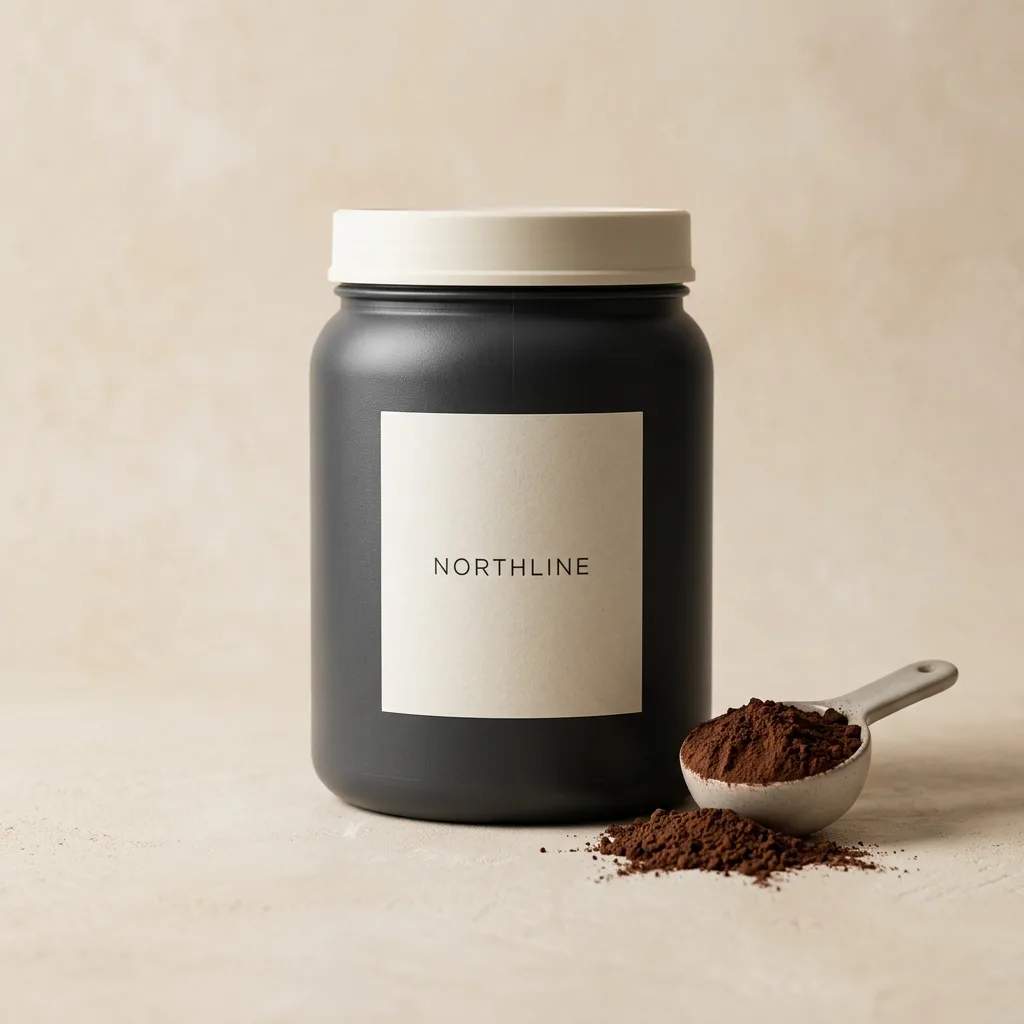
Dawnjar Sample
25g protein115 cal
21.7g protein / 100 cal
per serving · 1 scoop (30g)
$59.99$2.00 / serving
Preview collection · sample records with illustrative figures · prices in CAD. Ordering opens at launch.
Plant protein and casein are different proteins, not whey isolates. They are shown here so you can compare formats side by side.
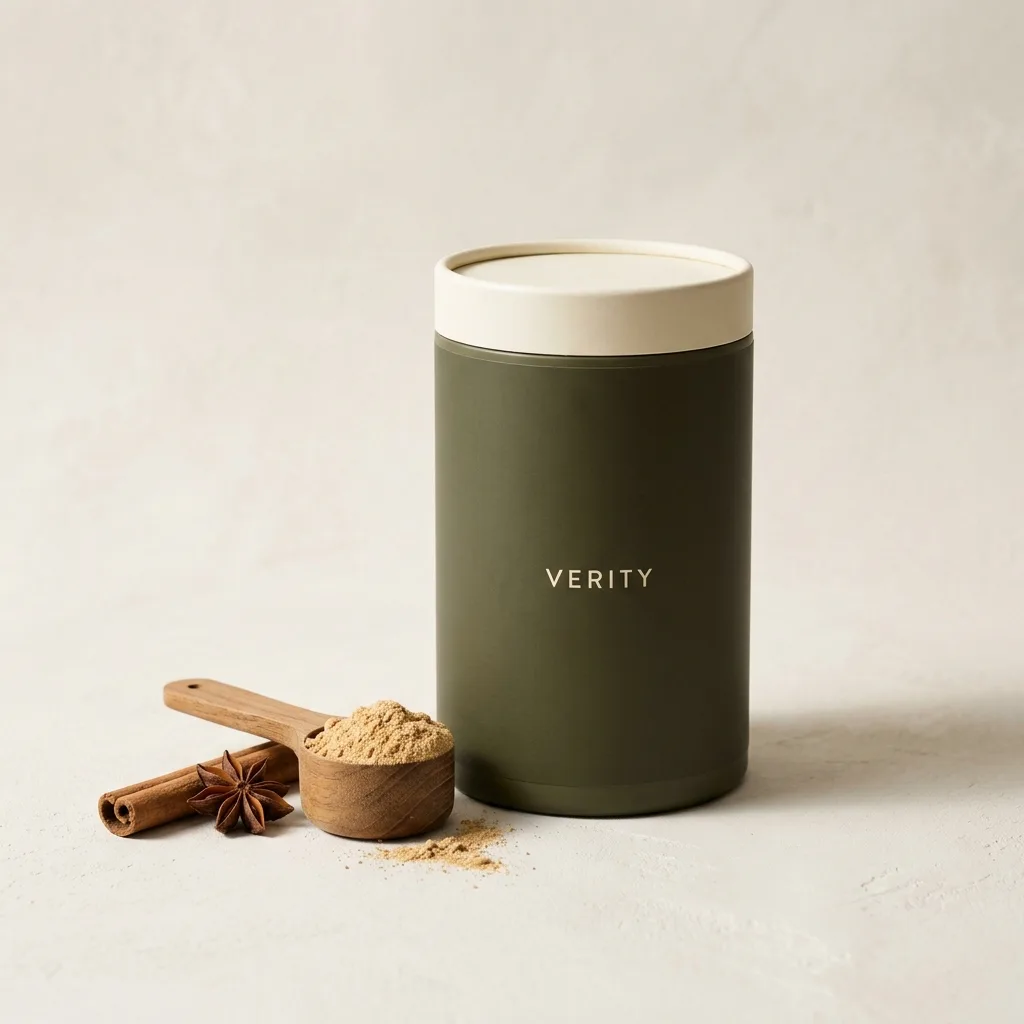
Dawnjar Sample
24g protein130 cal
18.5g protein / 100 cal
per serving · 1 scoop (34g)
$54.99$2.29 / serving
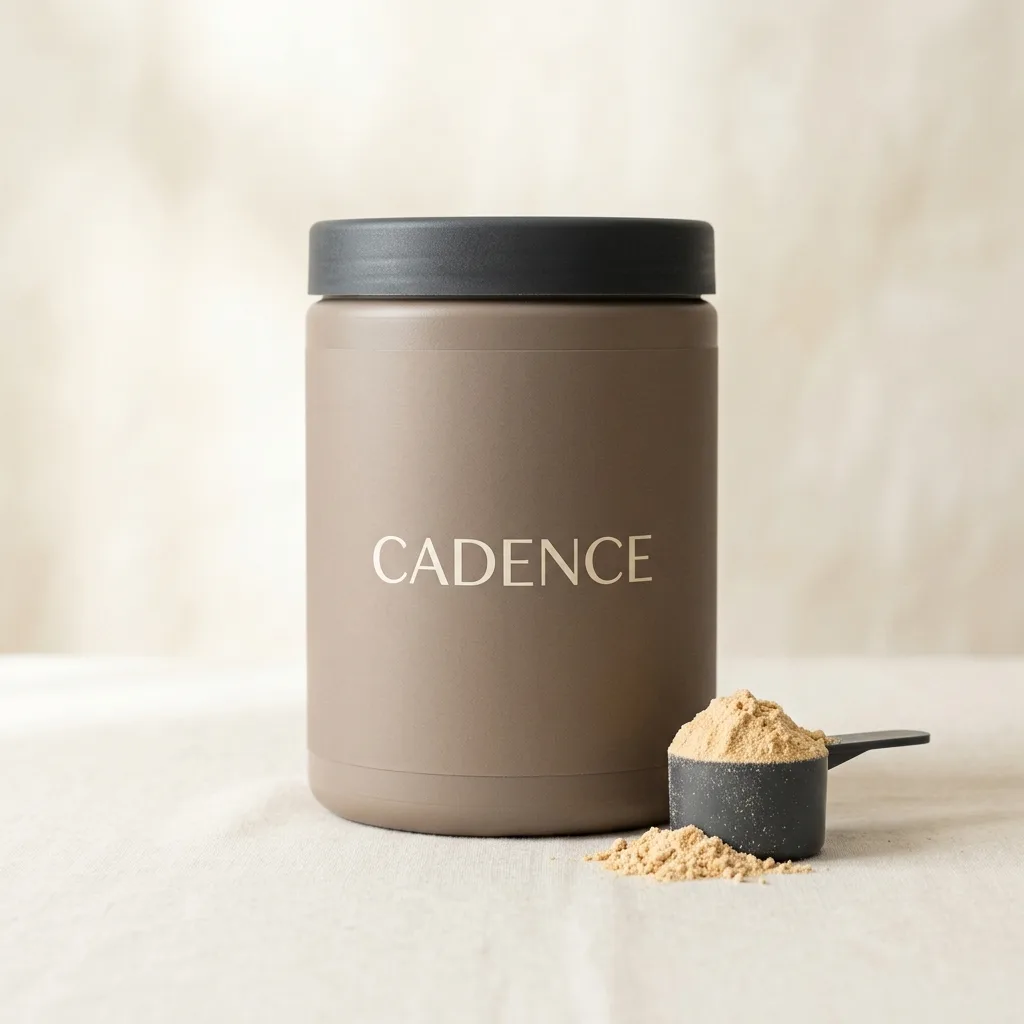
Dawnjar Sample
25g protein120 cal
20.8g protein / 100 cal
per serving · 1 scoop (33g)
$57.99$2.15 / serving
Preview collection · sample records with illustrative figures · prices in CAD. Ordering opens at launch.
Start with the package size you are actually comparing, its CAD price and the serving count printed for that version. Divide price by servings to obtain cost for the declared portion. Keep that portion's powder weight and protein grams visible. A large tub may have a lower headline price per gram of powder without being the same flavour, formula or serving as another option.
A like-for-like comparison uses the same question for both packages. If you compare declared servings, acknowledge when their weights differ. If you compare equal powder weights, scale both costs and protein figures consistently. Do not use a package's full net weight as one serving, or combine the price from one size with the serving count from another. These are measurement choices, not different versions of the same result.
When protein amounts differ, a standardised protein cost can complement the serving comparison, using each record's own price and protein input. It does not change the package's defined scoop or decide which flavour you prefer. Keep the arithmetic separate from ingredient preferences. A more expensive portion might still be the preparation you prefer, but that preference should not be described as a lower calculated cost.
Read whether the comparison includes powder alone or a prepared drink. Milk, a plant drink or recipe ingredients add separate costs and label figures. Do not put those additions into only one side of a powder comparison. Dawnjar's isolate samples demonstrate the display with illustrative CAD values; they do not establish a current purchase price, discount or commitment for future inventory.
Read protein percentage claims with their stated basis. A percentage describing a raw isolate ingredient is not automatically the percentage of the finished flavoured powder. To compare the finished serving, put protein grams beside powder grams and divide the first by the second if you want its protein share. That calculation is about the declared portion, not a new purity claim or a verified analysis of an ingredient.
A scoop holds the full formula, including flavourings and other listed ingredients. Read whether the serving is level, rounded or given as a weight, and avoid borrowing a scoop from a different tub. Health Canada says serving size "isn't a recommendation of how much to eat". The Nutrition Facts table supplies the basis for comparison; the household measure helps identify that portion but does not make every scoop equal.
For lactose, preserve the label's own wording. Isolate often lists less lactose than concentrate, but its processing name cannot establish an amount for every finished product. A sugars entry does not identify every individual sugar, and milk-protein wording is a separate declaration. If the package does not provide the detail you need, ask the manufacturer rather than translating isolate into a lactose-free statement.
Milk is a priority allergen, and priority allergens must be identified by common name on pre-packaged food labels. Check milk in the ingredient or Contains wording and read other declarations as written. Neither a thinner drink nor a sourcing description removes that reading task. This guide describes the label; it does not decide whether a product is appropriate for an individual.
For listed nutrients with daily values, use the official reading aid: % DV: 5% DV or less is a little, 15% DV or more is a lot. Read sugars, sodium and other entries at the same portion basis. The table lists calories plus 12 nutrients per serving; it is not a flavour or mixing score. Keep sweetener ingredients and preparation directions as their own checks when comparing finished formulas.
Whey protein isolate is whey that has been filtered further than concentrate, so it is typically about 90% protein by weight with less fat and lactose. It is sold as a powder and is also used in some ready-to-drink and clear protein products.
On many labels, "whey protein" means whey concentrate or a blend. Whey isolate is a more filtered form with a higher share of protein per gram and usually less fat and carbohydrate. Both come from milk.
Not necessarily. Isolate usually contains less lactose than concentrate, but most isolates are not labelled lactose-free, and all whey isolate contains milk. Check the product label, and if you have a lactose intolerance or a milk allergy, ask a healthcare professional before choosing a whey product.
It depends on what you want. Isolate gives more protein per scoop with fewer extras; concentrate is often creamier and cheaper. Compare protein per serving and cost per 25g of protein rather than the label name alone.
Whey isolate is sold by Canadian supplement stores, grocers and online retailers. On Dawnjar, the isolates are sample records in a preview collection with prices shown in CAD; ordering opens at launch.
Not yet. The powders on this page are preview sample records that show how Dawnjar compares protein. Ordering and shipping details will be published at launch.
Divide the CAD package price by declared servings, then compare like-for-like portions. Keep protein grams and serving weight beside each result. A tub price alone does not establish the lower portion cost.
It usually contains less lactose than concentrate, but read the exact label. Isolate wording does not establish a lactose-free claim or quantify lactose. Whey comes from milk, so read the milk allergen declaration separately.
Dawnjar preview pages use sample product records and illustrative nutrition figures. Ordering opens when real inventory and fulfillment are live. Nutrition information is general and informational only, not medical advice.