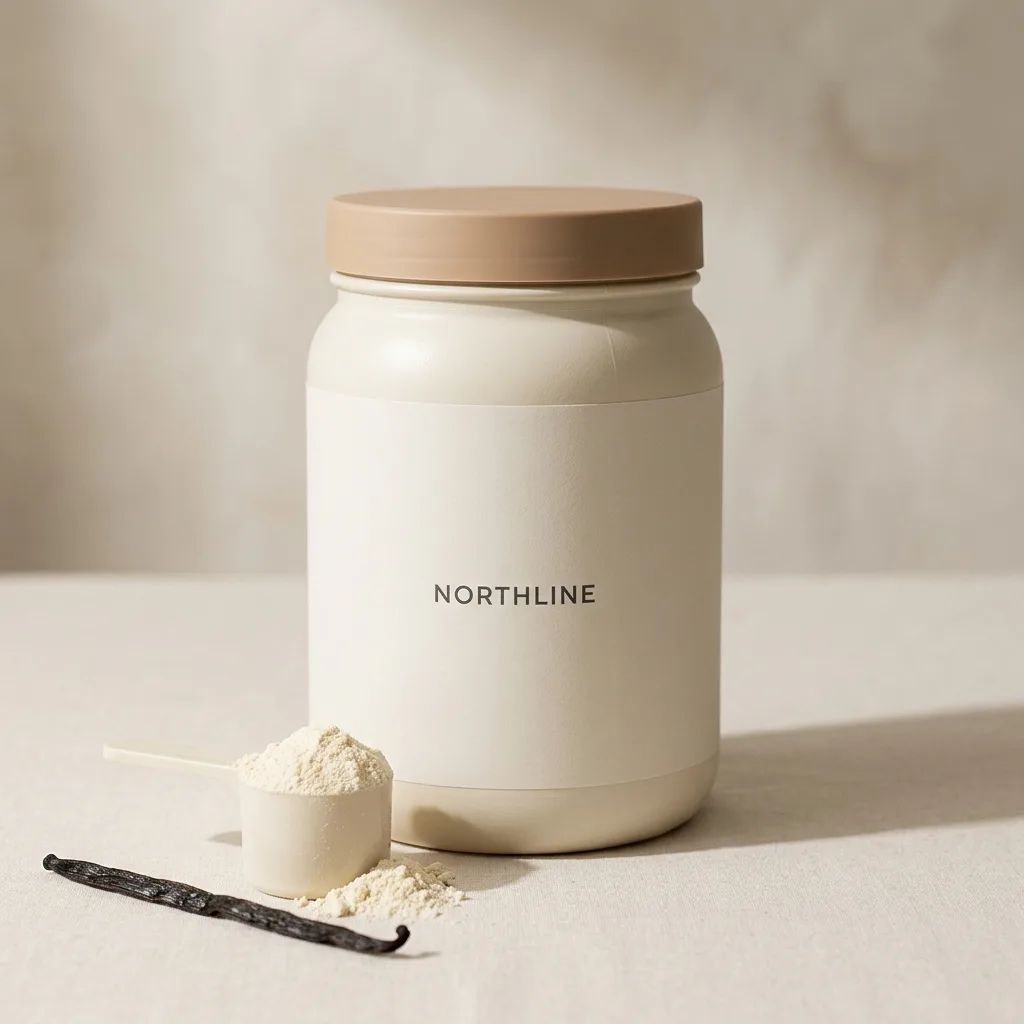
Dawnjar Sample
Whey Isolate — Vanilla Bean (2 lb)
25g protein110 cal
22.7g protein / 100 cal
per serving · 1 scoop (30g)
$59.99$2.00 / serving
Preview collection · Sample products · Prices in CAD
Dawnjar · Protein powders
Pea protein and whey give you different ingredient sources, but a source name alone does not choose a powder for you. Read the serving, complete formula and mixing directions before comparing taste or price. Pea can appear on its own or in a plant blend, while whey labels can identify isolate, concentrate or a combination. This guide makes those package differences easier to compare without ranking benefits. Dawnjar is a preview of sample records with illustrative figures and prices in CAD; ordering opens at launch.
Whey comes from milk, while pea protein is commonly made from yellow peas. Isolate and concentrate are ingredient or processing terms that can appear on labels; neither supplies the full finished formula. Read which source and form the package names, then look for any additional proteins. Pea is often blended with rice, so a pea-forward headline need not mean a single-source powder.
"Pea protein vs whey" receives about 320 searches a month in Canada, per Semrush data pulled October 2026. "Pea protein vs whey protein" receives about 260 searches a month in Canada, per Semrush data pulled October 2026. The reverse wording, "whey protein vs pea protein", receives about 90 searches a month in Canada, per Semrush data pulled October 2026. These are comparison questions, not evidence of a winning source.
Find the powder grams represented by the serving before comparing protein. A large scoop with a larger protein number may simply contain more powder. To compare equal weights, scale each label's figures to the same powder amount. Keep that calculation distinct from the original serving so it does not silently become a recommendation or a new claim about the formula.
Health Canada says serving size "isn't a recommendation of how much to eat". The Nutrition Facts table lists calories plus 12 nutrients per serving. For entries with a daily value, read: % DV: 5% DV or less is a little, 15% DV or more is a lot. Use that aid for the listed nutrients, not as a score for pea or whey, and keep mixing additions separate.
Milk and soy are priority allergens, and priority allergens must be identified by common name on pre-packaged food labels. Whey is milk-derived, while a pea formula may include other protein ingredients or additions. Read the full ingredients and any Contains statement, plus precautionary wording that may appear. A plant source does not replace the declarations for the finished powder.
Keep source preference separate from allergen-label questions. A pea-only ingredient and a blend containing pea are not identical descriptions, and a flavour system can introduce additional ingredients. If an online image shows only the front label, request the complete package information. This comparison describes what to read; it does not decide whether either powder is appropriate for a particular individual.
Whey usually produces a thinner shake, while pea can have a thicker or earthier character. These are format tendencies, not verified tasting results for the preview records. Sweeteners, flavourings and other ingredients can change the impression substantially. Read the formula and liquid directions before assigning every difference to the protein source or treating a vanilla name as a matched taste test.
Use each package's measured portion and suggested liquid first. Shake or blend as directed, allow any stated settling step, then adjust liquid gradually where permitted. Fruit, ice and a milk or plant drink also change texture. If you change several additions at once, you cannot clearly attribute the result to pea or whey. Prepared recipes need their own known figures; the powder table alone does not describe them.
Divide the CAD package price by its declared serving count to obtain portion cost. Record the powder weight and protein grams beside that value. A cheaper tub may have fewer servings or define a smaller serving, so package price is not a complete comparison. Use the same purchase size and formula that supplied the serving information rather than mixing details from related versions.
If the portions differ, compare equal powder weights as a separate calculation or use each portion explicitly and acknowledge the difference. A standardised protein-cost comparison can answer another question, but it does not alter the printed scoop size. Keep flavour preference and preparation convenience separate from calculated cost. Dawnjar's illustrative CAD figures are not current offers or launch price commitments.
Make a short note for each package instead of collecting isolated headline numbers. Start with source and portion, then add the complete ingredients, liquid directions and CAD serving calculation. Mark missing entries as questions to ask rather than filling them from the other powder.
Source wording — Read whey isolate, concentrate, pea and other named protein ingredients without inventing blend proportions.
Matched portion — Put protein grams beside powder weight, then compare on the same basis rather than matching scoop shapes.
Complete declarations — Read ingredients, Contains wording and any precautionary statements for the exact flavour.
Mixing method — Record the liquid type, amount and preparation sequence; compare texture separately from source preference.
CAD cost — Use package price and serving count from the same version, and keep any drink additions outside powder-only cost.
The existing vanilla bean and Dutch chocolate whey isolates sit beside the vanilla chai plant blend as powder-format references. These are the whey and plant powder samples used in the linked source guides; the bar and pasta records from the vegan guide are not added to this powder comparison. The plant blend is not a pea-only sample or a matched plain-vanilla counterpart. All figures and CAD prices are illustrative and belong to their own records.
Dawnjar Sample
25g protein110 cal
22.7g protein / 100 cal
per serving · 1 scoop (30g)
$59.99$2.00 / serving
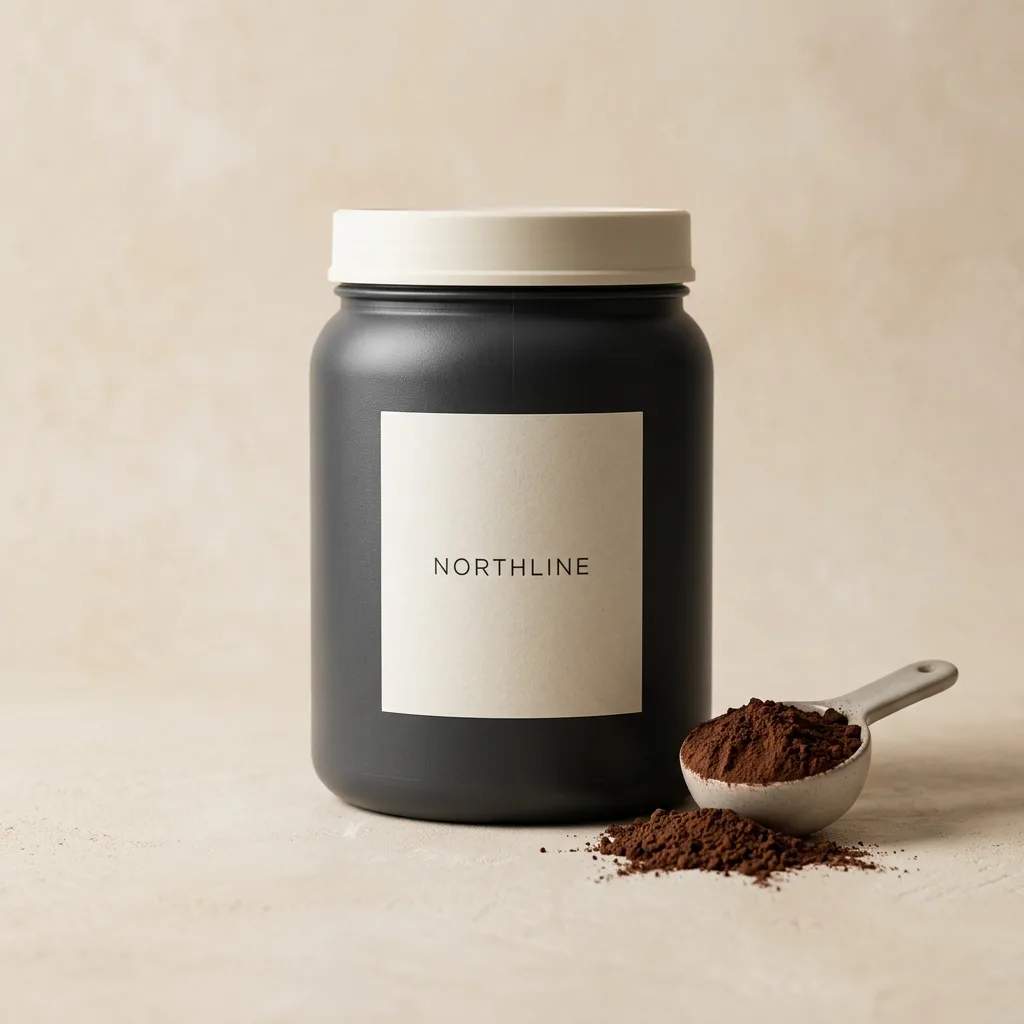
Dawnjar Sample
25g protein115 cal
21.7g protein / 100 cal
per serving · 1 scoop (30g)
$59.99$2.00 / serving
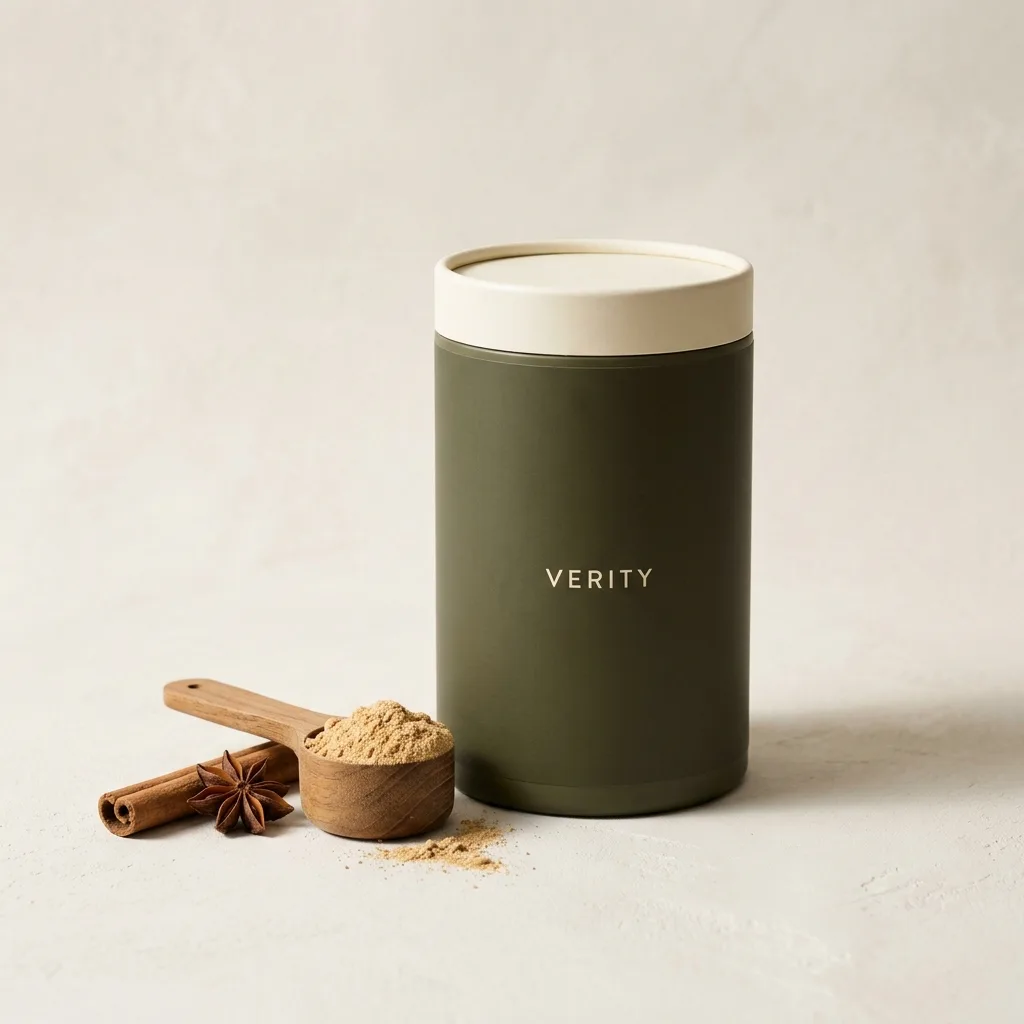
Dawnjar Sample
24g protein130 cal
18.5g protein / 100 cal
per serving · 1 scoop (34g)
$54.99$2.29 / serving
Preview collection · sample records with illustrative figures · prices in CAD. Ordering opens at launch.
Choose the preparation you intend to make, then check that each package provides usable directions for it. Someone mixing with water may prefer a different flavour or texture from someone blending with fruit. Those preferences are not nutritional rankings. Read the exact flavour's ingredient list and portion details again if you switch versions, even when the protein source stays the same.
Keep a copy of the labels you compared and ask the manufacturer about unresolved ingredients or preparation wording. Do not treat a discussion of pea and whey as proof of a new product's formula, allergen declarations or performance. Dawnjar provides a preview framework for these questions, using existing sample records rather than verified real inventory. Ordering opens at launch.
Neither is automatically better from its source name; compare protein per serving, allergens, taste and price. Use equal powder weights where serving sizes differ. The complete formula and preparation matter alongside the named protein.
Pea protein itself is plant-based; check the full formula and Contains statement for milk. Milk is a priority allergen, and priority allergens must be identified by common name on pre-packaged food labels. A pea headline does not describe every ingredient or precautionary statement.
That description is not established by the usual serving figures; read the ingredient list instead of assuming it. Many plant powders blend pea with rice. This guide does not make amino-acid quality claims or infer them from a protein gram entry.
It depends on the formula and preparation; whey usually mixes thinner, while pea can feel thicker or earthier. Follow each package's liquid and mixing directions. Compare similarly prepared drinks rather than attributing every difference to the source alone.
Divide each CAD package price by its declared serving count. Keep the serving weight and protein amount visible beside the result. For unequal portions, use the same weight basis before deciding which costs less.
Not yet; Dawnjar is a preview and ordering opens at launch. The powder records have illustrative figures and CAD prices. The plant sample is a blend, not newly introduced pea-only inventory.
Dawnjar preview pages use sample product records and illustrative nutrition figures. Ordering opens when real inventory and fulfillment are live. Nutrition information is general and informational only, not medical advice.