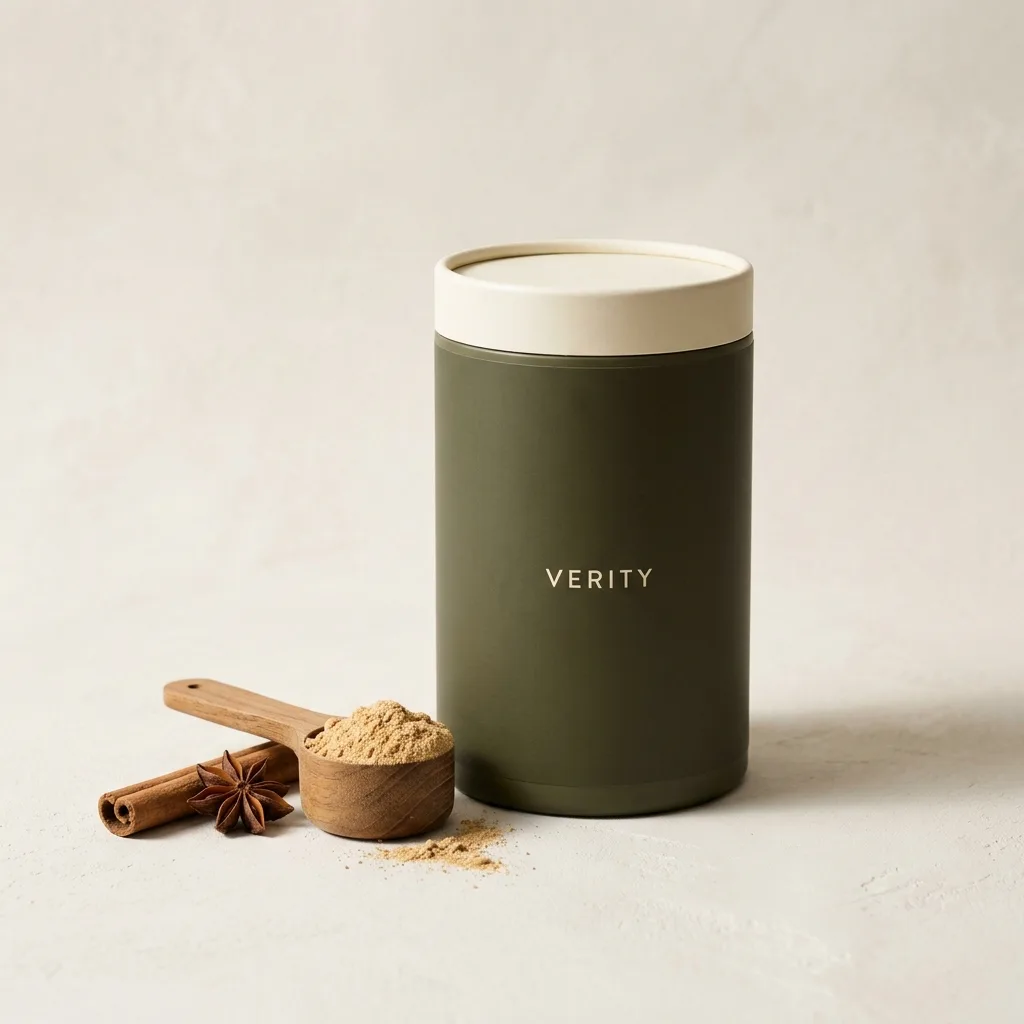
Dawnjar Sample
Plant Protein Blend — Vanilla Chai (1.8 lb)
24g protein130 cal
18.5g protein / 100 cal
per serving · 1 scoop (34g)
$54.99$2.29 / serving
Preview collection · Sample products · Prices in CAD
Dawnjar · Plant protein
Soy protein powder is a powder-format ingredient question, not the same shopping task as choosing textured soy pieces for dinner. This guide separates isolate, concentrate and cooking formats so that a familiar soy name does not obscure the label details. Dawnjar has no dedicated soy-only powder record. Its plant blend and whey samples provide comparison practice only, with illustrative figures and CAD prices. They do not establish a soy formulation, and ordering opens at launch.
Soy protein powder concentrates protein from soy into a dry ingredient intended for specified preparations. Processing separates components of the starting material; the resulting formula may be plain or combined with flavourings and other ingredients. Soy protein isolate is a more refined protein ingredient than concentrate, but the complete package can still contain additions. Read the exact ingredient wording rather than using the isolate name to predict the protein content of the finished flavoured powder.
Textured vegetable protein, often called TVP, is a different physical format used in cooking. It may come as granules or pieces that are prepared according to their directions, rather than a fine shake powder. A soy cooking product and soy drink powder should not be compared scoop for scoop. Their preparation, portions and added ingredients differ, so first identify which form you want and which state the nutrition table describes.
An isolate or concentrate declaration identifies an ingredient form, while the Nutrition Facts table describes a portion of the finished product. If a percentage of protein by weight is supplied, read what it refers to: the protein ingredient or the packaged formula. A scoop’s total powder weight includes everything in that portion, not just protein. Compare the grams of powder with the grams of protein without assuming that refinement wording answers both questions.
Then inspect flavourings, sweeteners and any other protein sources listed alongside soy. A blend can have different texture and preparation directions from a single-source powder even when both prominently mention isolate. Establish the labelled serving count before comparing package cost. The concentrate description is not a taste judgement, and isolate wording is not a promise that the finished powder mixes identically to another isolate. Keep composition, preparation and cost as separate decisions.
A useful comparison starts with the exact sources named, not a general vote for plant or milk ingredients. Pea and soy can appear alone or together with other plant proteins; whey is a milk protein ingredient. The pea and plant-versus-whey guides address those distinctions from different angles. Do not assume one plant category always has a lower equal-protein cost: compare actual portions and prices, since similar package prices can hide different serving counts.
Source and declarations — Read milk, soy and other allergen wording from the actual package, including any precautionary statements; plant wording alone is incomplete.
Mixing method — Compare the intended stirring, shaking or blending instructions and the amount of liquid before interpreting a difference in texture.
Flavour range — Use the complete ingredient list to distinguish unflavoured powder from vanilla, cocoa or other formulated flavours.
Equal-protein cost — Calculate each exact record on a cost-per-25g basis instead of assigning an assumed price range to all plant powders.
Work through the package in an order that preserves the units. The serving weight anchors the table, the ingredient list identifies the formula, and the package count supports a price calculation. Soy is a priority allergen in Canada, so read the allergen declaration rather than treating a flavour or preparation as a suitability statement. This guide explains wording; it does not assess anyone’s dietary needs.
Protein per scoop — Confirm that the stated scoop corresponds to the labelled portion, then read the protein entry for that portion.
Scoop grams — Keep total powder mass distinct from protein grams; changing the scoop changes every serving-based comparison.
Protein per 100 calories — Use protein divided by calories times one hundred when comparing this ratio across differently sized portions.
Sweeteners and sodium — Inspect sugars, named sweeteners and sodium separately instead of guessing from how plain or sweet the flavour sounds.
Ingredient claims — If organic wording appears, read what ingredient or product it refers to rather than extending it to unrelated characteristics.
The vanilla chai plant blend below is a plant sample, not a dedicated soy protein powder. Check ingredient lists when soy content is your question; this article does not infer a soy ingredient from the words plant blend. The vanilla bean and Dutch chocolate whey isolates provide milk-source comparisons alongside it. These three cards demonstrate existing record formats, not a newly added soy shelf or a verified soy label.
Look at each sample’s own portion and computed comparisons without transferring its numbers to an absent soy product. The plant record’s flavour also differs from the whey examples, so the shelf is not a controlled tasting trial. No cost result here proves that soy is cheaper, more expensive or better tasting than whey. Prices belong to illustrative CAD records, and there is no current order available from this guide.
Dawnjar Sample
24g protein130 cal
18.5g protein / 100 cal
per serving · 1 scoop (34g)
$54.99$2.29 / serving
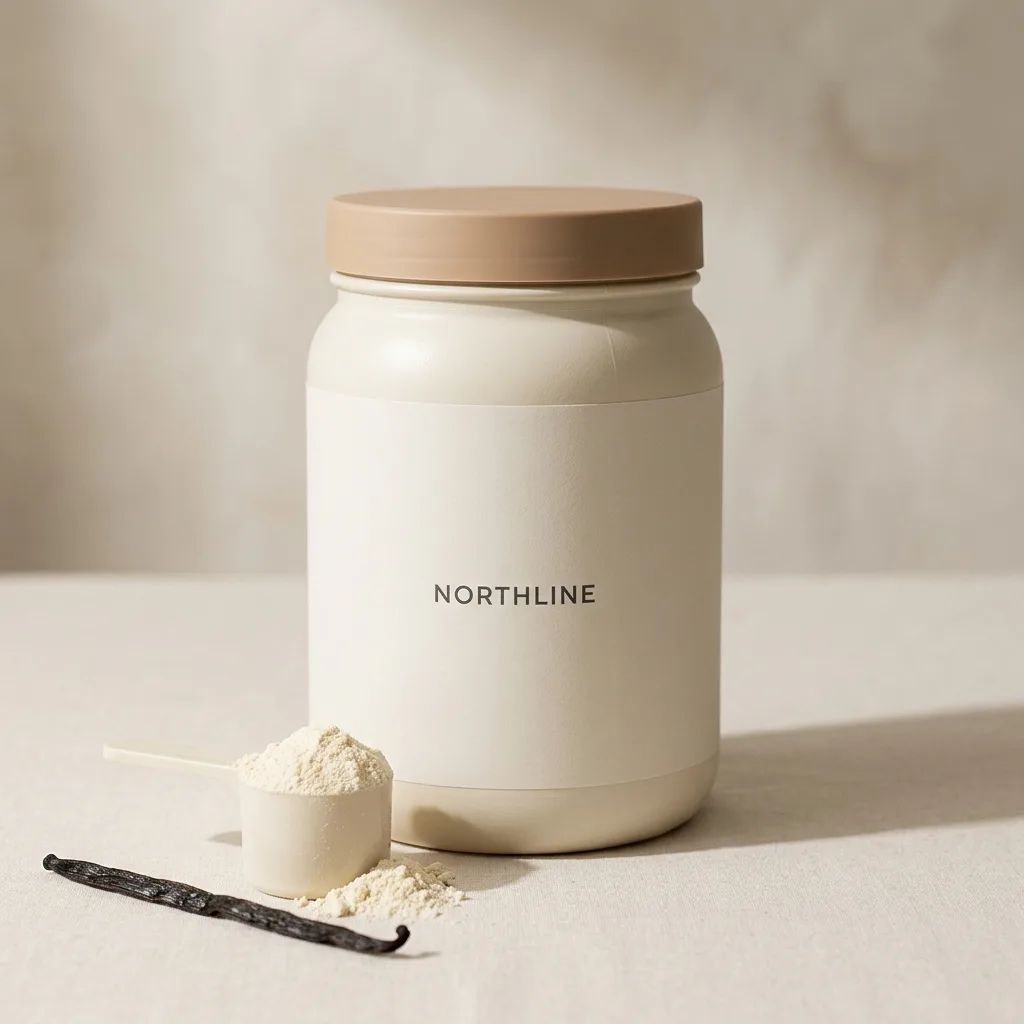
Dawnjar Sample
25g protein110 cal
22.7g protein / 100 cal
per serving · 1 scoop (30g)
$59.99$2.00 / serving
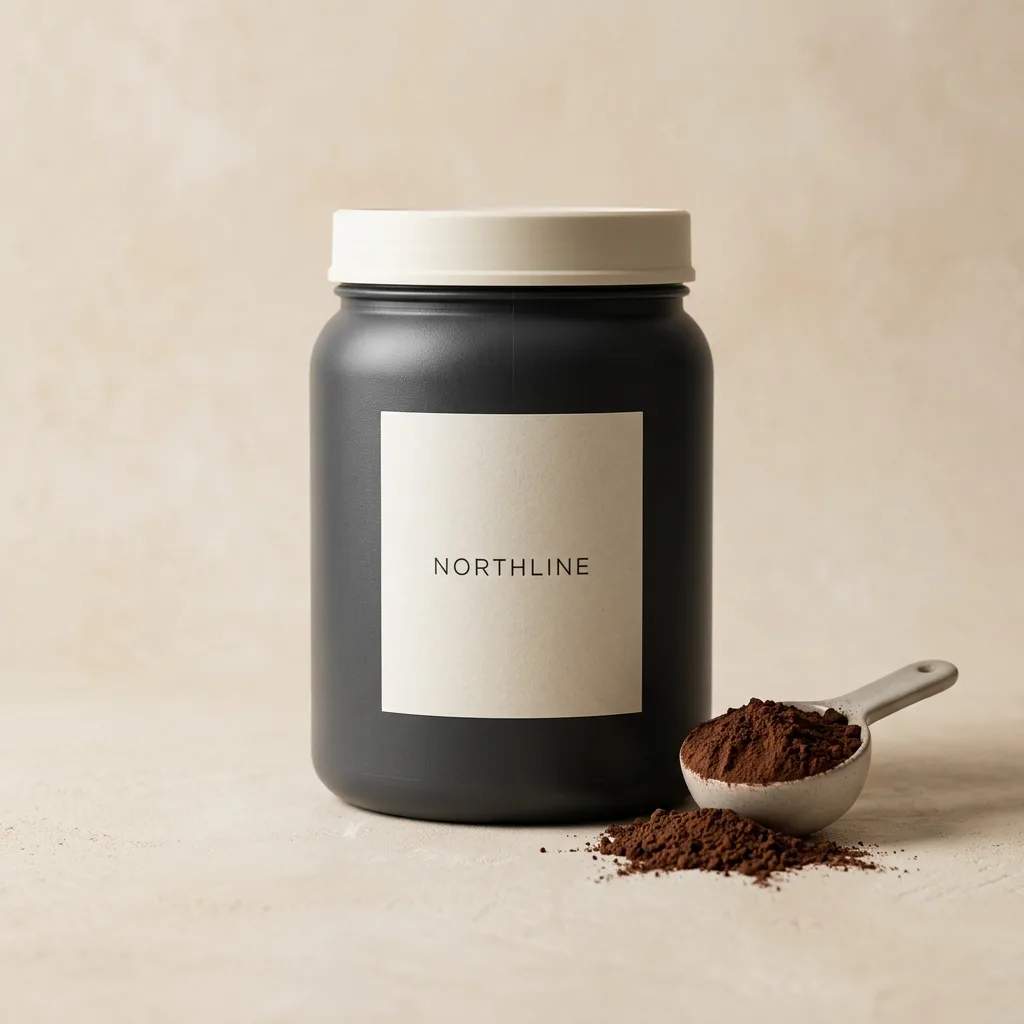
Dawnjar Sample
25g protein115 cal
21.7g protein / 100 cal
per serving · 1 scoop (30g)
$59.99$2.00 / serving
Preview collection · sample records with illustrative figures · prices in CAD. Ordering opens at launch.
Soy protein crisps can be ingredients in bars or crunchy snack recipes, where their texture is part of a finished food. The complete bar or bag has its own serving and ingredients. A crisp ingredient’s name cannot supply the protein amount for that finished snack, and a soy powder table cannot replace the snack table. The puffs and snack guides help compare those finished formats without suggesting that every crunchy sample contains soy.
For textured soy protein, follow the cooking product’s preparation instructions and distinguish dry from prepared figures. Added liquid and other ingredients change the finished dish, while the dry packet remains a different comparison stage. This section does not offer a TVP recipe or assign figures to a cooked bowl. Choosing granules rather than powder is a choice about intended use and handling, not a claim that one soy format is universally preferable.
Someone comparing plant-source options may want to understand whether a formula is soy-only or a blend. Someone checking allergen declarations may need the full ingredient and precautionary wording rather than a broad source category. A cook might instead be distinguishing a powder for batter from textured pieces intended for a savoury preparation. These are preferences and label-reading tasks, not reasons this guide gives a recommendation about health or personal suitability.
Write down the format, desired flavour, mixing directions and serving basis before choosing among packages. Read any return policy before committing to an unfamiliar formula, without assuming an opened food can be returned. For cost, use package price divided by servings, then divide by protein per serving and multiply by twenty-five. Dawnjar supplies comparison examples only; no soy-only inventory is established here, and any future ordering opens at launch.
It is a more refined soy protein ingredient produced by separating more of the non-protein components than a concentrate. A packaged formula may contain flavourings or other ingredients as well. Read any protein-percentage statement in context and use the finished product serving table for the amount you would measure.
Soy is often described with that term in educational material. If an amino-acid panel is provided, read its stated basis and remember that finished formulas can include blends. The phrase is not a taste, value or superiority score, and this guide makes no performance claim from it.
No: textured soy protein is generally a cooking format with granules or pieces, while a powder has its own mixing or recipe directions. Identify whether each table describes dry or prepared food. Substituting one for the other without suitable directions changes both the method and the portion comparison.
Soy itself is not a milk ingredient, but a finished blend can also list milk proteins or other milk ingredients. Read the entire ingredient and allergen statement, including may-contain wording where present. A soy source name does not certify a product or preparation for anyone.
Both are plant protein sources, but individual formulas can differ in flavour, texture, sodium and portion size. The pea powder guide explains how to inspect a single-source claim and distinguish it from a blend. Use the exact labels and directions rather than assigning one standard result to either source.
Ordering is not open, and the preview has no dedicated soy-only powder record. Its plant blend and whey cards are illustrative comparisons with CAD prices, not a soy inventory announcement. Ordering opens at launch, and the displayed sample figures cannot describe a future soy formula.
Dawnjar preview pages use sample product records and illustrative nutrition figures. Ordering opens when real inventory and fulfillment are live. Nutrition information is general and informational only, not medical advice.