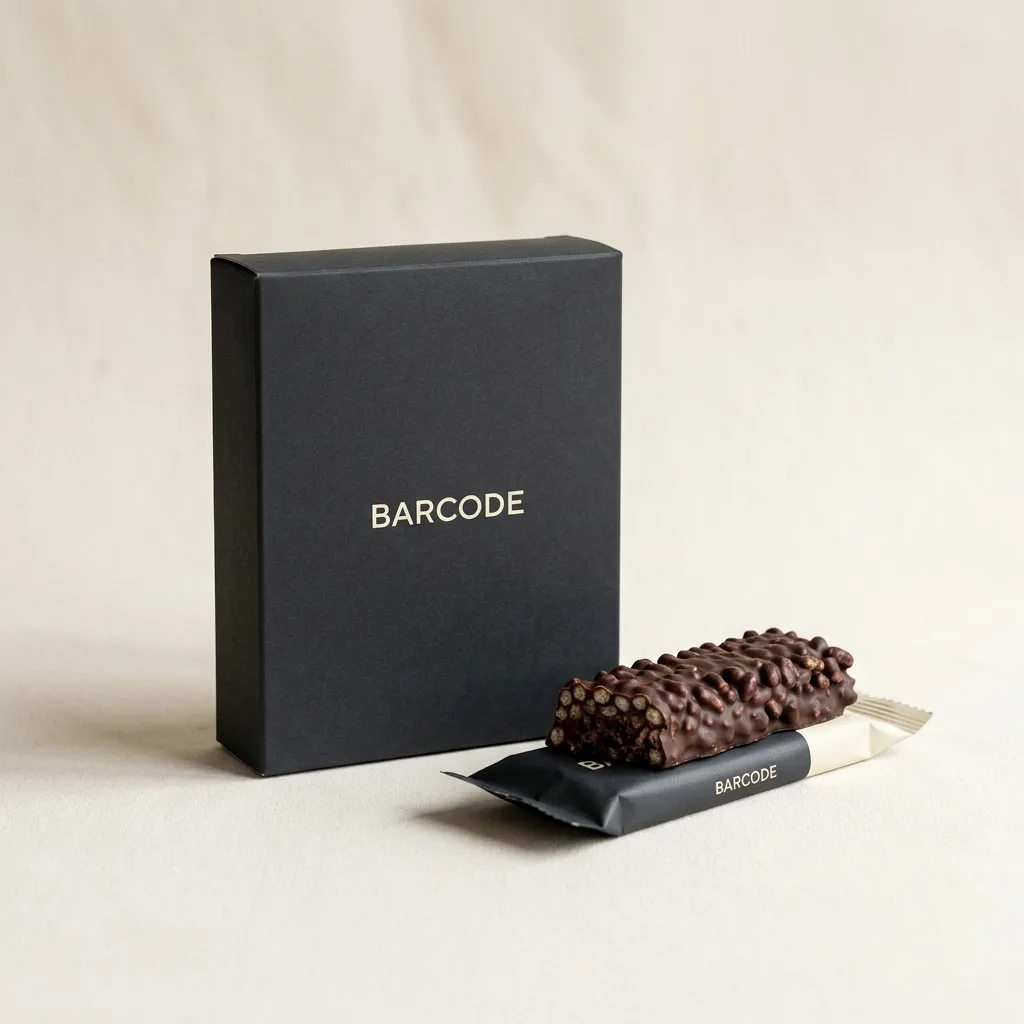
Dawnjar Sample
Double Chocolate Crisp Bar
21g protein210 cal
10.0g protein / 100 cal
per serving · 1 bar (65g)
$41.99$3.50 / serving
Preview collection · Sample products · Prices in CAD
Dawnjar · Protein bars
Coconut bars can have shredded centres, crisp bases or chocolate drizzle. Coconut wording alone does not tell you how much coconut is present, which protein ingredient is used or what the finished serving contains. Compare wrappers and try an adjustable homemade method without invented nutrition figures. Dawnjar is a preview with sample records, illustrative figures and prices in CAD; ordering opens at launch. The existing bars below are separate flavour references, not coconut bar inventory.
Start with the declared serving: a whole bar, part of a bar or several small pieces. Place its weight next to protein, sugars, fibre and saturated fat in the Nutrition Facts table. If comparing a package total, scale all entries together and name that basis.
For nutrients with a daily value, Health Canada explains that 5% DV or less is a little, 15% DV or more is a lot. Apply that reading aid to the actual saturated-fat entry rather than judging a pale centre or thin chocolate coating by appearance.
Maple syrup, other syrups, sweetened coconut and chocolate can each change the recipe. Read sugars on the wrapper alongside the full ingredients. Unsweetened coconut is an ingredient description, not a claim about the finished bar: other components can include sweetening ingredients.
“Low in sugar” means 5 g or less of sugars per reference amount and serving, and per 50 g if the reference amount is 30 g or less. Read the package’s claim with its table rather than assigning it to a recipe based on one ingredient. We make no sugar-status claim about the sample shelf or homemade method.
Milk, soy and tree nuts are priority allergens to check across the protein powder, binder and chocolate. They must be identified by common name on pre-packaged food labels. Read the actual declarations and precautionary statements for each ingredient; a coconut illustration cannot describe the coating or a powder blend.
For coconut’s classification, consult Health Canada’s priority allergen list and the exact label. Check almond butter, powder and chocolate separately; a binder substitution does not describe the other ingredients.
Divide package price in CAD by bar count, noting whether all pieces have the same weight. Keep portion weight next to price per bar so a smaller rectangle is not mistaken for a lower-priced equivalent.
These quantities are an adjustable starting point, not a tested formula. Coconut butter and almond butter do not behave identically, and powder texture varies. Begin with a small batch and note any changes. No protein, calorie or other nutrition total is supplied for this preparation.
Follow every ingredient’s storage directions and keep the homemade mixture refrigerated in a covered container. Let the topping set before stacking pieces, and separate layers with parchment if the surfaces stick. Coconut butter and chocolate can soften as temperatures rise, so use a container rather than expecting an unwrapped piece to retain its shape.
“Bar coconut” receives about 880 searches a month in Canada, per Semrush data pulled October 2026. That phrase can cover many recipes and formats. Use a full wrapper for packaged figures and a complete ingredient list for a homemade method rather than transferring details between them.
Serving basis — Find the declared portion and its weight. Keep that basis beside protein, sugars, fat and fibre rather than comparing differently sized servings as if they matched.
Full ingredient list — Read the base, flavouring, coating or additions together. A front-panel description cannot supply the details missing from the reverse panel.
Allergen wording — Read ingredients, any Contains statement and precautionary wording. Priority allergens must be identified by common name on pre-packaged food labels.
Directions and cost — Keep preparation and storage instructions with the exact package. Divide CAD package cost by its declared portions; compare like quantities and note any missing information.
The existing chocolate and peanut-butter bar records show Dawnjar’s comparison layout. Neither is a coconut bar or evidence for the homemade recipe. Their illustrative figures and CAD prices belong only to those separate samples, and do not verify any claim about this recipe.
Dawnjar Sample
21g protein210 cal
10.0g protein / 100 cal
per serving · 1 bar (65g)
$41.99$3.50 / serving
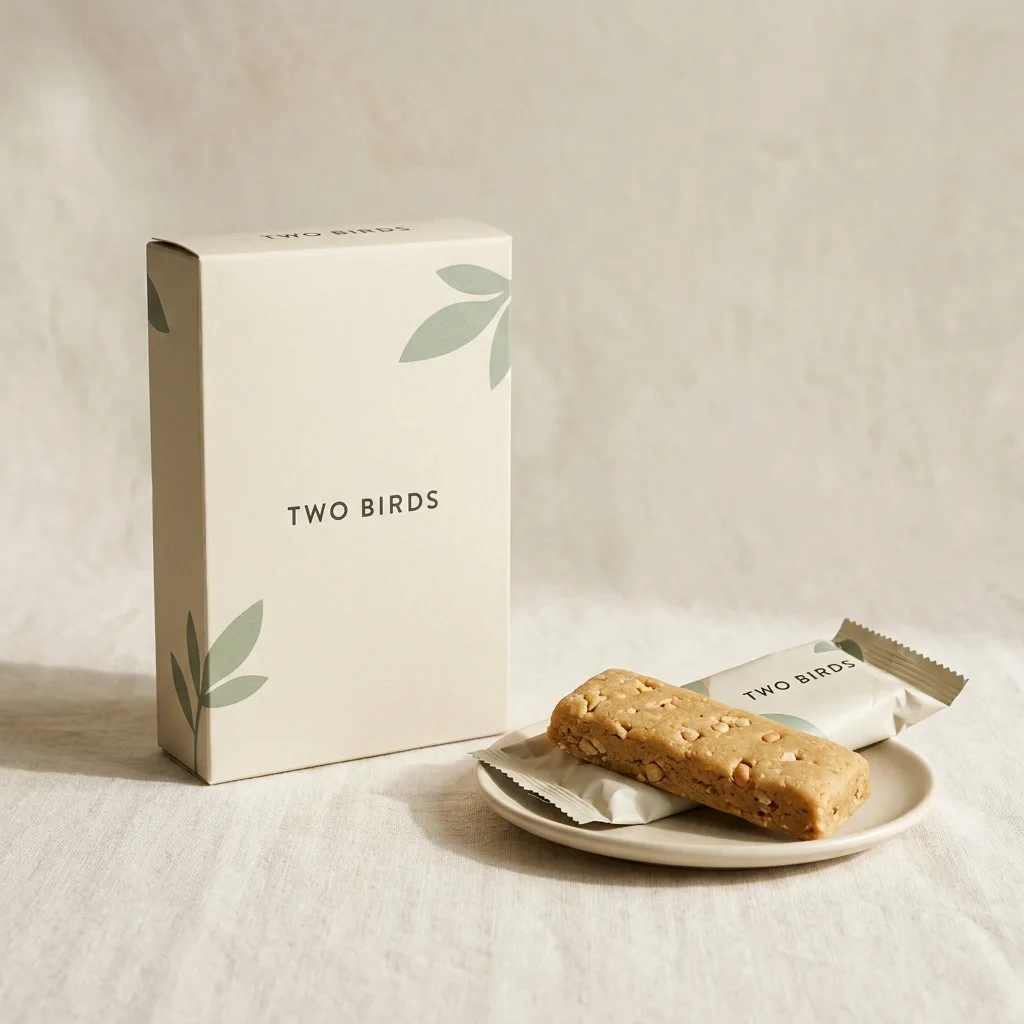
Dawnjar Sample
22g protein230 cal
9.6g protein / 100 cal
per serving · 1 bar (68g)
$43.99$3.67 / serving
Preview collection · sample records with illustrative figures · prices in CAD. Ordering opens at launch.
Before buying a coconut bar elsewhere, request the serving panel, ingredients and storage instructions for that exact flavour. Check the centre and coating together, compare equal portions and note the bar count. For homemade bars, gather the ingredient labels first and keep the recipe distinct from packaged-bar comparisons.
Compare protein, sugars, fibre and saturated fat at matching serving weights. Read the Nutrition Facts table beside the full ingredients. Keep CAD cost and texture preferences separate from nutrient entries.
Check the label; Health Canada’s priority allergen list identifies what labels must declare. Read the exact ingredients and any precautionary statements. Do not infer classification or individual suitability from a flavour name.
Combine shredded coconut, a stirred binder, vanilla powder and maple syrup, then press, chill and drizzle with chocolate. Adjust texture gradually because powders and binders differ. This method has no calculated nutrition total.
They can; compare saturated fat %DV on the label. Health Canada says 5% DV or less is a little, 15% DV or more is a lot. Read the finished bar, not only its coconut ingredient.
Follow packaged-bar directions and refrigerate the homemade mixture according to its ingredients. Cover the pieces and separate sticky layers. This guide supplies no guaranteed keeping period.
Not yet; Dawnjar is a preview and ordering opens at launch. No coconut bar record is added here. The separate bar references have illustrative figures and CAD prices.
Dawnjar preview pages use sample product records and illustrative nutrition figures. Ordering opens when real inventory and fulfillment are live. Nutrition information is general and informational only, not medical advice.