Dawnjar Sample
Peanut Butter Cookie Dough Bar
22g protein230 cal
9.6g protein / 100 cal
per serving · 1 bar (68g)
$43.99$3.67 / serving
Preview collection · Sample products · Prices in CAD
Dawnjar · Protein bars
Peanut butter protein bars can be dense and chewy, baked into a softer square or finished with a chocolate coating. A peanut-led flavour does not establish the amount of protein, sugars or fibre in the bar. Start with the full wrapper and the portion described in its table, then decide which texture suits your preference. This guide includes an adjustable homemade method, not a tested nutrition formula. Dawnjar remains a preview: sample records have illustrative figures and prices in CAD, and ordering opens at launch.
Locate the serving size before copying any numbers. A wrapper can describe a whole bar or part of one, and a multipack count is separate from the servings in each wrapper. Put protein, sugars, fibre and calories on the same basis. Scaling only protein while leaving the other entries unchanged creates an uneven comparison. Keep the bar weight visible beside the figures.
Health Canada explains that the table lists calories plus 12 nutrients per serving, and serving size "isn’t a recommendation of how much to eat". For entries with a daily value, use the reading aid: % DV: 5% DV or less is a little, 15% DV or more is a lot. None of these label-reading tools determines peanut flavour intensity.
Read the sugars entry alongside the sweetener ingredients. Honey, maple syrup, sugars, stevia ingredients and sugar alcohols can appear in different combinations. An ingredient name does not provide the finished bar’s sugars amount. Chocolate toppings and pieces have their own component ingredients, so read beyond the peanut butter base. Sweetness is a taste impression, not a substitute for the printed entry.
The “low in sugar” conditions are 5 g or less of sugars per reference amount and serving, and per 50 g if the reference amount is 30 g or less. “Sugar-free” requires less than 0.5 g of sugars per reference amount and serving and meeting “low in energy” conditions. These are label-claim requirements, not descriptions assigned to the sample or homemade recipe.
Peanuts are a priority allergen and must be identified by common name on pre-packaged food labels. A peanut butter bar can also contain milk, soy, eggs, wheat or tree nuts through its base, coating or inclusions. Read the ingredient list and any Contains statement, then inspect precautionary wording. A similar flavour in another range does not establish the same declarations.
Precautionary statements are separate from the listed recipe ingredients. Do not shorten them into a general assurance or infer that an unmentioned ingredient is absent from every version. Request a readable wrapper when an online photograph hides the reverse panel. Keep allergy-related decisions with the actual package wording and your own professional guidance, not a flavour description.
A baked bar can have a crumb-like centre, while a no-bake version may feel compact or sticky. Peanut pieces introduce a different bite from smooth peanut butter. Coated versions have a distinct outer layer that can soften before the centre does. These are useful preference questions, but the format alone does not establish sugars, fibre or a nutrition claim.
For a homemade mixture, dry oats and powder absorb moisture differently. Smooth peanut butter disperses more evenly than a very firm or separated jar, so stir the jar before measuring. Add small amounts of liquid only when needed. If the mixture crumbles, correct the binder gradually instead of assuming more powder will help; extra dry ingredients can make shaping harder.
Divide the CAD package price by the bar count, then compare that result beside the bar weight and serving basis. Check whether a mixed box contains the same version as the wrapper you inspected. A smaller bar may cost less individually without being an equal portion. Keep a flavour preference separate from the arithmetic rather than declaring one choice the best.
“Bar peanut butter” receives about 720 searches a month in Canada, per Semrush data pulled October 2026. “Peanut butter protein bars” receives about 390 searches a month in Canada, per Semrush data pulled October 2026. “Pb protein bars” receives about 390 searches a month in Canada, per Semrush data pulled October 2026. Distinguish a homemade method from a packaged wrapper when reading those results.
For a small starting batch, gather 1 cup rolled oats, ½ cup stirred peanut butter, ¼ cup honey or maple syrup, ¼ cup protein powder and a pinch of salt. Keep a little water or milk available for texture adjustments. An optional topping uses ¼ cup chocolate pieces. These quantities are adjustable starting points, not a tested formula; use ingredients labelled for preparation without baking.
Check the powder’s preparation directions before using it in a no-bake mixture. Finely chopped oats give a smoother cut than large flakes. A strong powder flavour can remain noticeable, so begin with the smaller addition rather than replacing the oat base entirely. Protein depends on the exact ingredients and portion; calculate only from their own labels, not an assumed recipe total.
Portion basis — Write down whether the table covers a whole bar or part of one before comparing entries.
Peanut ingredients — Distinguish peanut butter, pieces and flavour wording; include the coating’s component ingredients.
Allergens — Peanuts, milk, soy and tree nuts are priority allergens. Read any Contains and precautionary statements.
Sugar claims — Compare the exact printed claim with its conditions; do not infer one from sweetener names.
CAD cost — Record package size and bar count alongside the portion price.
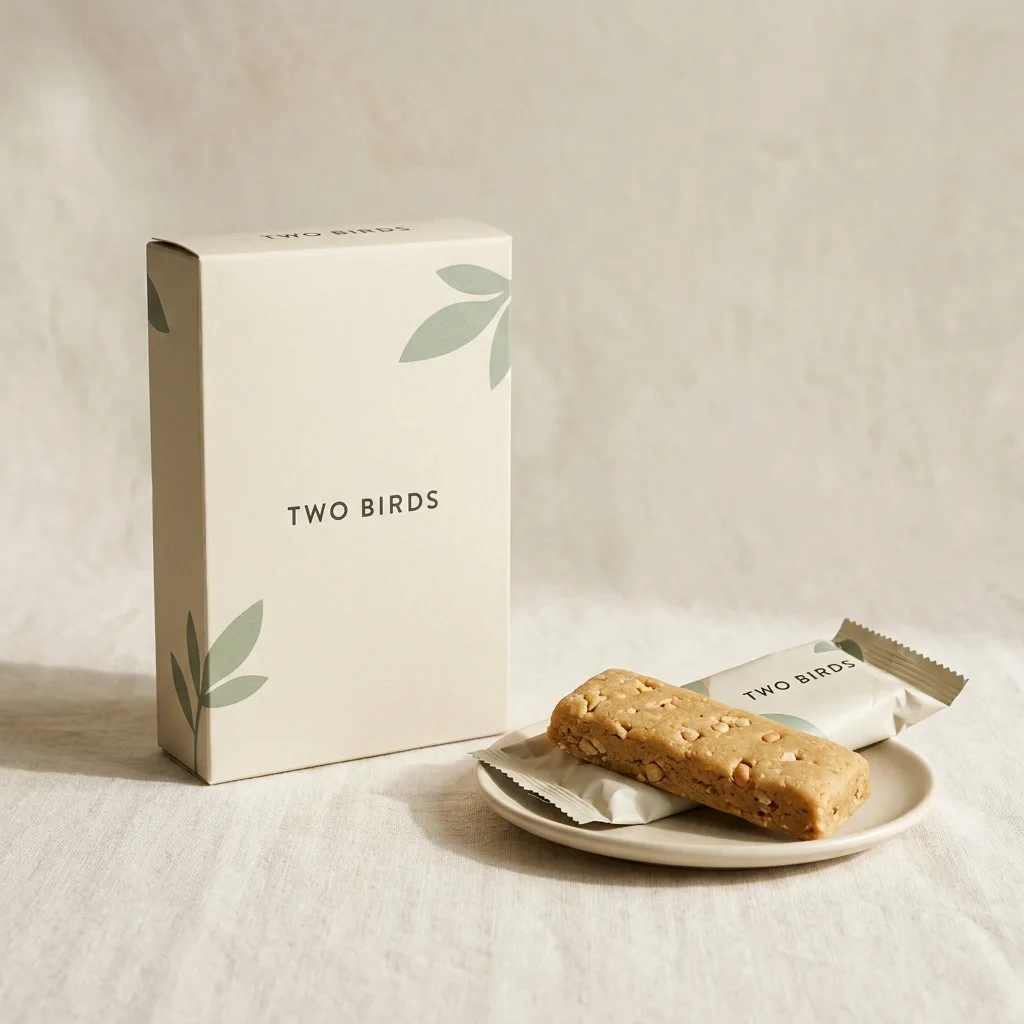
The existing peanut butter cookie dough bar is an illustrative flavour and portion reference. Its own sample record supplies the displayed figures and CAD price. It is not the homemade recipe above, and its appearance does not verify a sugar claim or indicate ordering availability.
Dawnjar Sample
22g protein230 cal
9.6g protein / 100 cal
per serving · 1 bar (68g)
$43.99$3.67 / serving
Preview collection · sample records with illustrative figures · prices in CAD. Ordering opens at launch.
Before buying elsewhere, request a clear ingredient panel and matching Nutrition Facts table for the exact flavour. For homemade bars, plan covered refrigerated storage and follow every ingredient’s directions. This guide promises no fixed keeping period. Texture becoming firm does not establish a nutrition claim or a storage guarantee.
Compare protein, sugars, fibre and calories on the same portion basis. Keep bar weight and CAD price alongside those entries. Read the full ingredients too.
Some do or may contain them; read the allergen statement on the exact wrapper. Inspect ingredients and any precautionary wording rather than assuming from the flavour.
Combine oats, peanut butter, a binder and a suitable protein powder, then press and chill. Adjust moisture gradually and follow ingredient directions. An optional chocolate layer changes the recipe.
Keep them covered and refrigerated, following the ingredient labels. This guide does not guarantee a storage period. When in doubt, do not use them.
Sweeteners vary; read the ingredient list and sugars entry together. Some recipes use honey or maple syrup, while packaged versions may use other sweeteners. The names do not establish a sugar claim.
Not yet; Dawnjar is a preview and ordering opens at launch. Bar samples have illustrative figures and CAD prices. They are not currently orderable.
Dawnjar preview pages use sample product records and illustrative nutrition figures. Ordering opens when real inventory and fulfillment are live. Nutrition information is general and informational only, not medical advice.