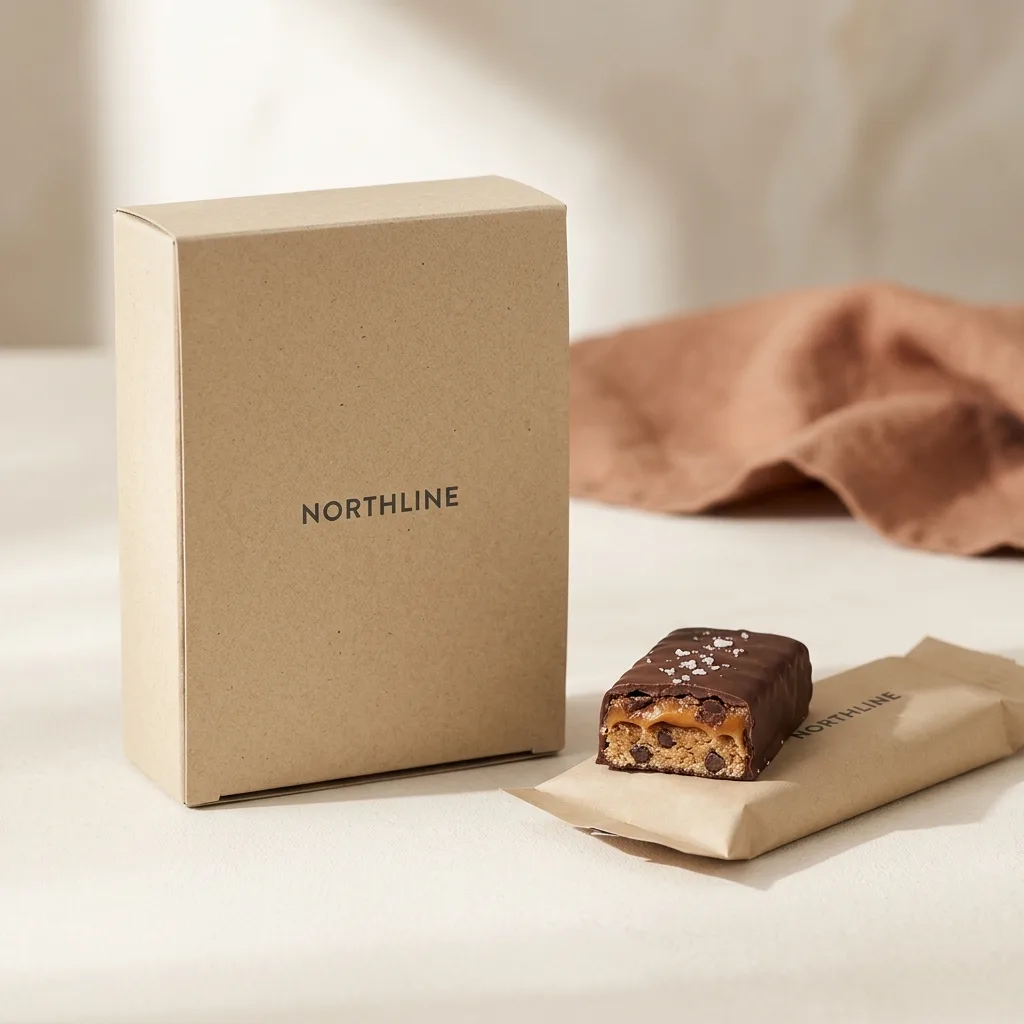
Dawnjar Sample
Sea Salt Caramel Protein Bar
20g protein190 cal
10.5g protein / 100 cal
per serving · 1 bar (60g)
$39.99$3.33 / serving
Preview collection · Sample products · Prices in CAD
Dawnjar · Label guide
Dawnjar is in preview. The store isn't open yet, and nothing on this page is a product offer.
Protein bars pack many functional ingredients into a small rectangle. Canadian labels give you two maps: the Nutrition Facts table (amounts) and the list of ingredients (what those amounts are made of) (Health Canada)(Health Canada). This page walks the ingredient list in plain language so anyone reading a Canadian bar label knows what the long names mean. No rankings, no invented formulas.
Ingredients must appear in descending order by weight (Health Canada)(CFIA). If "soluble corn fibre" is second and "whey protein isolate" is fifth, there is more of that fibre by weight than that whey ingredient in the bar as formulated. Order does not replace the Nutrition Facts protein gram line; it explains the recipe.
Common names and what they usually mean:
A bar can blend several of these. The Nutrition Facts table still shows one protein number for the serving (Health Canada).
Bars need something sticky:
Coatings can hide milk ingredients even when the core feels "plant-based". Always read the full list and Contains statement (CFIA).
Frequent additions:
These raise fibre grams and change chew. They are not a shortcut around reading sugars or protein. When fibres and polyols stack in the same bar, trying one bar before a box is a sensible habit.
The erythritol vs stevia guide compares two sweetener types in depth. This page only shows how they appear inside a bar label.
Natural flavour, artificial flavour, lecithin (often soy), salt, and colours can appear at the end of the list in any order (Health Canada). "Natural flavour" is a legal category name, not a guarantee of a short kitchen recipe. If you avoid soy, check whether lecithin is soy-derived and whether soy appears in Contains.
Canadian rules require priority allergens, gluten sources and added sulphites to be declared clearly (Health Canada)(CFIA)(CFIA). Practical reading order:
Do not rely on front-of-pack icons alone.
Some bars with added vitamins, minerals, amino acids or other supplemental ingredients are supplemented foods. They use a Supplemented Food Facts table and may show caution identifiers (Health Canada). If the facts table looks different from a standard Nutrition Facts table, read the cautions before you treat it like an ordinary snack bar.
Words like "source of protein" or "high in protein" are allowed only when conditions in Health Canada's table are met; protein claims use a protein rating method, not grams alone (Health Canada)(CFIA). Ingredient quality marketing ("grass-fed", "clean") is separate from those regulated claims and is not verified by this page. Dawnjar will not invent claim language.
If bars are listed later, product pages will reproduce each label's ingredient list and allergen statements as printed, not paraphrases that drop allergens. Until then, this explainer is a general shopping guide.
These existing sample bar records illustrate Dawnjar's comparison layout only. Their figures and CAD prices are illustrative, they do not reproduce a real ingredient list, and ordering opens at launch.
Dawnjar Sample
20g protein190 cal
10.5g protein / 100 cal
per serving · 1 bar (60g)
$39.99$3.33 / serving
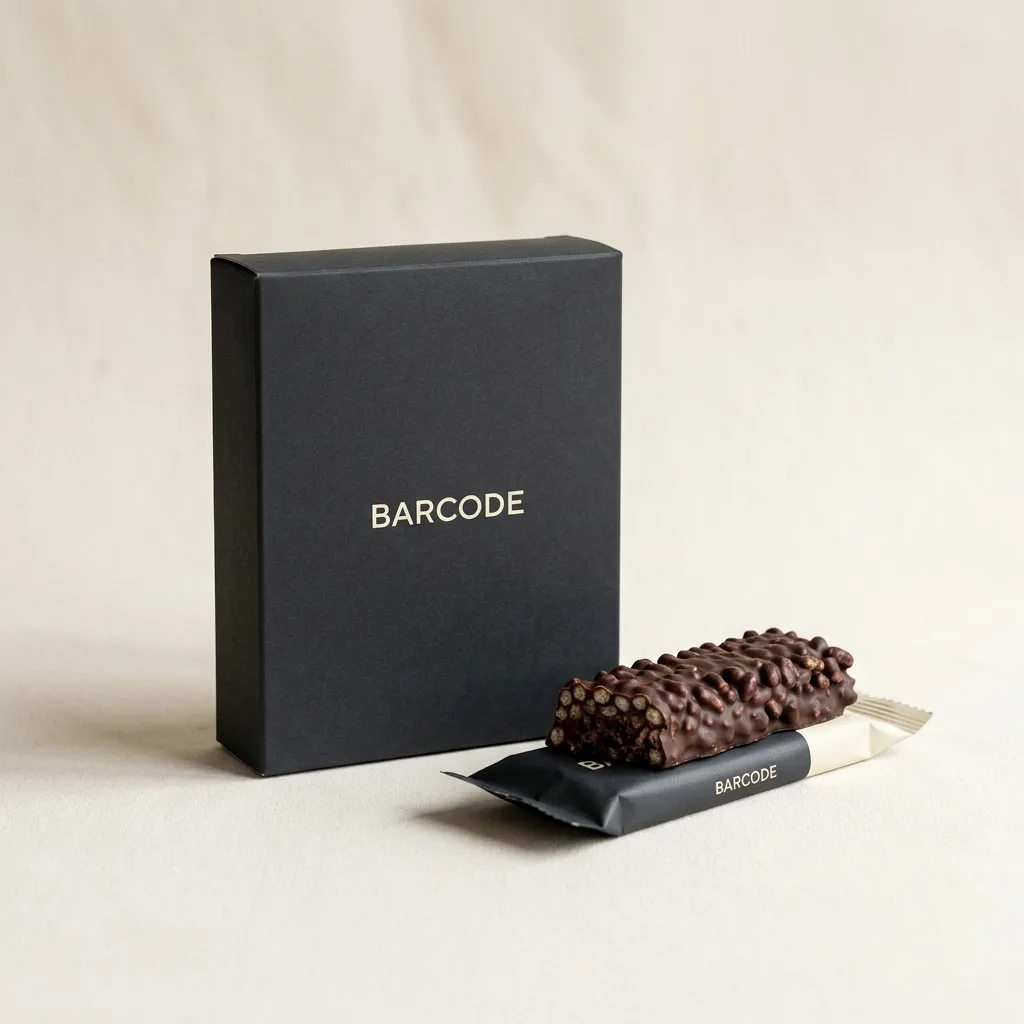
Dawnjar Sample
21g protein210 cal
10.0g protein / 100 cal
per serving · 1 bar (65g)
$41.99$3.50 / serving
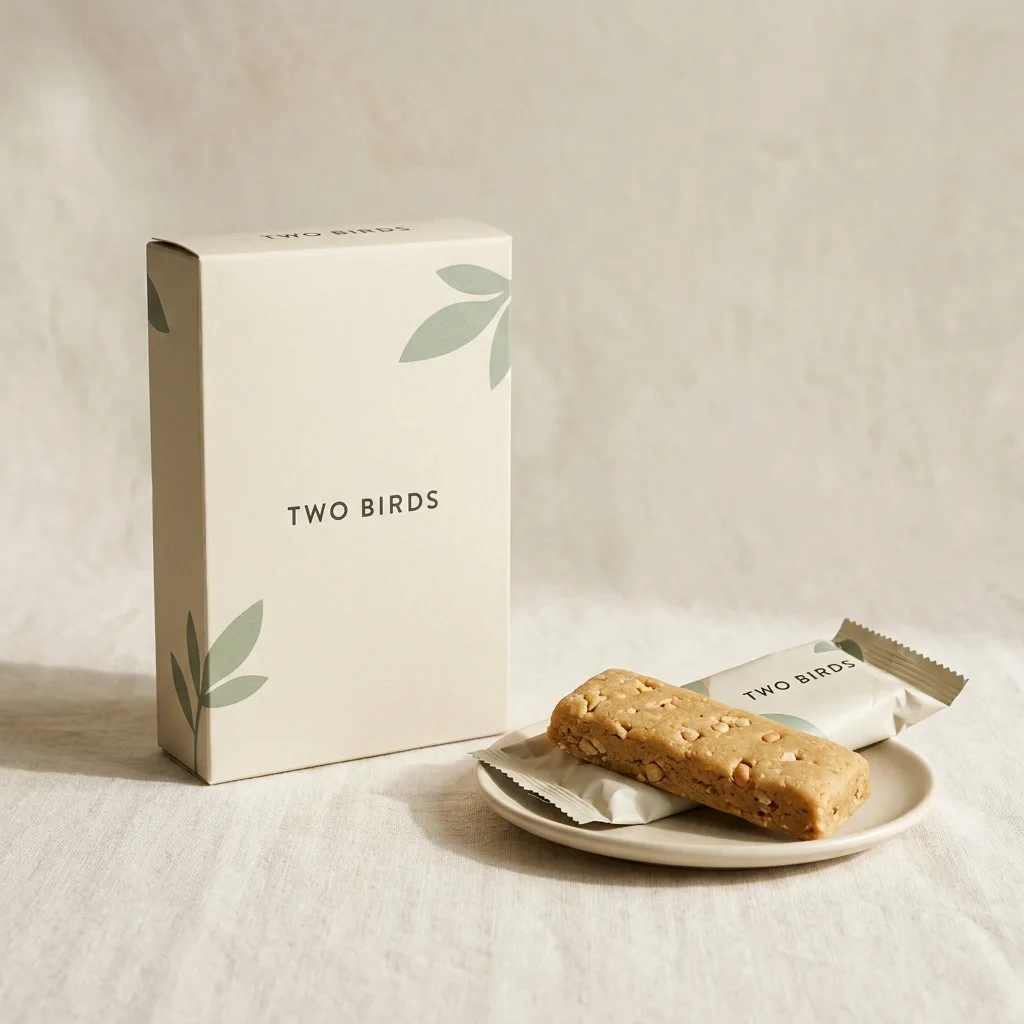
Dawnjar Sample
22g protein230 cal
9.6g protein / 100 cal
per serving · 1 bar (68g)
$43.99$3.67 / serving
Preview collection · sample records with illustrative figures · prices in CAD. Ordering opens at launch.
Ingredients are listed in descending order by weight. The first few items make up most of the bar, including much of its protein, sugars or fibres.
Usually soy or other protein pieces that add crunch and protein. They still count toward allergen declarations if they contain priority allergens such as soy.
No. Sugar alcohols (polyols) are food additives used as sweeteners and bulking agents. They must be shown in grams and can cause discomfort in larger amounts for some people.
They are added fibres that affect texture, bulk and fibre grams on the Nutrition Facts table. They are not protein.
Read the ingredient list and the Contains statement. Milk and soy are priority allergens and must be declared when present.
Collagen ingredients appear on some bars. Protein quality and permitted protein claims follow Canadian nutrient content claim rules; compare grams on the Nutrition Facts table and do not invent "complete protein" marketing.
Dawnjar preview pages use sample product records and illustrative nutrition figures. Ordering opens when real inventory and fulfillment are live. Nutrition information is general and informational only, not medical advice.