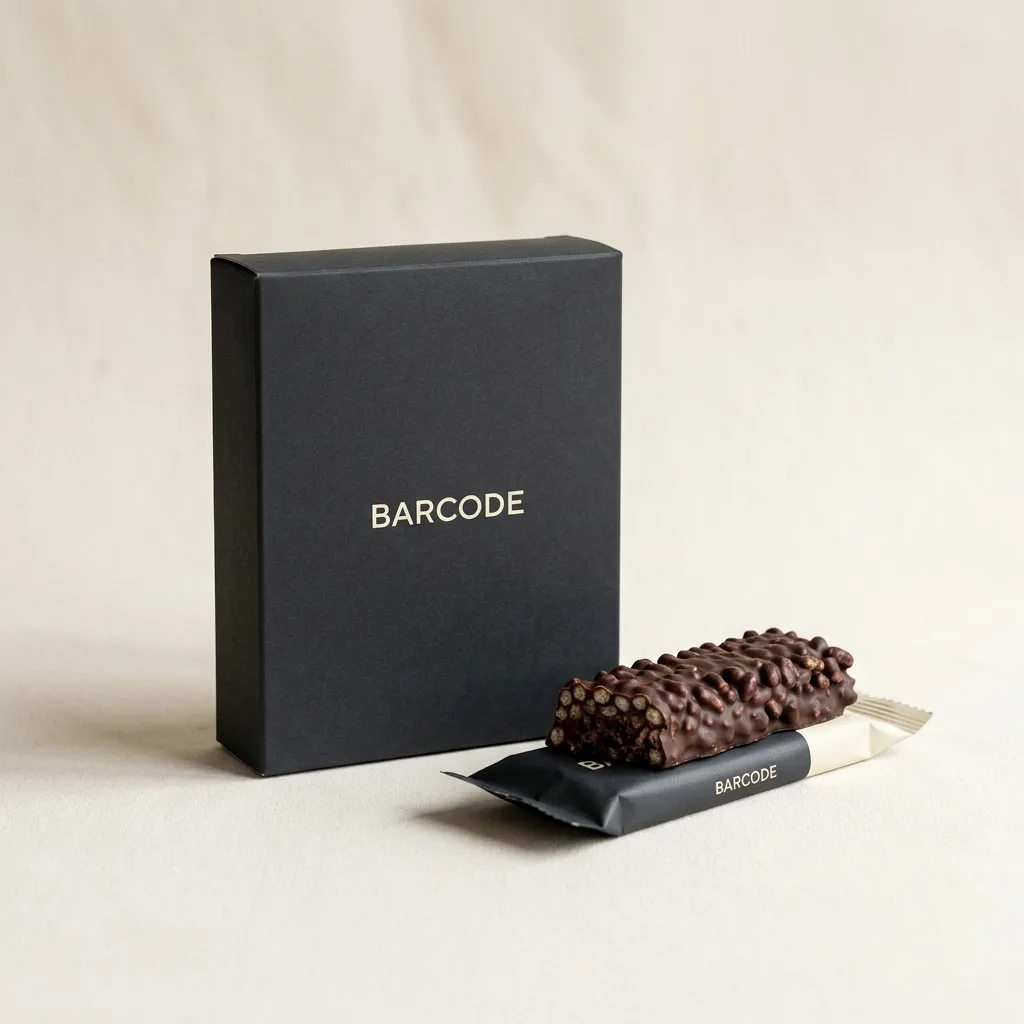
Dawnjar Sample
Double Chocolate Crisp Bar
21g protein210 cal
10.0g protein / 100 cal
per serving · 1 bar (65g)
$41.99$3.50 / serving
Preview collection · Sample products · Prices in CAD
Dawnjar · Protein bars
Energy bars and protein bars can look remarkably similar: a wrapped rectangle, a chocolate coating or a chewy oat centre. Their names point towards different label emphases, not fixed recipes. Here, energy means calories rather than a promise about what eating a bar will do. Compare the actual serving, ingredients and price instead of treating either name as a complete specification. Dawnjar is a preview: sample records have illustrative figures and prices in CAD, and ordering opens at launch.
An energy bar often puts cereal, fruit or nut ingredients at the centre of its description. A protein bar more often highlights a protein ingredient or a protein amount. These are general naming patterns, not a rule that every product follows. An oat-and-nut bar can contain a protein blend, while a protein bar can contain dates, syrup and chocolate. Turn the wrapper over before deciding what the name tells you.
The phrase “energy bars” receives about 880 searches a month in Canada, per Semrush data pulled October 2026. “Bar energy” also receives about 880 searches a month in Canada, per Semrush data pulled October 2026. Those queries describe interest in a format, not a nutrient standard or a recommendation.
Read these as separate entries. Carbohydrates is not another word for sugars, and a fruit-heavy ingredient list does not disclose the finished bar’s sugar amount. Fibre can come from cereal, nuts or an added ingredient. Match the serving mass when comparing wrappers: a larger bar can show a larger amount simply because the declared portion is larger. The Nutrition Facts table supplies the figures for that portion.
“Low in sugar” means 5 g or less of sugars per reference amount and serving, and per 50 g if the reference amount is 30 g or less. Read a claim alongside the table, not as a description of sweetness or a personal suitability judgement. This guide makes no sugar claim about the illustrative samples.
Find whether the serving is a whole bar, part of a bar or more than one piece. Read protein at that portion before comparing the category names. If a wrapper contains multiple pieces, the package total and serving entry can answer different questions. A protein ingredient appearing early in the list still does not replace the declared protein amount. Keep any homemade bar calculation separate; this guide supplies no recipe nutrition total.
Dates and syrups commonly bind chewy mixtures. Oats and crisp cereal add structure, nuts contribute crunch, and coatings create another ingredient layer. Protein blends can include milk or plant sources and may be combined with starches or other texture ingredients. Inspect the centre and coating descriptions together. An attractive cross-section photograph cannot tell you the ingredient proportions, the sweetness or how crumbly the bar will be.
Peanuts, tree nuts, milk, soy and sesame are priority allergens in Canada. They can appear in nut pieces, protein blends, coatings or other components. Read their common names in the ingredients and any Contains statement, then inspect precautionary wording separately. A plain-looking oat centre does not establish the absence of an allergen, and a plant protein ingredient does not describe the whole coating.
Divide the package price in CAD by its bar count, checking whether the box contains equal-sized bars. Keep individual bar mass next to that cost so a smaller format is not mistaken for an equivalent portion. Compare the same pack arrangement, including any price conditions shown elsewhere. Dawnjar sample prices demonstrate the comparison layout only; they do not establish a current market price or a purchasable offer.
Start with the eating format you prefer: a soft oat bar, a crisp centre, a dense nut mixture or a coated rectangle. Then compare the portion and ingredient details for those candidates. If you plan to break a bar into pieces, remember that the printed figures still refer to its stated serving. There is no universal winner between these names; a useful comparison keeps texture, serving information and cost visible together.
Serving basis — Read the stated portion and whether the figures describe the food as packaged or after preparation. Keep that basis beside every comparison.
Nutrition entries — Use the Nutrition Facts table for protein, calories and the other declared nutrients; do not infer figures from a flavour name.
Allergen wording — Read the full ingredients, any Contains statement and precautionary wording. Priority allergens must be identified by common name on pre-packaged food labels.
Preparation and storage — Check instructions for the actual package and any added ingredients. A dry ingredient date does not define the keeping period of a finished recipe.
The existing double-chocolate and peanut-butter bar samples illustrate the label comparison layout. They are not energy-bar records or a tested comparison between the categories. Their figures and CAD prices are illustrative only.
Dawnjar Sample
21g protein210 cal
10.0g protein / 100 cal
per serving · 1 bar (65g)
$41.99$3.50 / serving
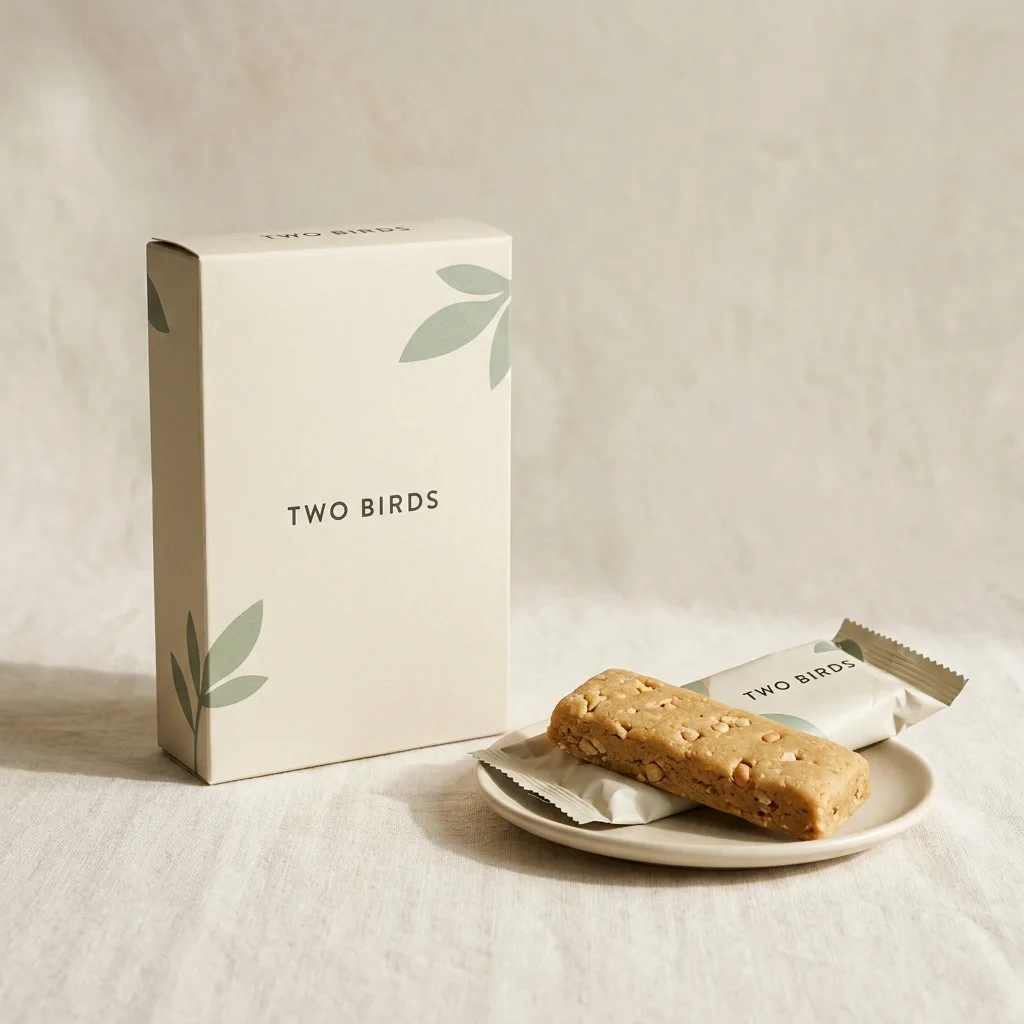
Dawnjar Sample
22g protein230 cal
9.6g protein / 100 cal
per serving · 1 bar (68g)
$43.99$3.67 / serving
Preview collection · sample records with illustrative figures · prices in CAD. Ordering opens at launch.
Before buying a bar elsewhere, check the serving mass, bar count, ingredient list and any handling directions on the exact package. Note which questions remain unanswered instead of borrowing details from another flavour. Compare cost using equivalent portions, and choose a texture you actually want rather than relying on the format name.
The names usually emphasise different ingredients or label entries, but formulas overlap. Energy bars often feature cereal, fruit or nuts; protein bars often highlight a protein ingredient. Compare the complete wrapper rather than assuming fixed nutrient amounts.
They can; read protein per serving on the specific label. Nuts, cereals or added protein ingredients may contribute. The format name alone does not establish the amount.
It varies by product; compare sugars at the same serving basis. Dates, syrups and coatings can differ across formulas. Read any sugar claim alongside the table.
On Canadian labels, energy is expressed as calories. That entry describes the declared serving, not a performance promise. Keep the serving size beside the calorie figure.
Peanuts, tree nuts, milk, soy and sesame can appear in bar ingredients. Read their declarations and any precautionary statements on the exact wrapper. Category names do not establish absence.
Not yet; Dawnjar is a preview and ordering opens at launch. The bar records shown here use illustrative figures and CAD prices. They are not current inventory.
Dawnjar preview pages use sample product records and illustrative nutrition figures. Ordering opens when real inventory and fulfillment are live. Nutrition information is general and informational only, not medical advice.