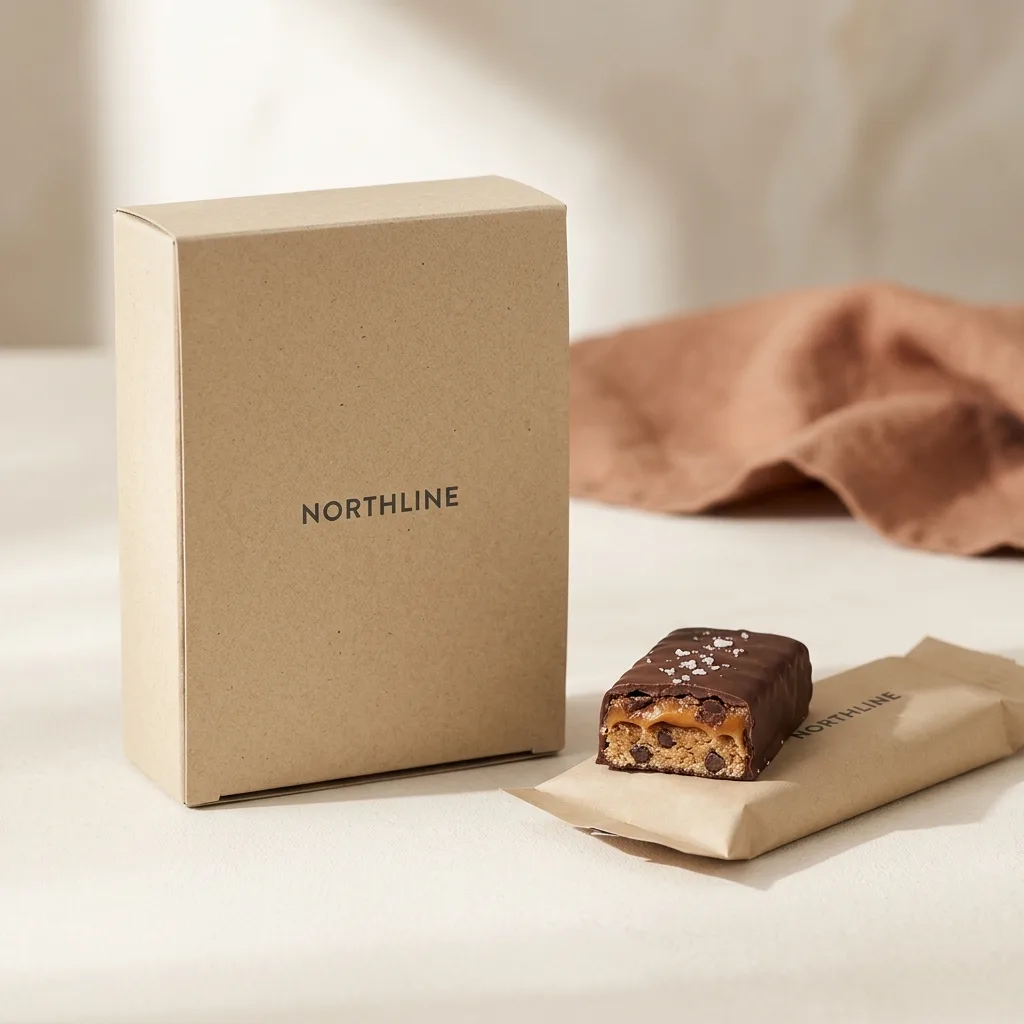
Dawnjar Sample
Sea Salt Caramel Protein Bar
20g protein190 cal
10.5g protein / 100 cal
per serving · 1 bar (60g)
$39.99$3.33 / serving
Preview collection · Sample products · Prices in CAD
Dawnjar · Protein bars
Comparing bar calories starts with the bar’s weight and the portion shown on its wrapper. A smaller bar may list fewer calories without having the same protein amount as a larger one. This guide separates regulated claim wording from ordinary table comparisons, then considers sugars, sweeteners, fibre, texture and CAD cost. It makes no claim about personal outcomes. Dawnjar is a preview with sample records, illustrative figures and CAD prices; ordering opens at launch. The existing bar references are not verified low-calorie products.
“Low calorie” and “low in energy” are regulated nutrient content claims with conditions in Health Canada’s permitted claims table. A bar with fewer listed calories than another does not automatically qualify for that wording. Read the exact claim and the Nutrition Facts table together rather than assigning the claim from a quick comparison.
“Low calorie protein bars” receives about 320 searches a month in Canada, per Semrush data pulled October 2026. Decide which question you are asking before comparing packages. A portion comparison and a claim check should remain separate tasks.
Check whether the table is for a whole bar, part of a bar or a stated gram weight. Health Canada says serving size “isn’t a recommendation of how much to eat”. Record the wrapper’s serving basis before comparing calories and protein; do not silently put a half-bar figure beside a whole-bar figure.
Protein per calorie is protein grams divided by calories. To express protein per 100 calories, multiply that ratio by 100. This is comparison arithmetic from the label, not a nutrition recommendation or a product claim. The ratio does not account for texture, ingredients or package cost.
Read sugars in the table and sweetener names in the ingredient list. Erythritol is a sugar alcohol; stevia ingredients may appear as steviol glycosides or stevia extract. A formula can blend sweeteners with other ingredients, so neither name supplies the bar’s complete sugars or calorie entry.
The permitted “low in sugar” claim means 5 g or less of sugars per reference amount and serving, and per 50 g when the reference amount is 30 g or less. Those conditions are not a low-calorie test. “Sugar-free” has separate requirements: less than 0.5 g of sugars per reference amount and serving, plus meeting “low in energy” conditions. Read the complete requirements rather than applying either label to the sample shelf.
Fibre is a separate table entry, not a texture description. Bars with crisp pieces, chewy centres or dense coatings can differ in their ingredients even when their fibre figures look similar. Read fibre alongside protein, sugars and fat rather than letting a single feature stand in for the entire wrapper.
For nutrients with a listed daily value, Health Canada’s guide is: % DV: 5% DV or less is a little, 15% DV or more is a lot. Match the portion before comparing that shorthand. A softer bar is not necessarily lower in calories, and a more fibrous-looking one does not establish a larger fibre entry.
Milk, soy, peanuts and tree nuts are priority allergens that may appear in a bar’s base, coating or pieces. Priority allergens must be identified by common name on pre-packaged food labels. Read the complete ingredient list and any Contains statement, then check precautionary wording. A chocolate coating, peanut-style flavour or plant ingredient headline does not replace the package declaration.
Repeat the check for each flavour rather than treating a range as one formula. Review any lactose statement separately from milk-protein declarations; the guide does not infer lactose content or assess suitability.
A simple no-bake starting method combines ready-to-eat oats or another suitable dry base, a protein ingredient intended for this use and a binder such as nut butter. Add small amounts of milk or another labelled liquid until the mixture presses together. This is an adjustable method, not a tested low-calorie formula. Homemade bars do not earn a regulated claim simply because you cut them into smaller pieces.
Avoid raw flour or raw eggs in a mixture intended to be eaten without cooking unless the ingredient is explicitly intended for ready-to-eat use. Check the preparation instructions for powders and other additions. Every binder, coating and liquid changes the recipe; do not invent a protein or calorie total from its appearance.
Divide the CAD package price by the number of bars when comparing price per bar. Then inspect bar weight: a lower per-bar price may refer to a smaller piece. Weight-based comparisons and per-bar comparisons answer different questions. If you calculate cost per protein amount, use the price and protein from the same bar rather than combining a multipack price with another flavour’s table.
Check whether the box contains one flavour or several, and whether their serving figures differ. Dawnjar’s displayed CAD figures are illustrative sample data, not an offer or an indication that any bar can currently be ordered.
Serving basis — Write down grams per bar and whether the table refers to the entire piece.
Separate entries — Compare calories, protein, sugars, fibre and fat without assigning an overall outcome.
Claim wording — Read the permitted conditions for any calorie or sugars claim; do not infer one from a ratio.
Full ingredients — Include coatings, crisp pieces, sweeteners and all allergen declarations.
Cost basis — Compare CAD price per bar alongside bar size and package count.
Choose the bar format you prefer, then compare wrappers on a consistent basis. Ask for missing serving or ingredient information instead of filling gaps with another sample’s figures. The preview shelf below contains existing bars only. It does not introduce a new recipe, confirm a low-calorie designation or establish anything about products outside those records.
Existing bar samples show how portion, protein and CAD cost appear in the preview. No low-calorie status is verified, and none of their figures describes the homemade method above. All figures and prices are illustrative; ordering opens at launch.
Dawnjar Sample
20g protein190 cal
10.5g protein / 100 cal
per serving · 1 bar (60g)
$39.99$3.33 / serving
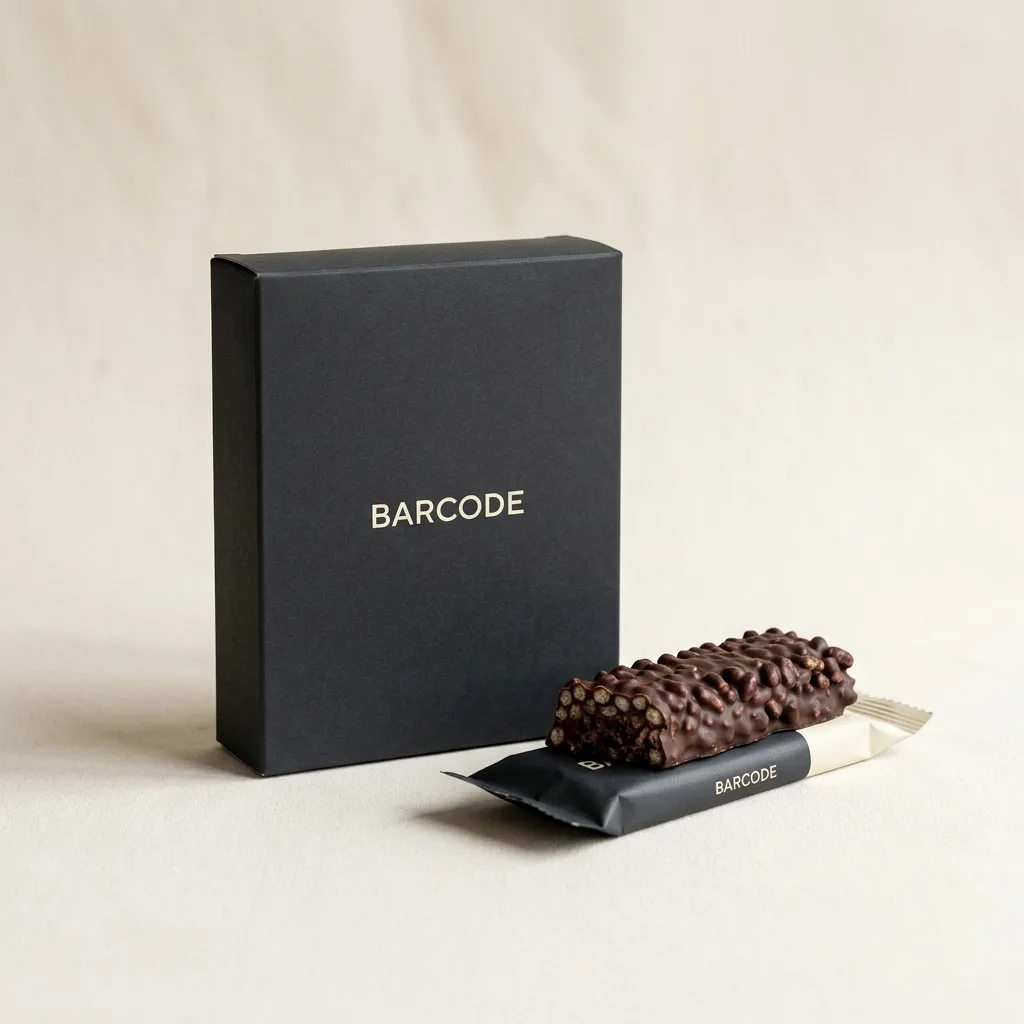
Dawnjar Sample
21g protein210 cal
10.0g protein / 100 cal
per serving · 1 bar (65g)
$41.99$3.50 / serving
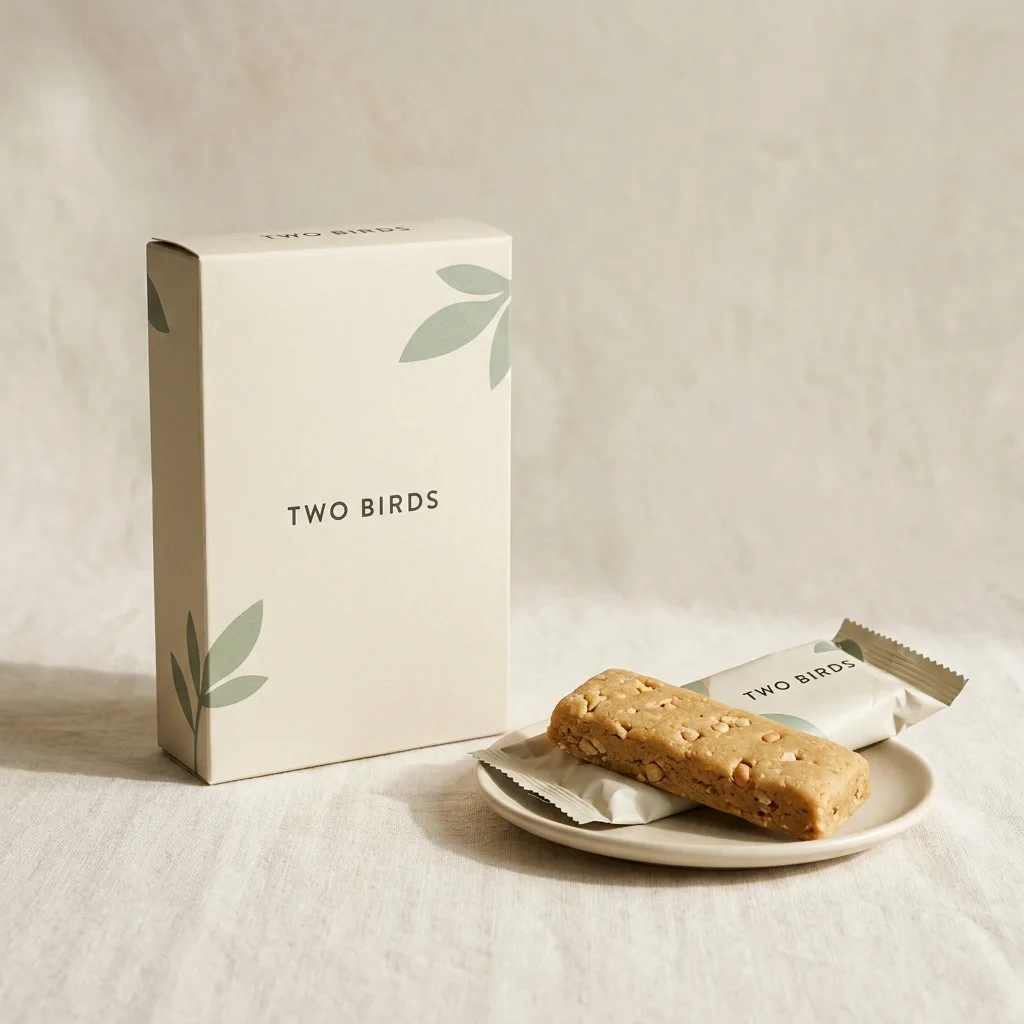
Dawnjar Sample
22g protein230 cal
9.6g protein / 100 cal
per serving · 1 bar (68g)
$43.99$3.67 / serving
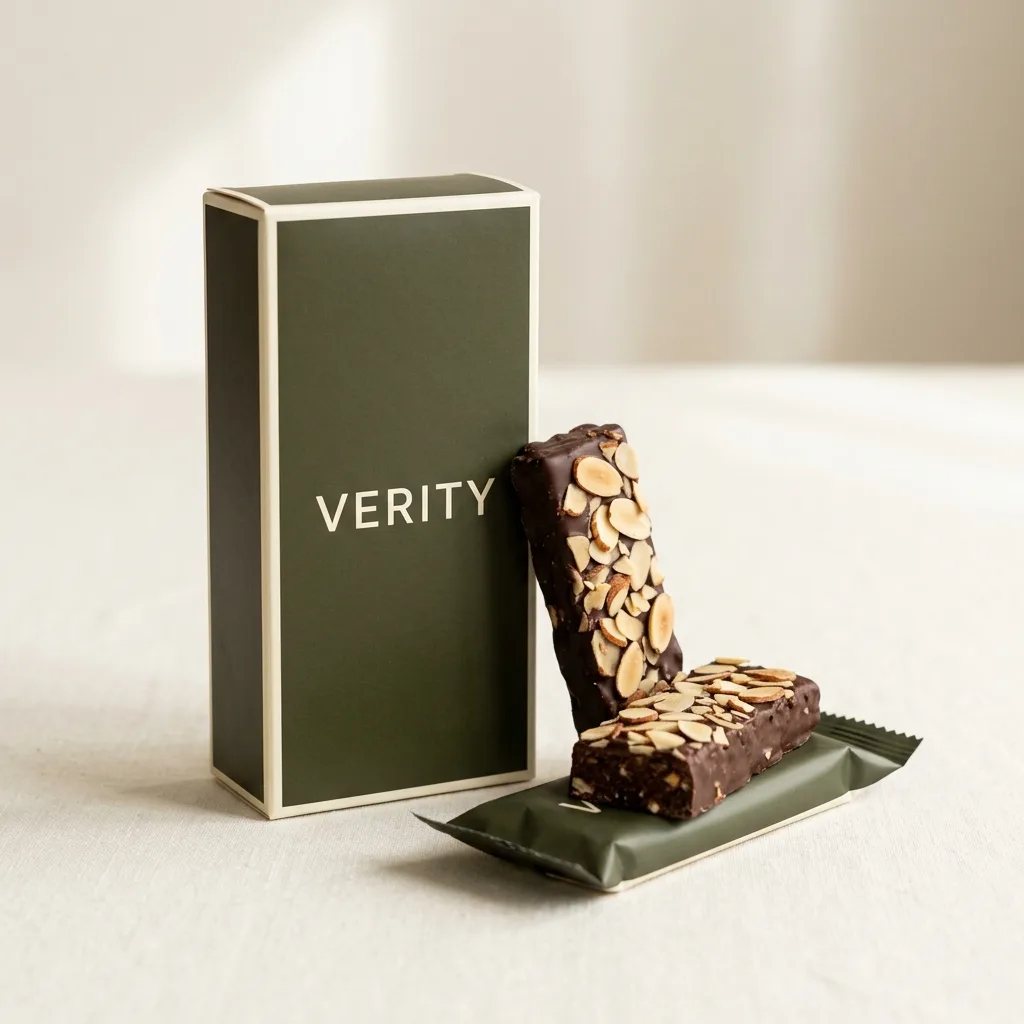
Dawnjar Sample
18g protein200 cal
9.0g protein / 100 cal
per serving · 1 bar (60g)
$37.99$3.17 / serving
Preview collection · sample records with illustrative figures · prices in CAD. Ordering opens at launch.
Some are; calories vary widely by bar size and recipe. Compare each bar’s labelled portion and calories. A smaller entry does not automatically establish a regulated low-calorie claim.
Compare calories, protein and bar weight on the same portion basis. Then read sugars, fibre, ingredients and CAD price per bar. Keep a derived protein ratio separate from claim wording.
It is a regulated nutrient content claim with conditions in Health Canada’s permitted claims table. Read the exact wording and the full table basis. Do not assign the claim from a comparison alone.
Some formulas do; read the ingredient list rather than assuming a shared recipe. Sweetener names do not reveal the complete sugars or calorie entry. Compare the table and ingredient wording together.
Use a no-bake base, a labelled protein ingredient and a binder, adjusting quantities gradually. Keep appropriate ingredients chilled and follow preparation instructions. This outline does not establish a regulated low-calorie claim or a nutrition total.
Not currently; ordering opens at launch, and Dawnjar is a preview. Existing bar samples have illustrative figures and CAD prices. Their appearance here does not verify a low-calorie claim.
Dawnjar preview pages use sample product records and illustrative nutrition figures. Ordering opens when real inventory and fulfillment are live. Nutrition information is general and informational only, not medical advice.