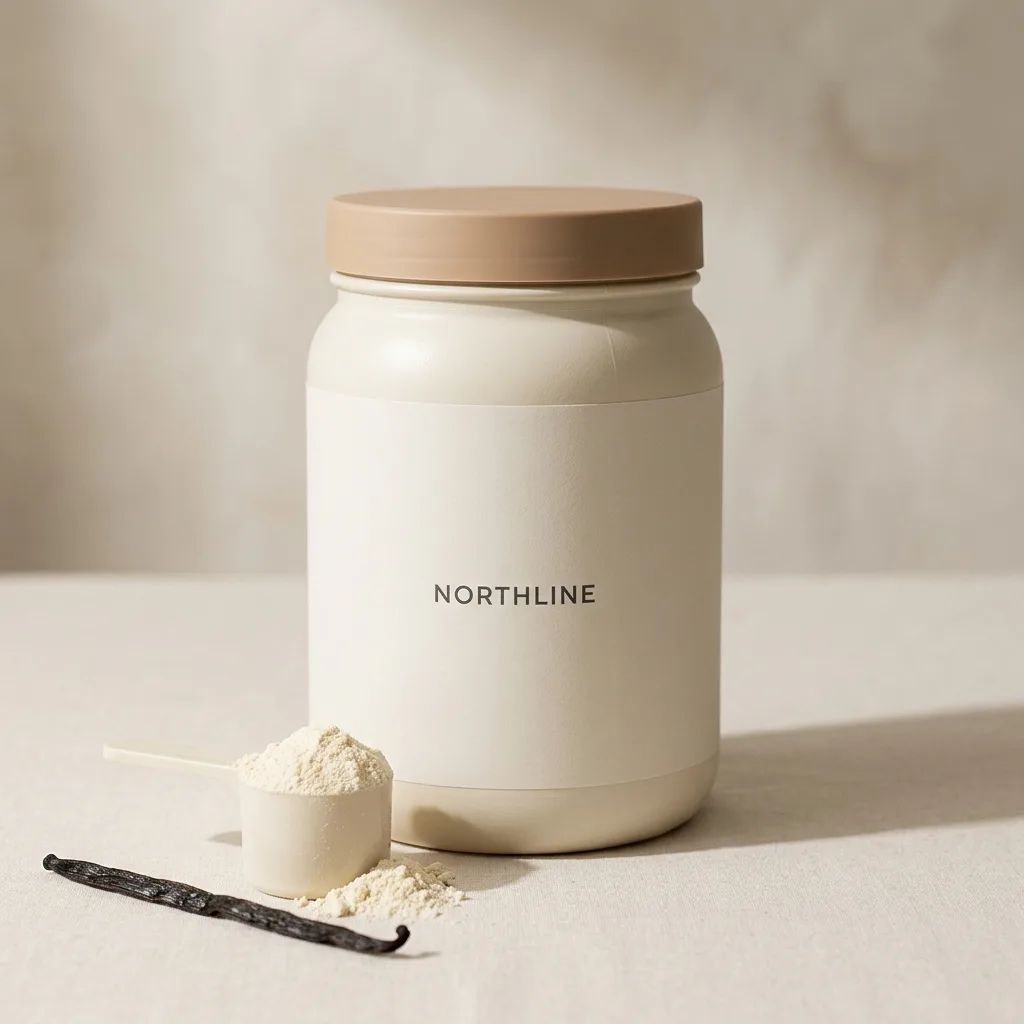
Dawnjar Sample
Whey Isolate — Vanilla Bean (2 lb)
25g protein110 cal
22.7g protein / 100 cal
per serving · 1 scoop (30g)
$59.99$2.00 / serving
Preview collection · Sample products · Prices in CAD
Dawnjar · Practical buying guides
Searching for the best tasting protein powder is really a search for a flavour you want to prepare again. A label can narrow your choices, but it cannot taste a drink for you. Here, sweetness, lingering flavour and the feel of a mixture are separate questions, not points in a product competition. Dawnjar uses existing powder sample records with illustrative figures and CAD prices. None is declared a taste winner, no tasting trial is claimed, and ordering opens at launch.
Start by describing a drink you already enjoy without borrowing somebody else's verdict. Do you want a barely sweet base for fruit, or a distinctly sweet flavour on its own? Do you like a light drink or something closer to a spoonable mixture? These preferences can point in different directions. A powder someone finds pleasantly creamy may feel too thick to you, while a restrained flavour may feel unfinished to another person. Neither response makes the product universally preferable.
Separate the first impression from what remains after a sip. You might enjoy the initial cocoa note but dislike a lingering sweet finish, or accept a modest flavour while wanting a smoother texture. Write those observations independently rather than using only a single rating. Temperature, liquid and preparation also influence the result. An opinion formed from powder stirred into oats does not automatically describe that same formula shaken with water, so record the context alongside your preference.
Look for the protein type, the named sweetening ingredients, cocoa or flavour wording, and salt in the complete ingredient list. These entries describe parts of the formula; they are not a sensory certificate. More than one sweetener can appear, and the amount and combination affect the finished impression. A short list is not a guarantee of a flavour you enjoy, just as a longer list does not establish an unpleasant drink. Read the actual package rather than a flavour name alone.
Cocoa and chocolate flavour wording need not describe identical recipes. Where Dutch-processed cocoa is named, treat it as a processing description rather than a promise of richness or a preferred result. Vanilla wording also leaves room for different flavour combinations. Salt can influence the overall flavour balance, but its presence cannot predict whether you will notice it. Keep the Nutrition Facts table for its declared figures: the sugars entry is not a complete measure of perceived sweetness. For caffeine and allergens, consult the label.
Whey formulas can have a milky background, while some plant ingredients bring earthy or grain-like character. A finished blend may soften, complement or leave those notes noticeable. These are possible format characteristics, not verified observations about the sample tubs below. A plant formula need not have the same texture as another plant formula, and a whey source does not ensure a smooth result regardless of preparation. Flavourings and the rest of the recipe deserve attention alongside the protein source.
Texture can include fine particles, foam, thickness or a dry-feeling finish, each of which deserves its own description. Follow each formula's directions before comparing it, and note differences in the recommended preparation instead of forcing every powder into an identical unsuitable method. The plant-versus-whey guide expands the source and label questions without choosing a universally better taste. For milk ingredients, allergens or lactose wording, read the package and rely on the product's own statements, not a sensory impression.
Think about the ingredients you intend to combine with powder before choosing a flavour family. Vanilla can be a starting point for fruit or spices, but a particular vanilla formula may already be strongly sweetened. Chocolate may emphasise cocoa or a dessert-style flavour blend depending on the ingredient wording. Neither family guarantees the same result across different tubs. If you prefer the flavour on its own, assess that use rather than assuming it will also suit every bowl or blended preparation.
Unflavoured powder still has the character of its ingredients, which may be easier to notice in a simple liquid than in a more complex preparation. Choosing it gives you a different approach to flavour additions, not a promise of neutrality. The existing shelf here contains vanilla bean isolate, Dutch chocolate isolate, vanilla chai plant blend and salted caramel casein records. Those names identify comparison examples; they do not demonstrate that one flavour family tastes better or create an unflavoured sample.
Water leaves fewer additional flavours in the comparison, while milk or a plant drink contributes its own taste and consistency. A sweetened liquid can change your impression of a powder's sweetness; a strongly flavoured liquid may make the powder's own notes harder to distinguish. Identify the exact liquid rather than writing only that the powder was mixed. Follow the tub's suggested amount first, since a more diluted mixture can feel thinner and taste less pronounced without changing the formula itself.
If you change the liquid, keep the measured powder amount documented and make the new trial according to applicable directions. The carton has its own figures, so powder-only nutrition cannot describe the finished drink with additions. There are no recipe nutrition totals supplied here. Use the milk-or-water guide for the preparation comparison, then decide which version matches your intended use. A preference discovered with one liquid is useful information for you, not evidence that everybody should prepare the powder that way.
Read whether the directions call for shaking, stirring or blending, and use the recommended sequence and liquid amount. Liquid first may help avoid dry powder gathering underneath the mixture where the directions permit it. Check the container's capacity and closure before shaking. A method that leaves clumps can obscure your impression of the flavour, but changing tools does not guarantee every particle will disappear. Preparation instructions are specific to the formula, not a universal promise that every powder dissolves identically.
Note foam and settling separately from sweetness or flavour. A blender can introduce air, and a pause permitted by the directions may change the mixture's appearance. Do not label that difference a product defect or a taste advantage without considering how you prepared it. When making another attempt, change one allowed preparation detail rather than several at once. Keep handling and storage tied to the ingredient instructions; this article does not establish a holding period for a mixed drink.
Where a particular formula is available in a trial size or smaller bag, that format may let you assess it before choosing a larger quantity. Check that the flavour, ingredients and directions actually match the larger package. A variety format may include different recipes, so one enjoyable portion cannot establish a preference for every flavour in it. This is a general buying consideration, not a statement that Dawnjar currently has trial packs or small bags available.
Keep the quantity decision separate from the cost calculation. Package price divided by stated servings gives price per serving; divide that by protein per serving and multiply by twenty-five for cost per 25g protein. Use each exact label's figures, which vary by product, rather than guessing from tub size. The budget guide covers that comparison in more detail. A lower equal-protein cost does not prove a preferable taste, and a larger package is not automatically useful if its flavour does not match your preferences.
Use these four existing records to see how source names, flavour families and declared serving comparisons can appear together. The card figures are illustrative sample data, with prices in CAD; they are not results from a tasting panel. No flavour, source or sample is given a best-tasting designation. Keep a product's recorded numbers distinct from your own preparation notes, and do not infer ingredients, mixability or a sensory verdict that its record does not establish.
Dawnjar Sample
25g protein110 cal
22.7g protein / 100 cal
per serving · 1 scoop (30g)
$59.99$2.00 / serving
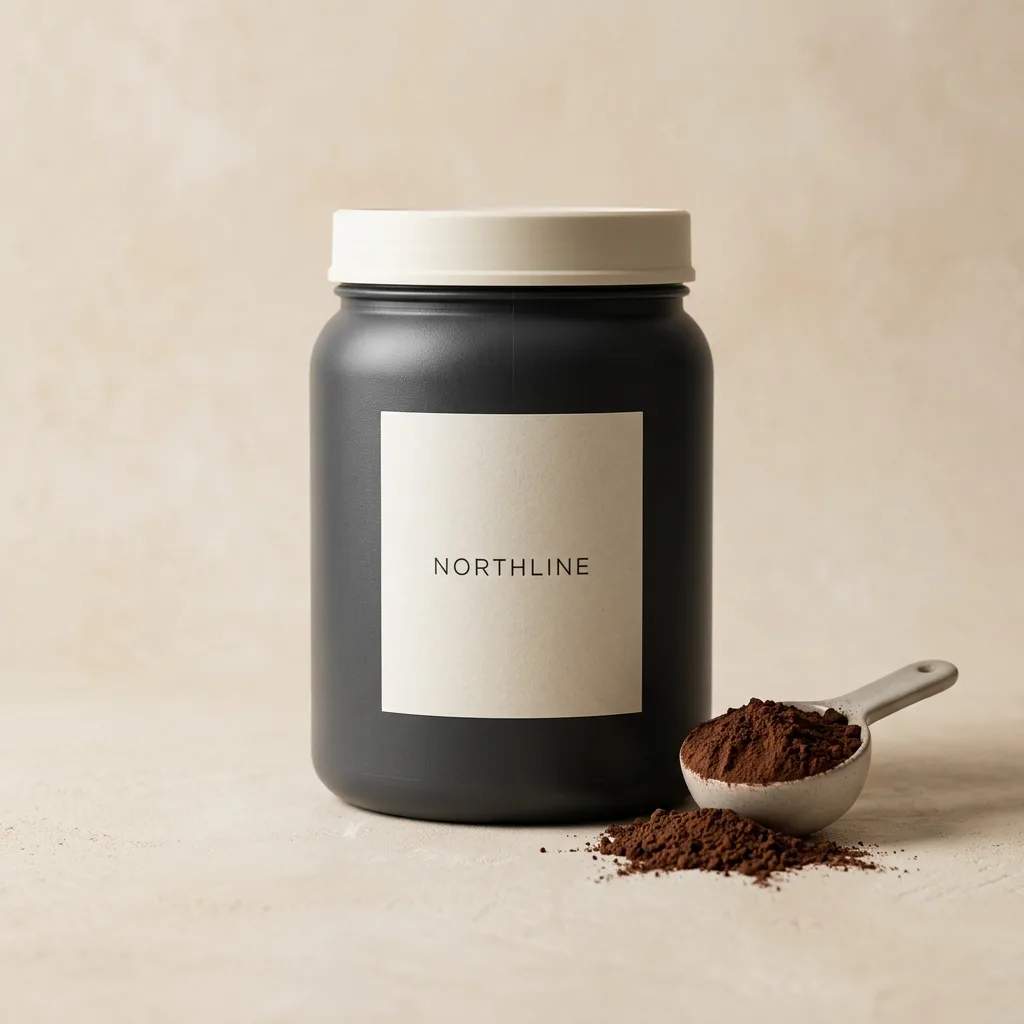
Dawnjar Sample
25g protein115 cal
21.7g protein / 100 cal
per serving · 1 scoop (30g)
$59.99$2.00 / serving
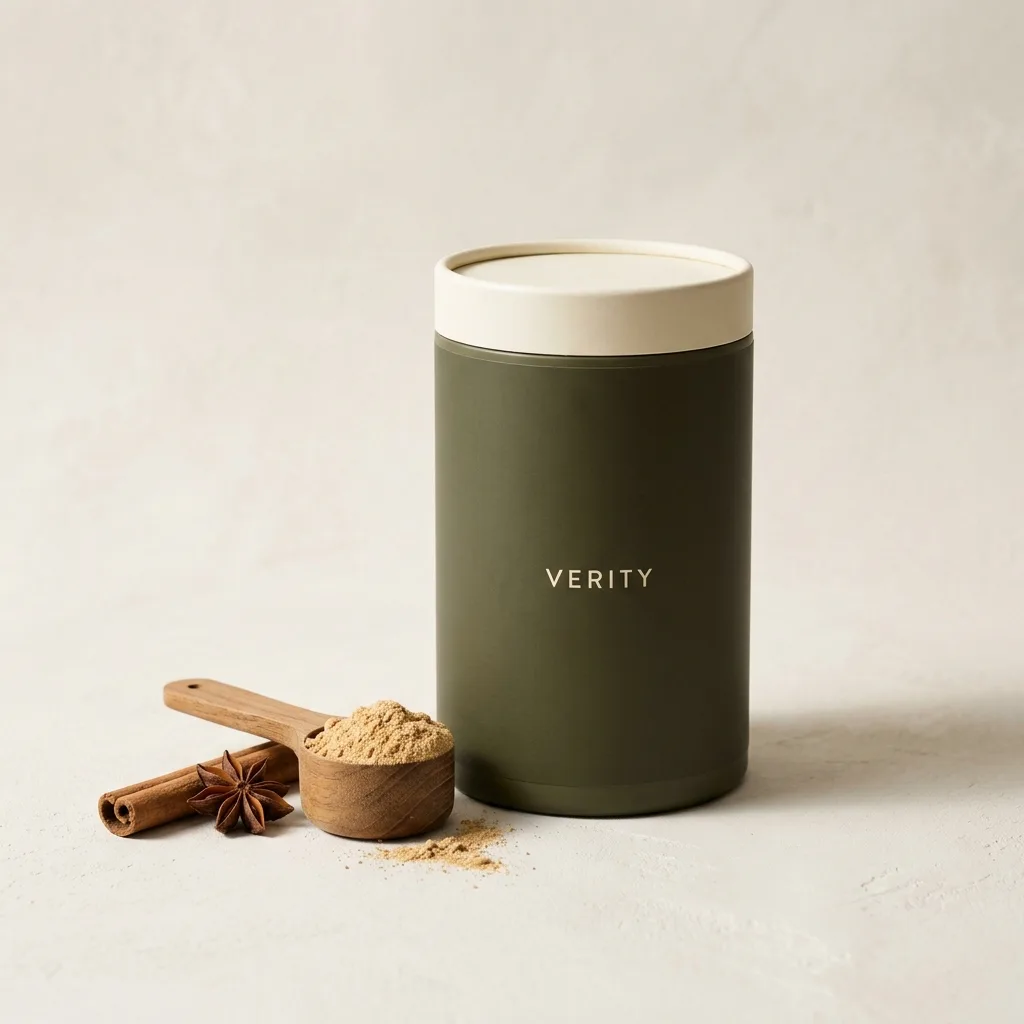
Dawnjar Sample
24g protein130 cal
18.5g protein / 100 cal
per serving · 1 scoop (34g)
$54.99$2.29 / serving
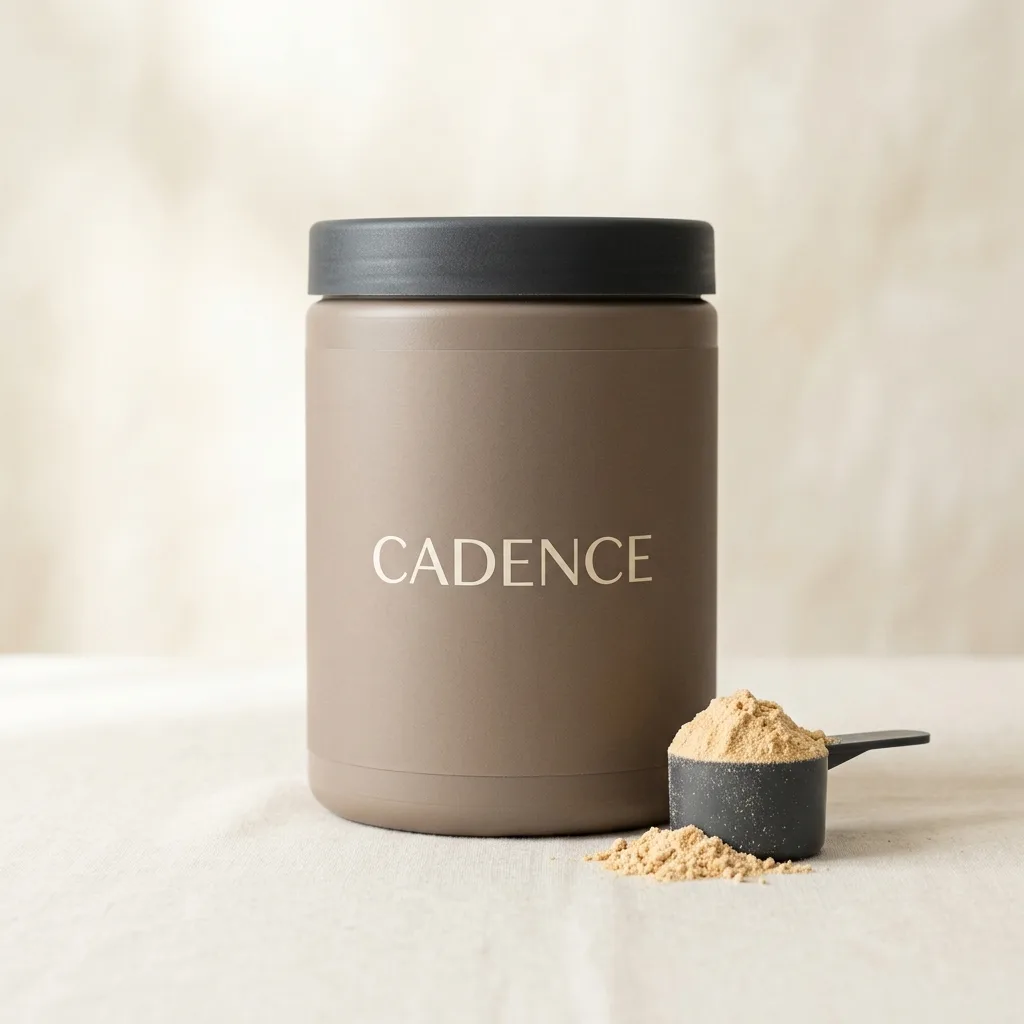
Dawnjar Sample
25g protein120 cal
20.8g protein / 100 cal
per serving · 1 scoop (33g)
$57.99$2.15 / serving
Preview collection · sample records with illustrative figures · prices in CAD. Ordering opens at launch.
There is no single answer that fits every palate or preparation. Decide whether you prefer restrained or pronounced sweetness, a thin or thick drink, and a flavour that stands alone or blends with other ingredients. Read the exact formula's label and directions, then try a small permitted preparation where possible. This guide does not award a winning product or rank the preview samples.
Neither source guarantees a flavour you will prefer. Some whey preparations have a milky character, while plant formulas can introduce earthy or grain-like notes; blending, flavouring and mixing directions also matter. Compare a particular formula rather than treating the source name as a tasting result. Use the same liquid and a documented preparation when you want to distinguish source character from recipe differences.
Begin by following the package's liquid amount and mixing sequence, then make a small adjustment that its directions allow. A different permitted liquid, fruit, cocoa or spice may change the flavour, while blending can change texture. Add one thing at a time so you can identify the change you enjoy. Those additions describe a personal preparation, not an improved product rating or a recipe nutrition promise.
It gives you ingredients to compare, but it cannot predict your exact reaction to a finished formula. Different sweeteners, combinations and amounts interact with protein ingredients and flavourings. Note which ingredient names appear in preparations you have already tried, without assigning a guaranteed taste to every product that uses them. The sugars line alone does not describe perceived sweetness or how long a flavour lingers.
Unflavoured describes the flavouring approach, not the absence of ingredient character. The protein source may still contribute milky, earthy or other notes that remain noticeable in water or a simple recipe. Read the full ingredient list and choose the preparation you actually intend to use. Dawnjar's existing powder examples are flavoured; this shelf does not establish an unflavoured sample or a verified taste for one.
A smaller available format can limit the quantity you commit to while assessing a particular flavour. Confirm that its formula and directions match the larger package rather than assuming every sample is equivalent. Compare the stated portion and CAD cost separately from taste. Dawnjar's records do not establish small-pack availability, and the preview does not accept orders; ordering opens at launch.
Dawnjar preview pages use sample product records and illustrative nutrition figures. Ordering opens when real inventory and fulfillment are live. Nutrition information is general and informational only, not medical advice.