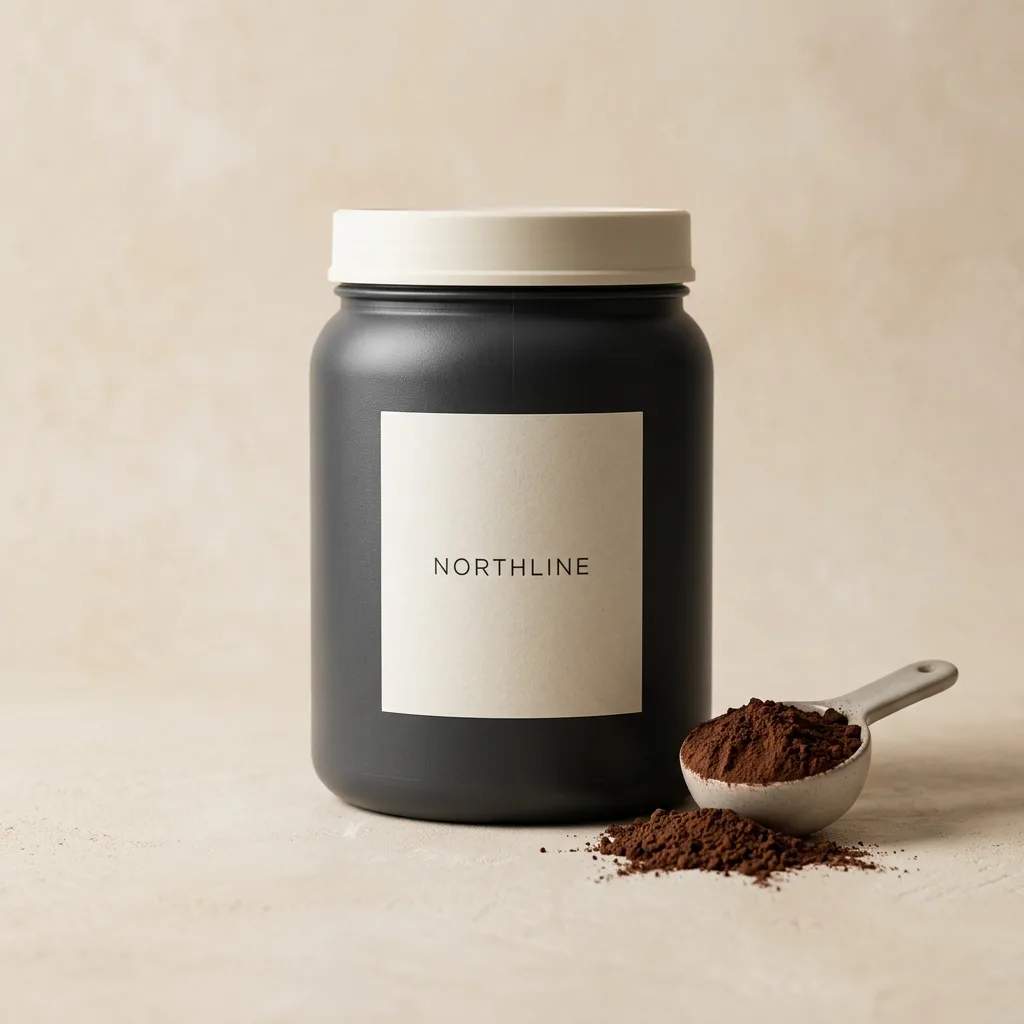
Dawnjar Sample
Whey Isolate — Dutch Chocolate (2 lb)
25g protein115 cal
21.7g protein / 100 cal
per serving · 1 scoop (30g)
$59.99$2.00 / serving
Preview collection · Sample products · Prices in CAD
Dawnjar · Practical buying guides
Chocolate protein powder combines a protein ingredient with a particular flavour recipe, so the word chocolate is only the beginning of the comparison. Cocoa wording, sweetness, scoop mass and preparation directions help distinguish a powder meant for a cool drink from one you want to stir into a recipe. This guide discusses whey and plant formats without inventing a matched pair of products. Dawnjar's shelf has one existing Dutch chocolate whey isolate sample and no chocolate plant powder record. Its nutrition figures are illustrative, its price is in CAD, and ordering opens at launch. General discussion of other chocolate formats does not extend that sample's figures to them.
Cocoa powder contributes chocolate flavour and colour, but a finished protein powder may also use other flavourings. Inspect the ingredient list for cocoa and for the wording attached to flavour ingredients. A front panel saying chocolate does not establish the quantity of cocoa or identify the complete flavour system. Chocolate flavour wording can describe a different construction from a recipe that prominently lists cocoa. Record what is actually declared rather than interpreting the flavour name as a recipe specification.
Dutch-processed cocoa has undergone alkalization, which can change its flavour and colour compared with other cocoa preparations. That description does not supply a finished powder's protein content, sweetness or mixing behaviour. The rest of the formula still matters, including the protein ingredient and any thickeners or sweeteners. The existing sample's Dutch chocolate name identifies its flavour direction only; it is not a recorded taste test. Use the ingredient wording of the particular package when you want to distinguish cocoa processing from additional chocolate flavouring.
A chocolate whey recipe and a chocolate plant recipe may have different base flavours and suspension characteristics. Plant ingredients can contribute a noticeable grain-like or earthy note, while whey has its own flavour background. Cocoa and sweeteners can alter how either base tastes. Describe the actual preparation rather than treating those tendencies as guaranteed results for every powder. No chocolate plant sample is shown here, so the whey record cannot stand in for a tested comparison between two finished chocolate products.
Graininess and dry clumps are also different observations. A gritty impression can remain after a powder is dispersed, whereas clumps may reflect uneven mixing or an unsuitable powder-to-liquid ratio. Follow the stated directions, allow any suggested standing time and compare drinks prepared with the same liquid quantity. More blending does not necessarily make every formula smooth. If texture matters most to you, keep notes on the complete recipe and preparation method instead of judging a protein source from one hurriedly mixed cup.
Check whether the nutrition table describes a single scoop, several scoops or a specified gram weight. The scoop is a measuring tool for that package, not a shared unit across powders. Read protein grams for the declared portion and keep the powder mass next to them. If the directions provide different quantities for drinks and recipes, separate those preparations. A larger scoop can include more cocoa and other ingredients as well as more protein; its size alone does not tell you the powder's composition.
Sweetener ingredients and the sugars line answer different label questions, so read both. For caffeine, read the label: cocoa contains some caffeine, but the amount in a finished chocolate powder depends on its formulation and portion. Do not invent a caffeine total from the chocolate name or substitute a figure from a different product. Allergen wording likewise belongs to the exact flavour and package. Ingredient names help identify the recipe, while the declared table supplies the quantities needed for your serving comparison.
For a chocolate protein shake, begin with the powder's liquid instructions and a container with room to mix. Adding liquid before powder can help prevent a dry layer sticking to the base, if compatible with those directions. A blender, whisk or shaker produces different agitation, so choose the method the recipe calls for. Ice changes temperature and adds water as it melts. Evaluate the drink at the stage you intend to enjoy it, not against another mixture that has been standing much longer.
Protein chocolate milk can mean milk with powder stirred in or a separate ready-to-drink product. State which one you are comparing. The powder's nutrition table does not include your chosen milk unless the package explicitly supplies prepared figures for that combination. For lactose, read the label and the product's own lactose statement. Keep ingredient quantities available if you want to calculate a complete recipe, and avoid describing an improvised drink with the figures of an unrelated bottled chocolate product.
A warm chocolate recipe needs preparation directions that suit the powder you have. Do not assume a cold-shake instruction also describes heating. Where the directions allow a warm recipe, disperse the powder as directed before gradually warming the mixture, stirring and checking texture. Gentle heating can make it easier to observe changes than an abrupt blast of heat. A formula may thicken or separate, and its behaviour cannot be predicted from the cocoa name alone. Follow the specific recipe rather than promising a smooth result.
Keep the warm preparation's ingredients and portion definition separate from the dry powder table. Extra cocoa, milk or another drink, flavourings and toppings belong to the finished recipe and can change both taste and cost. This guide gives no combined nutrition figure for homemade protein hot chocolate. It also does not establish a heating method for the preview sample. Follow the package for handling and preparation; when in doubt, do not use it. The useful comparison is the recipe you can actually document.
Chocolate and vanilla are flavour directions rather than different units of protein. Compare the labels for each flavour because cocoa, flavourings and sweeteners can change the recipe and serving figures. Vanilla may blend differently with fruit or oats, while chocolate may be the flavour you prefer on its own. Cookies-and-cream wording can describe another set of flavour and texture ingredients. None of those names establishes a universal sweetness level, and there is no cookies-and-cream powder sample in this preview.
Use the vanilla guide when you want to examine the existing vanilla bean whey and vanilla chai plant records. They are not a matched tasting comparison with Dutch chocolate, but each can demonstrate its own portion and cost calculation. Choosing a flavour for baking also needs a recipe check: a chocolate powder is not necessarily a replacement for cocoa, and vanilla powder is not simply vanilla extract. Compare the ingredient's intended role before substituting it into a preparation with a different balance of dry and liquid ingredients.
Start with the package price and its declared number of servings to find cost per serving. Divide that serving cost by the protein grams in the same serving, then multiply by twenty-five. This puts powders with different serving definitions on an equal-protein cost basis. Keep the calculation tied to one record throughout; do not combine one tub's price with another flavour's serving count. The normalized cost is a comparison unit, not a recommended scoop size or a promise about the cost of a finished drink.
Package price still matters because it shows the amount committed at once. Record package quantity alongside normalized cost, and distinguish powder cost from any milk, fruit or toppings you add. Missing serving information cannot be supplied by assuming every tub contains the same scoops. The chocolate sample card derives its metrics from the existing illustrative record in CAD. It is an example of the method rather than a launch-price announcement, and no price or nutrition total is assigned to an absent chocolate plant product.
Dawnjar Sample
25g protein115 cal
21.7g protein / 100 cal
per serving · 1 scoop (30g)
$59.99$2.00 / serving
Preview collection · sample records with illustrative figures · prices in CAD. Ordering opens at launch.
No. The flavour name does not describe the full ingredient list. Look for cocoa, named flavourings and sweeteners on the particular package, and keep those declarations separate from the front-panel description. Dutch-processed wording identifies a cocoa process, not the quantity of cocoa or the complete finished recipe.
A scoop supplied with one powder is not a standard measure for another. Read the gram weight and scoop count attached to each nutrition table. Even similar-looking scoops can represent different quantities. Compare the declared protein and preparation directions using each package’s own portion before considering a common weight basis.
Read the label for the specific powder and portion. Cocoa contains some caffeine, but that fact does not give the amount in a finished formula. A chocolate name is not a measured caffeine declaration. If the information you need is missing, do not fill it in using another powder’s figures.
Use the product’s own directions or a recipe intended for that powder. A formula described for cold shaking may behave differently when heated. Where a warm preparation is supported, mix and warm it as directed while checking consistency. No heating result or handling guarantee is established by this preview guide.
Only if the shake has no separately priced additions, and the portion matches the calculation. Usually a powder-only figure excludes your chosen liquid and recipe ingredients. Calculate cost per serving from one package’s price and serving count, then record additions separately rather than presenting the powder cost as a complete recipe total.
The shelf shows the existing Dutch chocolate whey isolate record only. No chocolate plant or cookies-and-cream powder record has been created for this article. Sample figures and CAD prices illustrate comparisons, not current inventory or launch pricing. Ordering is not open in the preview and opens at launch.
Dawnjar preview pages use sample product records and illustrative nutrition figures. Ordering opens when real inventory and fulfillment are live. Nutrition information is general and informational only, not medical advice.