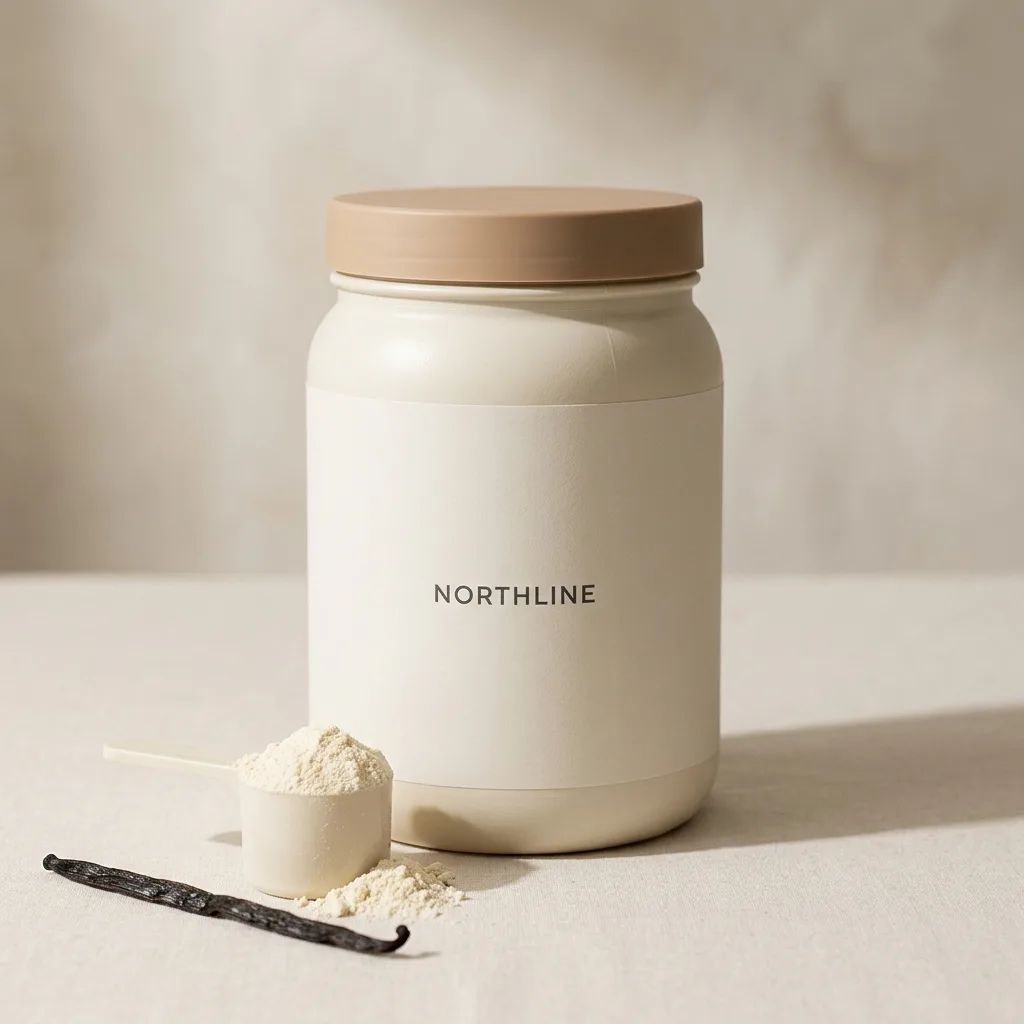
Dawnjar Sample
Whey Isolate — Vanilla Bean (2 lb)
25g protein110 cal
22.7g protein / 100 cal
per serving · 1 scoop (30g)
$59.99$2.00 / serving
Preview collection · Sample products · Prices in CAD
Dawnjar · Practical buying guides
Milk or water changes a protein shake's recipe before you even choose the mixing method. The liquid affects flavour, consistency and the figures attached to the finished glass, while the tub's powder-only table stays a description of the powder. Compare the preparation you want to make rather than treating every liquid as an interchangeable background. This guide covers ordinary mixing choices without declaring a universal winner. Dawnjar's examples are existing vanilla isolate and vanilla chai plant blend sample records; no milk sample is listed. Nutrition figures are illustrative, prices are in CAD, and ordering opens at launch.
Water leaves the powder's own flavour more prominent, while milk brings its own flavour and consistency to the mixture. Neither choice guarantees a particular result because the powder's sweeteners, cocoa, flavourings and texture ingredients still matter. A thin clear-style drink and a creamy vanilla recipe are different starting points. Describe the result you prefer in plain terms, such as lighter, creamier or more strongly flavoured, rather than turning a liquid choice into a claim about what everyone should drink.
Temperature and dilution also change the experience. Chilled liquid and melting ice can produce a different drink from the same powder mixed without ice. If you compare two liquids, keep the powder quantity and final liquid amount consistent enough to understand the change. Do not compare a small concentrated glass with a larger diluted one and attribute the entire difference to milk. Taste is a recipe observation, not a number supplied by the front protein claim.
Where the preparation directions allow, putting liquid in the container before powder can help avoid a dry layer trapped against the bottom. Leave room for movement and add the measured powder as directed. A shaker agitates the mixture differently from a whisk or blender, so choose a method suited to the actual formula. Some powders disperse into a cloudy mixture rather than becoming a clear solution; visible cloudiness is not automatically the same thing as unmixed clumps.
A blender can work through added fruit or other ingredients, while a simple powder-and-liquid recipe may use a different method. Follow appliance instructions and do not assume every container is suitable for every temperature. Compare texture after any standing time named on the tub. Extra agitation does not guarantee an identical texture across whey, casein and plant recipes. Notes on the liquid quantity and method help you distinguish a preparation issue from a texture you simply do not prefer.
Read the milk carton for the quantity represented by its table before adding its figures to a recipe. The powder's protein and calories do not already include your chosen milk unless prepared figures explicitly say so. Measure the liquid used and calculate its contribution from that carton's own portion basis. Different milk products carry different values, so there is no universal milk addition that this guide can attach to every shake.
A combined calculation needs known amounts for both ingredients. Keep the powder quantity, its table inputs, the milk volume and the milk's table inputs together. If the tub gives prepared values for a specific milk but you use another one, those printed totals no longer describe your exact recipe. The high protein milk guide explains carton comparisons without supplying invented amounts. A fuller-looking glass also does not prove a different protein total unless the ingredients and quantities establish it.
Soy, pea, oat and almond drinks can have different formulations, flavours and protein entries. Read the specific carton rather than carrying one plant drink's numbers across the whole group. Unsweetened wording, flavouring and added ingredients need their own checks. Some liquids may create a different colour or consistency when mixed with the powder. Those are recipe preferences, not reasons to assume a particular serving figure from the plant source name.
For lactose-labelled milk options, read the label and the product's own lactose statement. Do the same for the powder; one ingredient's statement does not certify the complete mixture. Inspect ingredient and allergen wording separately, without assessing suitability from the drink name. The lactose-label guide explains that distinction. No milk or plant drink record is added to Dawnjar's shelf by this article, so all carton comparisons depend on the actual product you intend to pour.
Clear whey is often prepared with water to produce a lighter, fruit-flavoured drink, but the package directions determine the particular recipe. Read the suggested liquid quantity and any settling instructions rather than assuming every clear powder uses the same dilution. Foam immediately after mixing can be a different observation from the drink after standing. Record the stage you are comparing. A clear appearance does not supply an ingredient list or nutrition figure by itself.
Adding milk to a powder intended for a clear drink changes its flavour, colour and texture; it should not be assumed to reproduce the pictured preparation. Use a recipe that supports the combination if that is what you want to try. No clear whey powder sample is included in this article; its shelf contains the existing vanilla powder formats only. The clear whey guide focuses on that powder format, while the shake guide covers broader bottle and powder comparisons.
Follow the tub's ratio and read what it means by a scoop, including the stated powder mass. A scoop from another package is not a reliable replacement. If the directions allow adjustments, change the liquid gradually and keep track of the amount so you can repeat the consistency you liked. More liquid produces a different dilution, but it does not change how much powder you measured. Distinguish the glass size from the powder serving.
A recipe with fruit, oats or other additions needs enough space and a mixing method suited to those ingredients. Do not use a finished glass's volume to infer how much protein powder went into it. Equally, a thick mixture does not demonstrate a higher protein share. If you want to compare prepared shakes, document the quantities rather than using words such as one glass as though they were a shared measure across all recipes.
Calculate powder serving cost from tub price divided by declared servings, using one record's inputs. Water and a purchased liquid have different cost boundaries, but no liquid cost is invented here. For milk or a plant drink, work from its package price and the volume actually used when those details are known. Keep the powder-only result separate until you have enough information for a complete recipe total.
The same approach applies when a powder package prints several preparation options. Name which one you are costing and include any separately priced additions. An equal-protein powder metric does not automatically become the price of your finished milk shake. Dawnjar's sample cards show existing illustrative calculations in CAD, not prices for milk or completed home recipes. Use the linked guides for the relevant format, and keep current label figures attached to the ingredients that supply them.
Dawnjar Sample
25g protein110 cal
22.7g protein / 100 cal
per serving · 1 scoop (30g)
$59.99$2.00 / serving
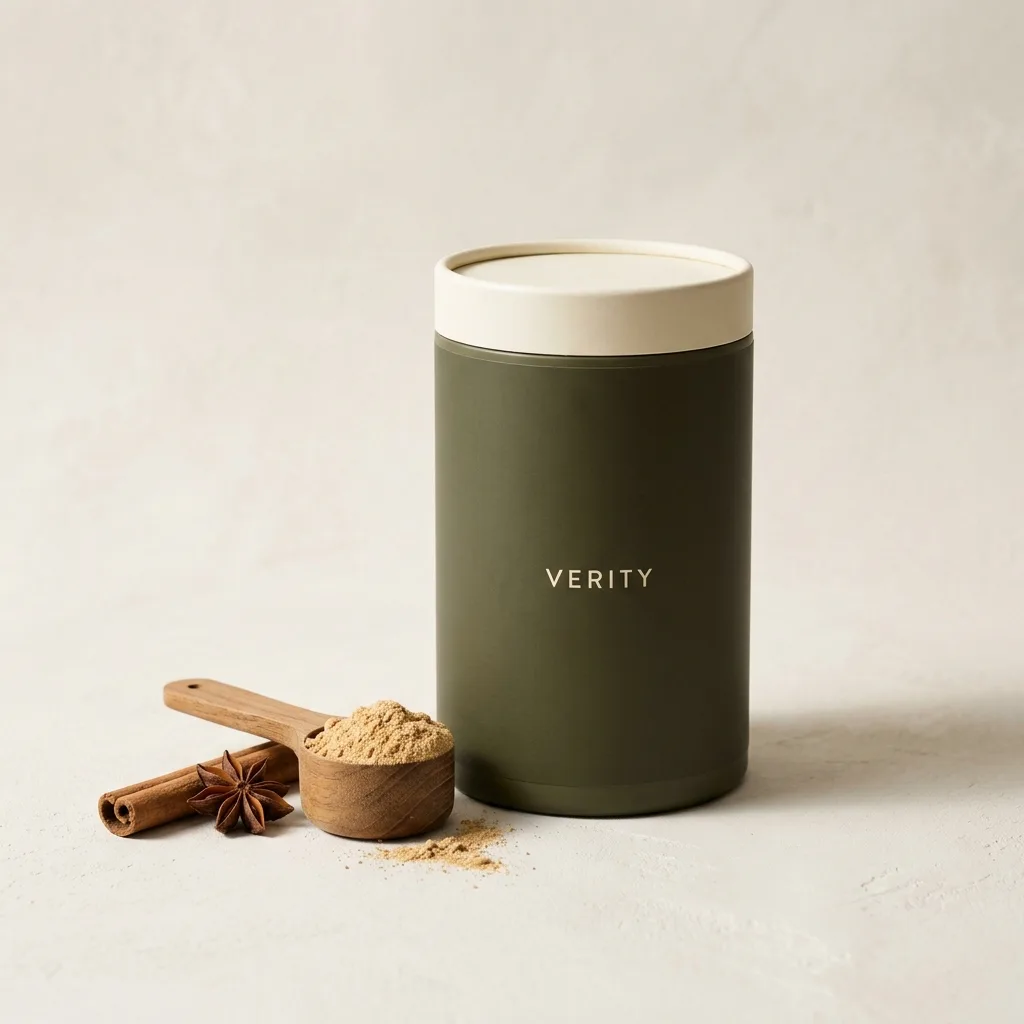
Dawnjar Sample
24g protein130 cal
18.5g protein / 100 cal
per serving · 1 scoop (34g)
$54.99$2.29 / serving
Preview collection · sample records with illustrative figures · prices in CAD. Ordering opens at launch.
That is a flavour and texture preference. Milk contributes its own taste and consistency, while water leaves a different background for the powder. Compare a measured recipe with the same powder amount and note the liquid quantity. The formula’s flavourings and preparation directions still influence the result, so no liquid is universally better.
Milk contributes its own labelled protein and calories to a combined recipe. Read the carton and measure the amount used, keeping those inputs separate from powder-only figures. Prepared values on a tub apply only to the preparation they describe. Do not use another milk product’s table as a substitute.
Follow the powder’s directions. Where permitted, liquid first can help prevent powder from sitting as a dry layer at the base, but the mixing method and ratio still matter. Leave room for agitation and compare after any stated standing time. More shaking does not guarantee identical texture for every formula.
It can be a recipe choice when compatible with the powder’s instructions. Read the chosen carton for ingredients, protein and serving volume because plant drinks vary. Record its flavour and quantity rather than assuming it behaves like milk. The completed recipe needs that drink’s own figures if you want a combined calculation.
Read the label and each product’s own lactose statement for both the powder and the milk you choose. A statement on one ingredient does not establish a statement for the finished recipe. Keep allergen information separate and do not assess suitability from a source or flavour name.
Use the particular tub’s stated powder and water amounts, including any settling directions. The clear format does not provide a shared scoop ratio across products. Change dilution only as the directions allow and keep notes on the amount used. The preview supplies no measured clear-whey powder recipe or clear-whey powder sample.
Dawnjar preview pages use sample product records and illustrative nutrition figures. Ordering opens when real inventory and fulfillment are live. Nutrition information is general and informational only, not medical advice.