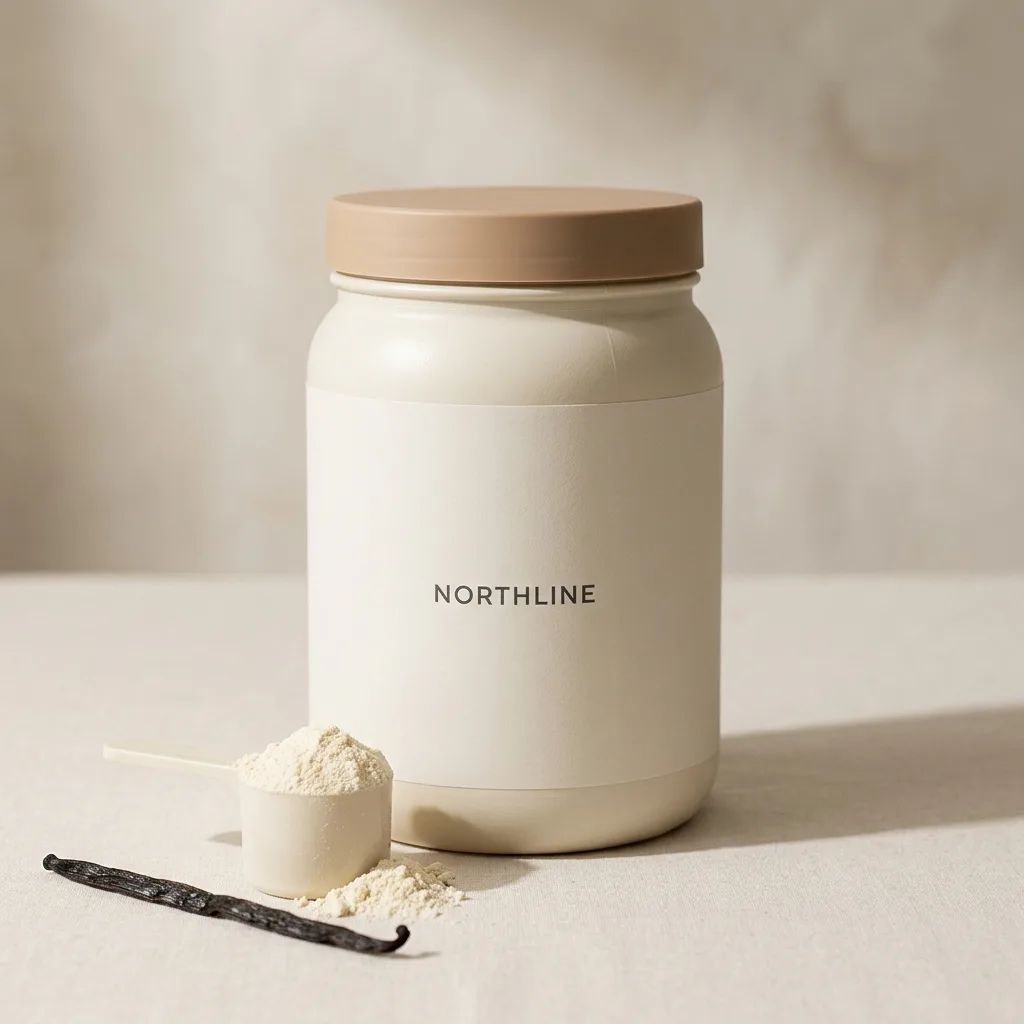
Dawnjar Sample
Whey Isolate — Vanilla Bean (2 lb)
25g protein110 cal
22.7g protein / 100 cal
per serving · 1 scoop (30g)
$59.99$2.00 / serving
Preview collection · Sample products · Prices in CAD
Dawnjar · Powder flavours
Vanilla protein powder is a familiar starting point, but the flavour name leaves several questions unanswered. A vanilla bean whey isolate and a vanilla chai plant blend differ in more than the word after vanilla: source, serving weight and preparation all belong in the comparison. This guide looks at flavour as part of a recipe rather than as a promise of an identical shake. Dawnjar's preview uses sample records with illustrative figures and prices in CAD, with ordering opening at launch. The shelf contains only existing vanilla-style powder records, not newly invented varieties.
Vanilla is often treated as the default because it can sit beside fruit, oats and other familiar recipe flavours without introducing the distinct direction of chocolate or coffee. That versatility is a reason to consider it, not proof that it disappears into every recipe. A strongly sweetened vanilla powder may remain noticeable in a simple bowl, while a spice-led vanilla chai version introduces another layer altogether. Decide what you want the finished food to taste like before choosing a flavour solely because it seems neutral.
The intended preparation also matters. In a water-based shake, the powder's own taste is prominent; in a smoothie, fruit and other ingredients share that role. Oats and baking use different amounts of liquid and different preparation methods again. Consider the powder as one recipe ingredient, not a universal replacement for several others. A familiar flavour offers a starting idea, but the ingredient list and directions still supply details that the front name cannot.
A source comparison and a flavour comparison should remain separate. Whey isolate is a milk protein ingredient; the plant sample is a blend identified in its existing record. For allergens, read the label. Vanilla bean and vanilla chai do not create a controlled tasting comparison because the flavour directions differ too. Do not attribute every difference you expect in the cup to whey or plant source alone.
Taste direction — The whey sample names vanilla bean, while the plant sample names vanilla chai. Chai suggests a spice-style flavour direction, not a plain-vanilla duplicate. These names are sample descriptions rather than independently tested tasting results.
Texture context — Plant powders can feel more textured and whey preparations can feel lighter, but the complete recipe and liquid amount affect both. Avoid presenting a format tendency as a verified result for these examples.
Mixing method — Use the powder's measured serving and stated preparation method. Give dry pockets room to disperse and compare preparations made consistently; changing both the liquid and portion makes the source comparison harder to interpret.
Find the serving weight before reading protein per scoop. The scoop contains powder, and not every gram of powder is a gram of protein. Two scoops can have different weights even when the plastic measures look similar. A level or rounded scoop description also matters, so use the package's actual serving definition rather than a scoop borrowed from another tub. Then compare the grams of protein represented by that portion.
Sweetener wording — Read the named sweeteners alongside total sugars. The ingredient list explains which sweetening ingredients appear; the sugars figure does not describe the entire sweetness of a finished mixture.
Natural flavour wording — The phrase describes label wording, not a complete list of flavour characteristics. It does not by itself prove the presence of vanilla beans or tell you how intense the finished vanilla taste will be.
The complete label — Read the allergen statement as written. Keep any missing detail marked as something to check, rather than assigning it from a vanilla name, a plant tag or another record's ingredients.
Cookies and cream protein powder points towards a different dessert-style flavour, but the name does not confirm cookie pieces, a particular crunch or a fixed sweetener recipe. Those details need the specific ingredient and preparation information. Vanilla may offer a simpler flavour direction for some recipes, yet simple does not mean unsweetened. There is no cookies and cream powder sample in this preview, so no figures from the vanilla records should be assigned to one.
Unflavoured whey isolate is another distinct option to discuss, not a record on this shelf. Unflavoured means it lacks the named flavour direction; it does not mean the underlying powder has no taste or has identical texture to a vanilla version. It can be considered when you want other recipe ingredients to determine the flavour. Compare its own label and price if you encounter one, without assuming a vanilla tub's serving count or protein amount applies.
For oats, consider when the powder is added and how much liquid the recipe leaves for mixing. Stirring dry powder into a finished thick bowl behaves differently from dispersing it in liquid first. For yogurt, begin with a small test amount and mix thoroughly before making a larger batch, following the powder's directions. These are preparation considerations, not a prediction about the nutrition or texture of every finished recipe.
In smoothies, dissolve or disperse the measured portion before judging whether extra liquid is needed. Fruit, ice and other ingredients influence thickness, so do not blame every change on the powder. For baking, use a recipe intended for the ingredient rather than replacing flour without guidance: a protein powder and flour perform different jobs. Vanilla flavour and sweeteners become part of the finished taste. Keep a record of what you added if you want to reproduce it, and distribute ingredients across the actual recipe yield rather than assigning the whole batch to each portion.
Begin with a single record's package price and serving count. Divide that price by its servings, then divide the serving price by protein grams in the same serving and multiply by twenty-five. This standardises the protein amount while leaving the original scoop size unchanged. A cheaper tub or a bigger scoop is not automatically the lower-cost result; the serving count and protein in each serving determine the comparison together.
Use that method separately for each vanilla sample and let the record figures supply the inputs. Do not combine one tub's price with another tub's serving count. The calculation covers powder only: yogurt, fruit or other recipe ingredients would require their own known amounts and prices for a finished-recipe comparison. A lower calculated cost says nothing about which flavour you would enjoy, and a sample CAD price is not a launch price commitment.
The shelf pairs the existing vanilla bean whey isolate with the vanilla chai plant blend. The second is a vanilla-and-spice style rather than an invented plain vanilla plant option. Compare their card figures directly and keep that flavour distinction in view. These examples do not establish values for cookies and cream, unflavoured powder or any other product absent from the sample records.
Dawnjar Sample
25g protein110 cal
22.7g protein / 100 cal
per serving · 1 scoop (30g)
$59.99$2.00 / serving
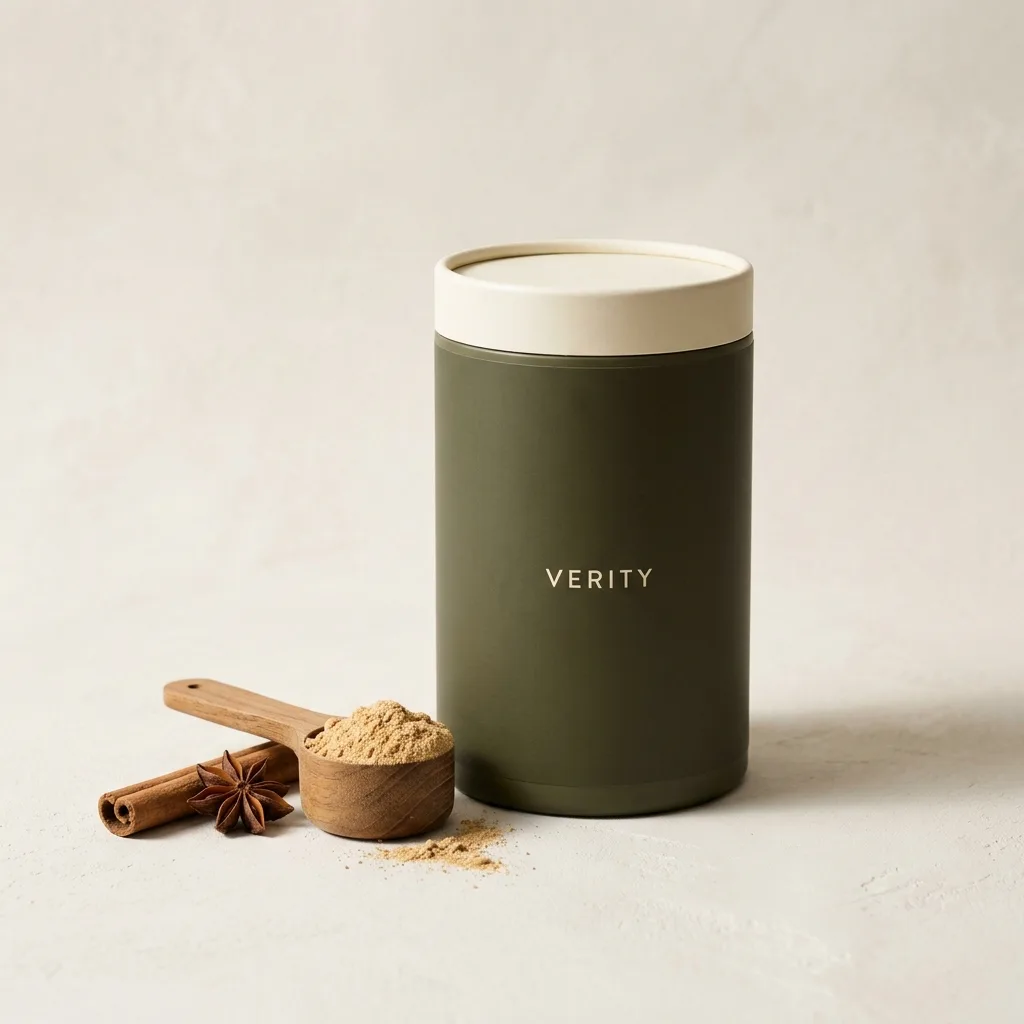
Dawnjar Sample
24g protein130 cal
18.5g protein / 100 cal
per serving · 1 scoop (34g)
$54.99$2.29 / serving
Preview collection · sample records with illustrative figures · prices in CAD. Ordering opens at launch.
For a shake, start with the liquid and measured powder in the package directions. A vanilla flavour can sit alongside fruit, but fruit and ice also change thickness and sweetness. Disperse the powder before deciding whether the mixture needs more liquid. Avoid changing the powder quantity and every addition at once if you want to understand what produced the texture you prefer.
For coffee, many people stir powder into warm rather than boiling liquid to reduce clumping. Check the product directions first, and try a small portion before preparing a whole mug. Vanilla and sweeteners become part of the coffee flavour; they need not disappear into it. Caffeine amounts vary; read the label. The powder-only table does not describe additions to the finished drink.
For oats and baking, use directions suited to the ingredient. Mixing powder with some liquid before adding it to a thick bowl can reduce dry pockets. For baking, choose a recipe designed for powder rather than replacing flour indiscriminately. These are mixing considerations, not tested recipe figures. Keep chilled mixtures refrigerated as directed by their ingredients, and do not assume a universal storage period.
Read sugars grams and their daily value at the declared portion. Health Canada's aid is: % DV: 5% DV or less is a little, 15% DV or more is a lot. A sweet taste can reflect ingredients besides sugars, so inspect the sweetener list as well. Neither vanilla bean nor vanilla chai wording establishes a permitted sugars claim.
Under the permitted claim conditions, sugar-free requires less than 0.5 g of sugars per reference amount and serving and meeting low in energy conditions. Low in sugar means 5 g or less of sugars per reference amount and serving, and per 50 g if the reference amount is 30 g or less. Read the complete conditions, not only a rounded table figure. No such claim is made about Dawnjar's illustrative vanilla samples.
Vanilla is a flavour family, not a fixed recipe. Sweeteners, other flavourings and the protein ingredients change the result; vanilla chai adds a different flavour direction from vanilla bean.
Keep the scoop weight, protein in that portion and preparation method visible. Compare the recorded figures separately from texture preferences, and read the label for allergens.
That wording alone does not identify every flavouring ingredient or establish that vanilla beans are present. Read the ingredient wording actually provided rather than interpreting the flavour name as a complete recipe.
It changes the flavour and can change sweetness and texture. Start with the recipe and powder preparation directions rather than assuming equal spoonfuls behave identically.
Neither has a powder sample on this page. The shelf uses only the existing vanilla bean whey isolate and vanilla chai plant blend, with illustrative figures and CAD prices.
Purchases are not open in the preview. These records illustrate comparisons, not available inventory; ordering opens at launch.
Some do; check sugars on the Nutrition Facts table. The vanilla flavour name does not determine the amount or identify every sweetener. Use the exact serving size when comparing formulas.
Yes, many people do; stirring into warm rather than boiling liquid can reduce clumping. Follow the powder's directions and disperse a small measured amount before adding more. Caffeine amounts vary; read the label.
Yes, cocoa can be a flavour addition where the preparation directions allow it. Start with a small amount and adjust liquid to suit the mixture. Cocoa and any other additions have their own ingredients and figures, separate from the vanilla powder table.
Dawnjar preview pages use sample product records and illustrative nutrition figures. Ordering opens when real inventory and fulfillment are live. Nutrition information is general and informational only, not medical advice.