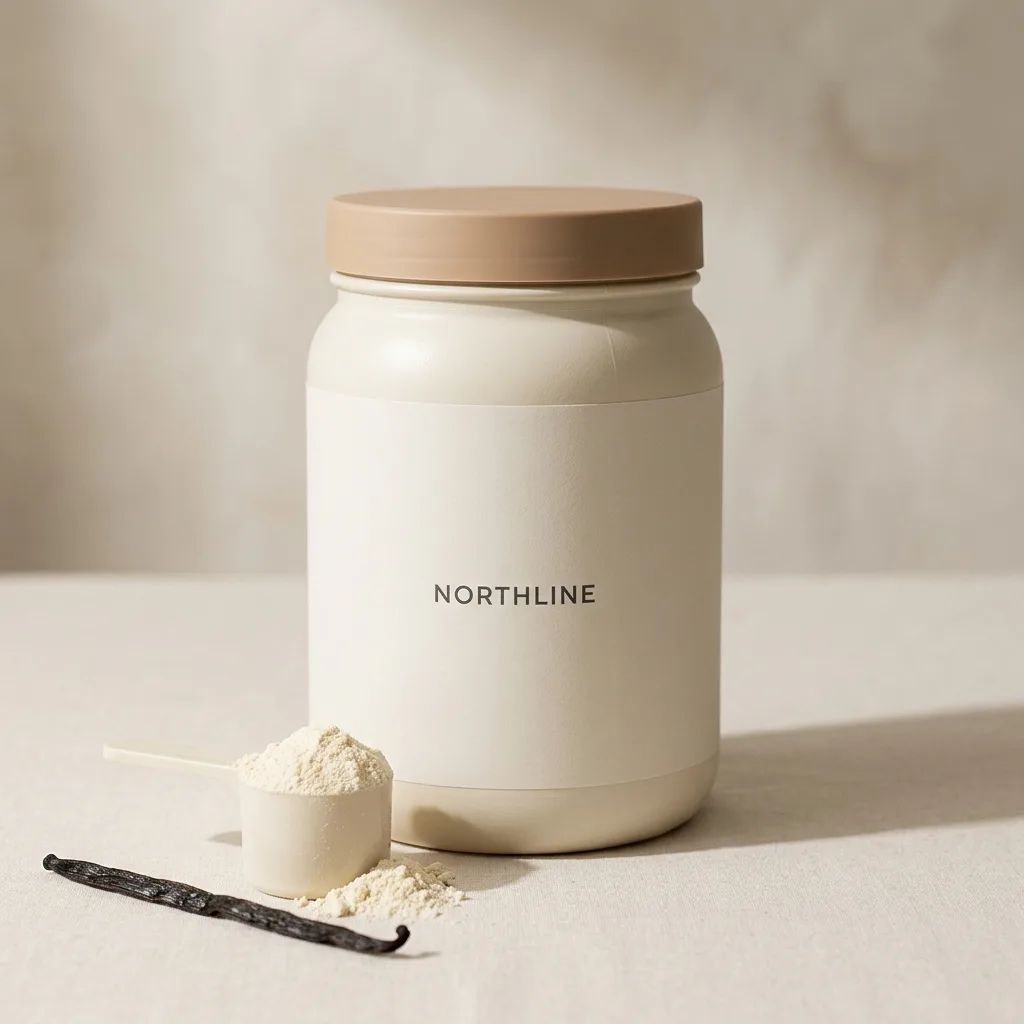
Dawnjar Sample
Whey Isolate — Vanilla Bean (2 lb)
25g protein110 cal
22.7g protein / 100 cal
per serving · 1 scoop (30g)
$59.99$2.00 / serving
Preview collection · Sample products · Prices in CAD
Dawnjar · Practical buying guides
Cheap protein powder is not a category that can be identified from one package price. A smaller bag, a larger serving or a different protein share can change what that price represents. To compare protein powder on a budget, keep the amount of protein and the amount of powder separate, then put cost on one consistent basis. This guide explains how to evaluate inexpensive protein powder without naming a cheapest protein powder that the records cannot support. Dawnjar uses existing sample records with illustrative figures and prices in CAD. Ordering opens at launch. The shelves are comparison examples, not offers, discounts or currently available stock.
The number on a package describes that package, not an equal amount of protein across every option. A small pouch may look inexpensive beside a tub simply because it contains less powder. Conversely, a big container can cost more overall while having a lower per-serving cost. Neither observation tells you whether its protein cost is lower until you account for how much protein each declared portion contains. Package weight, servings and protein are all needed to interpret the price.
Also separate a low sticker price from a low amount spent on powder you actually use. A large container left unfinished does not become useful merely because the theoretical cost per serving was attractive. Keep flavour preference, preparation requirements and package size visible alongside the arithmetic. The comparison should explain the trade-off, not turn one normalized number into a claim that every shopper ought to choose the same tub. These preview prices do not establish market-wide bargains.
Initial spend — Retain the total CAD package price next to every normalized cost.
Equal quantity — Cost per 25g relates price to protein rather than comparing package size alone.
Worked example, with no product figures: imagine comparing a small bag and a larger tub. For the small bag, divide its total CAD price by the declared serving count. That result is its cost for one stated powder serving. Divide the serving cost by the grams of protein in that portion, then multiply by twenty-five. Carry out the same steps for the tub using only the tub's own inputs. The two results now represent an equal protein quantity rather than unequal packages.
In this example, the tub could have a lower serving cost but also less protein in each serving. The final equal-protein calculation resolves the combination; the first division alone does not. There are no assumed prices or protein figures here, and no claim about which result will be smaller. Use actual label inputs when applying the method. Round only the final comparison rather than repeatedly rounding intermediate steps, and keep the original package price nearby so the required spend remains clear.
A scoop is a portion tool, not a standard unit shared by all powders. Compare the stated serving mass with the serving count before calculating a tub's cost. A product can define a serving as a different number of scoops or a different weight from the one beside it. That changes both how quickly the package is used and what the protein number means. The same-looking scoop from another container is not a replacement for the serving definition.
When a package provides an approximate serving count, retain that qualification. Do not silently transform it into an exact promise about how many shakes you will make, particularly if you measure a different portion. If you compare a custom amount, scale its powder cost and protein together from the declared basis. Changing only the protein figure while leaving the serving price fixed would produce a misleading result. A reliable budget comparison names the portion behind every calculated amount.
Bulk protein powder makes practical sense to compare when you already know the flavour and use the format regularly enough to manage the container according to its directions. Estimate your own use from the number of preparations you normally make, not an imagined schedule. Compare that with the serving count and the real package's date wording. A larger size increases the amount you need to store and handle; lower theoretical unit cost does not remove those responsibilities.
Read the storage instructions before deciding where a large tub will go, and account for what happens after opening. Keep powder dry and follow the package directions. When its condition is uncertain, do not use it. The dates and storage guide goes into those checks without promising a universal usable period. Buying several small bags or a larger tub is therefore a comparison of portion economics and practical use, not simply a rule that the largest format is always the cheapest choice.
Protein source and ingredient form can influence formulation costs, but neither supplies a fixed price ranking for every finished product. Concentrate, isolate and plant blends have different compositions and package choices. Compare their own serving figures rather than assigning each category an assumed discount or premium. The whey comparison explains concentrate and isolate wording, while the plant comparison separates ingredient sources and blends. Those distinctions help you read the record, not replace its cost inputs.
A higher protein share may reduce the powder quantity needed for an equal protein comparison, but the package price can offset that difference. Flavourings and other recipe ingredients also affect the finished serving. The preview shelf contains existing isolates, a plant blend and casein; no concentrate record is available here. Do not invent a concentrate price to complete a ranking. A useful comparison can acknowledge a missing example while still explaining how the calculation would work with its actual label.
An unflavoured version is worth examining if it matches the recipes you intend to make, but the word does not guarantee a lower price. Compare package sizes and serving figures before attributing a difference to flavouring. A simple front description still needs the full ingredient list read. For allergens or lactose information, read the label. There is no unflavoured sample in this preview shelf, so it cannot establish the cost or composition of such an option.
Think about what you would add to an unflavoured preparation. Fruit, cocoa or other recipe ingredients have their own costs, which are not included in a powder-only calculation. A flavoured powder may suit a plain-water preparation while an unflavoured one may fit an existing recipe; these are preferences rather than automatic savings. If you want to compare finished recipe cost, include known quantities and prices for the additions on both sides. Otherwise keep the comparison explicitly limited to powder.
Each example card identifies a sample powder and displays serving-based protein information with CAD cost comparisons. The arithmetic uses the record's own package price, portion count and protein figure. You can compare like units without treating a scoop, bag and tub as equal objects. No sample price is a launch commitment, and no card establishes which product is the cheapest across a real market. The preview is a demonstration of comparison structure.
Use the shelf to practise asking three distinct questions: what is the initial package spend, what is the cost of a stated serving, and what is the cost for an equal protein quantity? Then keep composition and recipe preferences beside those numbers rather than mixing them into a price claim. Missing formats remain missing records. Ordering opens at launch; until then, the guide explains a budget method rather than directing you to a live offer or taking an order.
Dawnjar Sample
25g protein110 cal
22.7g protein / 100 cal
per serving · 1 scoop (30g)
$59.99$2.00 / serving
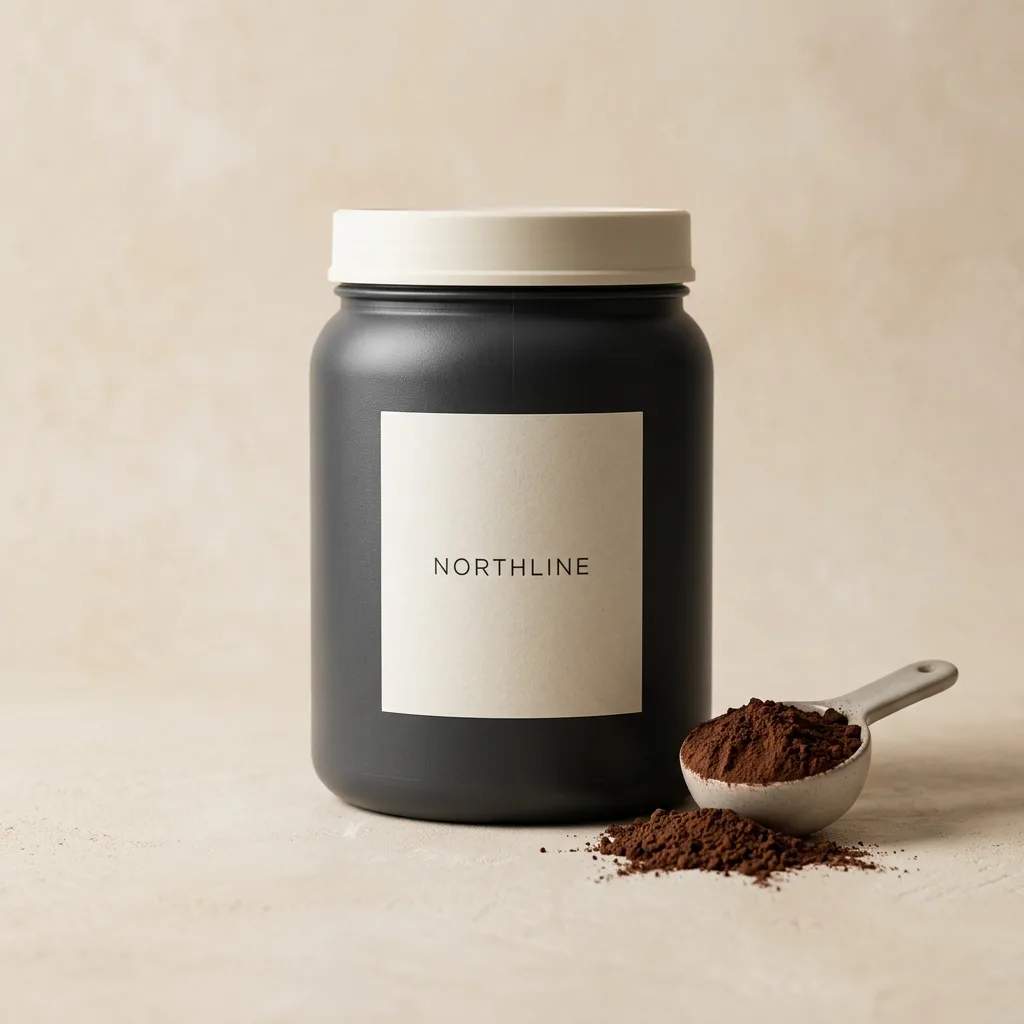
Dawnjar Sample
25g protein115 cal
21.7g protein / 100 cal
per serving · 1 scoop (30g)
$59.99$2.00 / serving
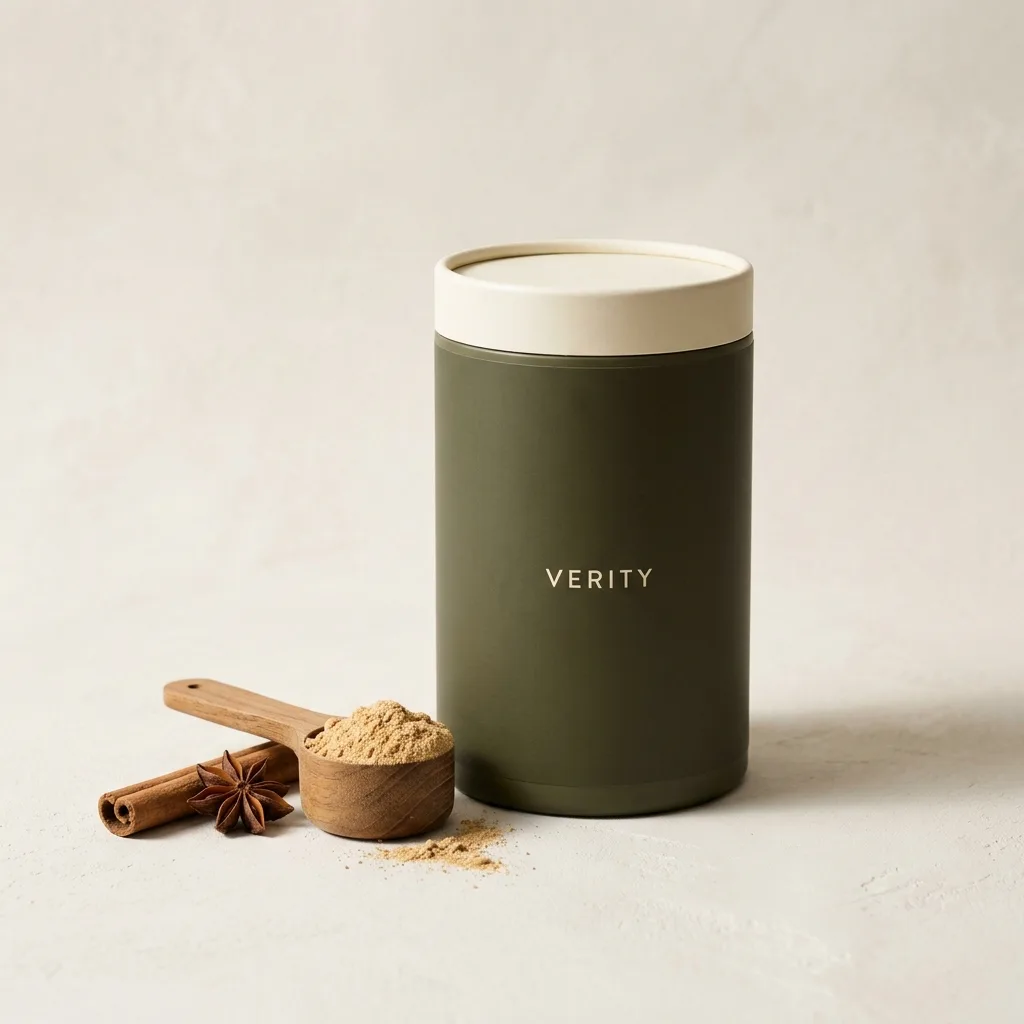
Dawnjar Sample
24g protein130 cal
18.5g protein / 100 cal
per serving · 1 scoop (34g)
$54.99$2.29 / serving
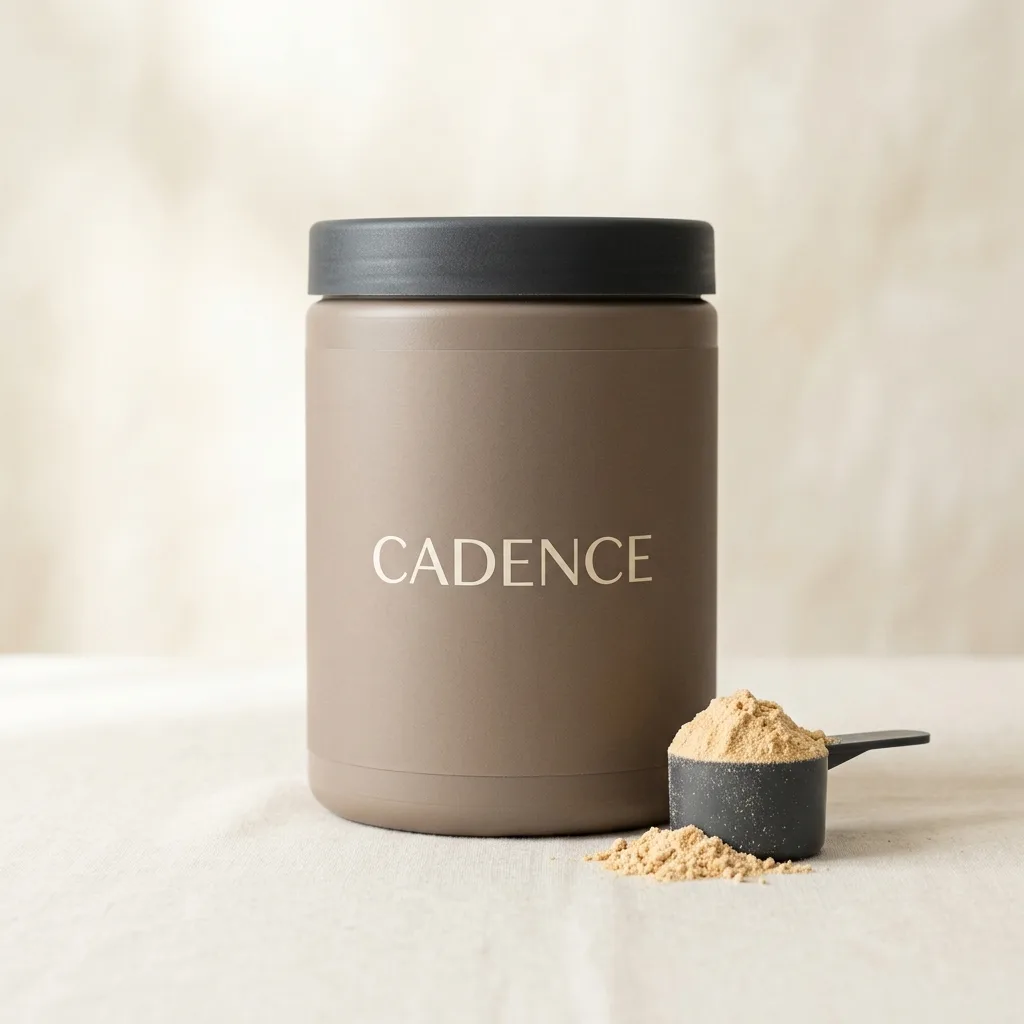
Dawnjar Sample
25g protein120 cal
20.8g protein / 100 cal
per serving · 1 scoop (33g)
$57.99$2.15 / serving
Preview collection · sample records with illustrative figures · prices in CAD. Ordering opens at launch.
A low package price can represent fewer servings or less protein per portion. Calculate equal-protein cost and keep package size visible before comparing the results.
Use the package price, declared servings per container and protein grams per serving from one product. Divide price by servings, divide by protein grams, and multiply by twenty-five.
Not automatically. Compare unit cost, how much you normally use and the package date and storage directions. A bigger container is not a useful saving if it does not fit your use.
No. Scoops differ in weight and serving definitions. Keep the labelled serving mass with its protein amount and container serving count.
That needs an actual price and serving comparison. The preview has no unflavoured sample, and recipe additions can change a finished preparation's cost.
No. The CAD figures illustrate comparisons between existing records. Dawnjar is a preview and ordering opens at launch; the guide does not identify live discounts.
Dawnjar preview pages use sample product records and illustrative nutrition figures. Ordering opens when real inventory and fulfillment are live. Nutrition information is general and informational only, not medical advice.