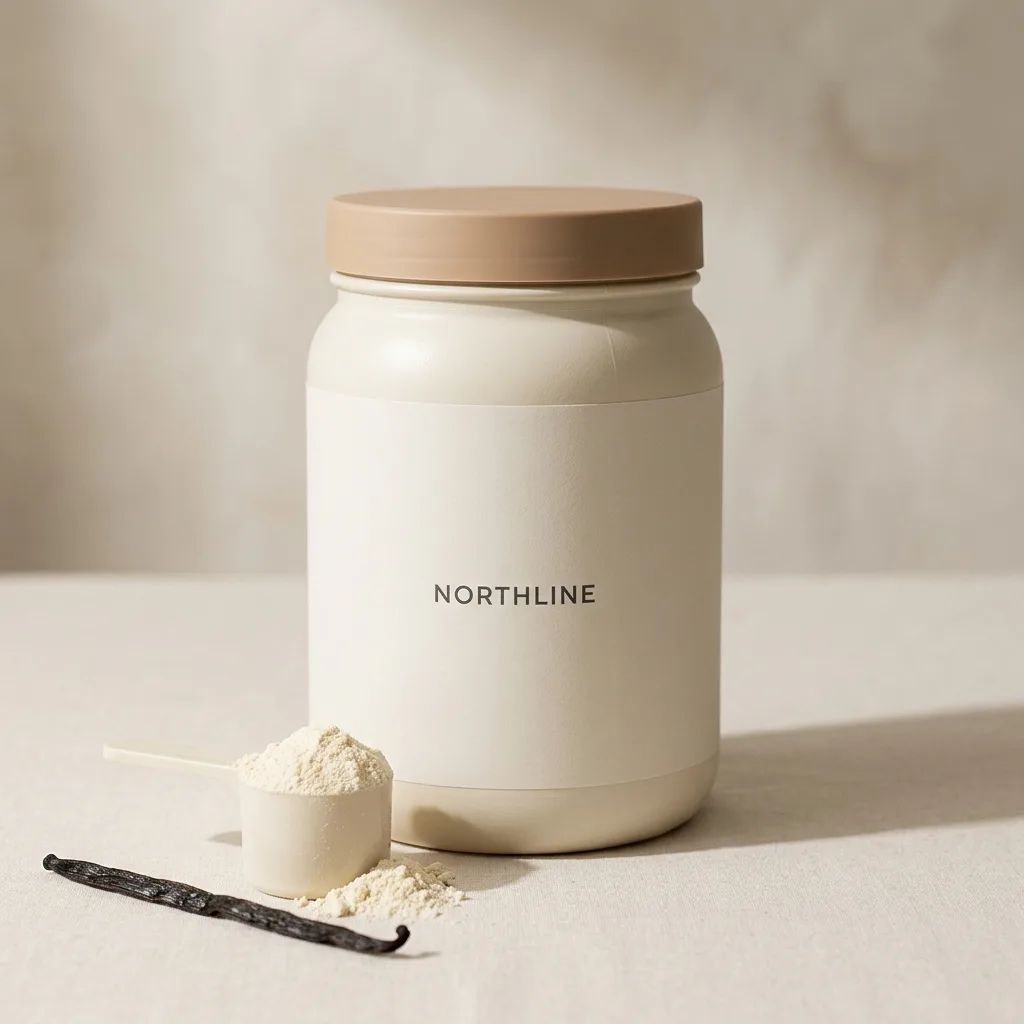
Dawnjar Sample
Whey Isolate — Vanilla Bean (2 lb)
25g protein110 cal
22.7g protein / 100 cal
per serving · 1 scoop (30g)
$59.99$2.00 / serving
Preview collection · Sample products · Prices in CAD
Dawnjar · Practical buying guides
Unflavoured protein powder is not necessarily flavourless. Its protein ingredients can have their own taste and texture, even without a vanilla or chocolate flavour recipe. The useful comparison begins with the full declaration, measured serving and the preparation you want to make. This guide covers cooking, shakes and optional flavour additions without treating a shorter ingredient list as an automatic quality ranking. Dawnjar has no unflavoured powder sample. The shelf uses existing vanilla bean whey and vanilla chai plant records solely to illustrate other labelled formats, with illustrative figures and CAD prices; ordering opens at launch.
Whey can bring a milky background, while plant ingredients can contribute earthy, grain-like or seed-like notes. Those descriptions are tendencies, not guaranteed tasting results for every unflavoured powder. Processing and the rest of the formula can affect what you notice. Read whether the package actually says unflavoured and inspect the ingredients rather than assuming a plain-looking tub contains only one component. Unflavoured wording also does not establish how the product will behave in a particular recipe.
A water preparation makes a different comparison from powder folded into food with other flavours. If you want to understand the powder's own taste, begin with its stated mixing method before changing several ingredients at once. For a recipe, consider whether its base note suits the dish. No unflavoured sample has been taste-tested here, and the flavour of the vanilla comparison records cannot be used to describe an absent unflavoured whey or plant product.
Some unflavoured powders have a relatively short ingredient list, but the exact package remains the evidence. Read every component, including any mixing or texture ingredients, instead of turning unflavoured into a promise about the list. Ingredient count alone does not reveal the grams of protein in a serving. A source name and a processing form describe another part of the product, so keep whey isolate, plant blend and any other declared wording intact.
Check the serving mass before comparing protein per scoop. A scoop count may represent different powder amounts across tubs, and a household spoon is not the package's stated measure. Record protein, calories and powder weight from the same portion. For allergens, read the label; for lactose, read the label and the product's own lactose statement. No absent claim is supplied by the unflavoured name or a shorter list of ingredients.
Cocoa, fruit or spices can be added as recipe choices when compatible with the powder's preparation instructions. Start with a measured portion and a small flavour adjustment so you can tell which change you prefer. Cocoa has its own flavour intensity and mixing characteristics, while fruit can change thickness as well as taste. Neither addition makes the dry powder's printed table a complete figure for the finished drink.
Coffee is another possible flavour ingredient, but the powder needs directions suited to the preparation and temperature you intend to use. For caffeine, read the ingredient labels rather than inventing an amount from cocoa or coffee wording. The protein coffee guide addresses those preparation distinctions. A blender and a shaker can also produce different results where additional ingredients are present. Keep the liquid, powder and flavour quantities in your recipe notes instead of treating one glass as a consistent unit.
Unflavoured powder can be considered for oats when a recipe supports it, but it may change consistency and the background flavour. Add it using the recipe's method rather than assuming a dry scoop stirred into any bowl will disperse uniformly. Liquid availability, stirring and the preparation stage matter. Start with a small portion if the recipe is unfamiliar, and document the amount used instead of replacing the oatmeal portion with an unspecified scoop.
Separate the oats' figures from the powder-only figures unless the quantities and labels for both are known. A thicker bowl does not prove a different protein amount by appearance. Fruit, spices and other additions each remain part of the recipe rather than being hidden inside the powder table. Dawnjar does not list an unflavoured oats recipe as a sample product, and no complete bowl nutrition or cost is invented for this article.
A savoury dish introduces different flavour and texture questions from a sweet shake. Unflavoured wording does not guarantee that a powder will disappear into soup without changing it. Use a recipe designed for the ingredient and follow the powder's directions, particularly where heating is involved. Stirring a dry mound into a finished dish may produce a different result from a method that disperses the ingredient earlier. No universal cooking technique is established here.
Temperature, liquid ratio and the other ingredients can influence thickening or separation. If the package does not support the preparation you want, do not infer support from the lack of added flavour. The recipe's yield and serving size also need to be recorded before you compare a prepared dish. For handling and preparation, follow the label; if you are in doubt, do not use the powder. This guide gives no food-safety guarantee or tested soup formula for the existing flavoured comparison samples.
Powder contributes dry solids and its own flavour to baking. It is not automatically interchangeable with flour, cocoa or another powder merely because it is unflavoured. Choose a recipe written for the intended ingredient or make a small trial that records the change. Moisture balance and the finished texture can shift when you replace ingredients. A scoop from one tub also does not define an equivalent quantity of a different baking ingredient.
Vanilla and chocolate powders already include their own flavour constructions, so replacing them with an unflavoured option changes more than the front-panel name. The linked flavour guides explain those differences using existing samples. Keep added cocoa, spices or other flavour ingredients separate when adapting a recipe, and do not assume they recreate the same finished formula. No unflavoured baking record or matching nutrition total is introduced into the preview.
Unflavoured is not automatically less expensive than flavoured on either package price or equal-protein cost. Use the actual tub price and declared serving count to find serving cost, then divide by protein grams in that serving and multiply by twenty-five. Do the calculation separately for each product. A shorter ingredient list supplies no price input, and a larger tub can change the up-front commitment without proving the lower normalized figure.
If you add purchased flavour ingredients, the finished recipe has costs beyond the powder calculation. Keep those quantities and prices separate until they are known. The budget guide explains serving-size and package comparisons without inventing unflavoured savings. Dawnjar's vanilla samples demonstrate existing illustrative CAD metrics only; they are not substitutes for unflavoured product labels. Ordering opens at launch, and no new unflavoured inventory is implied by discussing this format.
Dawnjar Sample
25g protein110 cal
22.7g protein / 100 cal
per serving · 1 scoop (30g)
$59.99$2.00 / serving
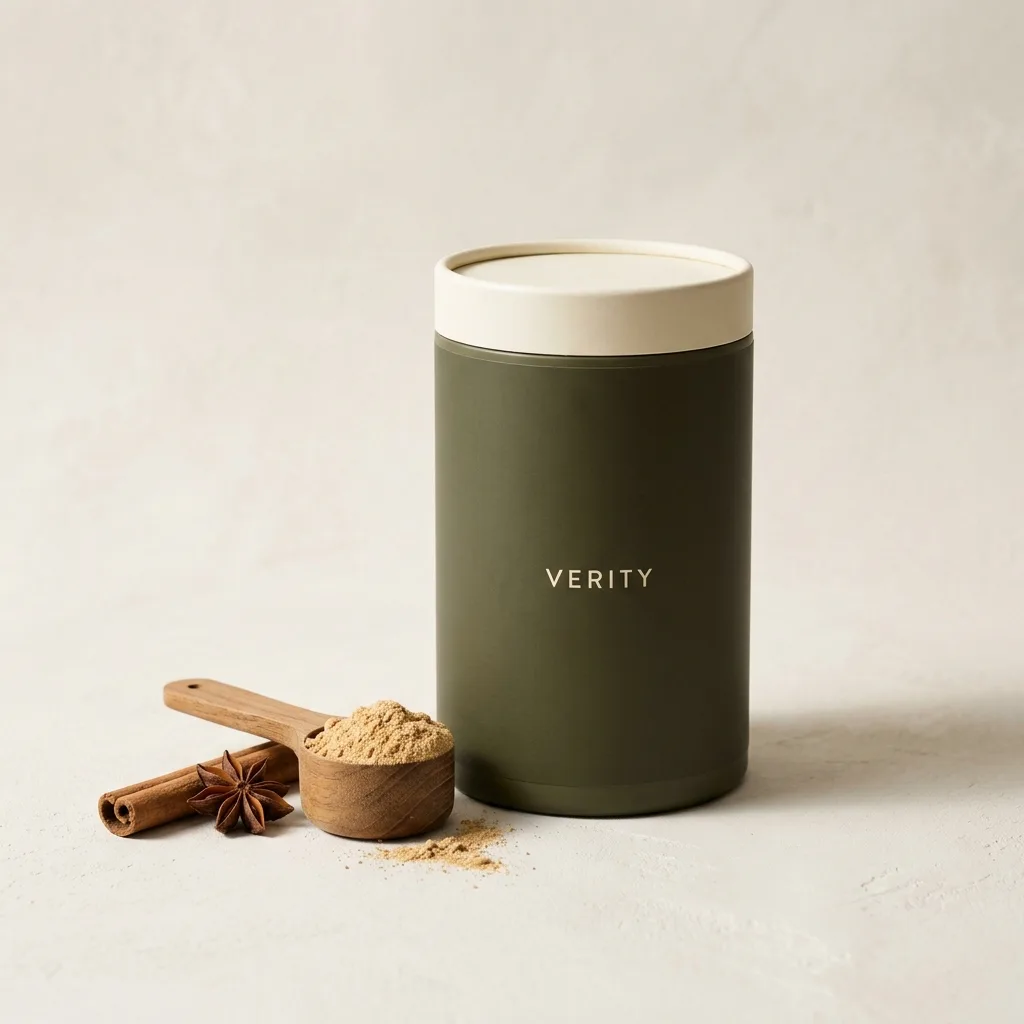
Dawnjar Sample
24g protein130 cal
18.5g protein / 100 cal
per serving · 1 scoop (34g)
$54.99$2.29 / serving
Preview collection · sample records with illustrative figures · prices in CAD. Ordering opens at launch.
No. Whey or plant ingredients can retain their own background flavour, and processing and recipe components can affect it. Unflavoured wording usually distinguishes a flavour approach rather than promising a neutral result in every dish. Read the ingredients and use a small measured preparation to decide whether its taste suits your recipe.
Not necessarily. Read the full declaration, including any ingredients used for mixing or texture. A short list does not supply protein grams or establish a universal quality ranking. The Nutrition Facts table and serving mass still need to be checked separately, along with the package’s own ingredient and allergen statements.
Cocoa, fruit, spices or coffee can be recipe preferences when supported by the preparation directions. Start with measured amounts and change one element at a time. Read labels for ingredients and caffeine where relevant. Additions have their own recipe figures; the powder-only table does not automatically describe the complete shake.
Use a recipe intended for that ingredient and follow the powder’s own preparation instructions. Lack of added flavour does not guarantee unchanged taste or texture in a warm dish. Heat and liquid ratios can affect the mixture. No tested soup recipe or universal cooking result is established by this preview.
There is no fixed price relationship. Compare each package’s serving cost and then cost for an equal protein quantity, using its actual price, serving count and protein entry. Include purchased flavour additions separately for a completed recipe. The budget guide explains the method without assigning invented savings to an unflavoured format.
No. They are the existing vanilla bean whey isolate and vanilla chai plant blend records, used to illustrate other powder formats. Dawnjar does not list an unflavoured sample here. Figures and CAD prices are illustrative, not labels for an absent product or current availability; ordering opens at launch.
Dawnjar preview pages use sample product records and illustrative nutrition figures. Ordering opens when real inventory and fulfillment are live. Nutrition information is general and informational only, not medical advice.