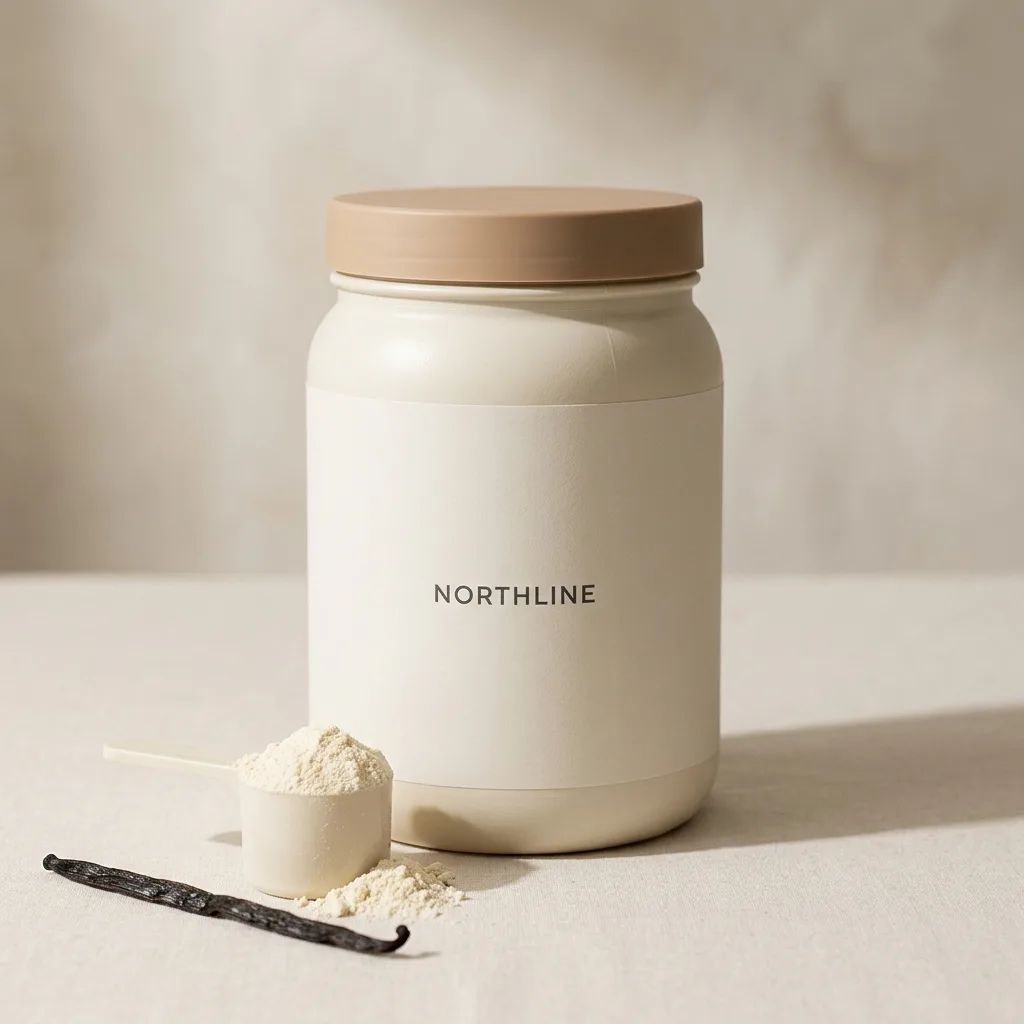
Dawnjar Sample
Whey Isolate — Vanilla Bean (2 lb)
25g protein110 cal
22.7g protein / 100 cal
per serving · 1 scoop (30g)
$59.99$2.00 / serving
Preview collection · Sample products · Prices in CAD
Dawnjar · Practical buying guides
A spoonable chia pudding starts with a texture decision rather than a nutrition calculation. Chia seeds, a chosen liquid and a powder can form a chilled mixture, but the result depends on the ingredients and their proportions. This article offers an adjustable preparation method, not a tested recipe with guaranteed results. Dawnjar's shelf includes existing powder comparisons and a ready-made mousse sample; none is a record of the homemade pudding described here. Sample figures and CAD prices are illustrative, with ordering opening at launch.
Start with about one part chia seeds to four parts liquid by volume as a starting point, then adjust for the consistency you prefer and the instructions on your ingredients. Powder adds another dry ingredient, so do not assume that the same liquid quantity will work unchanged. Choose a small batch while you learn how your particular powder behaves. Use a bowl or jar with room for thorough stirring instead of filling a container to its rim.
Measure the liquid first and disperse a modest amount of powder into it before introducing the chia. Stir until the powder is distributed, then add the seeds and stir again. Let the mixture begin to thicken in the fridge, give it another thorough stir to redistribute settled seeds, and continue chilling according to ingredient directions. This approach is a starting method rather than a fixed setting schedule; the package and your actual mixture guide the next adjustment.
Look at the whole mixture before adding another ingredient. A thin layer on top and a dense seed layer underneath can indicate uneven stirring rather than a need for more powder. Redistribute the contents first. For a mixture that remains too firm, stir in a little more of the chosen liquid and reassess. Add gradually, because changing several ingredients at once makes it harder to understand which adjustment produced the texture you wanted.
A looser pudding may need additional chilling or a different seed-to-liquid balance in the next trial. Avoid treating a full scoop as the automatic correction for every texture problem. Scoop size varies by powder, and some formulas thicken more strongly than others. Record approximate ingredient quantities and the sequence you used if you want to repeat a result. The aim is a workable spoon consistency, not an invented protein figure for the jar.
Casein powders often produce a thicker mixture than whey under similar preparation conditions, while plant powders can vary considerably in their absorption and mouthfeel. Flavourings, gums and other ingredients also affect the final set. Those general tendencies are not a ranking of which powder is best for everyone. Read the preparation wording and try the exact formula in a small quantity before making a larger batch. The casein comparison guide explains the source and texture distinctions.
Whey can be useful when you prefer a less dense base, but chia still contributes its own setting behaviour. Plant blends may bring an earthy flavour or a more noticeable grain texture, depending on the recipe and processing. Introduce powder gradually so the mixture remains stirrable. Dawnjar's isolate, casein and plant records are comparison examples only; they have not been tested in this pudding method, and their card figures do not describe a finished chia recipe.
An instant pudding mix has its own instructions and ingredient system. Begin with those directions, including any specified liquid, rather than substituting a chia method for the packet method. A protein powder changes the dry solids and can affect how easily the mixture disperses or sets. If the ingredients permit that preparation, start with a small addition and test a small portion. Do not assume that increasing the powder amount will improve the final spoon texture.
Keep the instant mix, powder and liquid quantities separate in your notes. A table for dry pudding mix may not include the liquid you add, while a prepared table may assume a particular recipe. Neither basis supplies a new total for an altered combination. For lumps, mixing a little powder into some of the intended liquid before combining may help, provided the packet directions allow it. This page supplies no tested instant-pudding formula or recipe nutrition numbers.
Vanilla powder gives you one starting flavour, but the finished pudding also reflects the liquid and any additional ingredients. Consider fruit, cinnamon or another spice as a preference rather than assuming the flavour name specifies the complete recipe. Taste the powder in its intended preparation before deciding how much extra sweetness you want. The vanilla guide discusses differences between vanilla wording and other flavour constructions without assigning one standard taste to every tub.
Chocolate powder can have cocoa, flavourings and sweeteners already included, so extra cocoa changes both flavour and dry texture. Add a little at a time if your method supports it, and adjust the liquid instead of treating cocoa as a direct liquid substitute. For caffeine or allergens, consult the labels of the actual ingredients. The linked chocolate guide focuses on cocoa wording and mixing questions; it does not establish the figures for this pudding or any added toppings.
Keep the pudding chilled in a covered container and follow storage instructions for every ingredient used. Plan to eat a small homemade batch within a few days, but treat that as planning guidance, not a guarantee that it remains usable for that period. Ingredient instructions or circumstances may call for earlier disposal. Mark when you prepared it so you are not relying on memory. When in doubt, do not use it; no universal storage period is established here.
Avoid extending a powder tub's best-before guidance to a mixture that now contains liquid, seeds or fruit. A dry ingredient and a prepared chilled dish are different storage situations. Follow any directions on milk, yogurt or pudding mix that you include, and keep those packages available for reference. Do not use smell or appearance as a promise of safety. This guide offers no preservation technique, room-temperature holding allowance or assurance based on the texture of a set pudding.
A mousse cup is a finished product with its own serving, ingredient list and storage directions. A chia pudding made at home is a preparation you assemble, and its texture can be quite different. Use the dessert category to compare existing cookies and cups without treating their records as a substitute for your recipe. The mousse sample on this shelf illustrates a ready-made format only; it does not contain a verified version of the chia method above.
For a packet or cup comparison, check the stated serving and the number of portions in its package. For a homemade jar, keep your preparation quantities documented without borrowing nutrition from a superficially similar product. Powder card costs belong to those sample records, not a complete pudding including seeds, liquid and toppings. Ordering opens at launch; the shelf is a preview comparison, not an indication that Dawnjar is taking orders for cups or prepared pudding today.
Dawnjar Sample
25g protein110 cal
22.7g protein / 100 cal
per serving · 1 scoop (30g)
$59.99$2.00 / serving
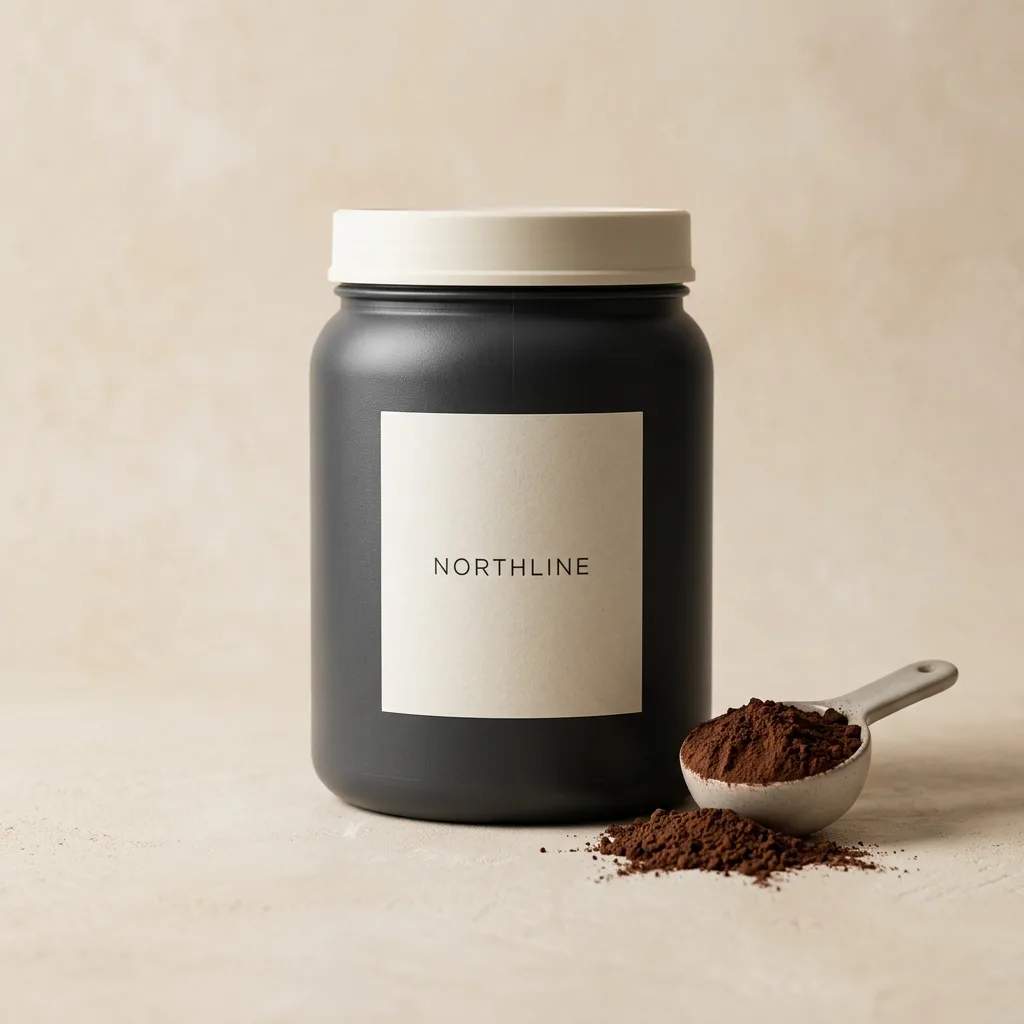
Dawnjar Sample
25g protein115 cal
21.7g protein / 100 cal
per serving · 1 scoop (30g)
$59.99$2.00 / serving
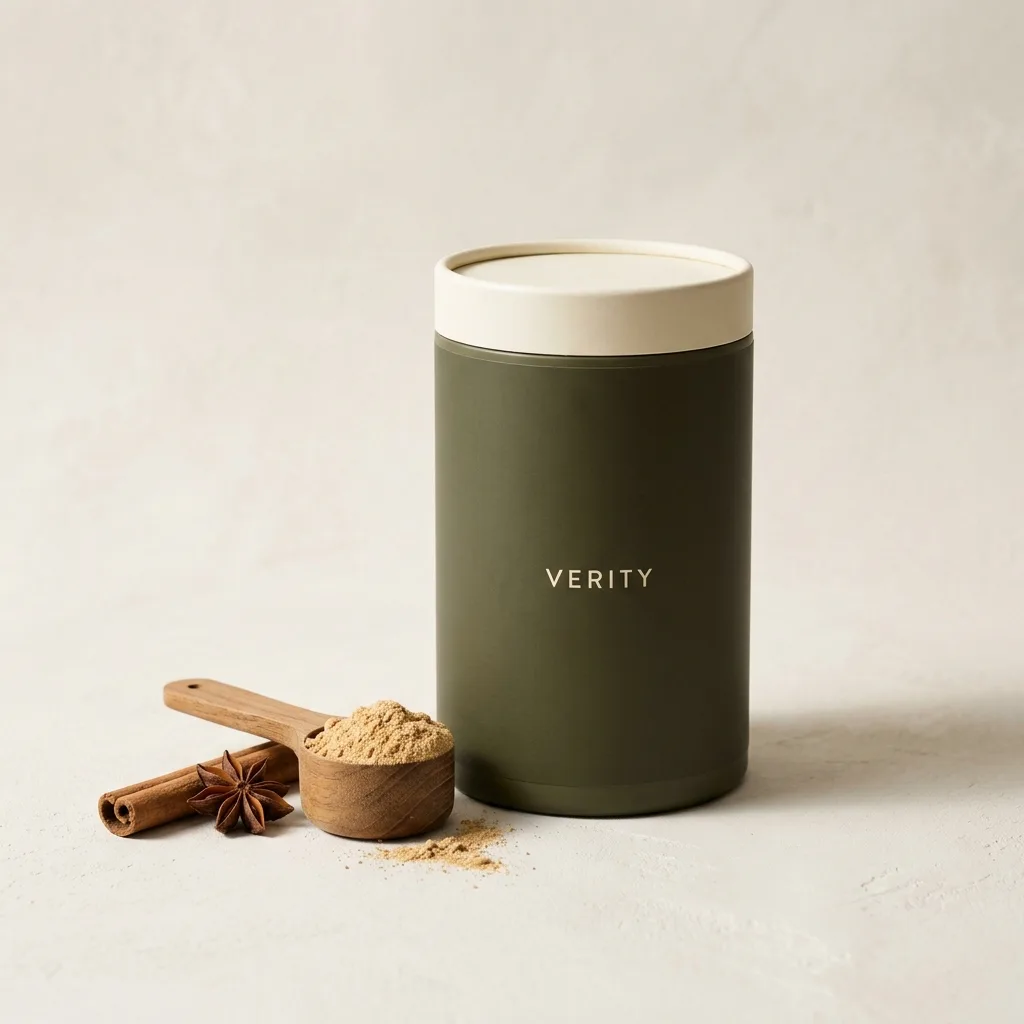
Dawnjar Sample
24g protein130 cal
18.5g protein / 100 cal
per serving · 1 scoop (34g)
$54.99$2.29 / serving
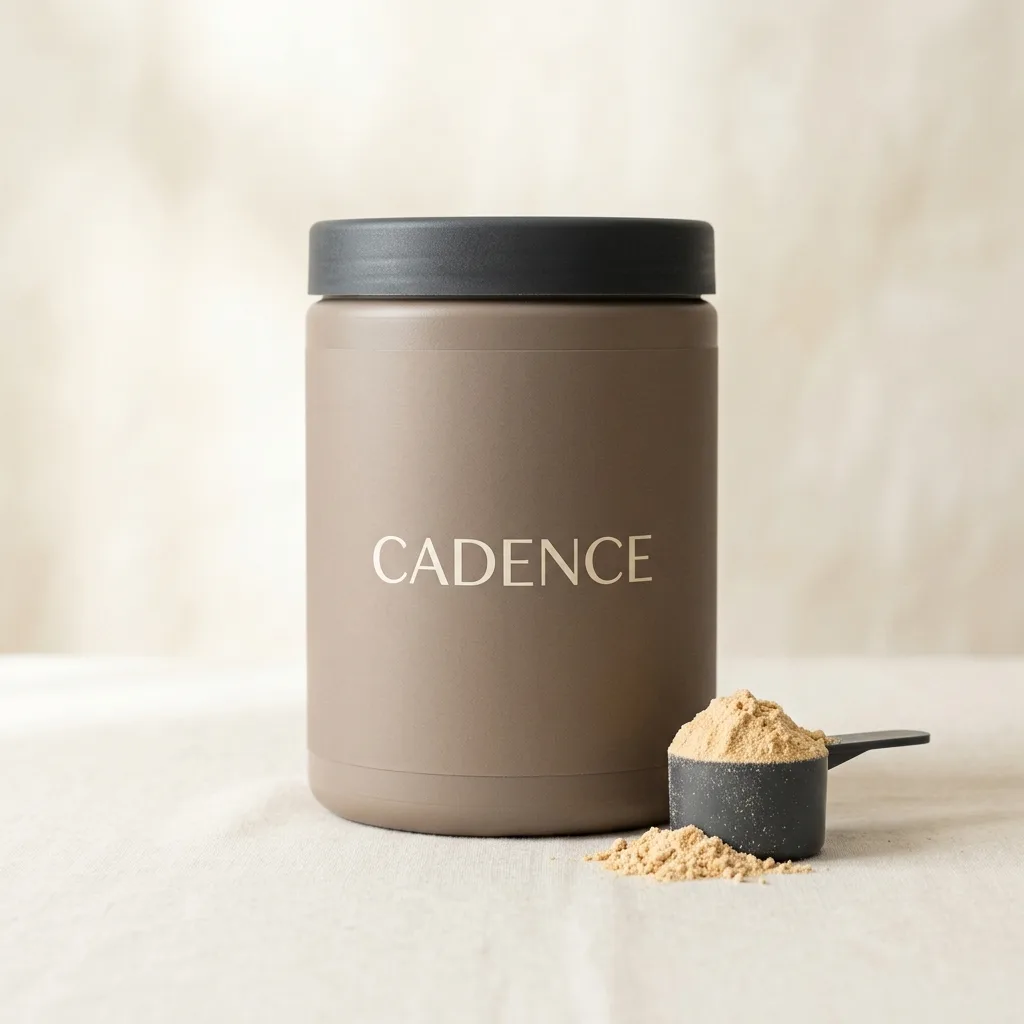
Dawnjar Sample
25g protein120 cal
20.8g protein / 100 cal
per serving · 1 scoop (33g)
$57.99$2.15 / serving
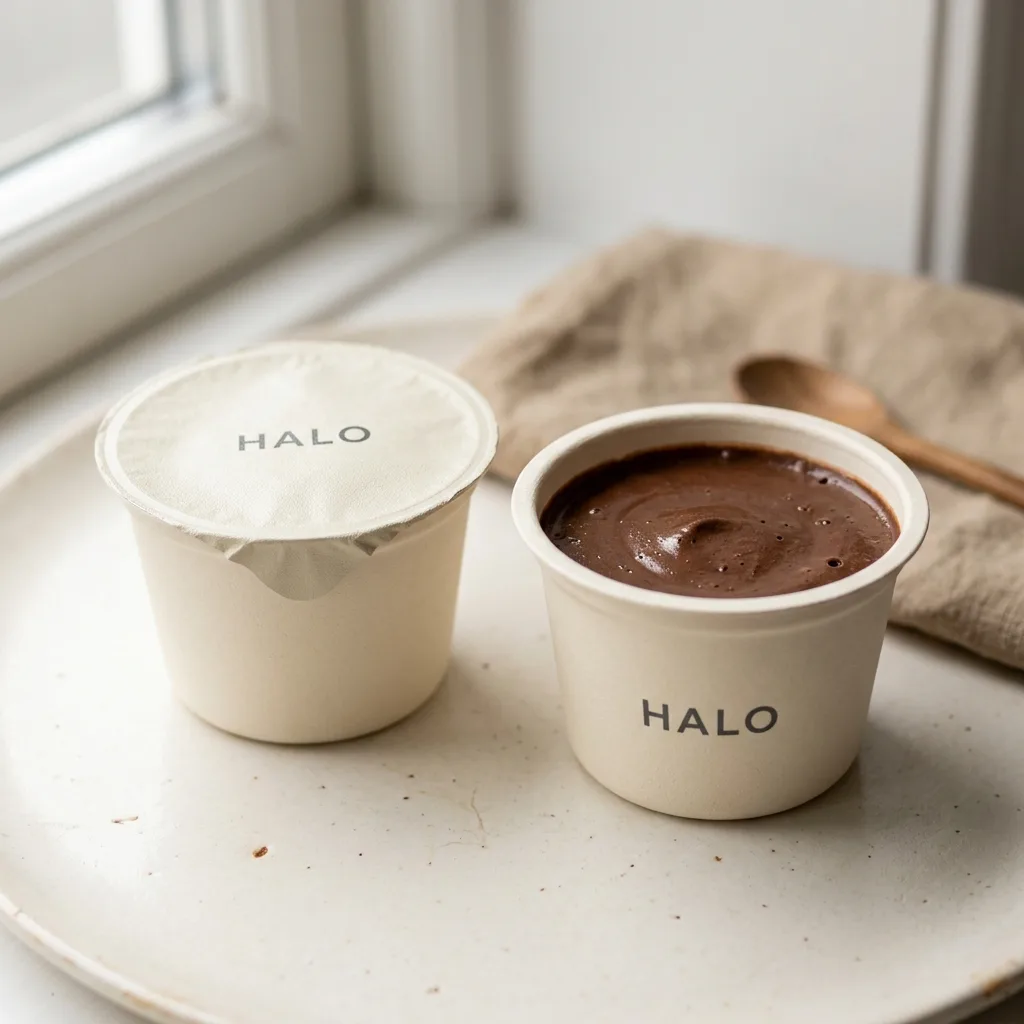
Dawnjar Sample
12g protein110 cal
10.9g protein / 100 cal
per serving · 1 cup (100g)
$18.99$3.16 / serving
Preview collection · sample records with illustrative figures · prices in CAD. Ordering opens at launch.
Start with about one part chia to four parts liquid by volume, adjusting for your ingredients and preferred set. Disperse a small amount of powder into the liquid, stir in the seeds, and chill with another stir as it thickens. Follow ingredient directions; this is an adjustable method, not a tested fixed formula.
Casein often mixes thicker than whey, and some plant formulas absorb more liquid, but the whole ingredient list matters. Chia adds its own setting effect. Trial a small portion of the exact powder rather than selecting by source alone, and adjust the liquid gradually to reach the spoon texture you prefer.
Read the packet method before making any change, especially its liquid instructions. An added powder can alter dispersion and setting, so begin with a small trial only where the ingredients support that preparation. A prepared Nutrition Facts table for the original packet recipe does not describe your modified combination.
Choose a vanilla or chocolate powder as one flavour component, then consider fruit or spices in small additions. Extra dry cocoa can also alter thickness, so reassess the liquid balance. Read the labels for sweeteners, caffeine and allergens; a flavour name alone does not identify every ingredient in the resulting jar.
Refrigerate it covered and follow each ingredient's storage instructions. Make a small batch you plan to finish within a few days, without treating that plan as a safe-use guarantee. Record the preparation date, follow any stricter ingredient directions, and do not use the pudding if you are in doubt.
The mousse record is a separate ready-made dessert, not this homemade chia preparation. The accompanying powders illustrate existing source and flavour formats without a tested pudding result. Their sample figures and CAD prices stay attached to those records; no recipe nutrition or prepared-pudding offer is created by the shelf.
Dawnjar preview pages use sample product records and illustrative nutrition figures. Ordering opens when real inventory and fulfillment are live. Nutrition information is general and informational only, not medical advice.