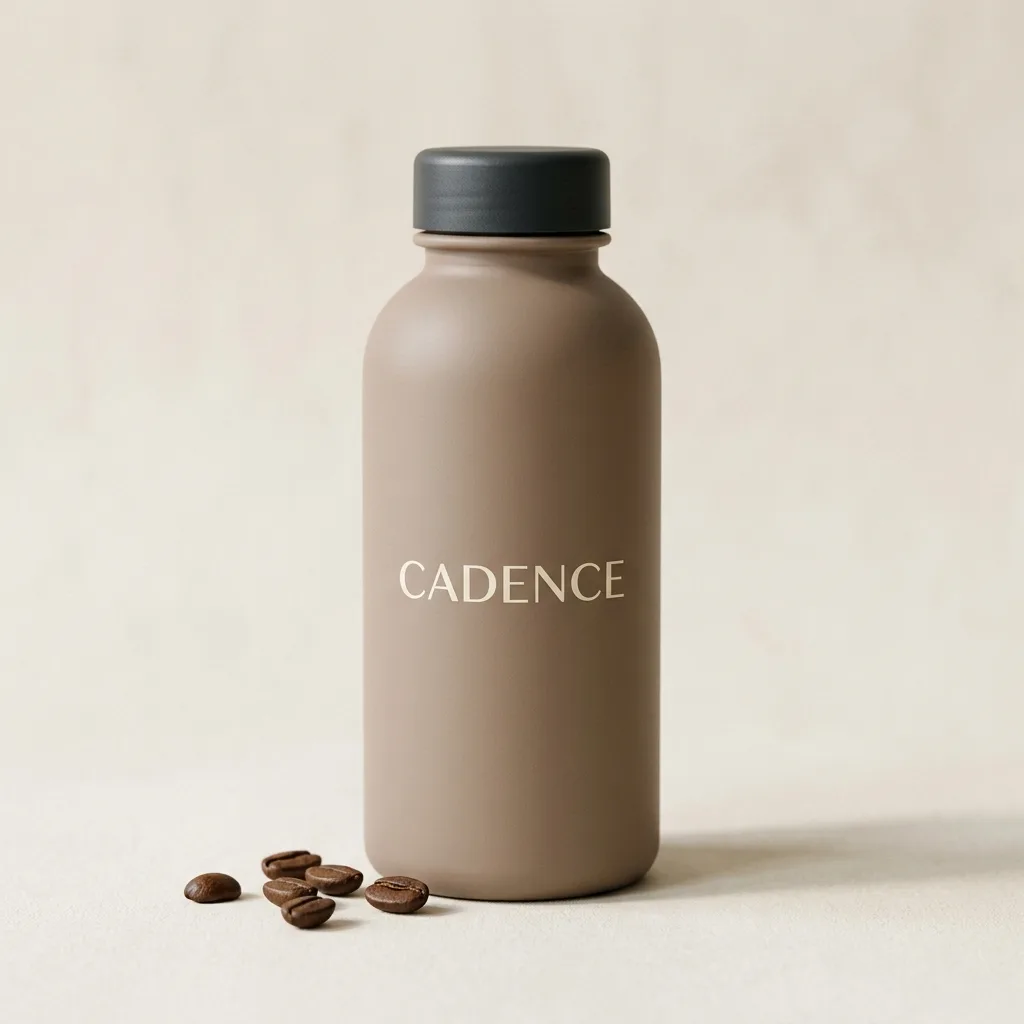
Dawnjar Sample
Ready-to-Drink Protein Shake — Mocha
30g protein170 cal
17.6g protein / 100 cal
per serving · 1 bottle (330ml)
$49.99$4.17 / serving
Preview collection · Sample products · Prices in CAD
Dawnjar · Protein drinks
Coffee and protein can share a cup in several quite different ways. A coffee-flavoured bottled shake, a scoop stirred into brewed coffee and a shake poured over espresso are not interchangeable: each has its own serving size, texture and ingredient list. This guide separates those formats so you can compare the drink you actually make, rather than a name on the front of a package. Dawnjar is a preview of sample records with illustrative figures and prices in CAD; ordering opens at launch. The examples below explain comparisons, not current availability.
Ready-to-drink protein coffee shakes are premixed bottles. Some include coffee as an ingredient; others use flavouring to suggest mocha or a latte. Start with the ingredient list, then check the Nutrition Facts table for the serving represented. A coffee illustration or mocha flavour name does not settle the caffeine question. Amounts vary, so read the label rather than assuming every coffee-style shake is the same.
Adding protein powder to brewed or iced coffee gives you control over the ratio. The powder brings its own flavour, sweeteners and texture, while any milk or other additions change the finished drink. Proffee usually means a protein shake combined with espresso or cold brew. It is a preparation name, not a standard recipe: one person might use an entire bottle, another only a splash. Record the amounts before comparing it with a packaged serving.
The mocha shake is the coffee-flavoured sample in this preview. Coffee flavour does not mean it contains caffeine: check the label. The vanilla shake is shown beside it as a different flavour of ready-to-drink protein, not as another coffee product. Both cards use illustrative sample-record figures, including protein per serving, calories and CAD price per serving.
Use these examples to separate flavour from format. A mocha bottle may suit someone who wants a coffee-style taste, while a vanilla bottle could become part of a homemade proffee recipe. Neither example establishes the composition of the drink after you add coffee, ice or milk. Compare the original serving first, then account for additions separately.
Dawnjar Sample
30g protein170 cal
17.6g protein / 100 cal
per serving · 1 bottle (330ml)
$49.99$4.17 / serving
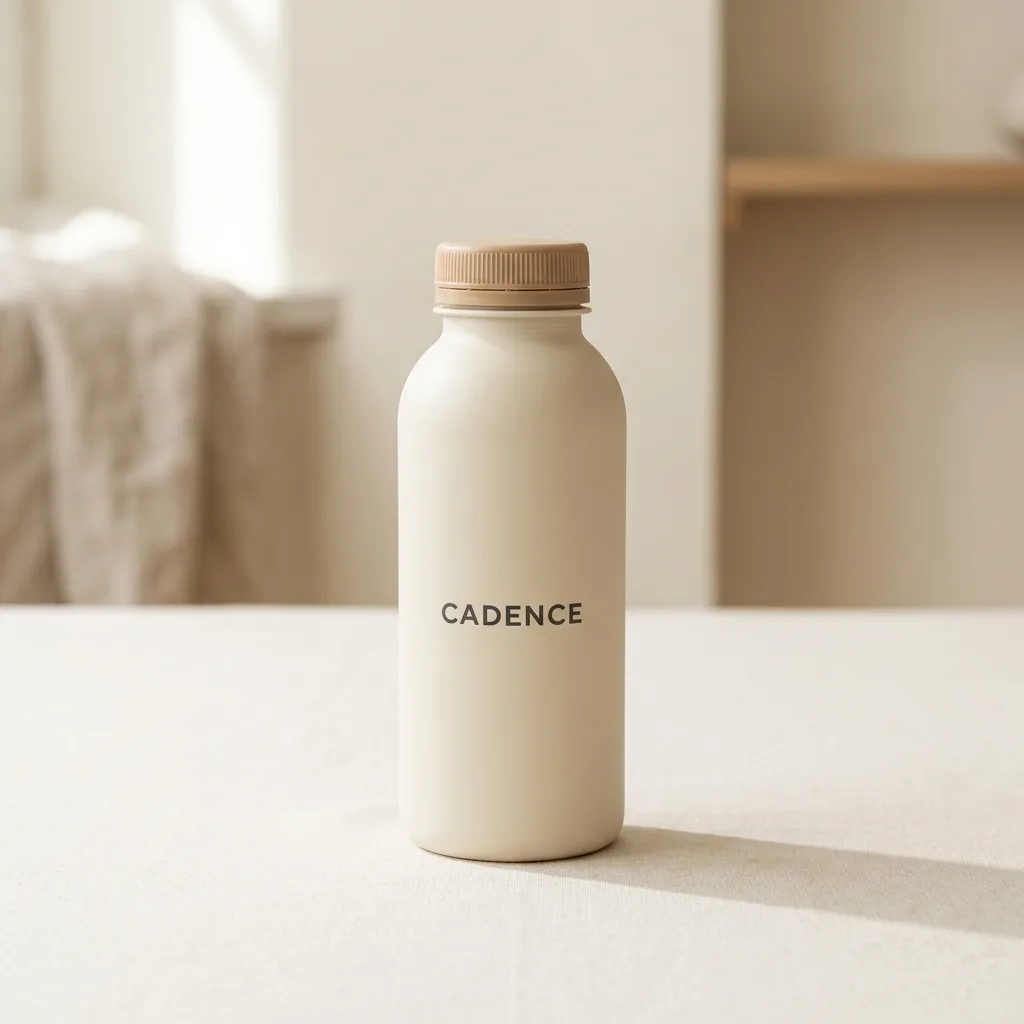
Dawnjar Sample
30g protein160 cal
18.8g protein / 100 cal
per serving · 1 bottle (330ml)
$49.99$4.17 / serving
Preview collection · sample records with illustrative figures · prices in CAD. Ordering opens at launch.
Let hot coffee cool slightly before adding powder. Very hot liquid can make some powders clump or change their texture; pouring a dry scoop straight into a full mug also leaves little room to mix. Try a small amount first, following any preparation directions on the package. Use a larger vessel than the final cup so a frother or blender has room to work without spilling.
For a smoother starting mixture, stir the powder into a little cold milk or your chosen labelled alternative to make a loose paste, then gradually add the coffee. A whisk, frother or blender can help disperse dry pockets. Add the liquid in stages rather than packing powder onto the surface. With iced coffee, dissolve the powder before adding ice so the cubes do not obstruct mixing.
Clear whey can be tried in iced coffee, though fruit flavour and coffee bitterness will not appeal to everyone. Follow its mixing directions and test a small portion before making a full glass. Clear does not mean flavourless, and a drink that looks thinner can still have a distinct taste. The clear whey guide explains how that format differs from a creamy shake.
Compare like with like: one finished cup against one finished cup, or one labelled bottle serving against another. The front label may describe a whole bottle even when the nutrition table uses a smaller portion. Keep coffee, powder and additions visible in your notes rather than attributing the entire recipe to the powder alone.
Protein per serving — Check the labelled amount and how many servings you actually use. A partial bottle or half scoop contributes a different amount from the complete serving on the card.
Caffeine on the label — Check whether caffeine is listed and how much the label specifies. Amounts vary; a coffee-flavoured name alone is not a measurement.
Sugar and sweeteners — Read both the sugar line and ingredient list. Sweeteners affect flavour even when the sugar number is small, especially once coffee is added.
Milk or plant protein and allergens — Read the stated protein source and allergen statement. Milk, soy and other ingredients may appear in blends; do not infer their absence from a flavour name.
Serving size and bottle size — Check millilitres per serving and servings per bottle. The drink in your glass might be more or less than the portion used on the table.
Price per serving in CAD — Divide package price by its labelled servings, then compare the portion you plan to use. For homemade drinks, coffee and other additions are separate costs.
The difference is usually coffee ingredients, coffee-style flavour or the way the shake is prepared, not a separate universal protein category. A plain shake is a useful baseline: compare the same serving units, protein source, sugar and texture before considering the coffee element. If you make proffee, the finished volume increases, but the added coffee does not automatically increase the protein listed for the original shake.
Choose a format around the preparation you prefer. A premixed bottle avoids measuring powder; a powder lets you adjust the recipe; a shake-and-coffee mixture uses two separate labelled products. None is automatically the better comparison on every measure. The protein shakes guide covers ready-to-drink bottles and powders side by side, with the same preview framing and sample-only figures.
Some products contain coffee or added caffeine, while others are only coffee-flavoured. Added caffeine is listed on the label. Amounts vary, so read the ingredients and any stated amount rather than relying on the product name.
You can try it if the preparation directions allow it. Let the coffee cool slightly, mix the powder with a little cold milk first, then whisk or froth while adding coffee gradually. Texture varies by powder.
Proffee usually means a protein shake mixed with espresso or cold brew. There is no fixed recipe or serving size, so compare the actual amounts of shake, coffee and additions you use.
It varies by recipe, bottle and serving size. Dawnjar cards show protein per serving from illustrative sample records; a homemade coffee mixture needs the amounts from each ingredient to be considered separately.
Not yet. Dawnjar is a preview with sample records and illustrative figures, priced in CAD. Ordering opens at launch. The mocha sample illustrates a coffee-flavoured shake, not a currently orderable product.
Dawnjar preview pages use sample product records and illustrative nutrition figures. Ordering opens when real inventory and fulfillment are live. Nutrition information is general and informational only, not medical advice.